Why Exarchia, Not Plaka, Makes Sense for Nomads in Greece
Contrarian neighborhood guide to Greece: where nomads find real life—Koukaki, Exarchia, Glyfada and island alternatives—backed by market data and local tips.

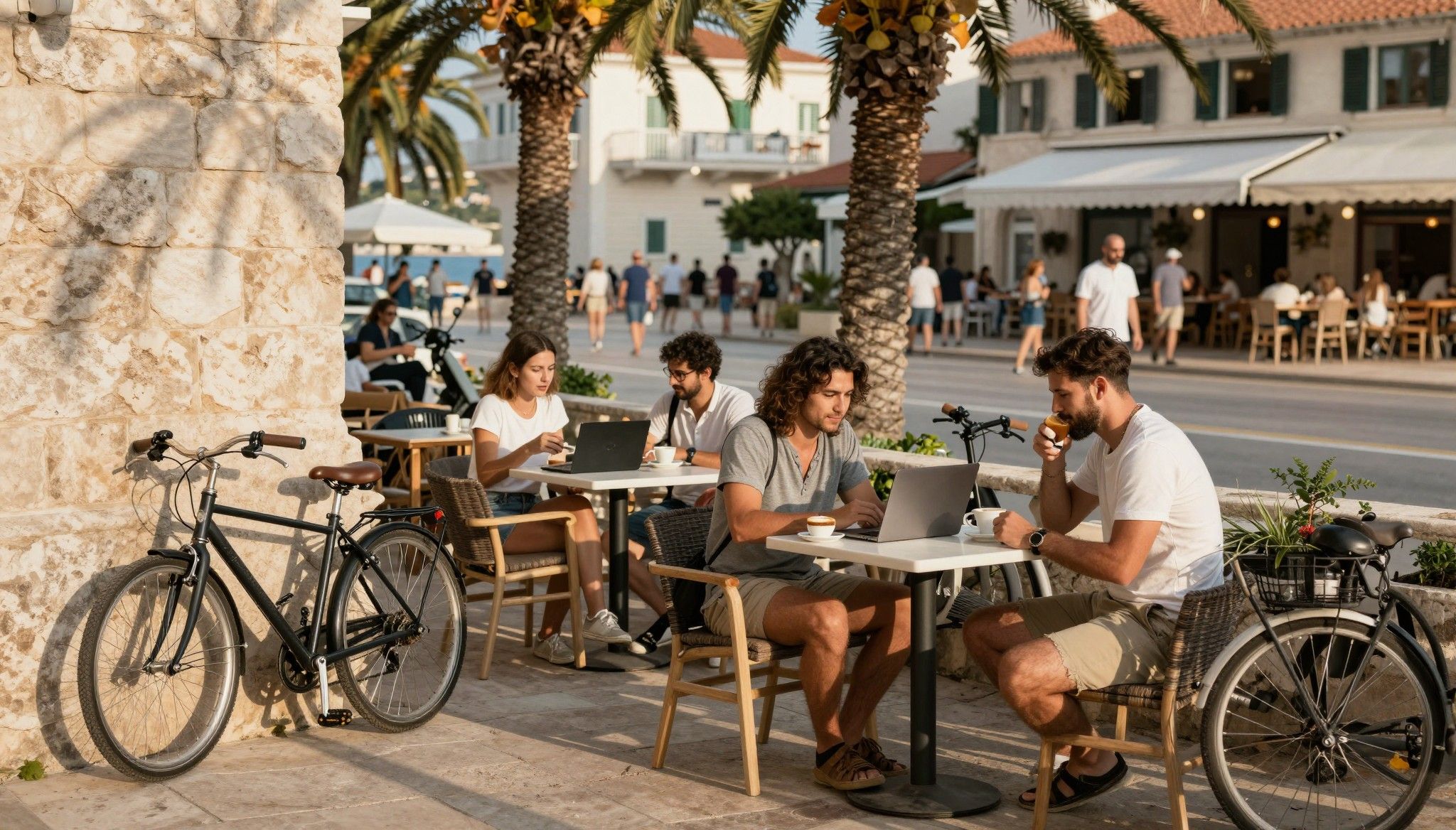
Imagine sipping a freddo espresso at a corner kafeneío in Koukaki while your laptop hums on the table — the Acropolis in view, kids playing soccer nearby, and a reliable 200 Mbps line keeping your Zoom calls smooth. That scene is the fast lane of modern Greek life: sunlit, social and surprisingly practical for nomads. But the neighborhoods that deliver that life are not always the tourist-heavy streets you see on postcards. This piece flips expectations — from Athens’ edgy pockets to coastal suburbs and quieter island towns — so you can feel the rhythm of Greece and know which streets match your work-life needs.
Living the Greece lifestyle
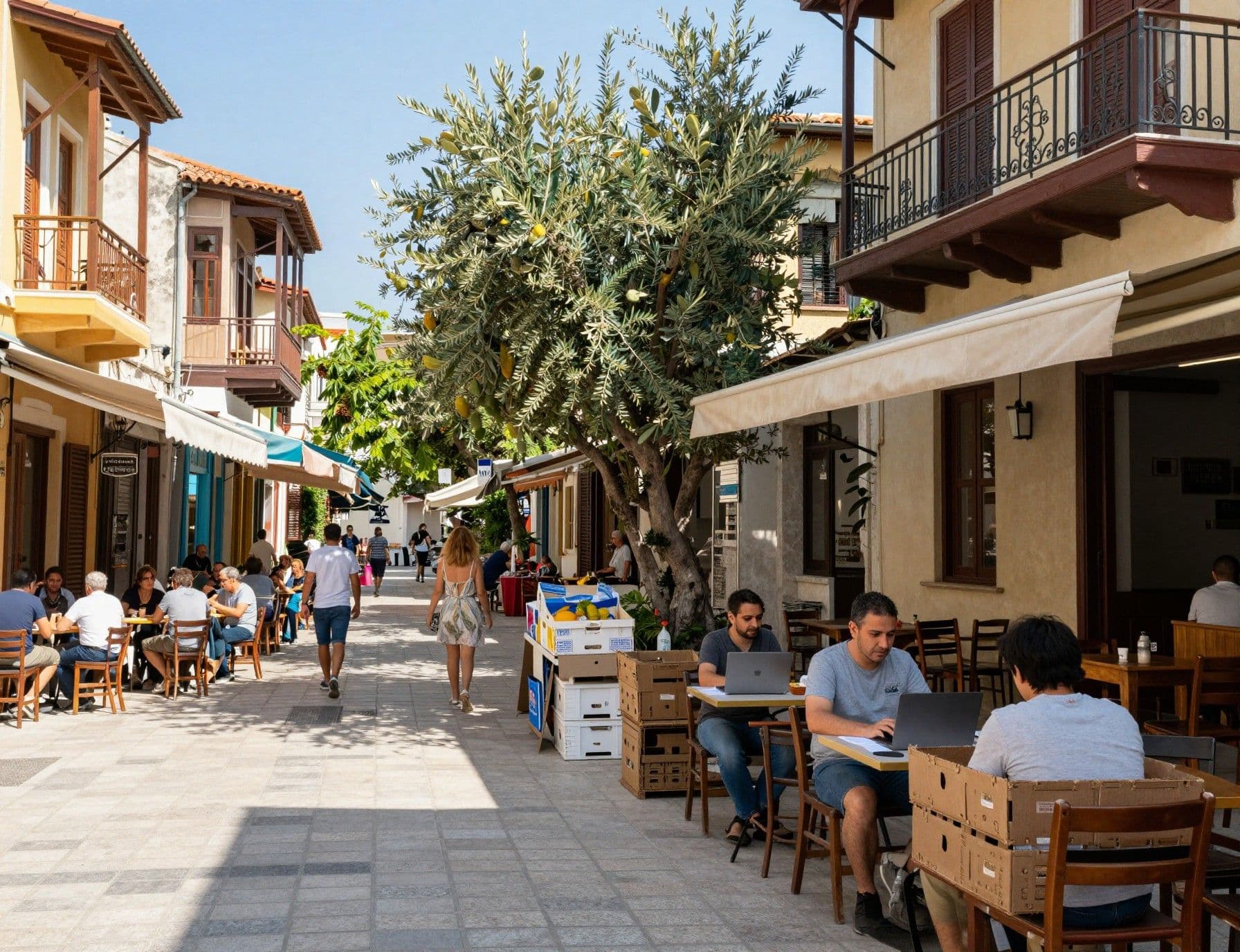
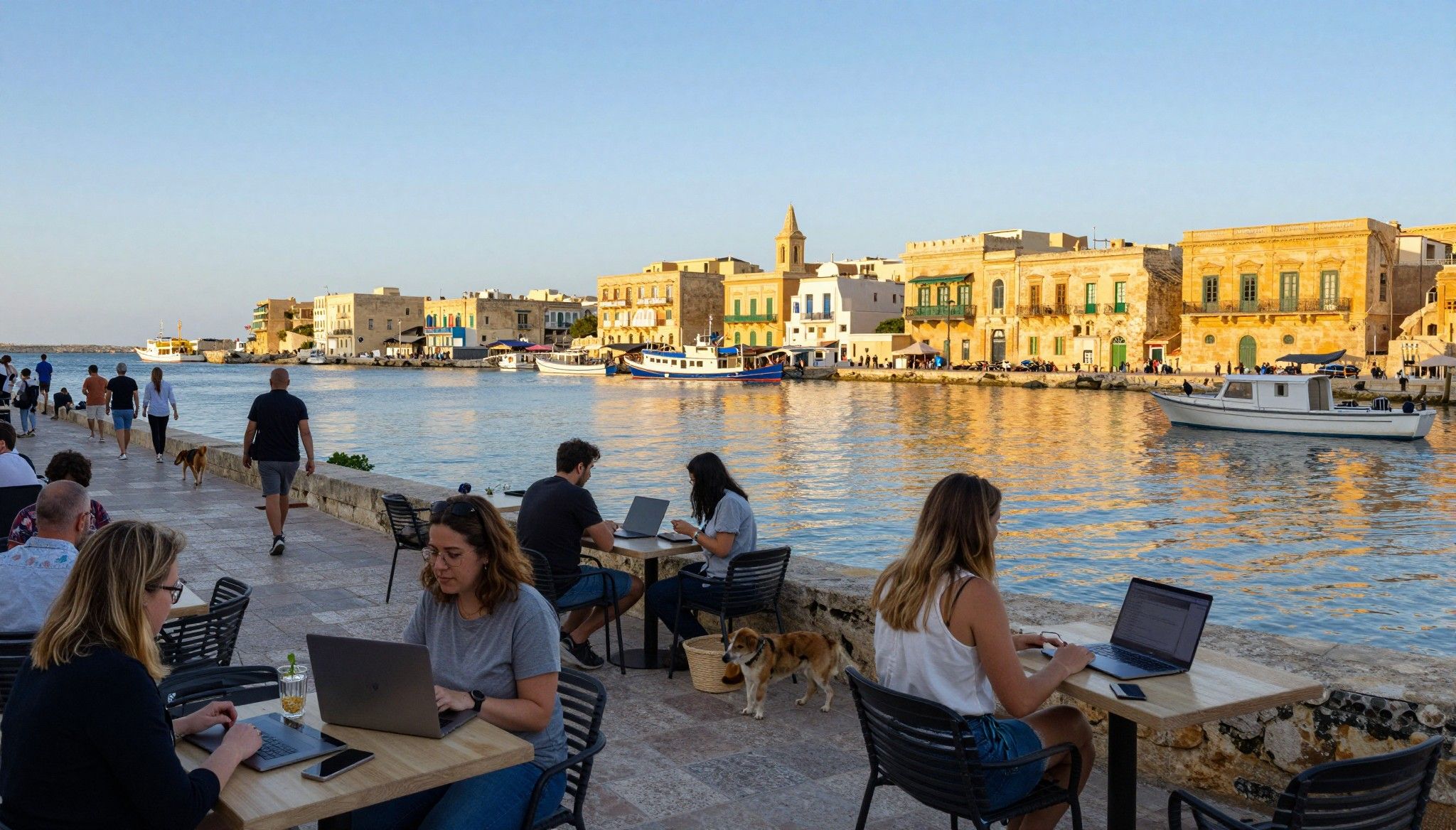
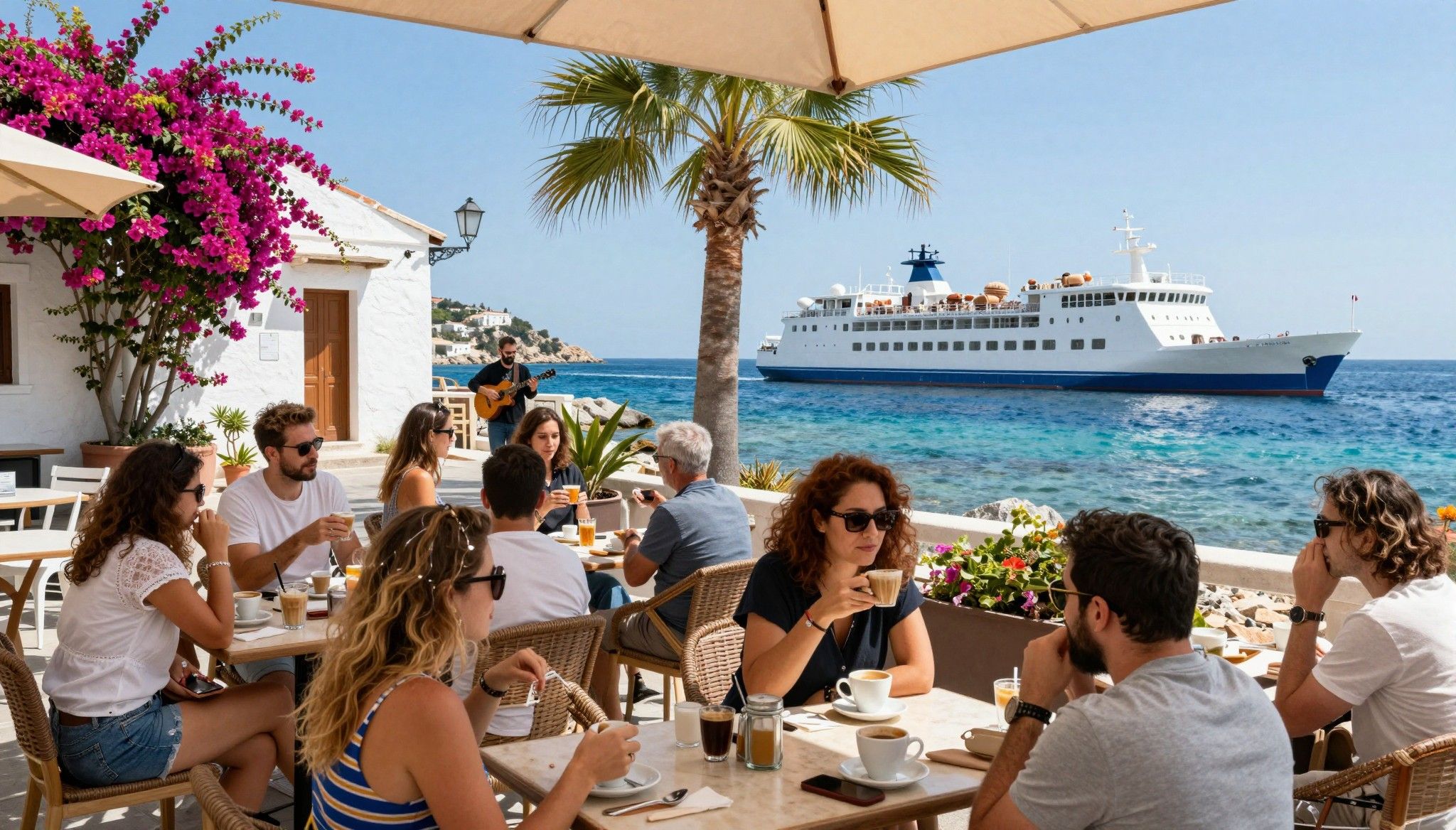
Greece moves at a warm, human pace: long mornings at markets, late dinners full of conversation, and a weekend that often centers on a beach or taverna. Cities like Athens pulse with cafes and coworking spaces by day and music-filled squares by night; suburbs such as Glyfada bring seaside promenades and alfresco work spots; islands offer slow mornings and concentrated bursts of community in the high season. Weather, culture and small-scale local commerce shape daily life — expect shops that close for siesta-like breaks, lively neighbourhood squares, and an easy drift from work to social life that feels made for hybrid schedules.
Athens — city neighborhoods that feel like home
For nomads who want history and speed, neighborhoods such as Koukaki and Pangrati meld walkability, cafés with fast Wi‑Fi, and a real local rhythm. Koukaki fronts the Acropolis and keeps a friendly, lived-in vibe — small bakeries, bookshops and quiet squares — while Pangrati offers galleries, green parks and late-night tavernas that make social life easy. These areas have become favorites because they balance short commutes, good metro access and enough local life to feel rooted rather than rented-out.
Seaside suburbs and island alternatives
If you crave a beachside stroll before work, look at Glyfada’s palm-lined cafes and yacht-club energy — it’s a walkable suburb with modern amenities and solid transport links to central Athens. On the islands, smaller towns on places like Naxos or Paros give quieter communities, big terraces and local markets, but check off-season connectivity and services first: islands can feel magical in summer and thin in winter. The trade-off is simple: coastal calm and outdoor life versus all-year convenience.
- Lifestyle highlights: Koukaki cafés, Pangrati gallery nights, Glyfada seafront walks, Paros market mornings, Thisio sunset rooftops, hip Exarchia music bars.
Making the move: lifestyle-first property choices
Dreams of cafés and beaches meet market realities: Greek property prices rose strongly through 2024–2025, concentrated in Athens and high‑demand islands, so location and timing matter. Use local price indices and agency insight to pick neighborhoods where lifestyle quality and price momentum align. That means favoring areas with year-round services and solid rental demand if you plan to rent, or quieter neighborhoods with community ties if you’re buying to live long-term. Agencies that know both local life and current indices will save you weeks of guesswork.
Property styles that match how you work
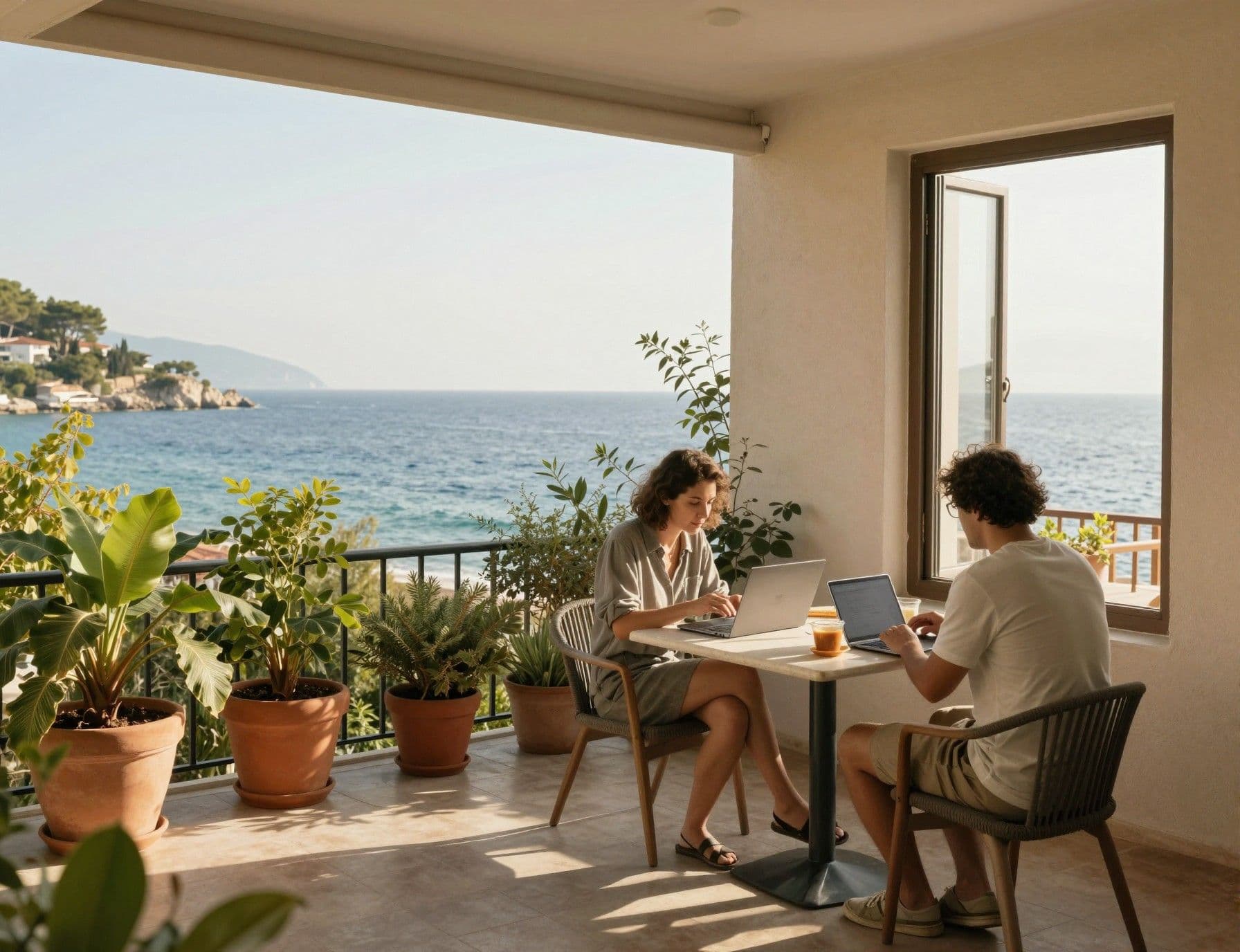
Look for apartments with bright terraces, sound insulation and a room that becomes a real office — a sea view is great, but a balcony with shade and a reliable connection will make daily work easier. Older stone buildings in Athens have character and high ceilings but may need wiring upgrades; newer builds and renovated neoclassical flats often include better insulation, modern plumbing and fast fiber. On islands, prioritize properties with water tanks, solar options and reliable deliveries; small infrastructure investments make island life seamless.
- Practical steps to marry lifestyle and buying:
- Work out your daily loop: test commute times, café Wi‑Fi and phone signal for a week before bidding.
- Prioritize reliable internet and a quiet daytime room over a perfect view if you plan to work remotely most days.
- Ask your agent about seasonal service levels — pharmacies, doctors and banks that close or reduce hours off‑season can change island living drastically.
Insider knowledge: what expats wish they’d known
Real talk from expats: neighborhood reputation can mislead. Exarchia’s activist reputation scares some, yet it pulses with affordable cafés, creative energy and short-term rental bargains that attract young nomads. Conversely, touristy Plaka looks dreamy but can be noisy and overpriced for daily life. Also, coworking has grown fast in Athens — use short stays to test which community fits your rhythm before committing to a purchase. Finally, living like a local means embracing later hours, market rhythms and the social ease of tavernas — these are as important as square footage.
Cultural integration and community
Start small: learn greetings, attend a neighborhood church festival, join a coworking meetup or a language exchange. Greeks are warm and curious; a few phrases and regular visits to the same kafeneío will open doors. Expect bureaucracy to move slowly — patience pays — and build relationships with local shopkeepers, a handyman and your agency contact to smooth small daily tasks.
Long-term lifestyle and practical realities
Greece’s market has momentum, but it’s uneven: Athens and some islands attract buyers and push prices up, while many rural areas show stable, affordable options. Expect to pay a premium for convenience — fiber, medical access and year-round transport — and remember hidden operating costs like seasonal maintenance on island homes. Use up-to-date indices to time offers and work with agencies who handle both lifestyle scouting and legal checks.
- Red flags to watch for: unreliable internet, single-access roads prone to closure, properties without legal building permits, and agents who can’t show multi-season data.
Conclusion: Greece is not one thing — it’s a collection of neighbourhood rhythms. Choose a place that matches how you want to live from Monday’s work routine through Sunday’s market run. Start by spending a month in your top two neighborhoods, test daily routines (Wi‑Fi, groceries, medical access) and use local agents who can show lived-in homes, not just glossy listings. When those pieces click — the light, the espresso, the reliable connection — you’ll know you’ve found the street where life feels right.
Norwegian who has helped 200+ families relocate from Oslo to Spain; expert in relocation services and community integration.