Why the Three Cities Outsmart Sliema for Everyday Life
The Three Cities — often dismissed by expats — can offer better lifestyle value than Sliema/St Julian's; marry local vibes with market data to buy wisely in Malta.
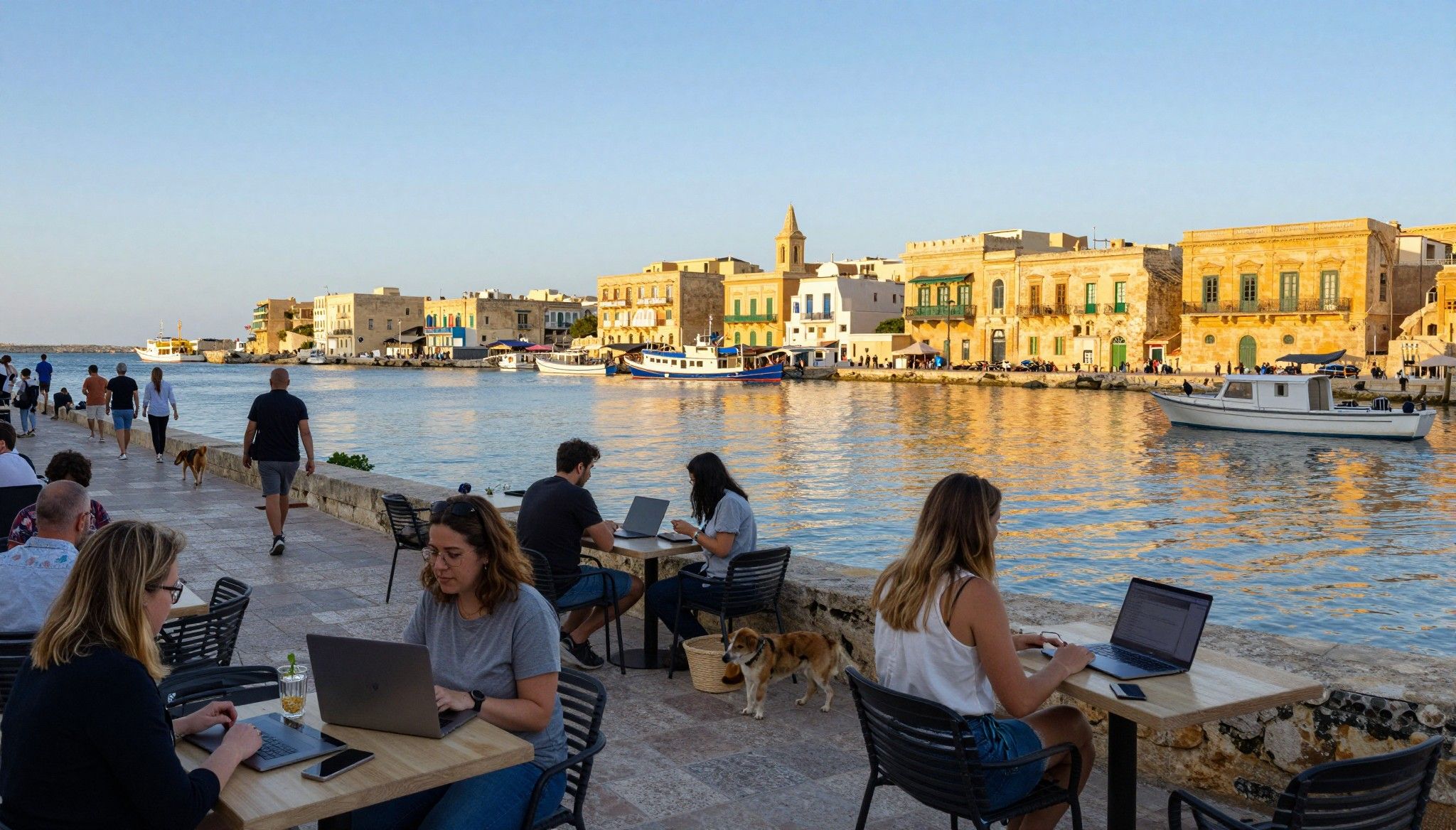
Imagine finishing a work sprint on your laptop, walking five minutes to a cliff-top cafe, and watching fishing boats glide under a pastel sunset — that’s weekday life in parts of Malta most buyers overlook. This piece argues a contrarian idea: the neighbourhood tourists skip (and even some expats avoid) — like Birgu (Vittoriosa) and parts of the Three Cities — can offer the balanced mix of community, walkable daily life, fast cafés, and better value than flashy waterfront hotspots. We'll pair sensory scenes with up-to-date market signals so you can fall in love without losing your head.
Living the Malta lifestyle: sea‑salt mornings and espresso rituals
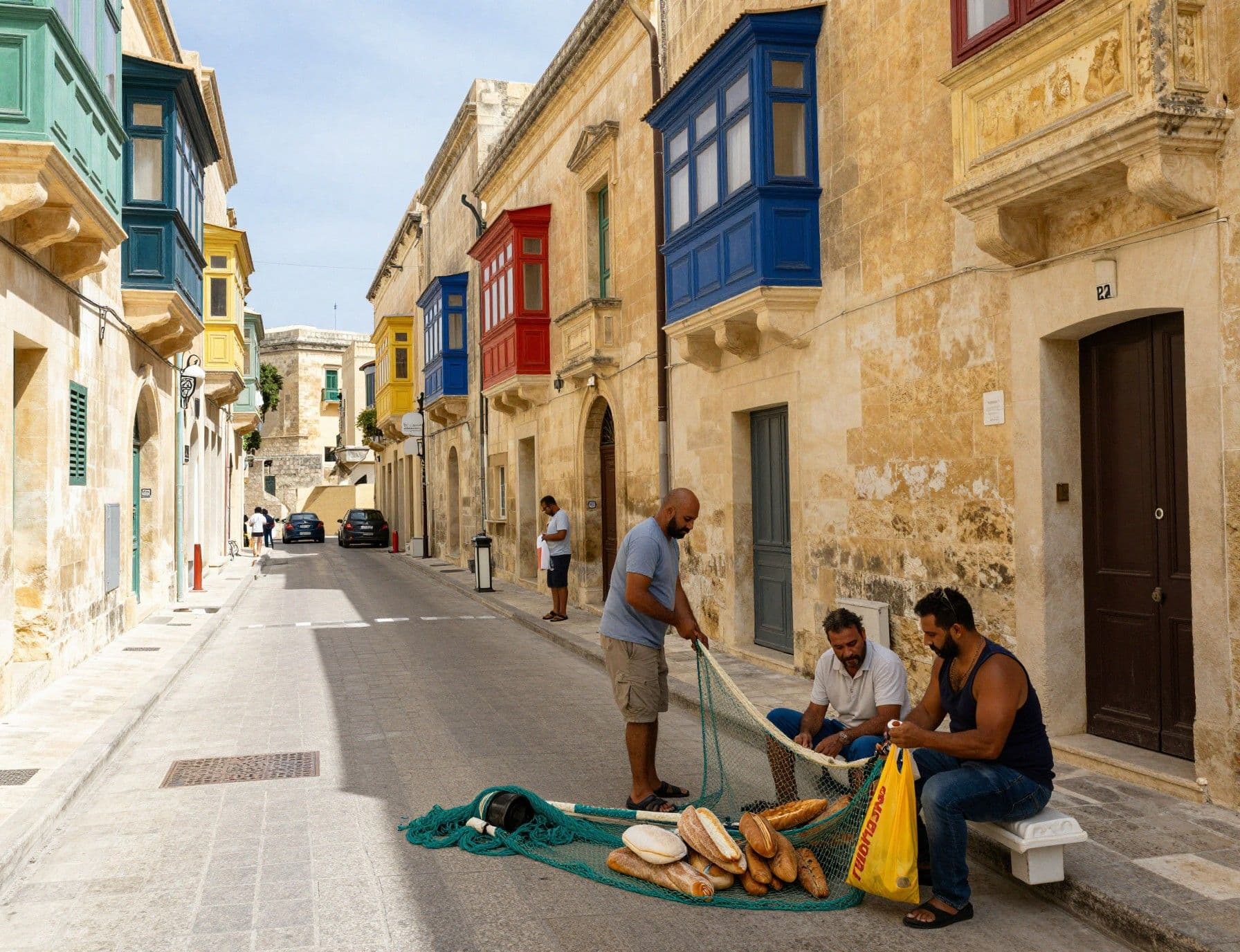
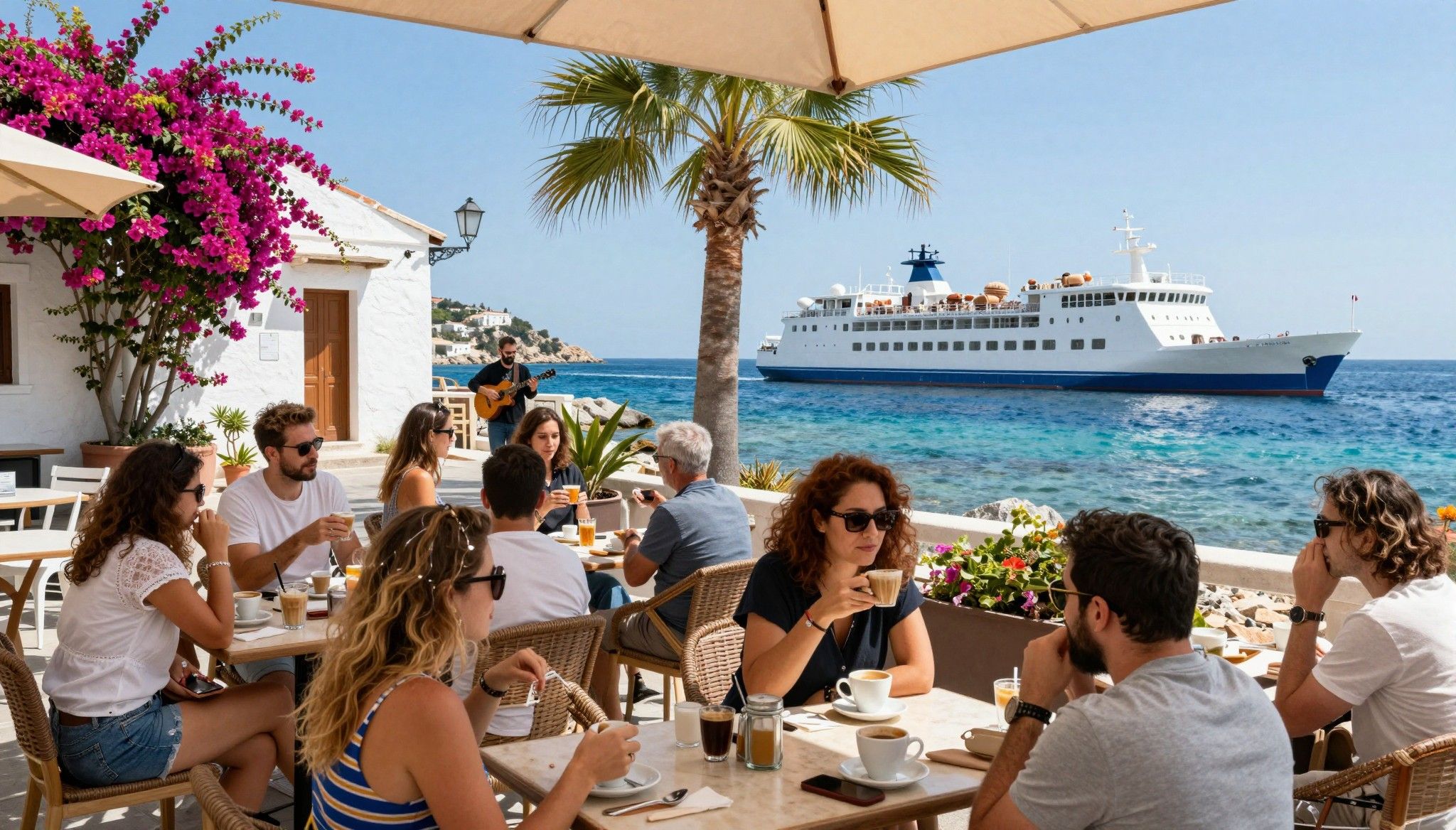
Malta is compact — every errand feels small and human. Mornings start with espresso at a local kafè, afternoons drift toward the sea or the piazza, and evenings mean neighbourhood festas, rooftop aperitifs or co-working in converted townhouses. The rhythm is Mediterranean: social, sunlit, and surprisingly practical for digital nomads who want short commutes, reliable cafés for calls, and communities that remember your name.
Why the Three Cities (Birgu, Senglea, Cospicua) feel like living in a village by the sea
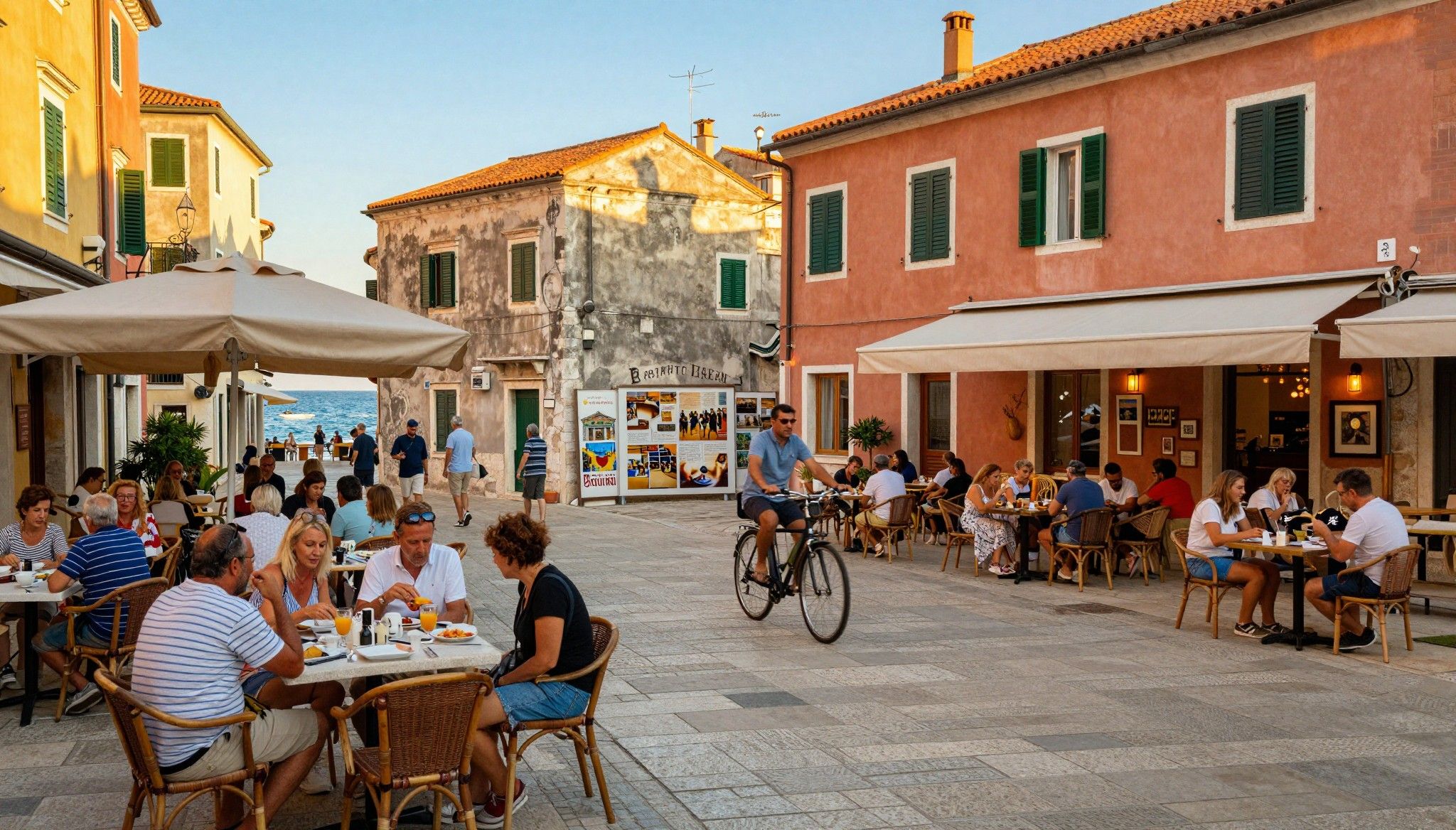
Walk Birgu’s narrow alleys and you’ll find tiny bakeries, harbourfront terraces, and bays where kids still swim from the rocks. The streets are the kind where shopkeepers know your inbox habits and cafes have spare power sockets. Compared with Sliema’s promenade, the Three Cities trade views of skyline cranes for a genuine sense of neighbourhood: local markets, parish events, and year‑round residents who anchor the community.
Food, cafés and late‑night rhythms that shape daily life
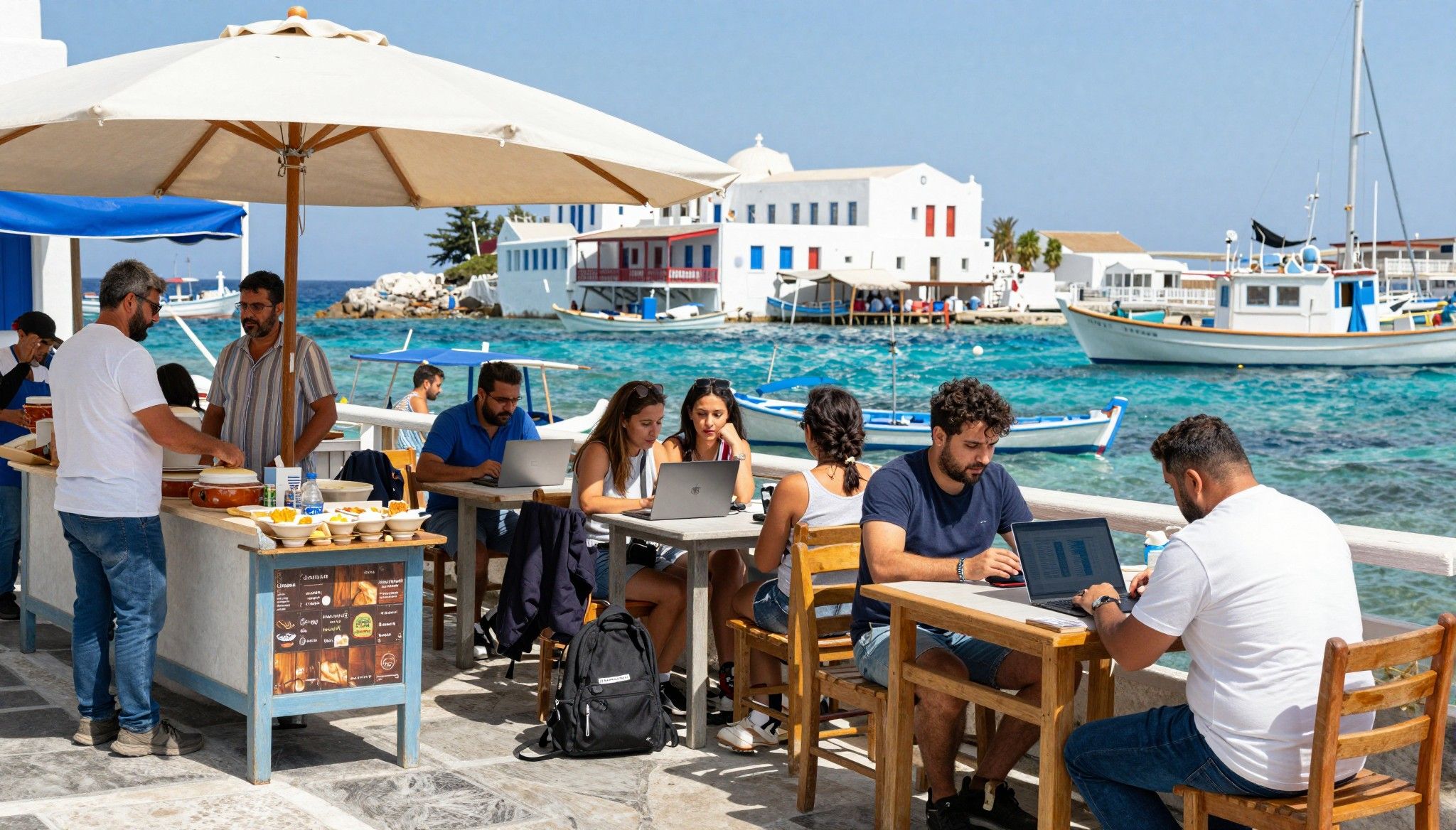
Malta’s food scene is island‑small and big on texture: ftira sandwiches at breakfast, fresh lampuki at market stalls, and seafood grill joints clustered by the water. In neighbourhoods like Gżira, St Julian’s and parts of Valletta you’ll find coworking cafes; in Birgu you’ll find fewer chains and more family-run spaces where a nod gets you a table and faster coffee during calls.
- Lifestyle highlights to look for when you house‑hunt in Malta
- Seawalk commute options (ferries between Sliema–Valletta and Three Cities)
- Neighbourhood festas and parish calendar (community integration)
- Local cafés with reliable power and quiet corners for calls (test one morning before committing)
Making the move: practical considerations that keep the dream liveable
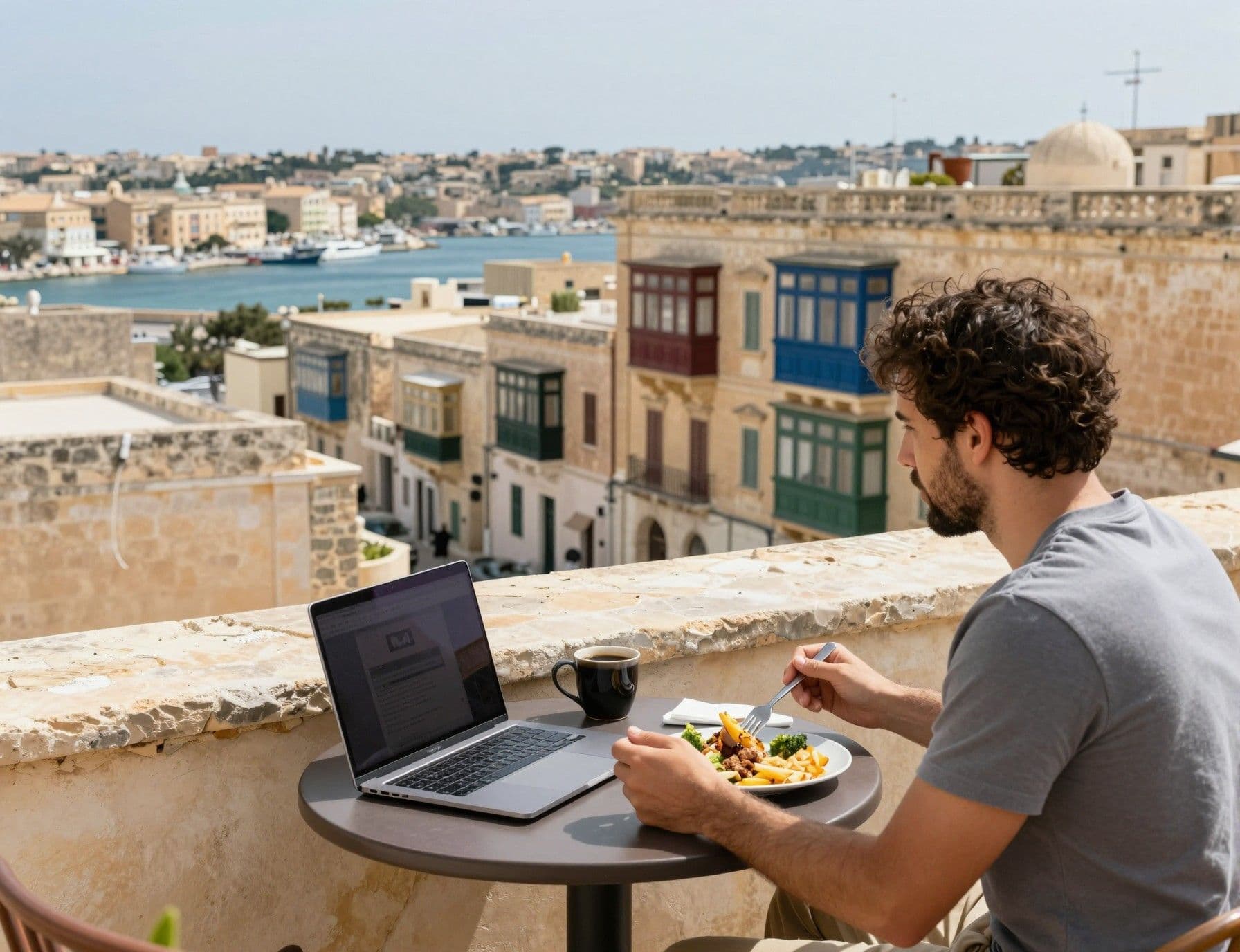
The romance of Malta is backed by data: the market has seen steady price growth and high demand in recent years, but growth is moderating as supply constraints and policy tweaks reshape opportunities. Use market reports to time your move, but don’t let headlines push you into touristy hotspots with overheated prices. Instead, focus on neighbourhood fundamentals — walkability, internet, and community — which deliver better lifestyle ROI.
Property styles and how they map to daily life
From airy Valletta townhouses with internal courtyards, to modern apartments on the Sliema promenade and rustic maisonettes in Mdina, each property type shapes your day. A maisonette with a terrace gives weekday outdoor workbreaks; a Valletta townhouse may require stairs but rewards you with cultural events outside your door. Check the NSO price indices to compare how different property types have trended recently before you set your budget.
Working with local experts who know where life actually happens
A good local agent does more than show listings — they point out which cafés have reliable Wi‑Fi, which streets are quiet after 8pm, and where neighbours host community dinners. Ask agents for a day‑in‑the‑life walk: test morning coffee, midday grocery run, and an evening commute. Agencies with strong local networks help you secure hidden gems off the main portals.
- Lifestyle + practical checklist before making an offer
- Spend one full weekday in the neighbourhood (work from a local café and test mobile signal)
- Confirm internet speeds and ask for past bills or provider contacts (upload speeds matter for calls)
- Request a community map from your agent: nearest supermarket, pharmacy, health centre, ferry stops
- Check seasonal noise: attend an evening festa or weekend market to observe real rhythms
Insider knowledge: what expats wish they'd known before buying
Expats often expect a holiday vibe but find a living culture: parish schedules, weekday rhythms and local bureaucracy. People who integrate join clubs, volunteer at festas, or simply buy coffee from the same bar every morning. That’s how you move from a short‑stay mindset to a community resident, and that social capital pays off when you need local advice or a trustworthy contractor.
Language, social customs and making a neighbourhood feel like home
English is an official language in Malta, which flattens many barriers. Still, small gestures — learning a few Maltese phrases, attending a festa, or shopping locally — open doors. Expect warm, direct social interactions: neighbours may be curious but helpful. For remote workers, joining coworking spaces in Sliema or Gżira accelerates community building.
Long‑term living: what keeps owners happy after the move
Owners who stay love short commutes, outdoor dinners year‑round, and the small‑town familiarity inside a European capital. If you plan to rent, note Malta’s rental market tightness and rising rents reported in market surveys; if you plan to live there, focus on community fit and day‑to‑day convenience more than headline ROI.
- Red flags and real trade‑offs to watch for
- Properties marketed as 'sea‑view' but with tiny terraces — visit at different times to test noise and wind
- New developments in dense pockets — check contractor reputation and drainage plans
- Assume summertime tourist flux in some neighbourhoods; test a shoulder season visit
Conclusion: love the lifestyle, plan the life. Start with a neighbourhood, not a listing.
If Malta’s postcard beaches and festivals seduce you, take the practical next step: spend a week living like a local in two contrasting neighbourhoods (one tourist‑facing, one resident) then work with an agent who can show you both market data and where neighbours actually shop. That’s how you buy a home that gives you the life you imagined — and the community that keeps it real.
Quick sources and further reading
Use these official and industry sources to cross‑check price trends, rental data, and market outlook before making offers.
Swedish, relocated to Marbella in 2018 to chase sun and property freedom. Focus on legal navigation and tax for Nordic buyers.