Croatia Title Traps: 9 Legal Checks Before You Sign
Fall for Croatia’s cafes, coves and coworking — but check the land registry, notary paperwork and transfer tax (typically 3%) before you buy.
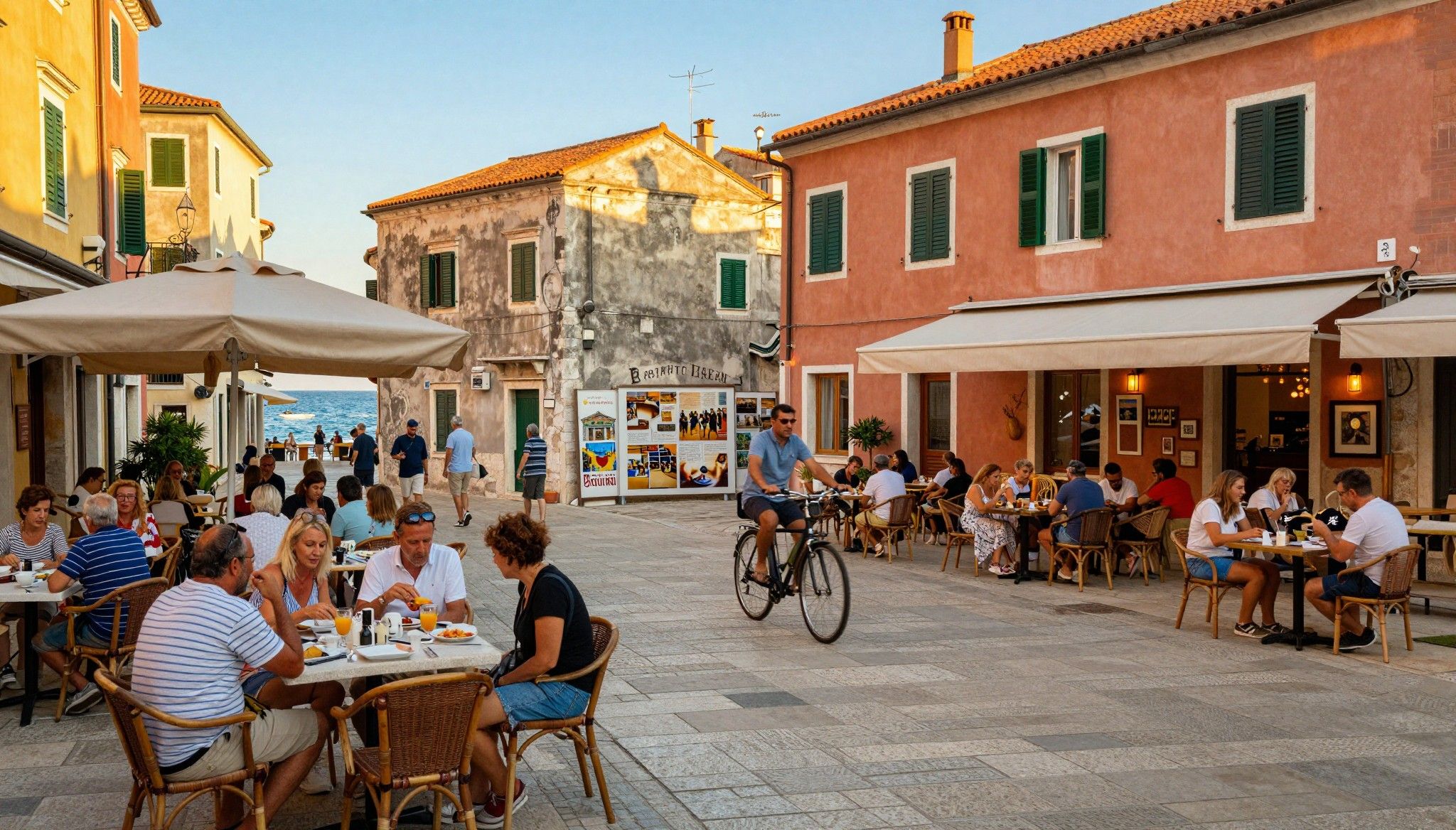
Imagine stepping out of a stone‑paved square in Rovinj at dawn, espresso in hand, with a coworking day ahead and the Adriatic on your lunch break. Croatia feels like a string of cinematic moments: medieval alleys in Dubrovnik, pine‑fringed coves in Istria, and quiet inland villages where market stalls smell of fresh figs. But behind that postcard calm lies a legal landscape that trips up international buyers who treat the process like a holiday purchase. This guide mixes the sensory love letter to life here with the exact legal checks that protect your purchase — so you can buy the life, and keep it.
Living the Croatia life — mornings, markets and work
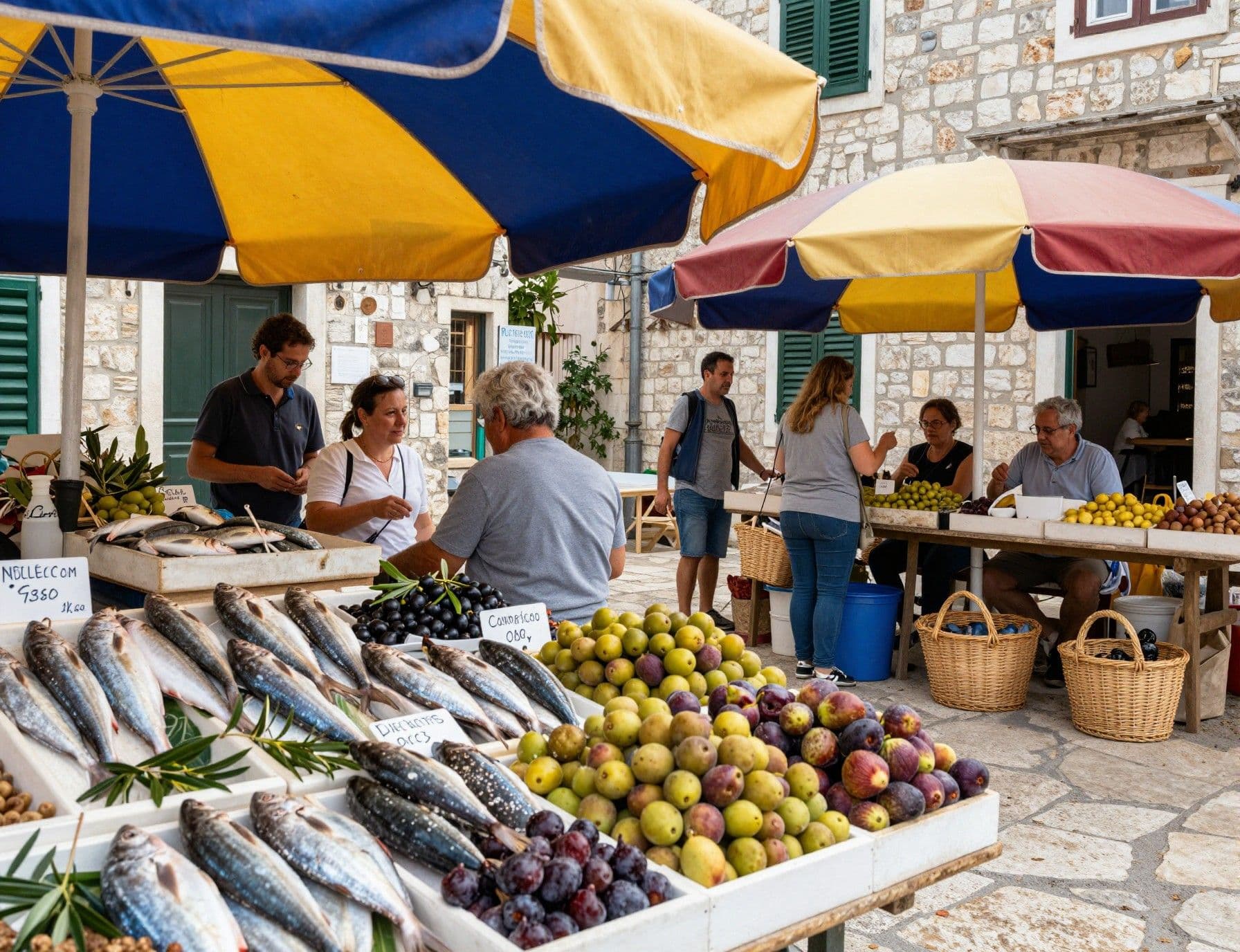
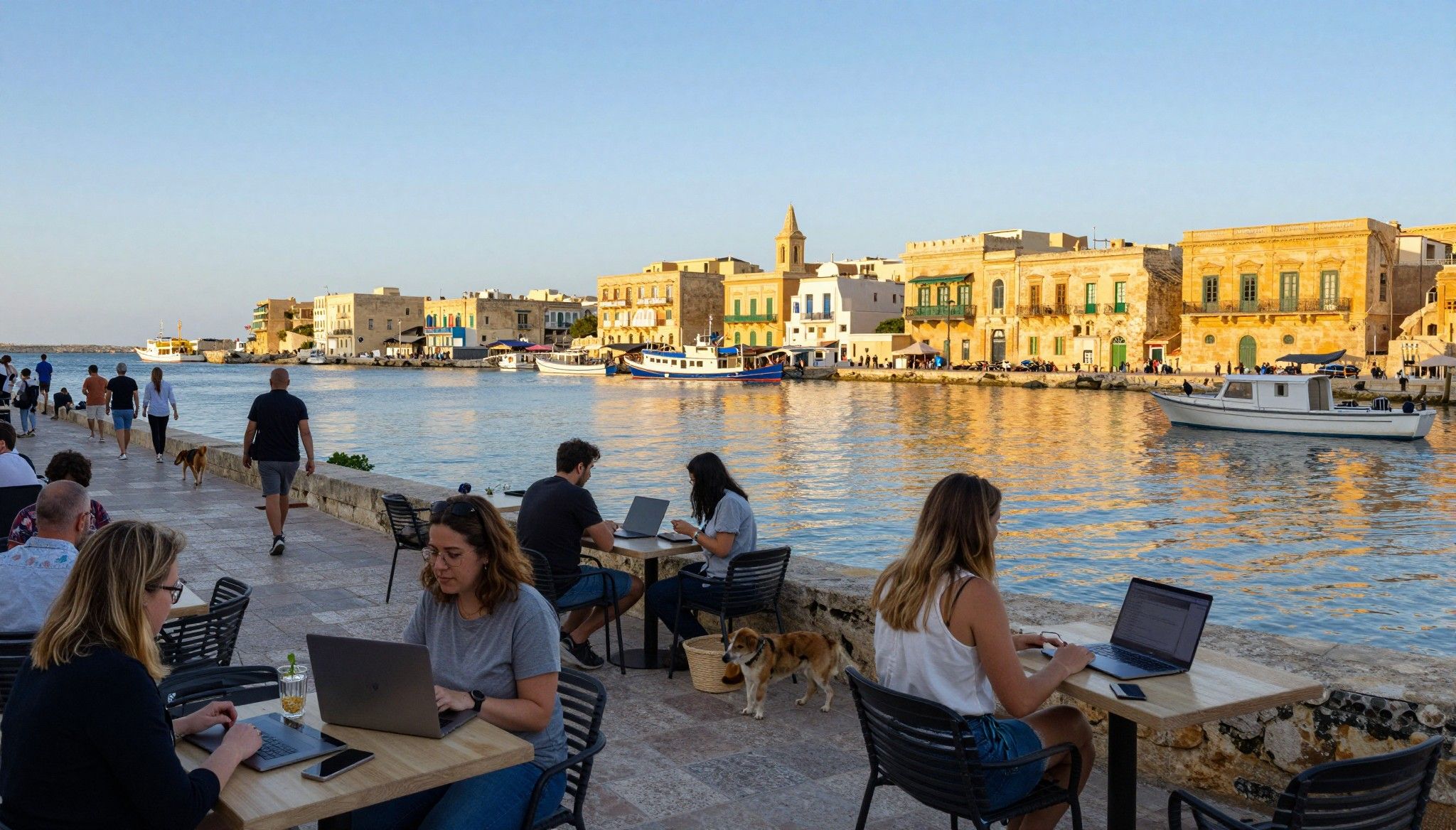
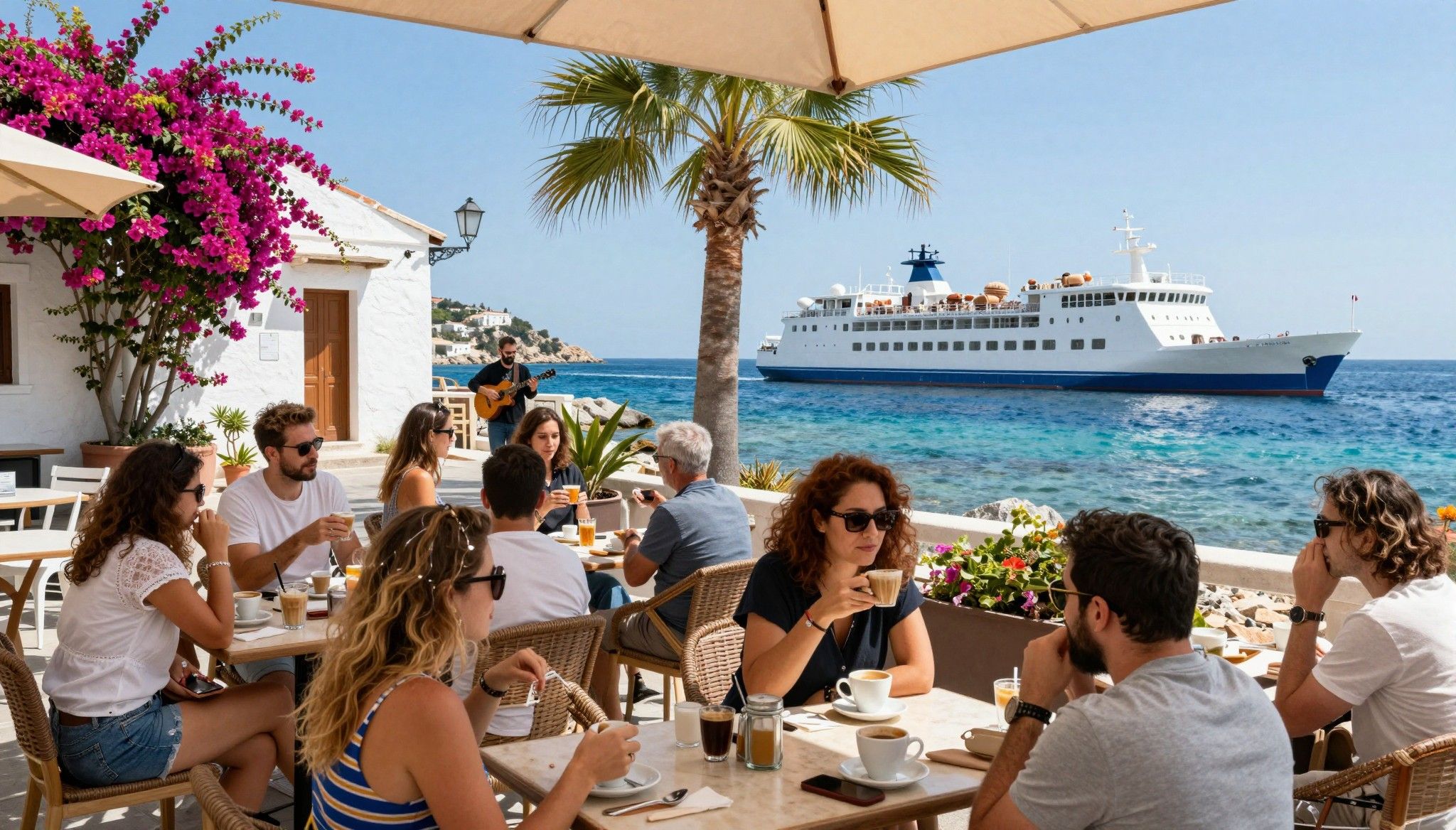
Morning routines in Croatia set the tone: a bakery run on Ilica street in Zagreb, a swift ferry ride to Hvar at sunrise, or a seaside jog along Split’s Riva before emails. Neighborhoods shape how you’ll live: coastal towns pitch outdoor dining and sea breezes as daily necessities; inland towns trade that for larger gardens and lower prices. If you daydream about alfresco workdays, prioritize properties with terraces, reliable internet, and short walks to cafés or coworking hubs.
Rovinj & Poreč (Istria): cafe culture and creative communities
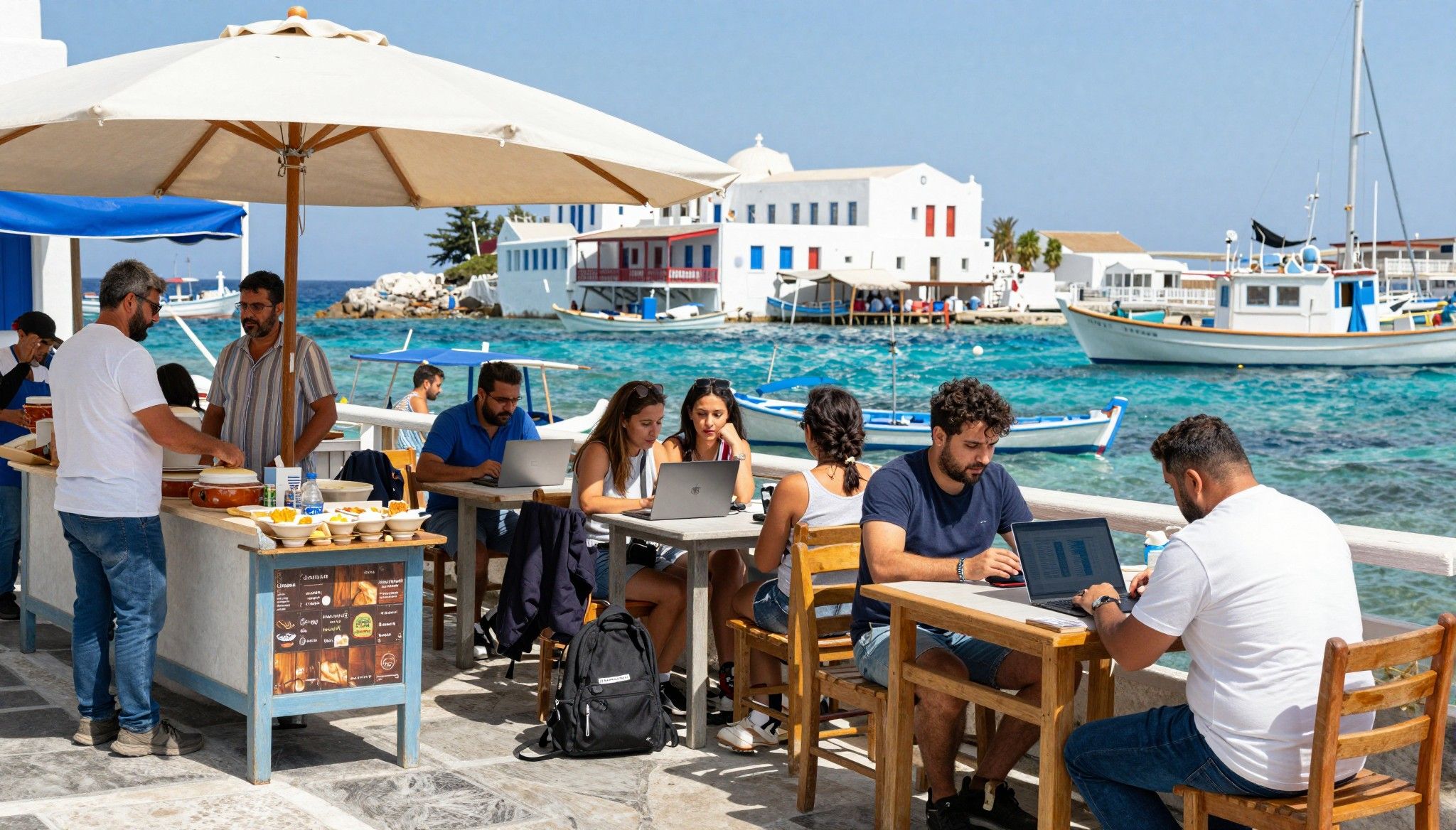
In Rovinj you’ll find cobbled lanes, galleries and expats who cycle to the harbour for weekend hikes. Poreč mixes family life with a growing digital‑nomad crowd and reliable ferry links to Italy. Both towns have boutique cafés — like a sunny spot off Trg Maršala Tita in Rovinj — where you can plug in, meet other remote workers, and test if the wifi actually keeps up with video calls. These are the neighborhoods where lifestyle and remote‑work practicality align.
Split & Bol (Dalmatia): day trips, beaches and late nights
Split’s Diocletian‑era center combines nightlife and fast transport connections, while Bol on Brač gives slow mornings and windsurfing afternoons. Both attract seasonal rental demand — great for side‑income but also meaning noise and higher summer prices. If you want the balance of island calm and mainland services, look for homes a short drive from the main town rather than front‑row tourist blocks.
- Lifestyle highlights worth mapping before you buy
- Morning espresso at Dolac Market (Zagreb); afternoon sail from Split harbor; weekend truffle hunts in Istria; island hopping from Zadar; coworking meetups in Dubrovnik; local seafood at a konoba off the main promenade.
Making the move: practical checks that protect the dream

The lifestyle is the lure; the process is the gatekeeper. Croatia treats property purchases as document‑driven transactions: the notary, the land registry (zemljišna knjiga), and correct tax handling are the three institutions that make or break your ownership. Many expats underestimate how long registry approvals or ministry consents can take — and that missteps in paperwork can turn a dream into a long‑term headache. Practical planning reduces stress and keeps your move on schedule.
Property types and the lifestyle they enable
A stone apartment in an old coastal town gives character and proximity to cafés, but expect smaller interiors and stricter renovation rules. New builds offer modern systems and easier remote‑work setups (ethernet points, AC, insulation), but may be priced for buyers who value turnkey convenience. Match property type to how you actually spend days — terrace space for alfresco work, a separate room for a home office, or storage for sports gear if you’ll chase outdoorsy weekends.
Work with local experts who know how Croatians live
Hire a Croatian lawyer early — not as an optional extra. A local lawyer or notary checks land registry extracts, verifies seller succession records, confirms utility status and zoning, and translates legalese. Real estate agents can point you to lifestyle matches, but only a notary and lawyer make ownership legally watertight. Expect combined legal and notary fees — typically a modest percentage of the price — well worth the peace of mind.
- Practical step‑by‑step: buying with lifestyle in mind
- 1) shortlist neighborhoods after a 7–10 day on‑the‑ground stay to test wifi, cafés and noise levels; 2) get a land registry extract (zemljišna knjiga) and cadastral plan to confirm ownership; 3) instruct a Croatian lawyer to run title, heirs, and encumbrances checks; 4) sign a preliminary contract with deposit, conditional on clear title and registry entry; 5) complete notary purchase contract, pay transfer tax or VAT as applicable, and register ownership.
Insider knowledge: red flags, quirks and things expats miss
Croatia’s land registry is the single most decisive source — but it can be messy. Old succession cases, unregistered renovations, and mismatched cadastral vs. registry boundaries are common. I’ve seen buyers seduced by a sea view only to discover an unregistered annex or a missing access easement. Treat the land registry as gospel: if it’s not on paper, it doesn’t legally exist for ownership purposes.
Cultural and procedural quirks that affect legal checks
Language matters. Contracts, official extracts and tax paperwork are in Croatian; certified translations or an interpreter at signing are often required. Sellers sometimes promise verbal guarantees — ignore them unless they’re in the notarized contract. Also, farming and forest land have had moratoria and special rules historically, so if the plot borders agricultural land, expect extra approvals or restrictions.
Long view: what happy expat buyers do differently
The best buyers blend romance with paperwork. They live locally before signing, build a small local team (agent, lawyer, notary, property manager), and plan for seasons: test summers for noise and winters for heating and access. They also budget for transfer tax (typically 3% if VAT is not charged), notary fees, and potential renovation costs. These small investments in due diligence protect both your wallet and your future weekends on the Adriatic.
- Red flags to walk away from
- Missing land registry extract; seller can’t provide ID or proof of heirs; promises of future registry ‘fixes’ after sale; large unpermitted extensions; unclear access roads or easements.
Buying in Croatia mixes a Mediterranean rhythm with careful legal choreography. If you love morning markets, island hops, and a slow pace, protect that future by insisting on clear land‑registry title, a trusted Croatian lawyer, and a notary who files the contract correctly. Next step: book a focused 7–10 day scouting trip, bring a shortlist of properties and an instruction to your lawyer to pull registry extracts before any deposit. Doing the paperwork well means you’ll be free to enjoy the espresso, the coast, and the community — without legal hangovers.
Dutch investment strategist guiding buyers to Greece and Spain; practical financing, tax, and portfolio diversification.