Greece: Lifestyle First, Visa Realities Next
Fall in love with Greece’s light, markets and cafe-work culture — then match that lifestyle to current Golden Visa tiers and digital-nomad rules before you buy.

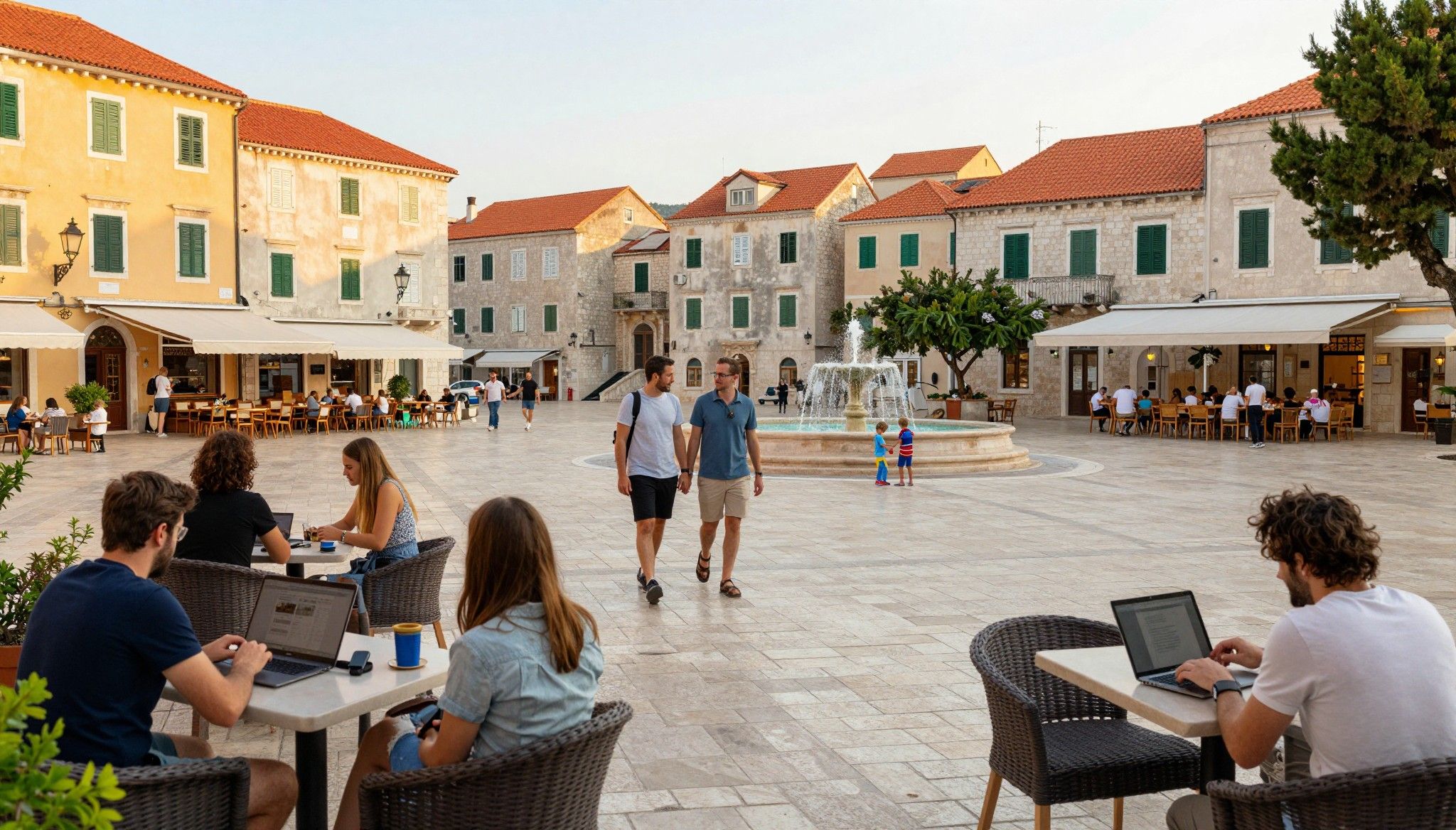
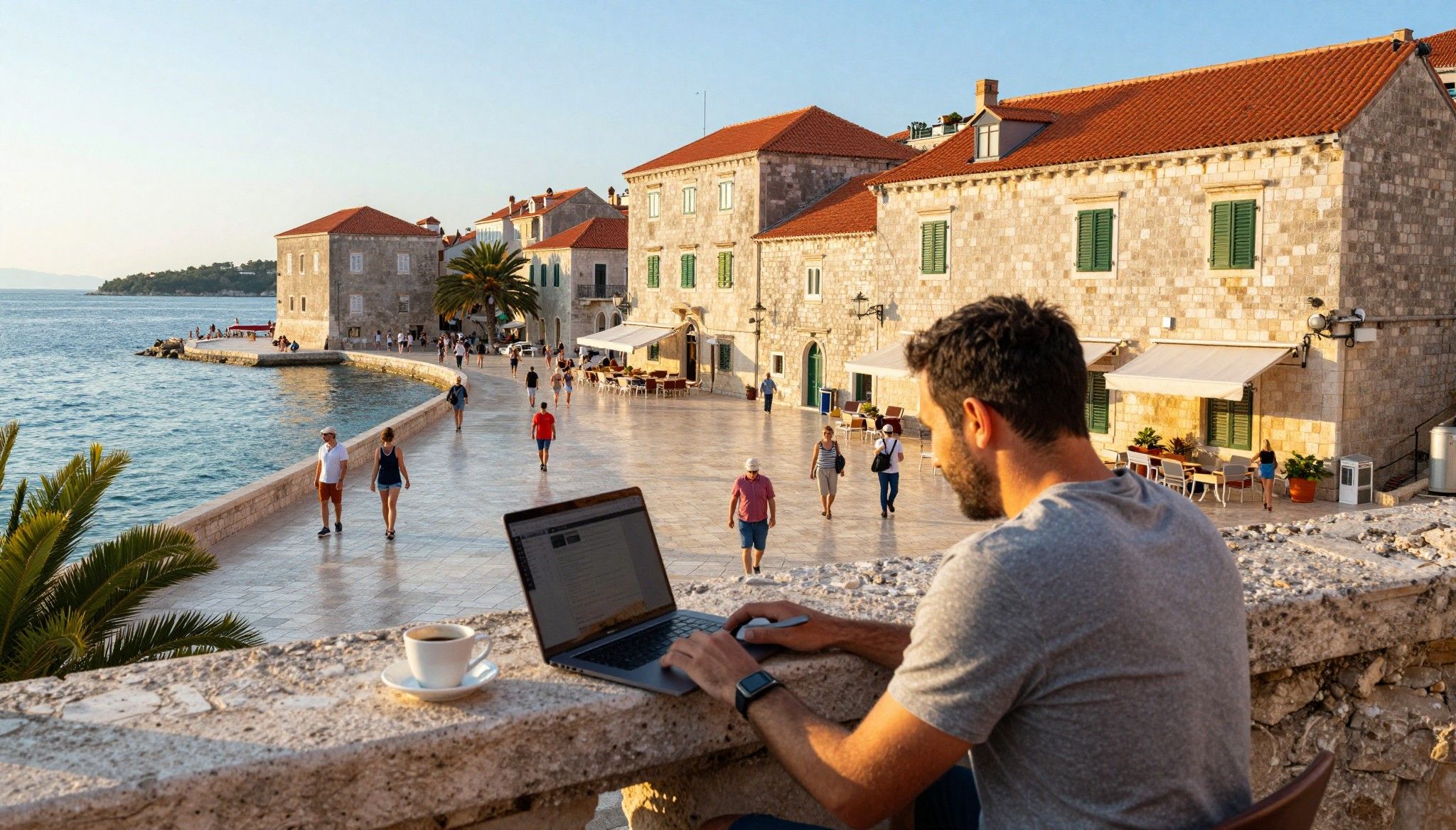
Imagine sipping a morning freddo espresso on a sunlit terrace in Plaka, then logging on for a few productive hours while the Acropolis basks in late-morning light. Greece moves at an easy, alive rhythm — markets, kafeneia, and tavernas punctuate the day. But beyond the postcard beaches and ancient stones, visa rules and recent policy shifts changed the calculus for buyers and nomads. This piece stitches the Greek lifestyle to the real rules you need to know so you can fall for the place and buy with confidence.
Living the Greece lifestyle
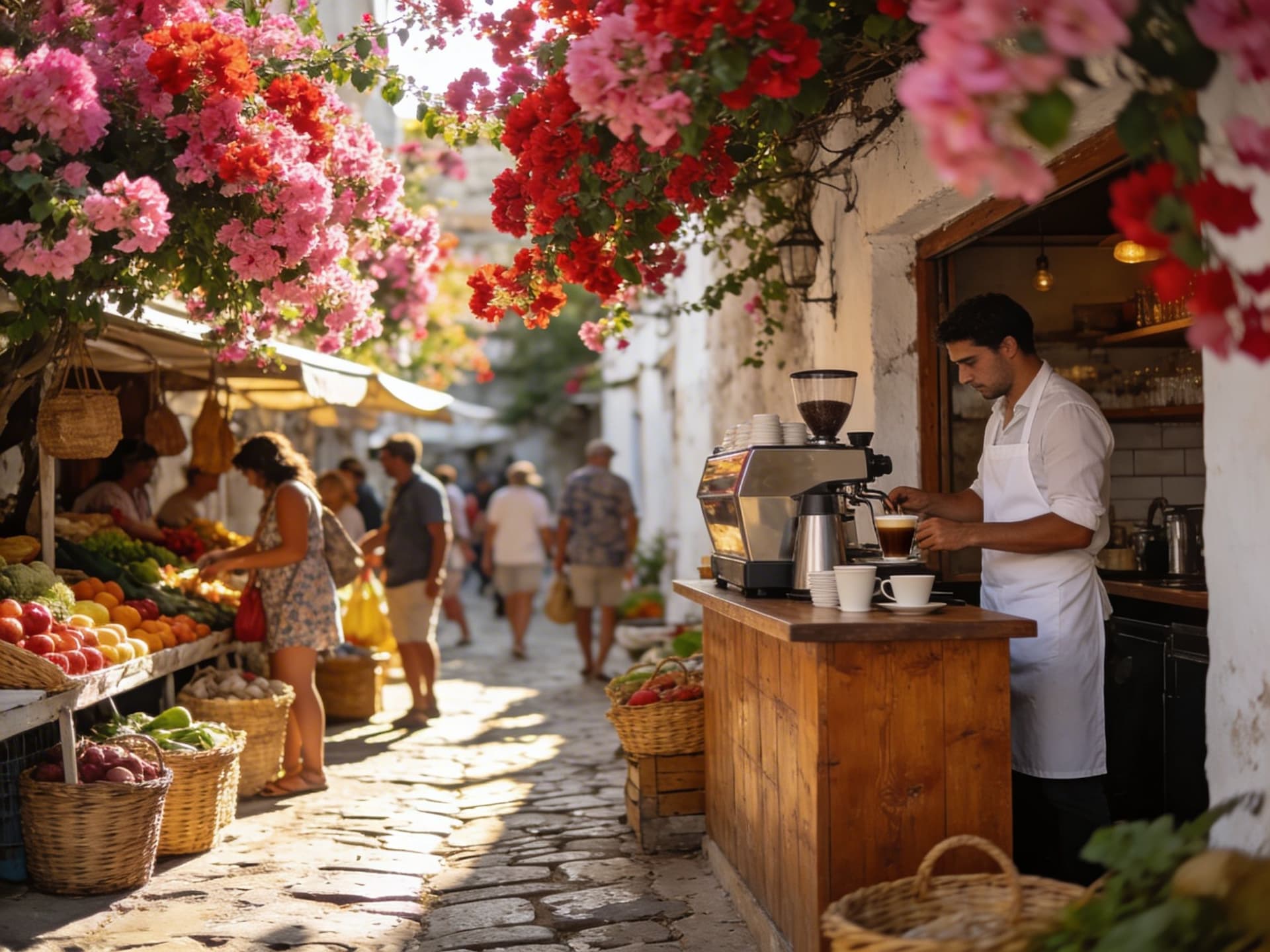
Greece is both intimate and dramatic: cobbled alleys in Chania, sun-drenched cafes in Glyfada, and wind-swept cliffs in Naxos. Days here are built around food and community — a long breakfast, fresh-market shopping, and late dinners under bougainvillea. For nomads, that translates to multiple outdoor work spots, a vibrant cafe culture with reliable Wi‑Fi in many coastal towns, and small coworking hubs in Athens and Thessaloniki. The vibe changes from island slow to city-hustle in an hour; pick the tempo that fits your workday.
Athens, islands and pocket neighborhoods
Athens is a layered city — Psyrri and Koukaki for creative cafés and rooftop terraces, Kolonaki for polished boutiques and quieter streets, and Glyfada for seaside apartment life with marinas nearby. On the islands, look beyond Mykonos and Santorini: Paros and Naxos offer authentic villages, slower summers and real local communities where you can actually find a long-term rental. Streets like Adrianou in Plaka or Syntagma’s side lanes have that lived-in charm but remember: convenience (supermarkets, clinics, coworking) matters more than view when you’ll be living and working year-round.
Food, rituals and the weekend tempo
Weekends mean markets: smell of grilled octopus at Thessaloniki’s Modiano, piles of citrus in local stalls, and slow afternoon swims followed by ouzo at a seaside taverna. Festivals — local panigiria or cultural nights in Nafplio — flip neighborhoods into communal living rooms. For buyers, that cultural density is priceless but also a signal: areas with thriving local life often have steadier year-round rental demand and stronger community ties, which matters for long-term value and ease of settling in.
- Morning freddo + terrace work in Koukaki (Athens)
- Weekly fish market run in Varvakios (Athens) or Modiano (Thessaloniki)
- Sunset swims and seaside coworking in Glyfada, Chania or Paros
Making the move: practical considerations
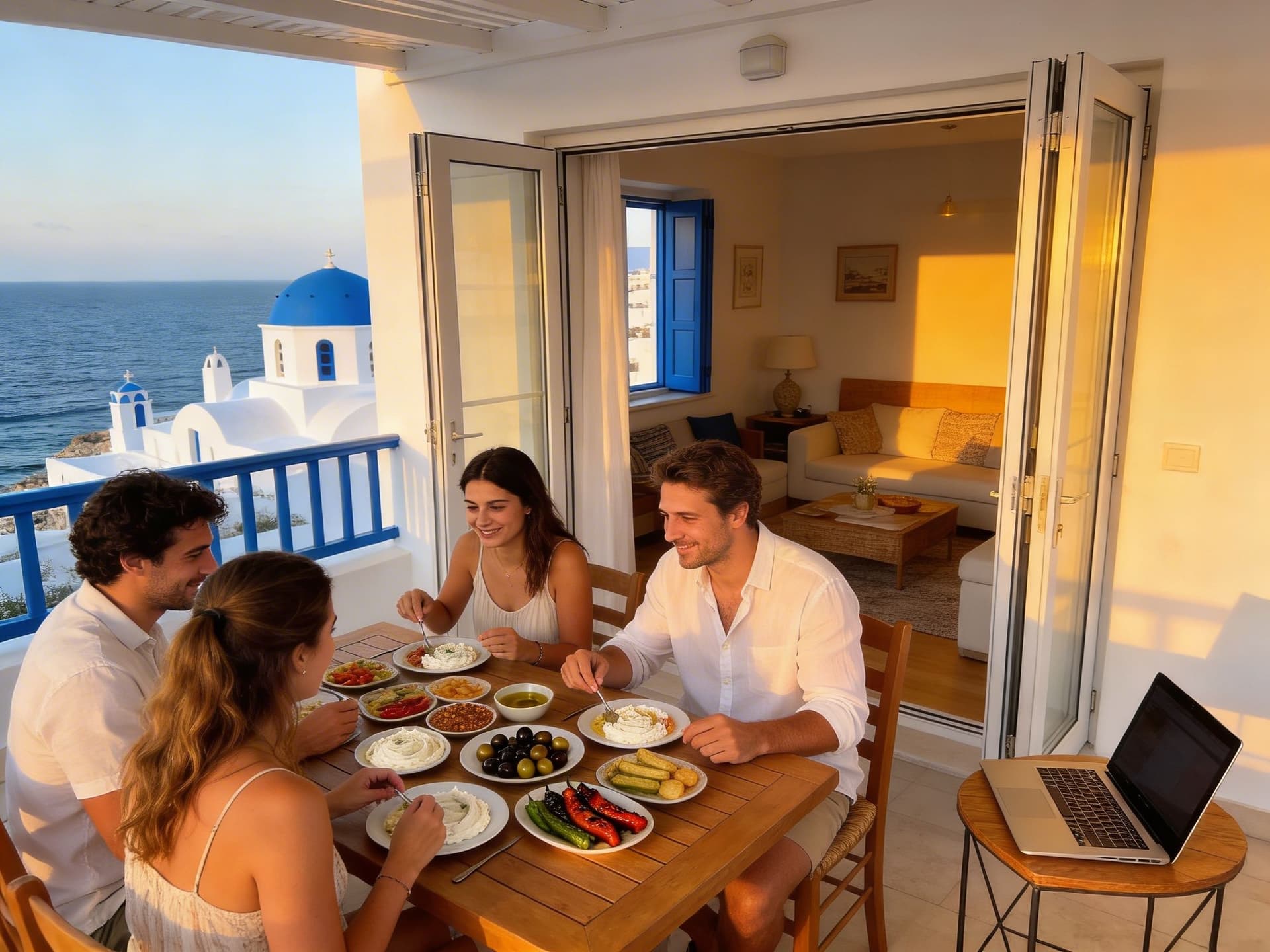
Your daydreams should meet legal reality early. Greece reworked its residency-through-investment rules in 2024, creating tiers that raised minimum property thresholds in hot zones like Attica and popular islands. That matters if you were counting on a budget-friendly Golden Visa route — new thresholds push many buyers to look farther afield or into conversion/restoration projects that still qualify at lower amounts. Always check current thresholds before you plan offers; policies have been evolving and will affect where value still exists.
Property types and how you'll actually live
Stone-built island houses, neoclassical Athens flats, and modern seaside condos each shape daily life differently. A restored neoclassical in Koukaki offers high ceilings, a nearby cafe culture, and walkability — great for social life but trickier (and costlier) on insulation and wiring for remote work. A modern Glyfada apartment gives stable internet and parking, ideal for hybrid commuters. Look at plumbing, AC capacity, and window orientation — Mediterranean summers demand thoughtful climate adaptations which affect renovation budgets.
Working with local experts who match lifestyle to law
Local agents who live the neighborhood will save you time (and heartbreak). You need someone who understands island transport logistics, residency paperwork, and seasonal renting norms. Good agencies pair lifestyle scouting (where you’ll actually want to spend mornings and weekends) with legal partners who track Golden Visa, digital-nomad and residency changes. Treat your agent as a lifestyle-matchmaker — ask for recent client references who moved for similar reasons (remote work, family or retirement).
- Check Golden Visa zone tiers, then shortlist neighbourhoods that fit your daily rhythm (work spots, groceries, healthcare).
- Confirm internet speeds and back-up power options for each property — ask for recent speed tests and router setup.
- Run a renovation visibility check — get quotes for AC, electrical grounding, and water pressure fixes before offer.
Insider knowledge: what expats wish they'd known
Expatels tell a common story: they fell in love with a view, then learned the real costs of living there year-round. Summer rents can mask off-season vacancy, while buying in a tourist hotspot often brings higher maintenance rules and limits on short-term letting. Meanwhile, Greece’s digital-nomad framework (and consular application routes) can be an excellent non-investment path for remote workers — but rules on income thresholds and application location changed, so don’t rely on old checklists.
Cultural rhythms and community integration
Greeks place heavy value on small social networks: neighbors, kafeneio regulars, and local shop owners become your daily support. Learning a handful of phrases goes a long way; showing up to the weekly market makes you known. For nomads, joining language cafes, local volunteer events, or expatriate meetups (in Athens, Thessaloniki or island hubs) quickly turns acquaintances into friends. That social capital matters when you need a plumber at 8am or a trusted property manager while you travel.
Long-term lifestyle and practical forethought
Think five years ahead: will you want to rent when you travel? Are you prepared for island ferry logistics in winter? Consider healthcare access, local tax residency rules, and utility seasonality — winter heating or summer electricity bills can surprise newcomers. Plan for a flexible home office (quiet room, blackout curtains, UPS for power) so the romance of sea views never compromises your workday.
- Join a local coworking or café community before buying to test routines and commute times.
- Rent for 3–6 months in your target neighborhood to feel seasonality and services.
- Prioritize a property with a quiet work nook and good natural light over a larger but noisier sea-view terrace.
Greece is a place you live, not just visit. The light, the markets, the way evenings stretch — these shape daily life in ways a photo never can. If you pair that sensory love with up-to-date visa knowledge and a local agent who understands nomad needs, you’ll convert an idea into a sustainable life abroad. Start by testing the neighborhood rhythm, confirm current Golden Visa or Digital Nomad rules with a lawyer or consulate, then let local expertise match you to a property that fits both your work and your weekend.
British expat who moved from Manchester to Mallorca in 2017. Specializes in market analysis and helping fellow Brit navigate local regulations.