Malta Neighbourhood Rhythms & Residency Realities
Malta blends sea‑scented daily life with concrete residency rules — learn which neighbourhoods fit nomad work rhythms and which property choices actually support long‑term living.
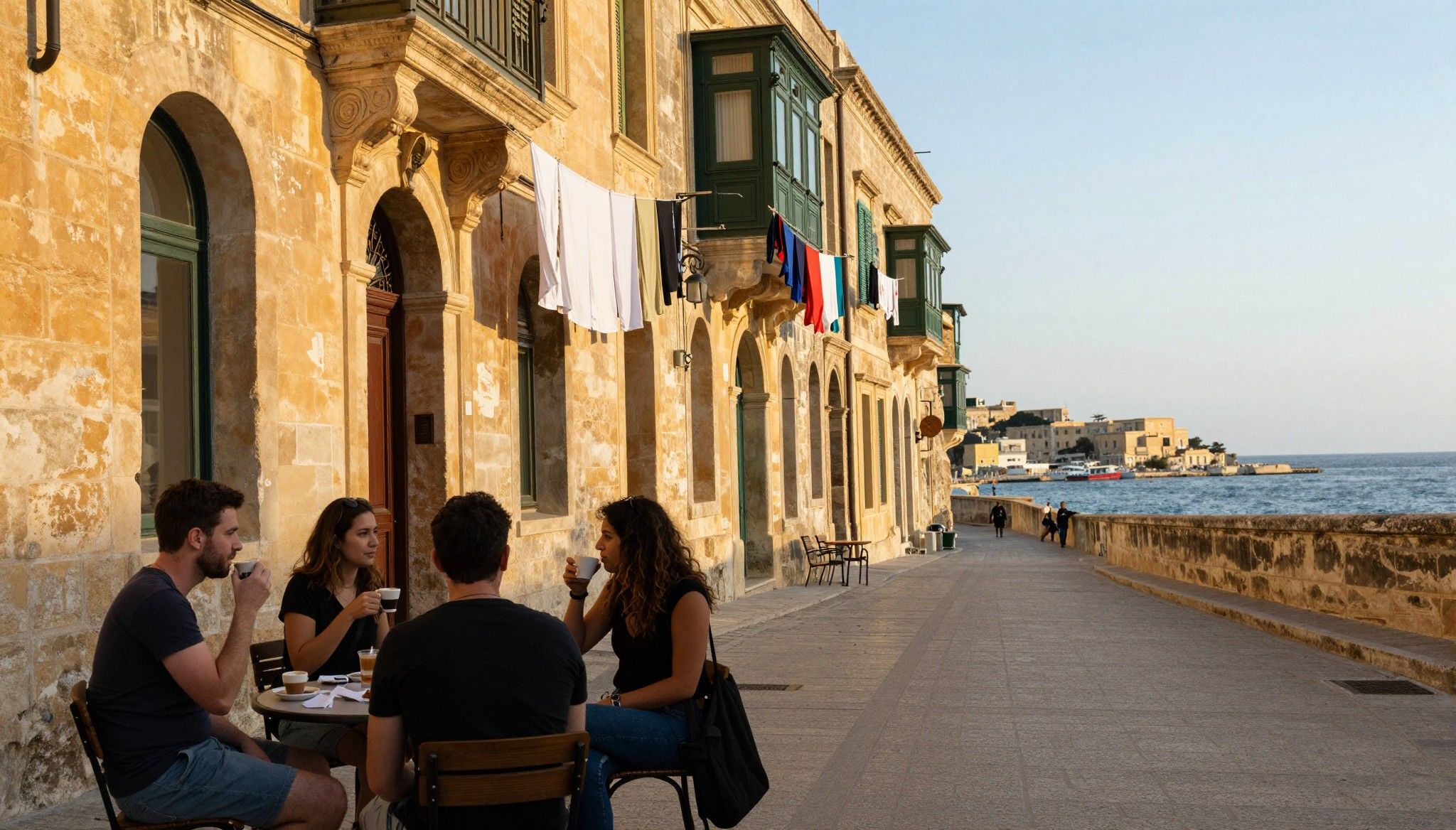
Imagine sipping espresso at a tiny table on Strait Street as fishermen carry crates of freshly caught lampuki past you. The limestone walls hold stories in every crack and the sea is never far — that sense of history, salt air and small‑town immediacy is Malta’s daily mood. For many nomads and international buyers this compact island promises beaches, cafés and coworking spots within a 20‑minute commute. But love at first sight must meet practical steps: residency rules, housing trends and local agents who know the quirks of Maltese property.
Living the Malta lifestyle
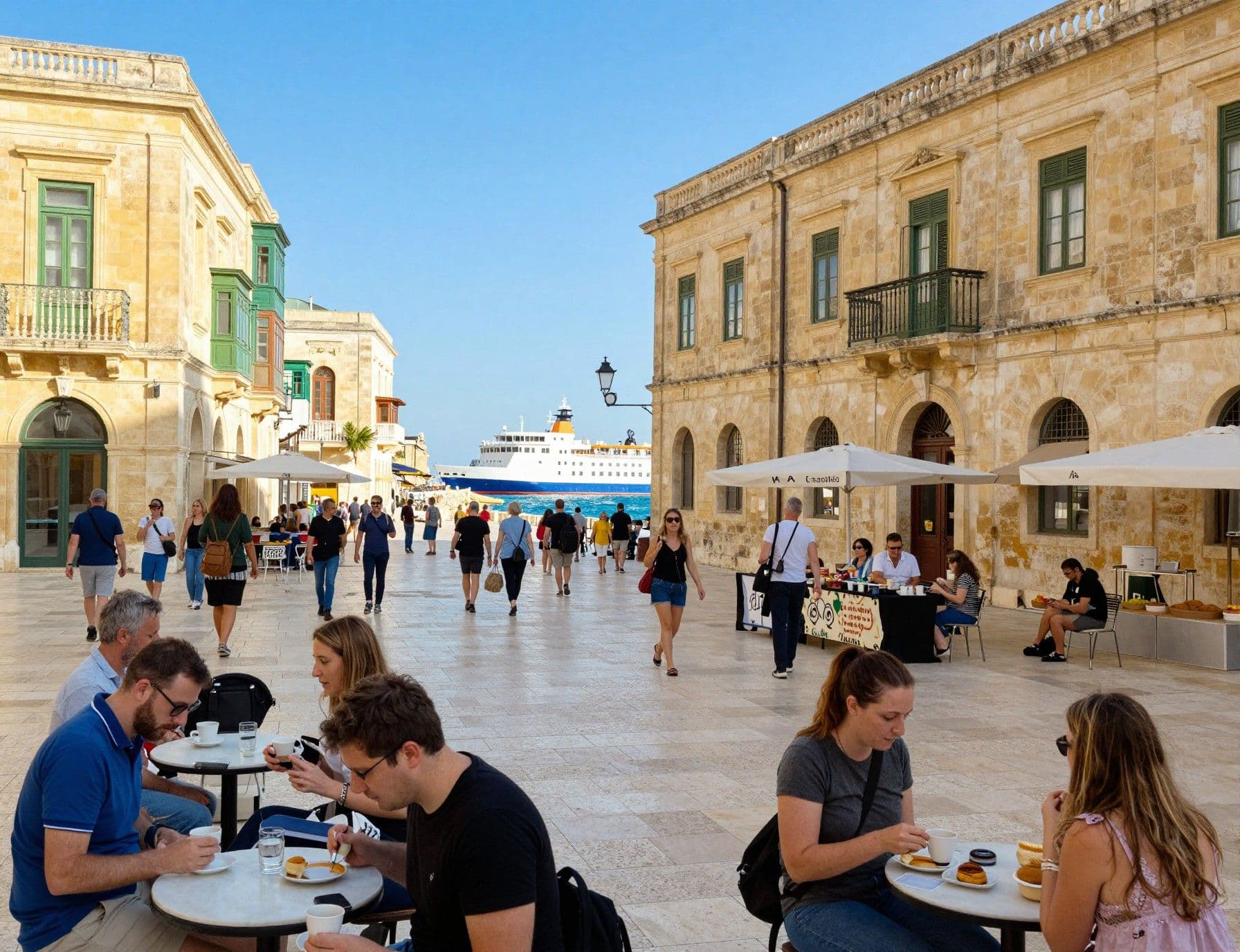
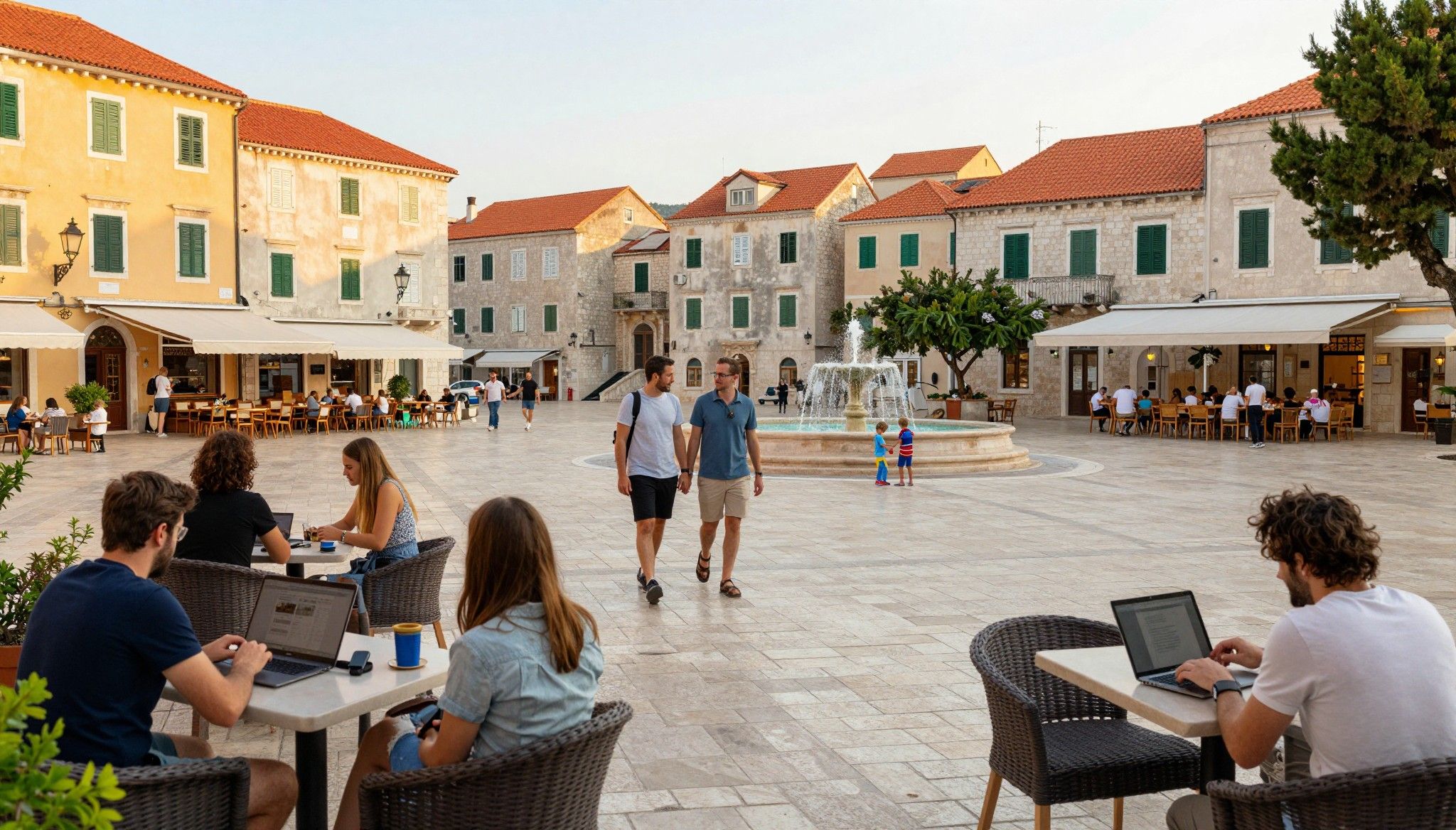
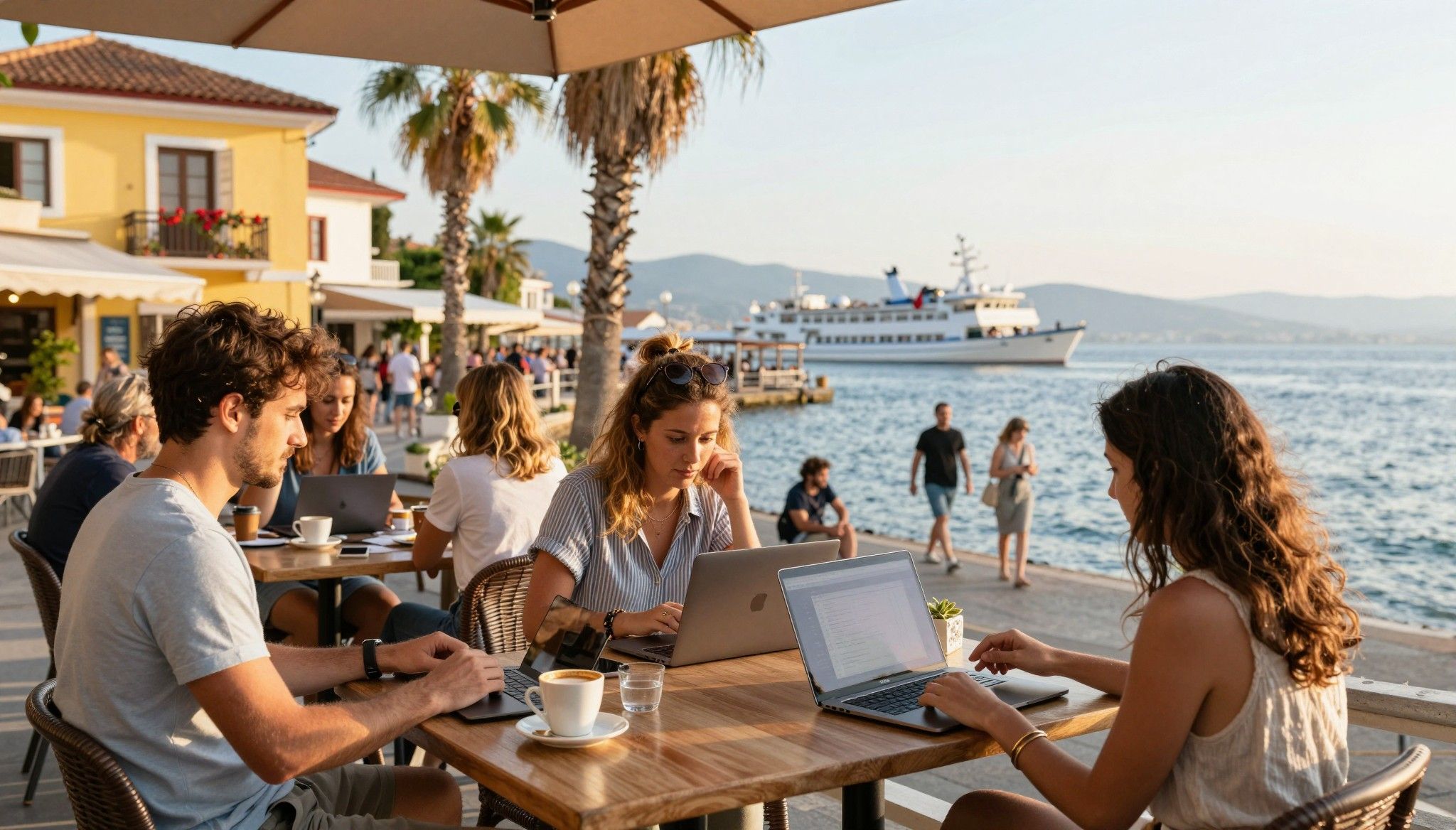
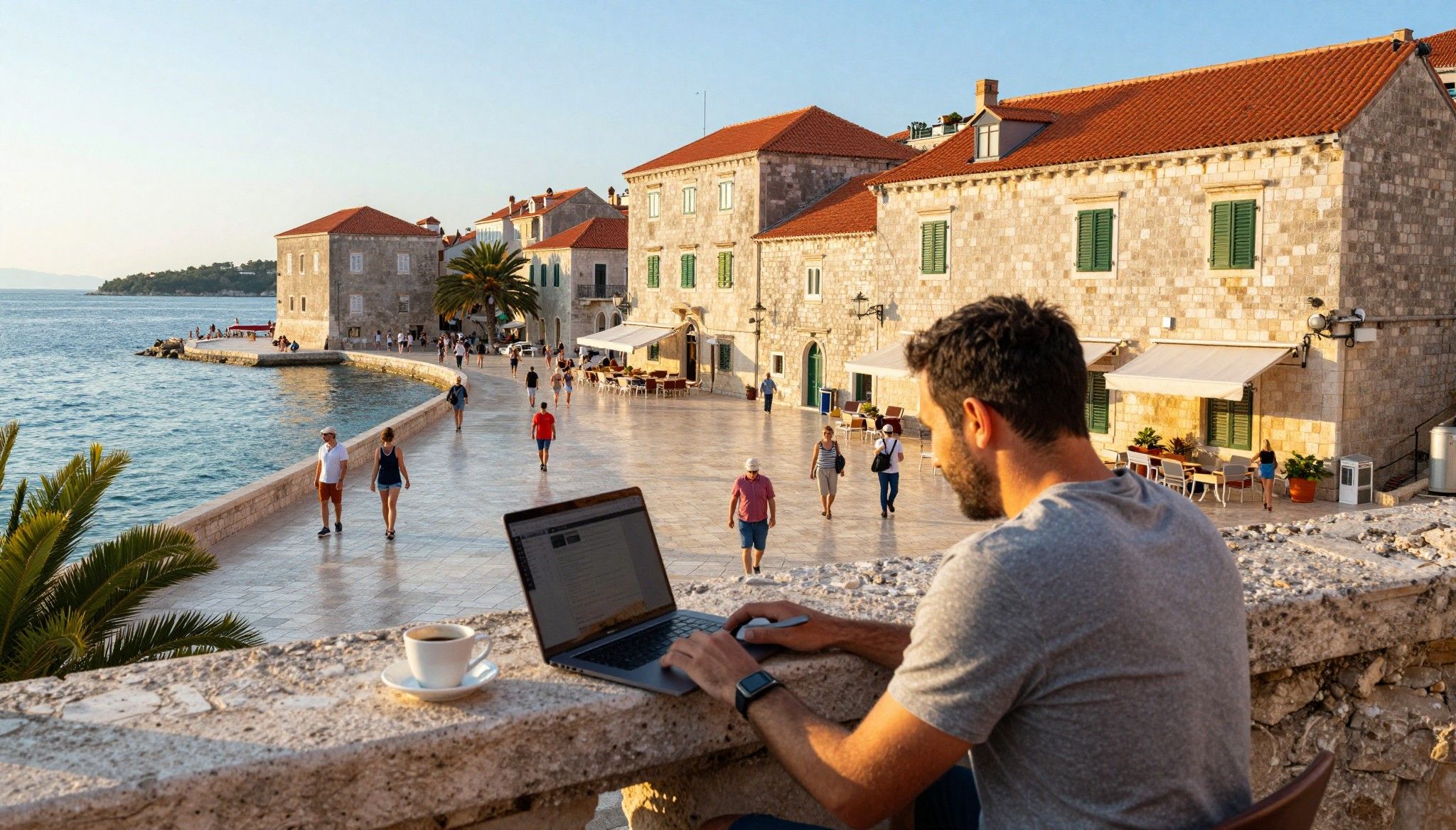
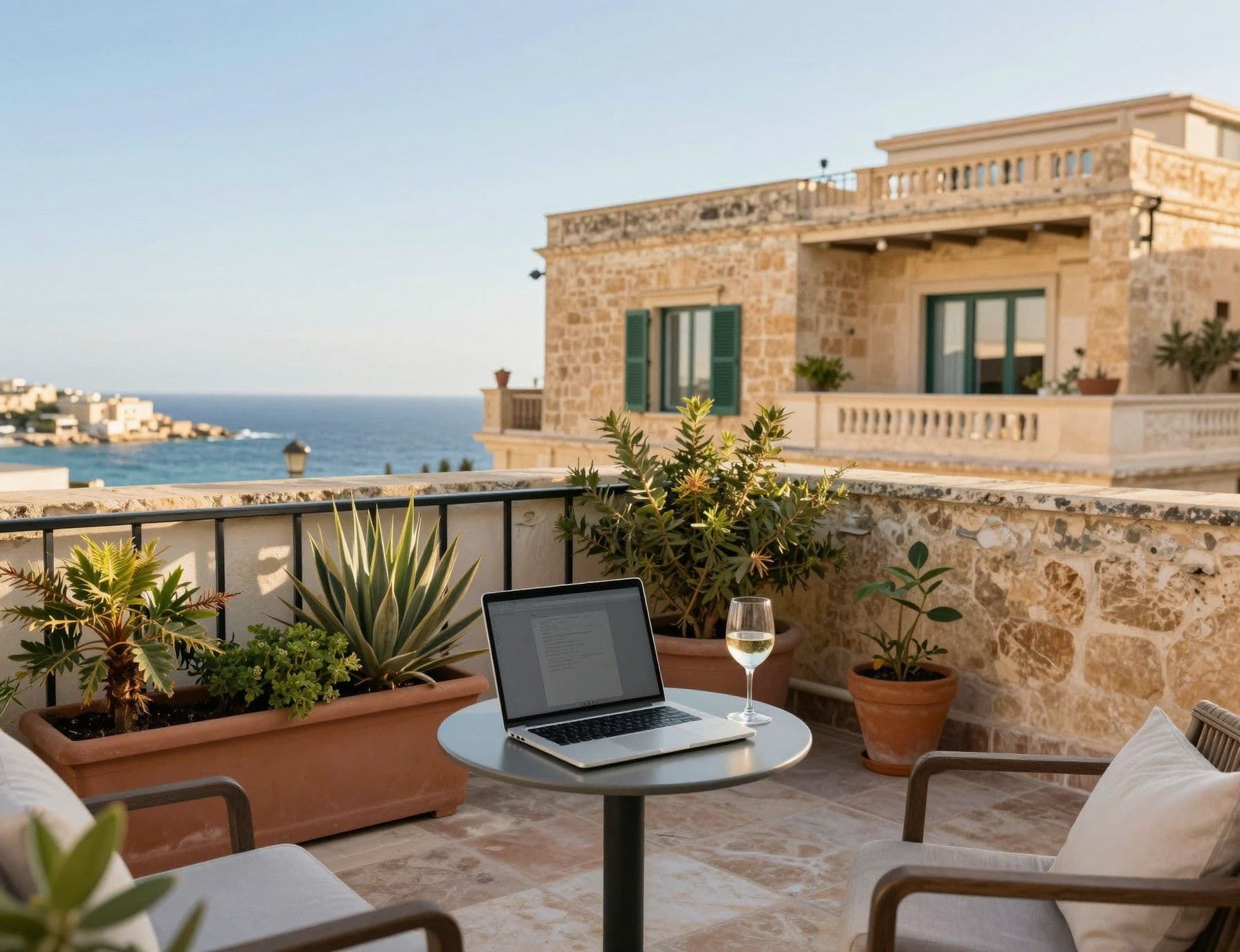
Malta is both postcard and pulse: golden terraces, narrow alleys, and nightlife that hums around Spinola Bay. Days are paced by outdoor cafés, late afternoon swims at Gnejna or Golden Bay, and aperitifs on Sliema promenades. English is an official language, which flattens the learning curve for many internationals — but Maltese social rhythms, family-first weekends and church festas shape how neighbourhoods feel. If you picture remote work life here, imagine laptop sessions in bright cafés, rooftop terraces with sea breezes, and neighbourhoods that reward walking, not driving.
Valletta, Sliema & St Julian’s: different energies
Valletta is marble‑bright and baroque — perfect if you crave history, compact apartments and cognitive stimulation at every corner. Sliema is the practical seaside hub — ferries to Valletta, coffee culture, and promenades that double as evening meeting places. St Julian’s (and Paceville next door) is livelier, with restaurants, co‑working cafes and a strong short‑stay rental market; it’s the natural pick for social nomads who want amenities on demand. Each area suits a different rhythm: choose Valletta for quiet charm, Sliema for daily convenience, and St Julian’s for nightlife and networking.
Food, markets and the weekend ritual
Weekends in Malta revolve around food — markets in Marsaxlokk with fish stalls, bakeries dishing out bigilla snacks, and family lunches of rabbit stew (fenek) in village piazzas. The café scene is both modern (third‑wave coffee shops in Sliema and Msida) and old‑school (bar‑cafés in Żabbar pouring espresso by the cup). For the nomad, this means reliable places to work, easy social invites and spontaneous invites to festas where neighbours bring out platters and live bands. These rituals shape where you’ll want to live: proximity to a favourite cafe or the Sunday market often trumps a bigger living room.
- Lifestyle highlights to fall for • Morning swim at St Peter’s Pool and espresso in Marsaxlokk • Golden Bay sunset walks followed by seafood at Mgarr • Coworking at The Hub or Impact Hub Malta, then aperitivo in Sliema • Festa nights in small villages — loud, communal and full of colour • Weekend ferry to Gozo for slower island pace and rural hikes
Making the move: practical considerations
Your lifestyle dream intersects with formal rules the moment you consider long stays. Malta’s residency pathways are varied — from EU/EEA freedom of movement to the Malta Permanent Residence Programme (MPRP) geared to non‑EU nationals that ties residency to property purchase or rental and financial thresholds. Residency doesn’t magically come with buying a studio; programmes have minimum property values, contribution fees and due‑diligence checks. Working with an agent who knows which programme fits your timeline saves months of back‑and‑forth and expensive mistakes.
Property styles that match nomad life
Apartments and maisonettes dominate Malta’s market — low‑maintenance, walkable and often with sun terraces that become your outdoor office. Converted townhouses in Mdina or Vittoriosa offer character and quiet courtyards, but expect stairs and restoration work. New developments along Sliema and St Julian’s lean modern and come with lift access and better parking. If fast internet and a reliable workspace matter, prioritise fibre availability, a sunny balcony for calls, and a quiet second room that converts to an office.
Work with local experts who match lifestyle goals
- Steps to combine lifestyle and paperwork 1. Map neighbourhoods by daily needs: coffee, coworking, groceries and commute times. 2. Ask agents for lived‑in tour routes (not just showrooms) — visit at different times of day. 3. Confirm fibre or 4G/5G speeds for your building and request recent speed tests. 4. Check residency programme property thresholds before making offers. 5. Factor in renovation timelines if you want a terrace office — ancient stone can be charming but slow to adapt.
Insider knowledge: market signals and expat realities
Malta’s market has kept rising — the NSO’s RPPI shows steady annual increases, and industry surveys report strong transaction volumes and higher rents in many hotspots. That matters because rising prices mean inventory gets scooped quickly in Sliema and St Julian’s, while quieter villages like Zebbug and Nadur (Gozo) still offer relative value. Expect added layers: short‑let demand around tourist hubs affects rental rules and neighbour relations, and EU‑level changes (for example the end of citizenship‑by‑investment programmes) have reshaped investor dynamics. Local insight beats global clichés: knowing where locals actually buy helps you spot neighbourhoods that will age well.
Cultural tips expats wish they’d known
Maltese social life is neighbourly and public; festa season turns every village square into a communal living room and missing one is missing community. Don’t assume English means instant friendships — local relationships often build through repeated invitations and participation in rituals. Be mindful of planning and permit culture: renovations need planning permits and timelines, so a charming rooftop update can become a months‑long project. Finally, recent policy moves (including the EU scrutiny of investment citizenship schemes) mean investor sentiment can shift quickly; keep an eye on policy news.
Long‑term lifestyle & practical considerations
- Forward-looking factors to weigh • Resale liquidity: central areas hold value, but expect boutique market cycles. • Maintenance on limestone buildings: budget for damp, stone repair and roof terraces. • Energy upgrades: modern builds trend better for insulation and lower bills. • Community fit: attending local events accelerates belonging and practical help. • Legal counsel: get a Maltese lawyer for title checks and residency paperwork.
Conclusion — fall in love, but bring a checklist. Malta rewards those who choose neighbourhoods that match daily rhythms: where your morning coffee, coworking spot and favourite market sit within easy reach. Start with lifestyle scouting — spend a week in Valletta, Sliema and a quieter village to test rhythms — then lock in residency pathways early so property choices serve both heart and paperwork. When you’re ready, find an agent who treats neighbourhoods like communities, not inventory. That’s how you make Malta a place you don’t just visit, but belong.
Dutch investment strategist guiding buyers to Greece and Spain; practical financing, tax, and portfolio diversification.