Why Malta Feels Small — and Why That’s Your Advantage
Malta offers compact Mediterranean living and realistic nomad residency routes — but a tight market and changing rules mean timing, local experts, and on‑site checks are essential.

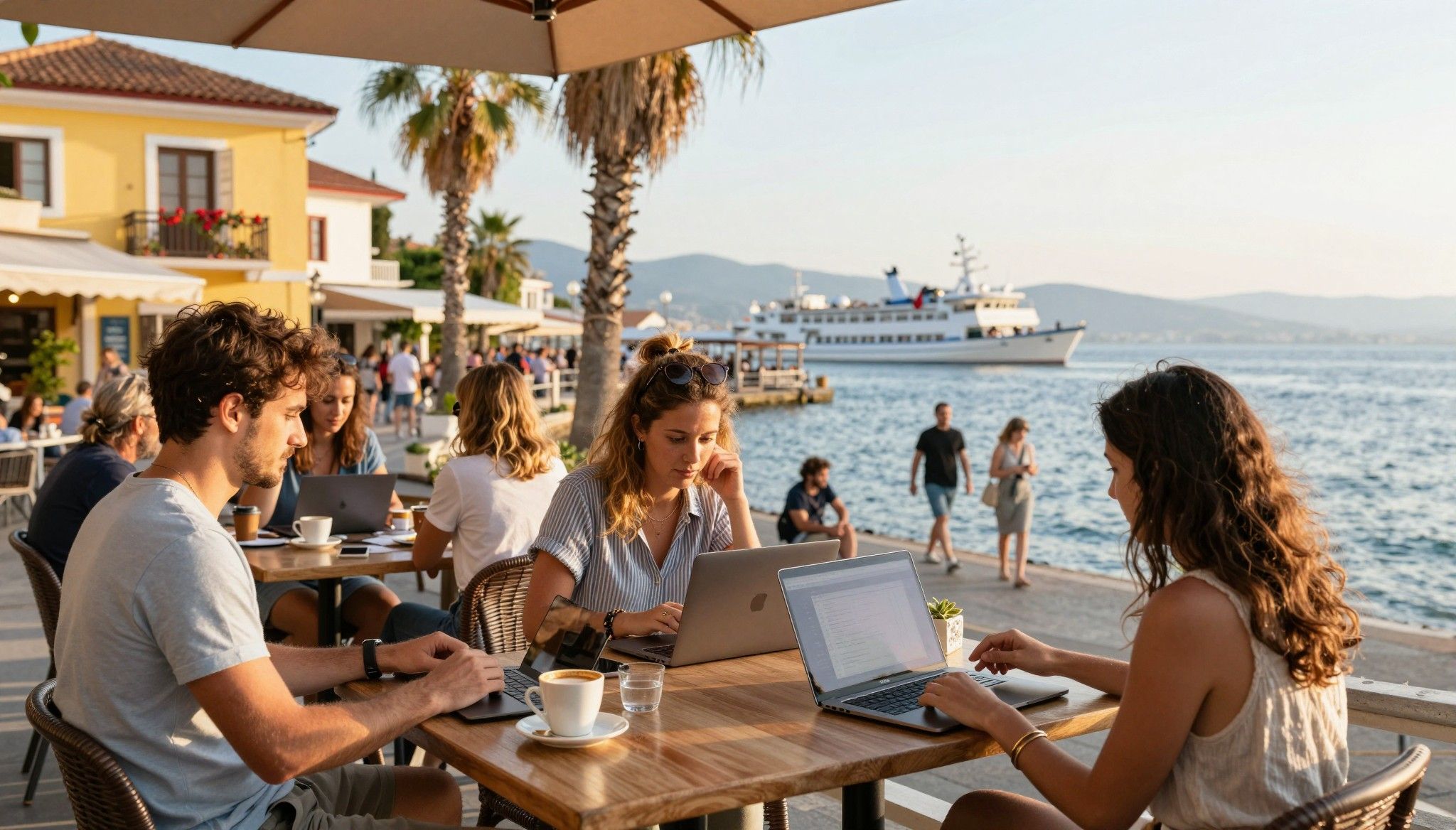
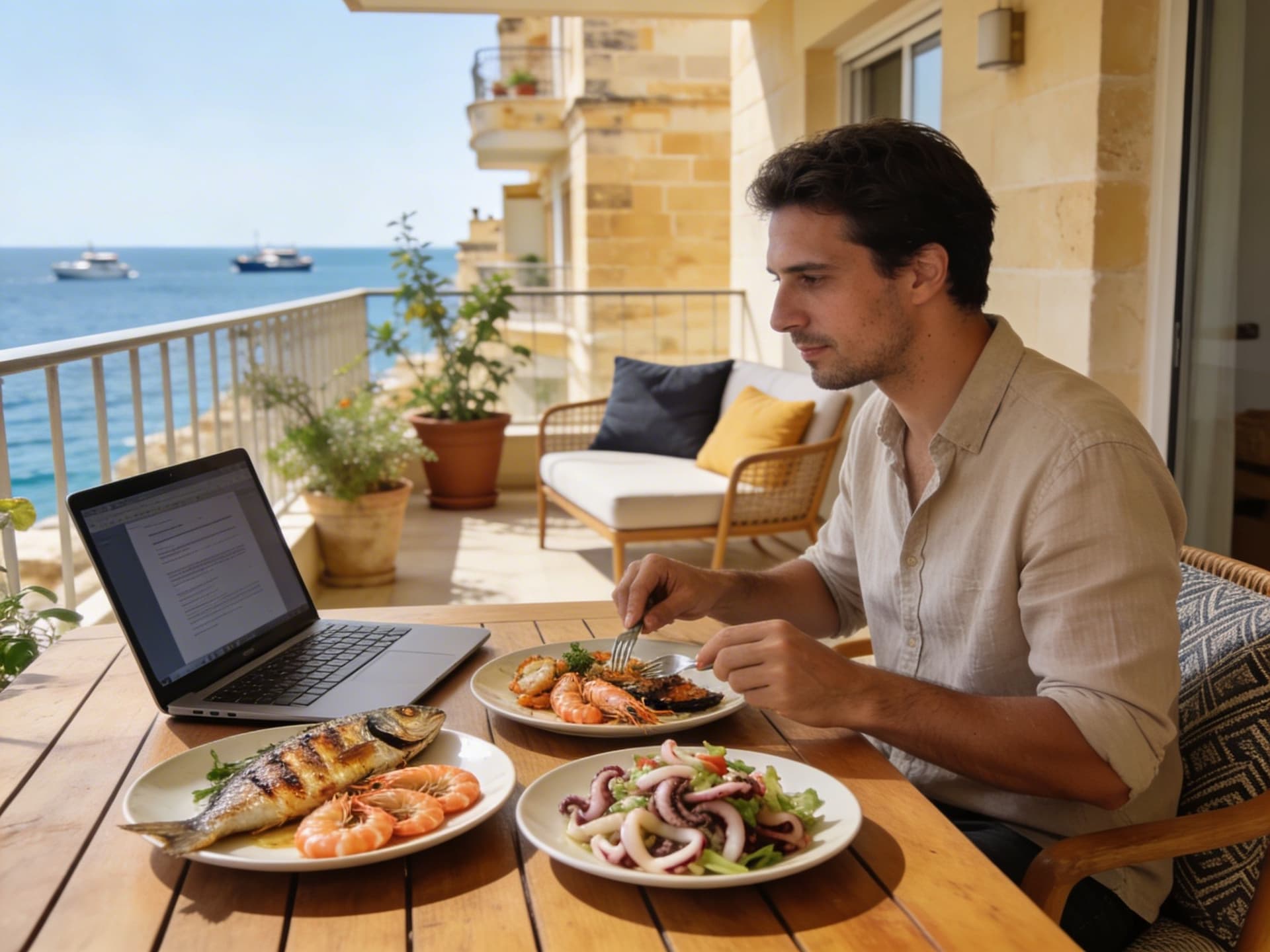
Imagine sipping an espresso on a sun-warmed balcony in Sliema, laptop open, the Mediterranean glittering below while a local bakery delivers fresh pastizzi. That’s Malta: compact, caffeinated, and impossibly walkable. But the island’s charm hides tricky rhythms—peaks of summer tourism, a tight property market, and evolving residency rules that change how easy (or expensive) it is to turn a dream into an address. Read on for a contrarian look at Malta: why this little nation can be both wildly welcoming for nomads and surprisingly strategic to time your move.
Living the Malta life: pocket-sized Mediterranean living
Malta feels like a village built on a postcard. Streets are narrow; sunlight bounces off honey-coloured limestone. Days are shaped by communal rituals — café breakfasts, siesta-like quiet in the hottest hours, and lively evenings when piazzas fill. English is an official language, so small talk, admin calls and co-working meetups come easier than in many other Mediterranean spots. For digital nomads, that equals fast social integration and a low cultural friction to starting life here.
Neighborhood focus: Valletta, Sliema, and Marsaxlokk — three very different moods
Valletta is theatrical — baroque facades, narrow stairways, and a calm that suits museums-by-day and intimate wines-by-night. Sliema is the island’s working-beachfront: cafes that double as laptop zones, better broadband, and modern apartments with seafront promenades. Marsaxlokk, by contrast, is fishing-harbour slow: Sunday market energy, seafood that tastes of the sea, and houses that trade convenience for tranquillity. Each area gives you a different daily tempo; your choice should match whether you crave social buzz or restorative quiet.
Food, markets and pocket experiences that define daily life
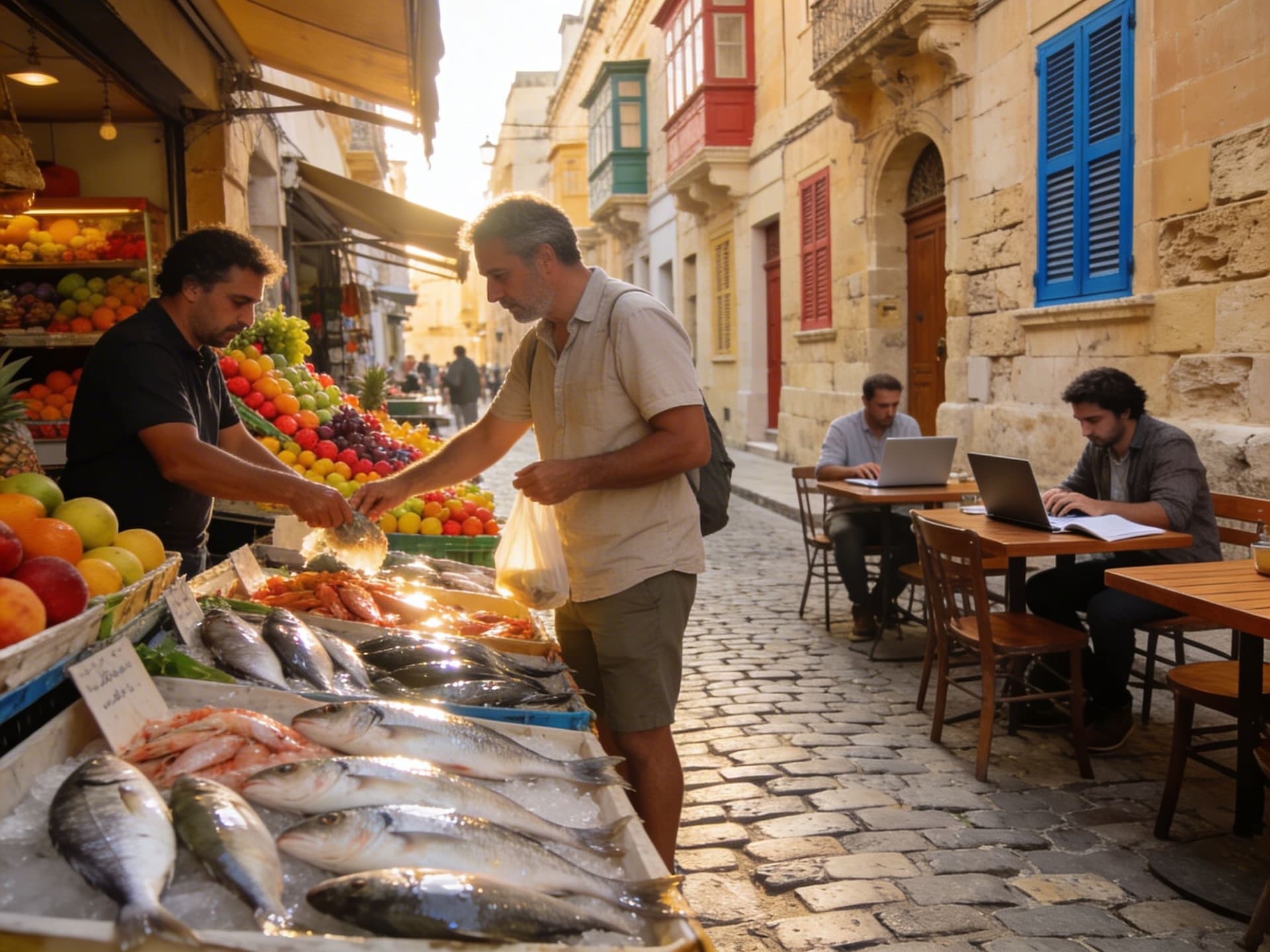
From pastizzi at a corner bakery to late-night ftira loaded with local tuna, Maltese food life is immediate and affordable. Local markets — like Marsaxlokk’s Sunday fish market or the fruit stalls in Birkirkara — are where you meet neighbors and learn the island’s seasonal rhythms. Summers bring festivals (festa season with bands, fireworks, street food), while winter’s quieter months reveal hiking trails and tiny coastal coves you’ll have almost to yourself.
- Lifestyle highlights to scout before you buy:
- Sliema promenade: morning runs, espresso stops, reliable cafe Wi‑Fi
- Valletta’s Lower Barrakka Gardens: sunset views and quiet reading spots
- Marsaxlokk Sunday market: fresh fish and neighbourly introductions
- St Julian’s nightlife corridor: social weekends and short‑term rental demand
- Bus routes hub: cheap and pervasive, but consider car access for off‑peak exploration
Making the move: how lifestyle choices should steer property decisions
Fall in love first, then match the property to the life you want. Malta’s market has been resilient, with rising transaction values and steady demand — which means choice can be limited and speed matters. Recent industry surveys show continuing appetite for residential stock, so expect competition for well-located apartments and thoughtfully renovated maisonettes.
Property styles and how they shape your day-to-day
Choices range from compact modern flats in Sliema to historic ‘houses of character’ in Rabat. Apartments are easier to maintain and usually closer to co‑working and cafes. Townhouses offer terraces and character but often require renovation and more upkeep. If you’re a remote worker who needs reliable home office space, prioritise apartments with natural light, quiet facades, and good mobile/broadband coverage.
Working with local experts who get the nomad life
A local agency that understands co‑working needs, internet packages, and seasonal rental demand will save weeks of guesswork. Ask agencies about actual upload/download speeds in the unit, proximity to cafés with power outlets, and which neighborhoods host the friendliest expat meetups. Agencies also help flag permit and contract nuances that can otherwise stall a move.
- Steps to blend lifestyle and logistics when choosing property:
- List your daily non-negotiables (fast café Wi‑Fi, 30‑minute commute to co‑working, sea view) and rate neighborhoods against them.
- Visit at two different seasons — peak summer and quiet winter — to feel noise, traffic and neighbour rhythms.
- Confirm broadband and mobile coverage at the exact apartment (ISP maps can lie — test on-site).
- Talk to a local lawyer or agency about promise-of-sale agreements (“konvenju”) and realistic timelines for closing.
Insider knowledge: residency, red flags, and expat truths
Residency options matter more than ever. Malta now markets a Nomad Residence Permit with clear income thresholds and proof-of-stay requirements — a realistic route for remote workers who want a legal base without buying citizenship. Conversely, recent EU rulings have effectively ended citizenship-for-investment pathways, so don’t assume big-money shortcuts still exist. Get clear, current guidance before you budget based on old headlines.
Cultural realities and how to fit in
Maltese life values community rhythm. Expect warm directness, frequent neighbourhood festas, and a calendar of public events that shape weekends. Integrate by learning a few Maltese phrases, joining local sports or language groups, and showing up at markets — relationships often open doors to better rental terms and renovation contacts.
Long-term view: markets, prices and timing
Market data shows steady demand and modest price gains in recent years. That means buying in Malta often favors prepared, decisive buyers. If you’re buying to live, consider that apartment supply dominates and competition can push prices; if you want rental income, central holiday hotspots like St Julian’s and Sliema have year-round demand but also regulatory scrutiny on short-term lets.
- Expat red flags to watch:
- Promises of ‘easy citizenship’ — recent EU rulings have closed many pathways; verify current law.
- Unverified broadband claims — test speeds on site and ask landlords for recent bills.
- Overheated summer rents — consider negotiating a longer lease to smooth seasonal swings.
- Renovation surprises in older homes — budget for structural and damp-proofing work in character houses.
- If something feels too good to be true, ask for documents, local references, and a written timeline.
Conclusion: Malta’s tiny geography is its superpower. You’ll get island rhythms, easy social life, and the convenience of English — but you’ll also face a tight market and changing residency rules. Come for the lifestyle; move with a plan. Book two visits, test your daily routines, lock in local experts (agency + lawyer + ISP), and pick a neighbourhood that fits how you actually want to spend your mornings and weekends. Do that, and Malta becomes less a vacation and more a very good home.
Swedish, relocated to Marbella in 2018 to chase sun and property freedom. Focus on legal navigation and tax for Nordic buyers.