Croatia: Contract Traps and Smart Due‑Diligence Moves
Fall in love with Croatia’s cafés and coast — but protect the lifestyle with title checks, permit reviews, and the VAT vs. transfer tax choices that change costs.
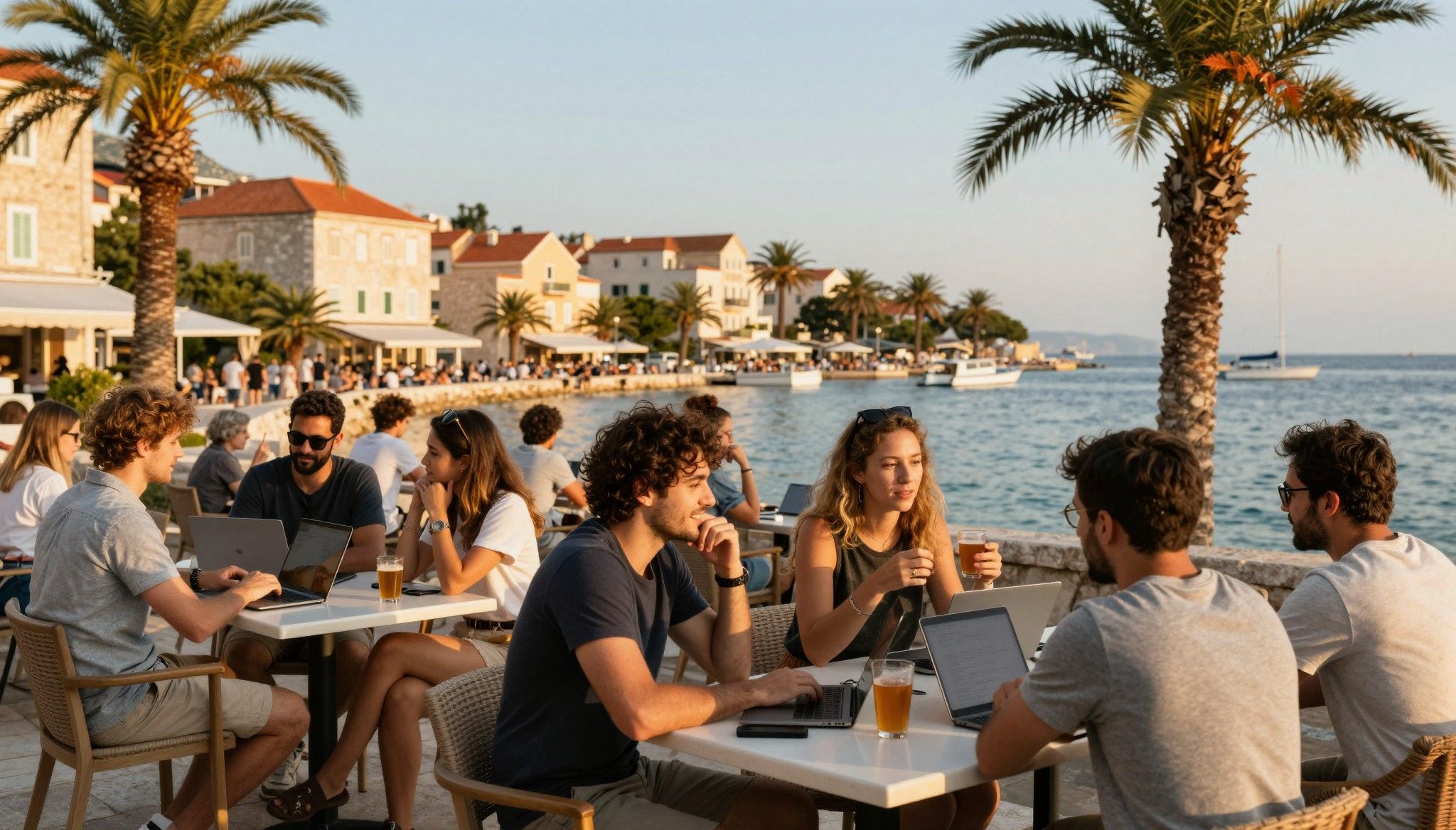
Imagine sipping espresso on Split’s Riva as morning light hits orange roofs, then walking five minutes to a coworking space with fast fibre. Croatia feels like a postcard: stone streets, island weekends, lively summer markets. But that romance can collide with paperwork. Before you sign, know the contract traps, title quirks and legal checks that protect the lifestyle you fell for.
Living the Croatia life: flavor, rhythms, neighborhoods
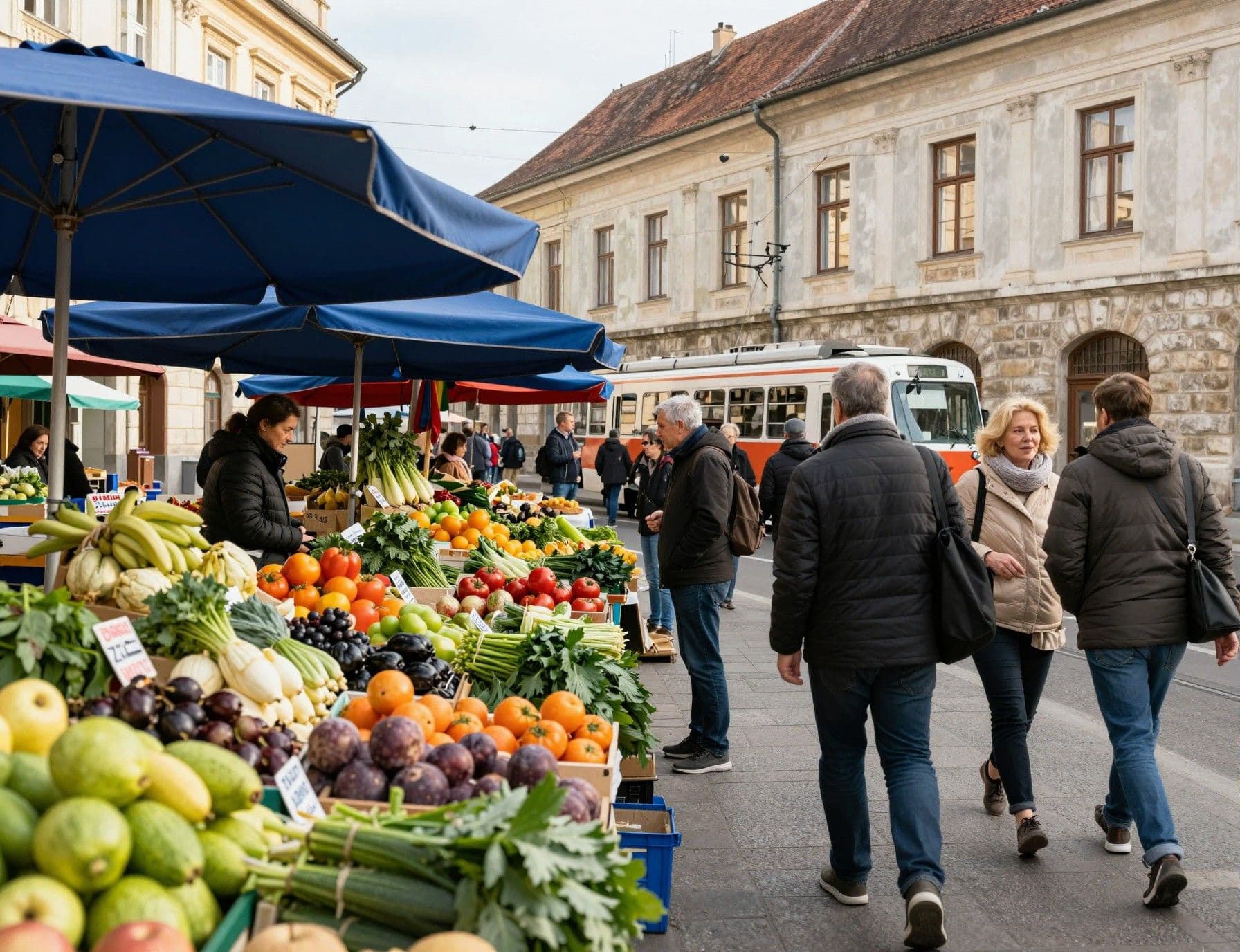
Croatia moves at two speeds: the relaxed Adriatic tempo along Dalmatia’s coast and a steady, practical pace inland. Picture mornings at Dolac Market in Zagreb, afternoons at Zlatni Rat on Brač, and evenings drinking pelinkovac with neighbors in Rovinj. For nomads, the pull is lifestyle plus infrastructure — solid cafés with outlets, growing coworking scenes in Split and Zagreb, and surprisingly good flight links around Europe.
Split & Diocletian’s neighbourhoods: history meets remote work
Wander from the palace alleys to Bačvice beach and you’ll find compact apartments perfect for a one‑bedroom remote setup. Neighborhoods like Veli Varoš feel lived-in: local bakeries, tiny konobas, and neighbours who know your dog. Practical note: older stone buildings often hide complex ownership and building-permit histories — that’s where legal checks matter most.
Istria & Rovinj: slow-living food culture and weekend farmers’ markets
In Istria, weekends mean truffle hunts, rustic wine bars and neighborhood markets where you’ll buy fresh cheese and olive oil. Streets like Rovinj’s Obala Marsala Tita buzz with tourists in summer but calm down in shoulder months — ideal for house hunting when sellers are serious. Lifestyle tradeoff: proximity to local food culture usually means older properties with renovation needs and permits to check.
- Lifestyle highlights to love (and check before you buy): 1) Morning coffee at Split’s Riva and coworking five minutes away; 2) Sunday market runs at Dolac (Zagreb) for produce and social life; 3) Island hopping from Hvar as weekend escape; 4) Istrian konobas and weekly truffle markets; 5) Evening promenades in Dubrovnik’s Old Town (note seasonal crowds); 6) Local neighbourhood bakeries where people still know your name.
Making the move: practical steps that protect the dream
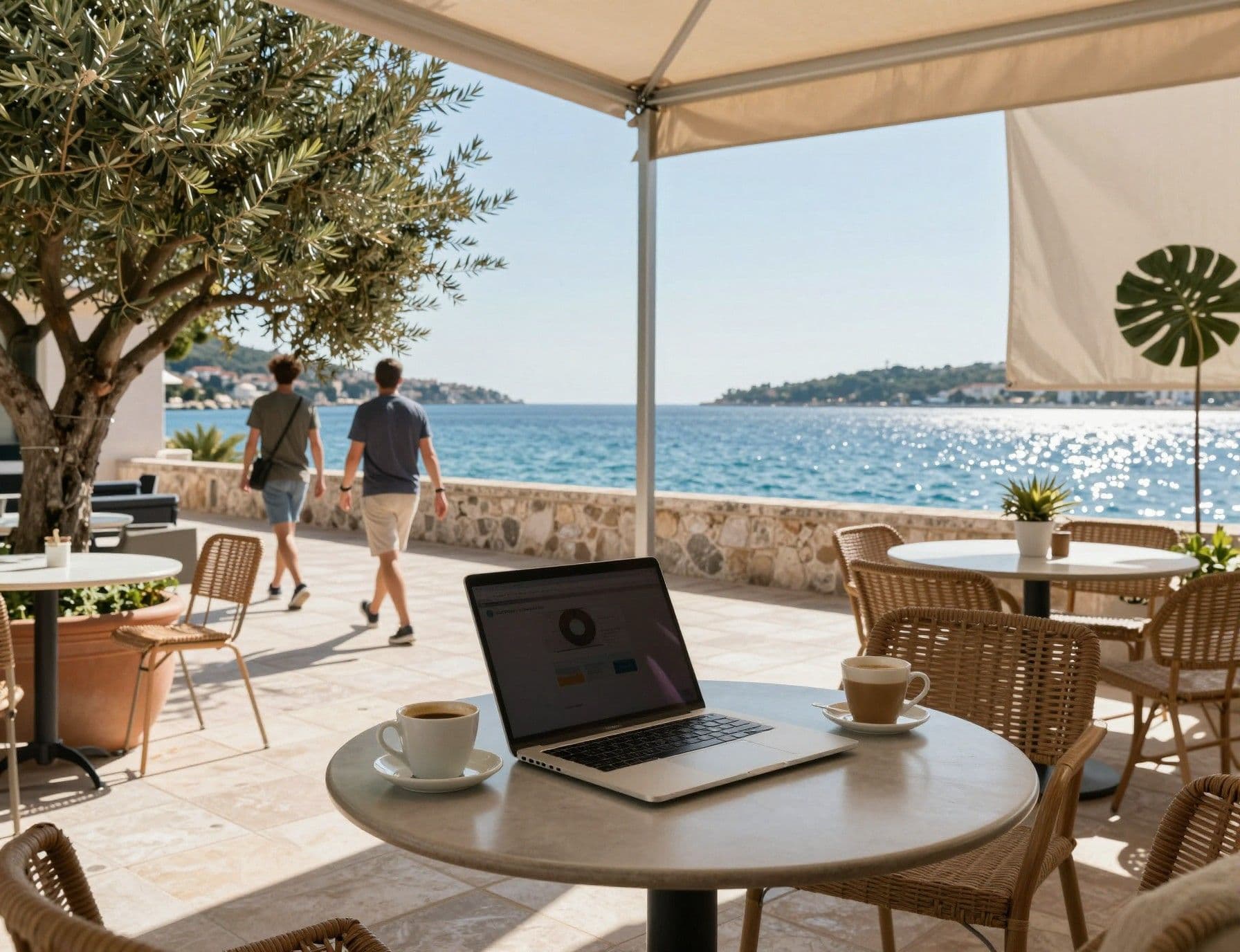
The best lifestyle comes with paperwork. Croatia records property rights in municipal Land Registry departments, and the notary plays a central role in confirming title before transfer. That means your first calls should be to a local lawyer and a reputable agency that works with notaries — they’ll read cadastral records, check mortgages, and flag pre-emption rights that can derail a deal.
Property types and what they mean for daily life
Novogradnja (new builds) often come with modern insulation, fibre, and simple VAT treatment — great if you want plug-and-play life. Stone renovations promise charm but can hide structural and permit headaches. Coastal plots may be subject to maritime domain laws: there are no private beaches, and land within the high-water line is state-owned. Match the property type to the lifestyle you’re buying, then layer due diligence on top.
Work with local experts who know the rhythm
- 1) Hire a Croatian lawyer to run a title search at the Land Registry and confirm ownership chains. 2) Ask a notary to prepare the final deed and confirm encumbrances — Croatian notaries certify signatures and are required for registration. 3) Order a technical survey for old buildings: structural, wiring, and septic checks. 4) Verify coastal setbacks and municipal plans if you’re buying near the sea. 5) Confirm VAT vs. transfer tax status to understand the right purchase tax.
Insider knowledge: red flags, myths and money moves
Myth: "Croatia’s coast is unaffordable for nomads." Truth: pockets of value exist in shoulder-season towns and inland Istria; the real issue is unexpected legal costs and transfer taxes. Buyers often forget the transfer tax or VAT nuance — new-builds where VAT (25%) applies usually avoid the 3% real estate transfer tax. That choice affects net cost and should shape negotiation strategy.
Three red flags sellers downplay
- Incomplete permits or missing building approvals; claimed "private beaches" or shoreline ownership (coastal land limitations exist); multiple unregistered owners or heirs listed in inheritance cases — all common pitfalls that lengthen closings or cost you after move-in.
Money moves that save time and stress
- 1) Ask for a copy of the land registry excerpt (izvadak iz zemljišnih knjiga) and cadastral map; 2) Confirm there are no active mortgages, liens or enforcement orders; 3) Request proof of building permits and final approvals; 4) Check utility connections and local zoning plans; 5) Set aside 3–6% for notary, registration, agent fees and transfer tax unless VAT applies.
Local nuance: foreigners can buy property, but coastal plots and certain agricultural land have extra rules and may require prior government consent for non-EU citizens. EU buyers typically face fewer administrative hurdles. If you’re outside the EU, plan for an extra layer of permission and a longer timeline — and budget for it.
What expats wish they'd known: social, seasonal and long-term tips
Expats tell the same story: moving to Croatia transforms routines — siestas become seaside swims, and neighbours become friends at the market. But few expect the summer surge: short-term rental demand spikes and some local services run seasonal hours. If you want year-round community, look inland or in bigger cities where life stays steady through winter.
Language, community and making a home
Croatian isn’t required to get by, but learning basics opens doors — from neighbourhood bakeries to municipality offices. Join local expat groups in Split and Zagreb, attend truffle fairs in Istria, and try seasonal festivals; social investments pay dividends in practical help and local recommendations that ease bureaucracy.
Long-term thinking: resale, rental rules and upkeep
If you plan to rent, check local short‑term rental rules and community attitudes; some coastal towns restrict new tourist licences. Factor in maintenance for stone homes (roofing, damp proofing) and set aside an annual maintenance fund. When resale matters, clean title and up‑to‑date permits are what future buyers actually pay for — not the view alone.
Conclusion: Croatia rewards those who pair romance with rigor. Fall in love with a lane in Dubrovnik or a café in Zagreb, but bring a lawyer, a notary and a technical surveyor along on the date. Start by requesting the land registry excerpt, clarifying VAT vs transfer tax, and asking your agency for a full due‑diligence package. Do that, and you’ll keep the lifestyle — and avoid the costly surprises.
British expat who moved from Manchester to Mallorca in 2017. Specializes in market analysis and helping fellow Brit navigate local regulations.