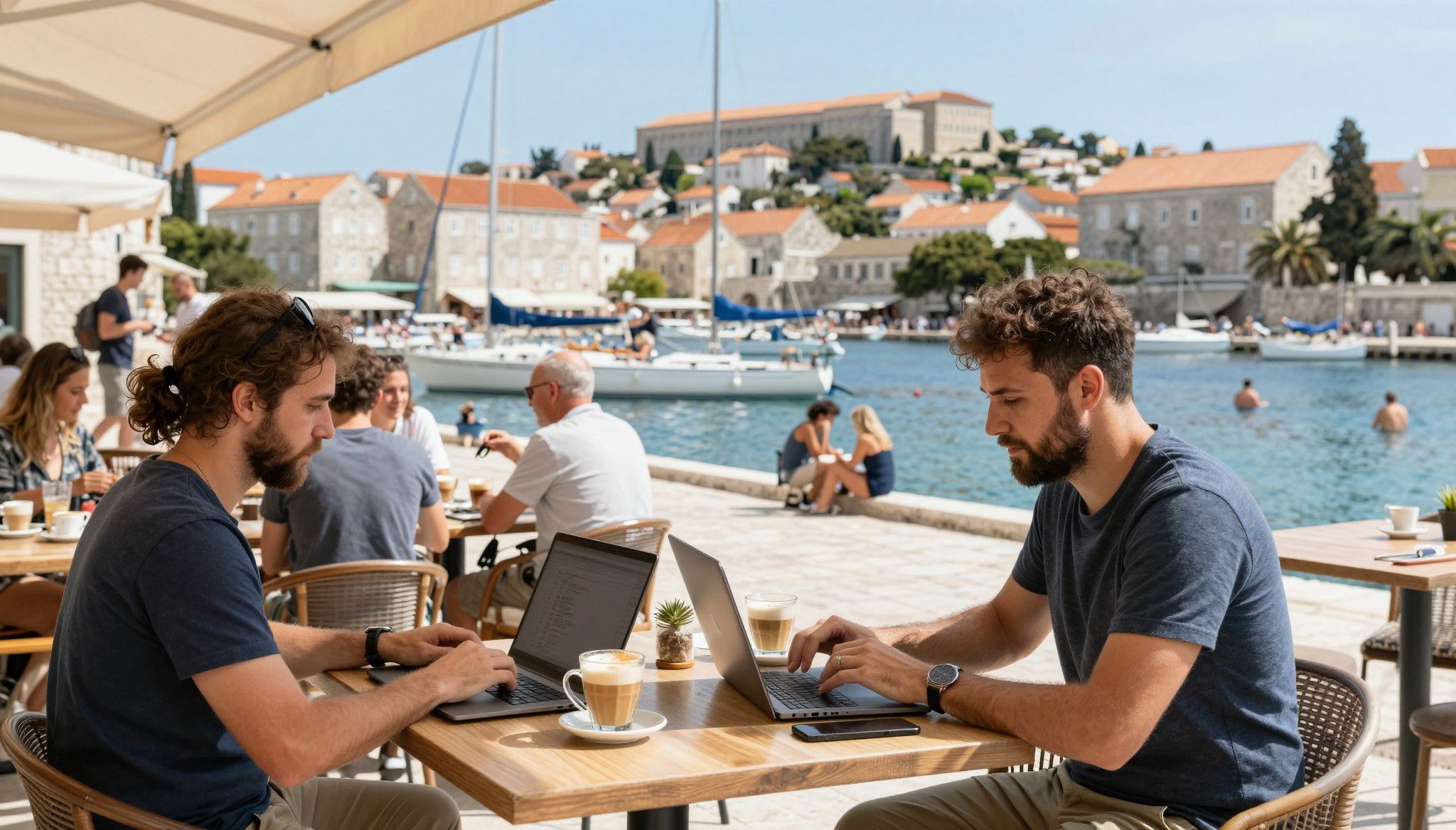
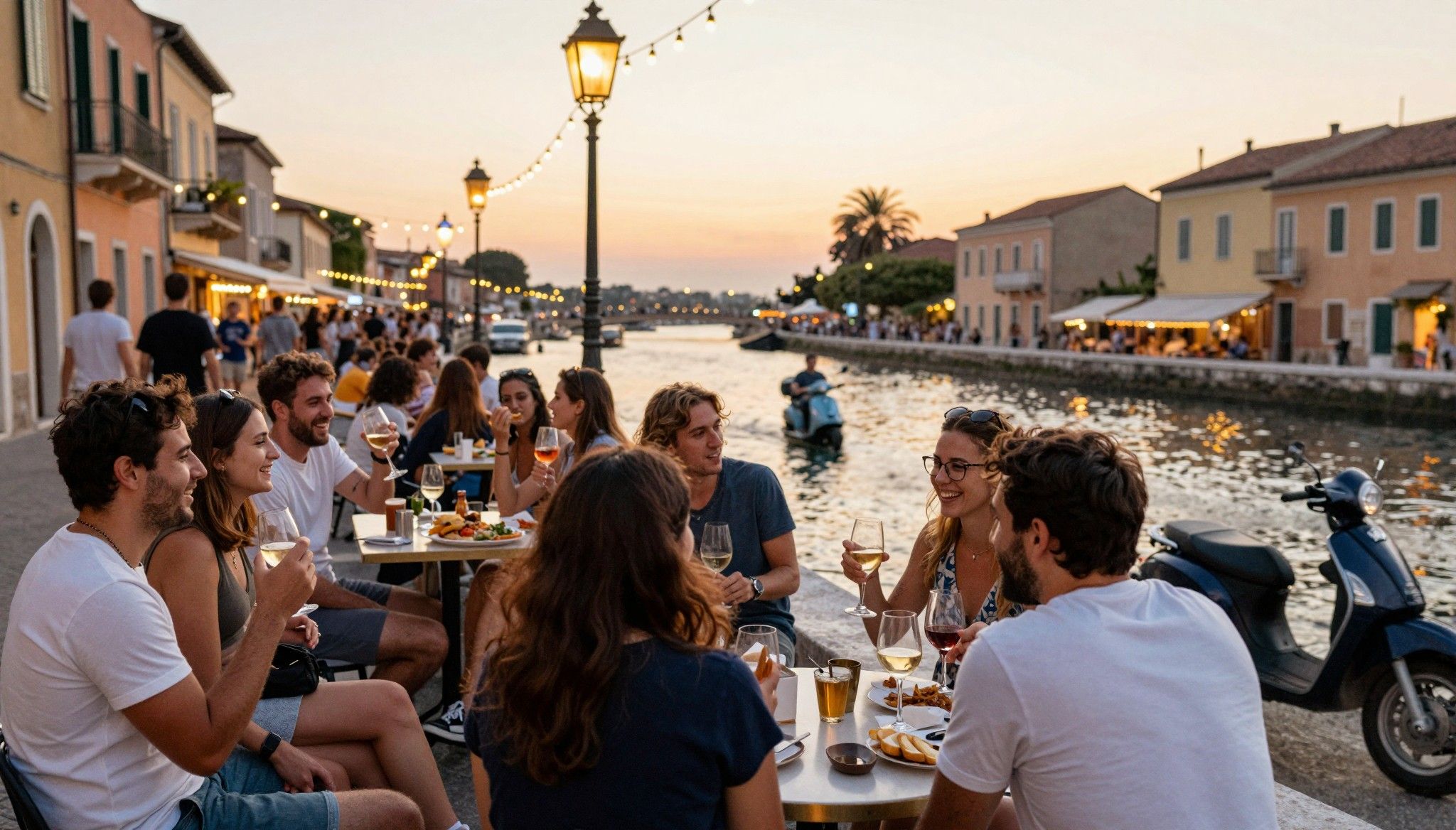
Greece Neighbourhoods: Live the Rhythm, Then Buy Smart
Fall in love with Greece’s daily rhythms — then make the buy that protects them. Lifestyle-led neighborhood picks and data-backed steps for nomads and families.
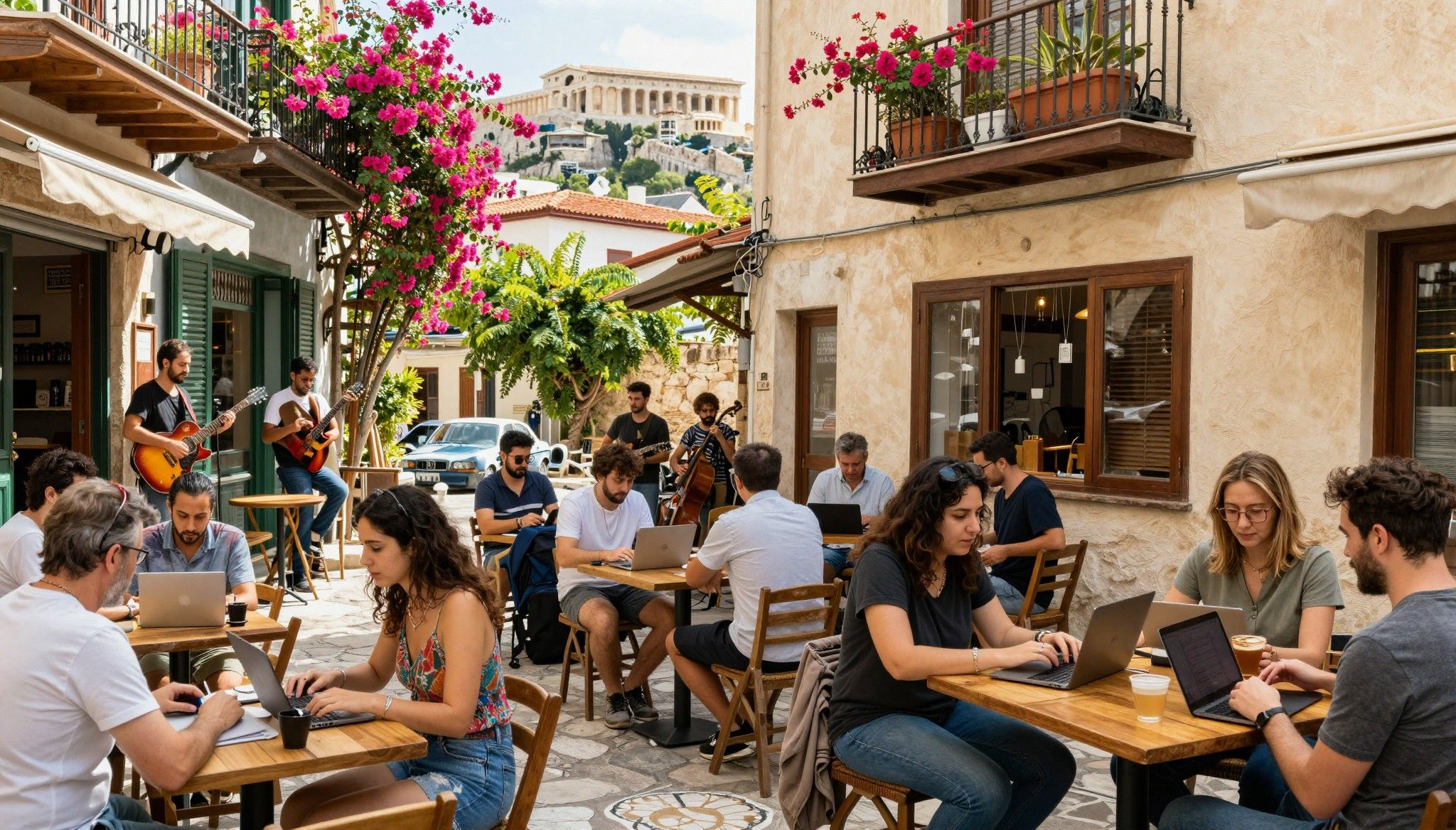
Imagine sipping strong espresso at a sun-splashed sidewalk table in Koukaki, laptop open, a tram bell in the distance and the Acropolis peeking above red-tiled roofs. That slow, sociable rhythm — morning markets, late dinners, beaches on weekends — is what draws nomads and families alike to Greece. But love at first sight can blind buyers to local rhythms, seasonal market swings, and neighborhood trade-offs. This piece blends the life you’ll wake up to with the practical moves that actually make a Greek move work.
Living the Greece life: city, island and suburb vibes
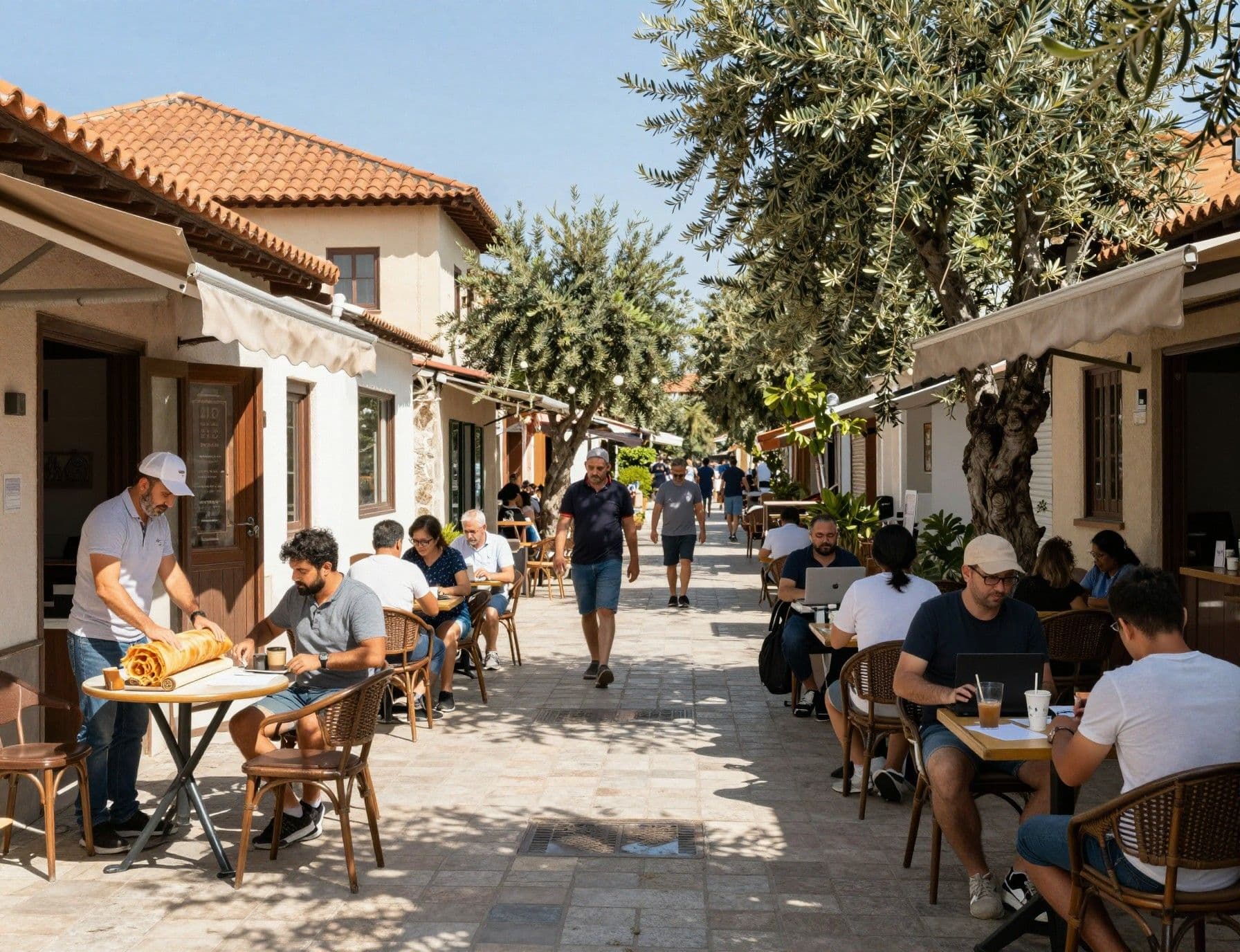
Greece is many lives in one country. Athens is improvised city-hipness — olive trees shoulder-to-shoulder with concrete blocks, pockets of specialty coffee, and coworking terraces. The islands are slower, sun-driven economies where summers pulse and winters hush. Northern towns like Thessaloniki bring a cafe culture that’s social and affordable. Choosing where to buy is really choosing which daily rhythm you want: all-day bustle, seasonal escape, or a leafy family suburb.
Koukaki & Psyrri — walkable city life with local cafés
Koukaki sits under the Acropolis: narrow streets, 1960s apartment blocks with balconies, and Drakou’s pedestrian cafés. Psyrri and Gazi bring nightlife and studios; both have honest late-night energy and easy access to coworking spots listed by the city. If you value walking to cafes by day and lively squares by night, these neighborhoods map perfectly onto the nomad playbook.
Islands & coasts — summer bloom, winter hush
On the Cyclades or Ionian coasts you’ll trade morning metros for sea views. Holiday-season demand drives price spikes — many islands see foreign buyers dominate markets during the season — which means superb rental opportunities in summer but quieter, cheaper winters. If you dream of terrace sunsets and village markets, expect a big seasonal swing in both life and investment returns. Recent industry reporting shows foreign buyers account for a large share of holiday-home demand in top markets, pushing prices in peak areas.
- Lifestyle highlights: real spots and experiences
- Koukaki: Drakou pedestrian street cafés, the Acropolis Museum stroll, morning bakery runs
- Gazi/Kerameikos: Technopolis events, lively evenings, galleries and rooftop bars
- Thessaloniki: waterfront promenades, food markets at Modiano, year-round cultural festivals
Making the move: practical choices that preserve the lifestyle
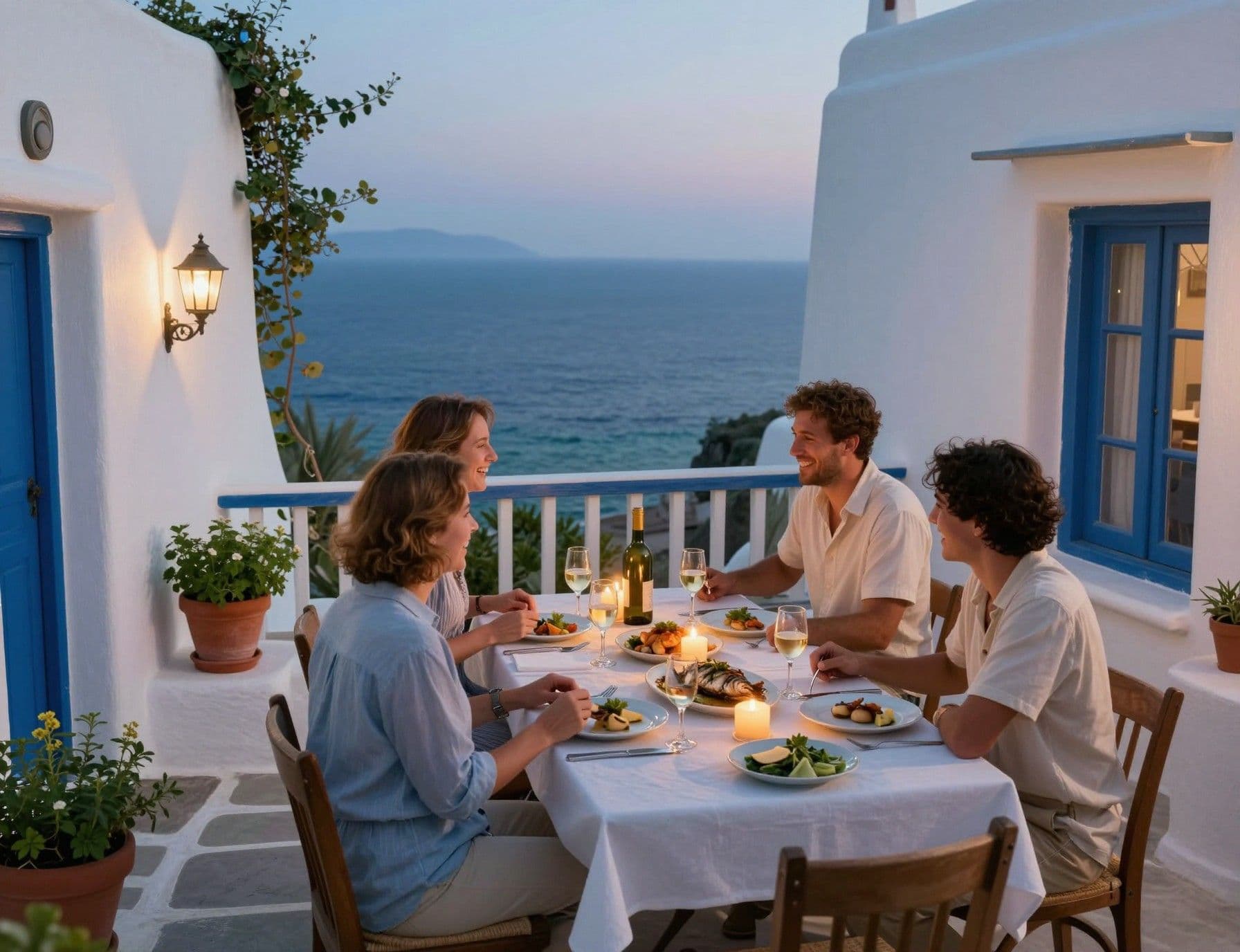
Romance aside, real estate in Greece is shaped by supply clusters, seasonality and regulation. Urban prices are rising in Athens and Thessaloniki, while island markets are more boom-or-bust. The Bank of Greece reports steady housing demand growth in the main cities, so match the lifestyle you want to market realities: central flats for community and cafés, island houses for summer living and rental upside, northern suburbs for space and schools.
Property styles & how they fit your life
Athens: post-war apartments with glass balconies — compact, walkable, easy to renovate. Islands: stone houses and duplexes that favour terraces and outdoor living (insulation and water systems matter). Northern suburbs: modern villas and gated complexes with gardens. Choose by daily needs: workspace light and quiet for full-time remote work; terrace size for social summers; storage and parking for family life.
Work with local experts who actually know the rhythm
Local agents, architects and property lawyers translate lifestyle wants into feasible searches. They’ll flag things you won’t think about: seasonal rental caps, water rights on island plots, insulation for winter, and up-to-date residency options (including changes to visa programs that affect long-term plans). Pair a neighborhood-savvy agent with a bilingual lawyer so the life you fell for is the life you actually get.
- Step-by-step lifestyle-to-purchase checklist
- Decide daily rhythm first: city cafés and coworking, island pace, or leafy suburbs.
- Shortlist 3 neighbourhoods and spend a week in each — work from cafés, try commuting, check evening noise and supermarket hours.
- Engage a local agent and lawyer, confirm utility infrastructure (internet speed, water, heating) and ask for recent energy certificates.
- Factor seasonality in valuations: expect higher summer asking prices on islands and different demand curves in Athens neighborhoods.
Insider knowledge: what expats wish they’d known
Friends who moved here often say: the small things make the difference. A favourite baker, the market day rhythm, the plumber’s number, evening pedestrian squares. Cultural warmth makes settling easy — Greeks are social and curious — but language and bureaucracy can slow practical tasks. Expect kindness and a slower cadence for paperwork; plan extra time for registrations and local services.
Language, integration and building community
You’ll get by in English in central Athens and tourist islands, but learning basic Greek opens doors — neighbors, shopkeepers, municipal offices. Join local meetups, language exchanges, or coworking communities (many list their spaces through Athens’ official guides). Volunteering at a local festival or joining a cooking class accelerates friendships and roots you faster than online-only socializing.
Long-term lifestyle and resale realities
If you’re thinking five-plus years, city apartments near transport and coworking hold steady demand; island homes need active rental management to yield returns. Renovation costs on older buildings are real — plumbing, seismic reinforcement and energy upgrades add up. The Bank of Greece highlights growing urban demand, so balance emotional choices with structural checks and maintenance budgeting.
- Expat red flags to watch
- No up-to-date energy performance certificate or unclear building permits
- Seasonal-only neighbourhood feel: quiet winters that don’t match your year-round needs
- Poor insulation/heating on islands — lovely summers, cold damp winters
- No verified internet speed for remote-work needs
Wrap-up: fall in love deliberately
Greece gives you sun, salty air, café rhythms and a life designed around shared meals and slow mornings. Treat that romance like the start of a plan: test the neighborhood, confirm infrastructure, hire local experts, and budget for seasonal quirks. Do that and the life you imagine — working from a bright terrace, joining a neighborhood taverna’s regulars, slipping to an island on weekends — becomes not just possible but practical.
Next steps: 1) Pick three neighbourhoods and schedule two-week stays; 2) Book meetings with a neighbourhood-savvy agent and lawyer; 3) Test internet and work-from-café days; 4) Ask for recent energy certificates and seasonal rental figures before you bid.
Swedish, relocated to Marbella in 2018 to chase sun and property freedom. Focus on legal navigation and tax for Nordic buyers.