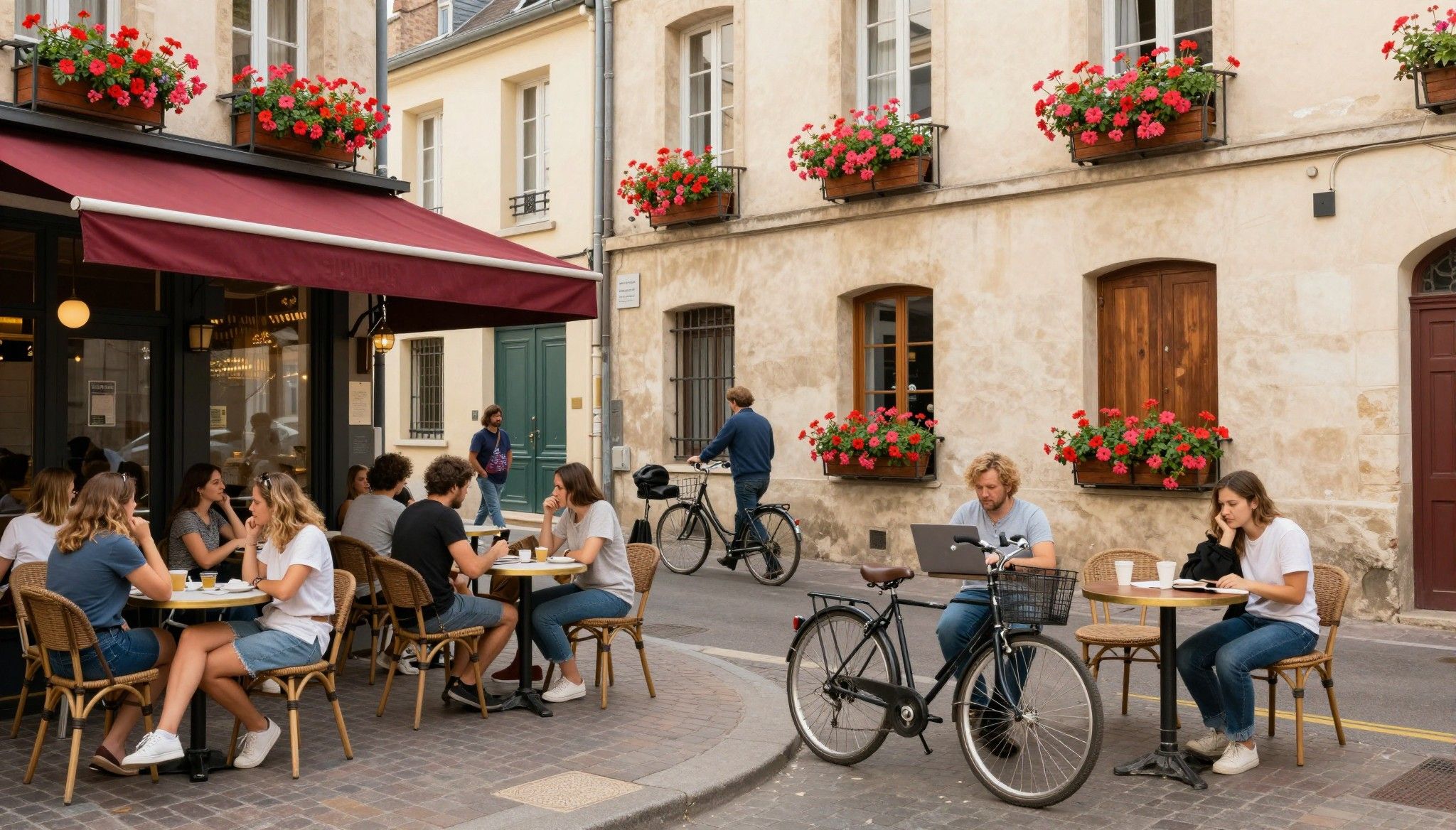
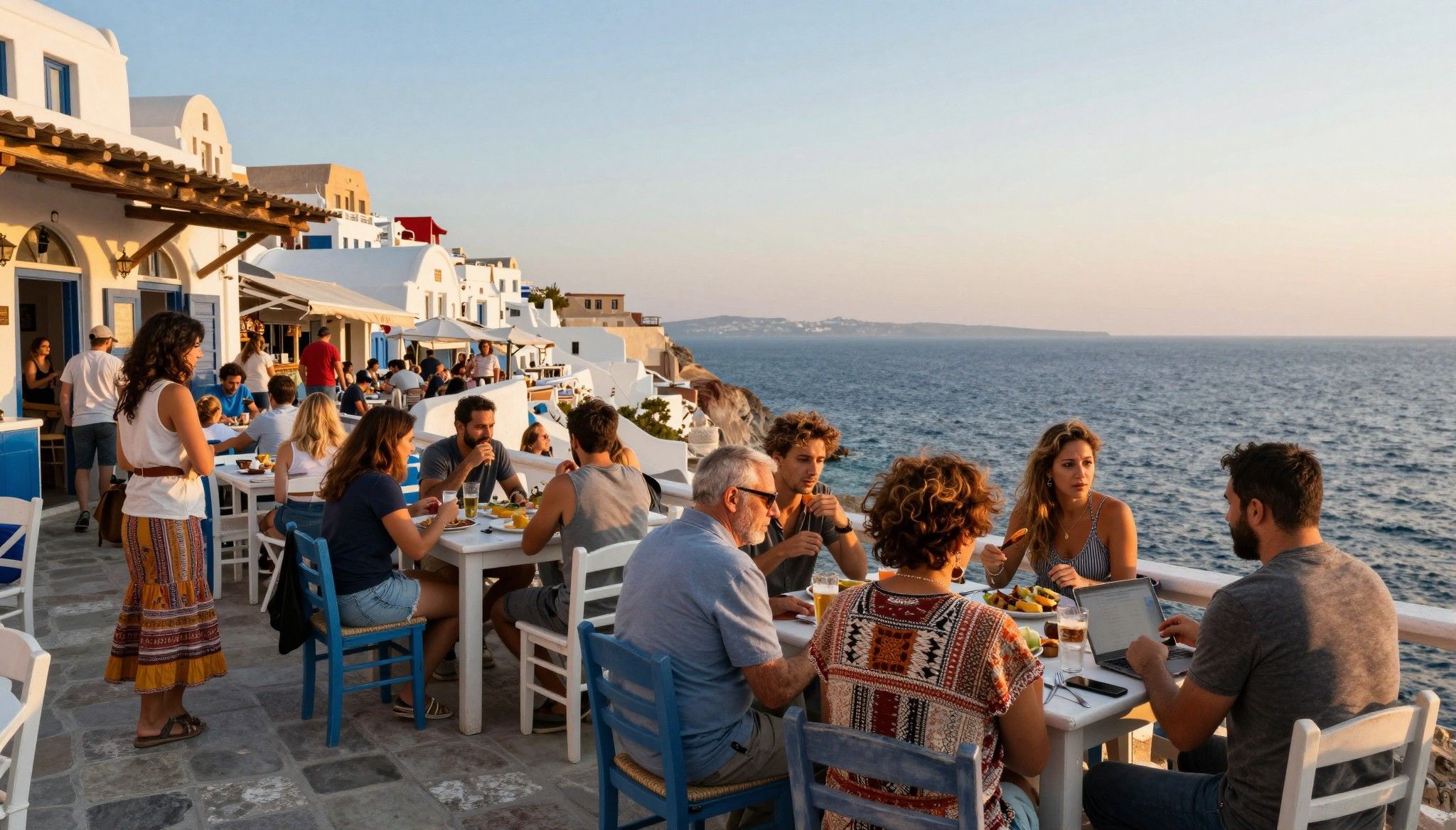
Budget for Croatia: Lifestyle Costs, Legal Steps & Seasonal Traps
Fall in love with Croatia’s coast, cities and food — then budget like a local: regionally split prices, legal steps for non‑EU buyers, and seasonality that shapes costs.
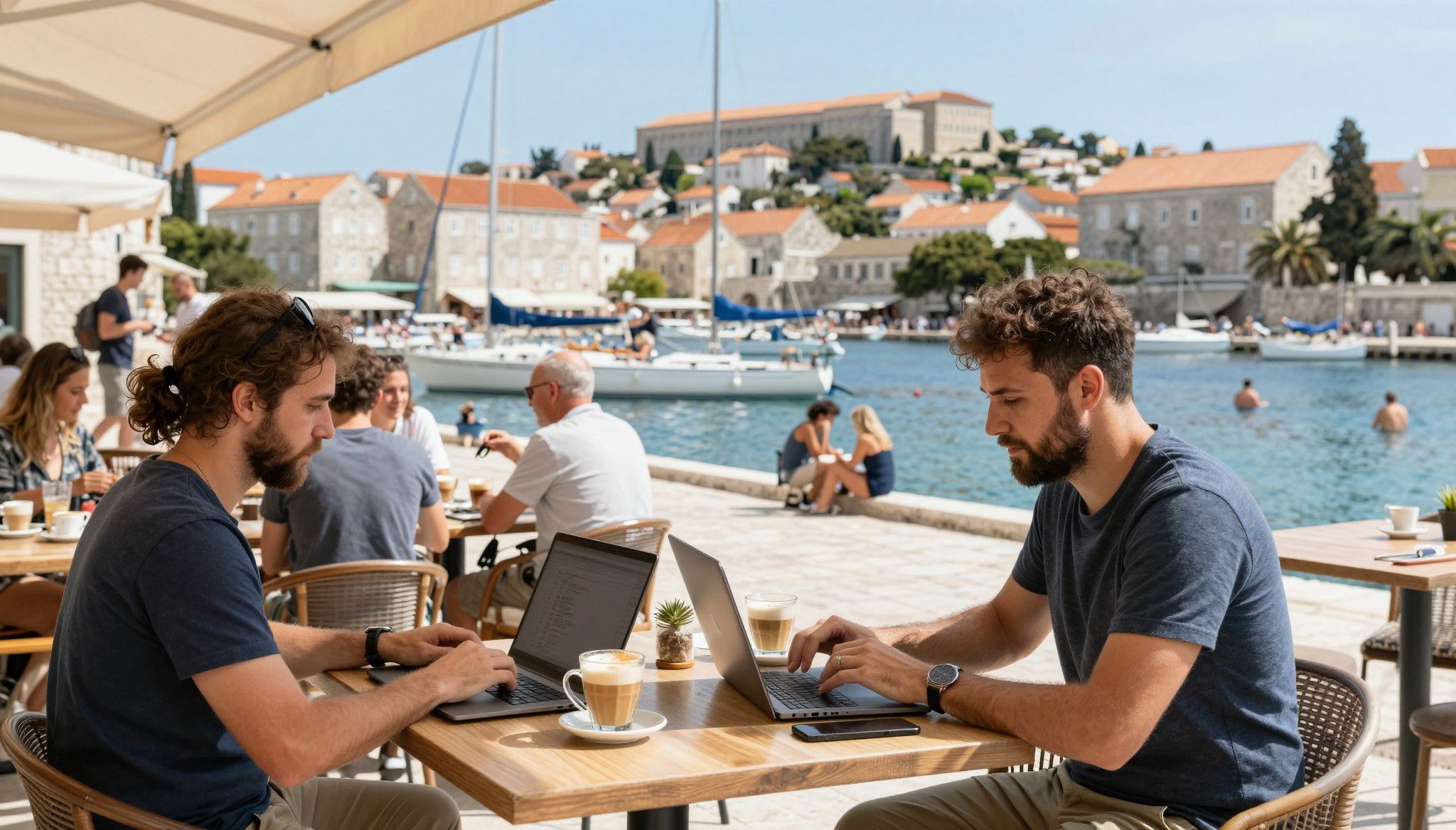
Imagine sipping an espresso at Split’s Riva while your laptop hums and the Adriatic sparkles just beyond the cobblestones. That feeling — part coastal ease, part efficient EU infrastructure — is why so many of us daydream about Croatia. But before you fall hard for a stone‑walled terrace or an Istrian vineyard view, set a realistic budget. Recent market analysis shows prices rising unevenly across regions, and a smart budget starts with both lifestyle priorities and hard numbers.
Living the Croatia lifestyle
Croatia’s rhythm is small‑town coastal mornings and urban, cafe‑rich afternoons. Zagreb’s tram-lined streets and creative coworking spots pulse differently to Hvar’s summer nights and Rovinj’s pastel alleys. Prices are not uniform — DZS data records meaningful regional differences, so your budget must map to the specific vibe you want.
Split & the Dalmatian Coast: Work by day, sail by weekend
In Split you’ll trade early morning espresso for late‑afternoon swims. Look for apartments around Diocletian’s Palace or Veli Varoš if you want walkable streets and sea breezes. For remote work, prioritize buildings with stable fibre or apartments on streets with strong mobile signal — the local cafés around Marmontova are surprisingly laptop‑friendly.
Istria & Rovinj: Food, wine and a slower pace
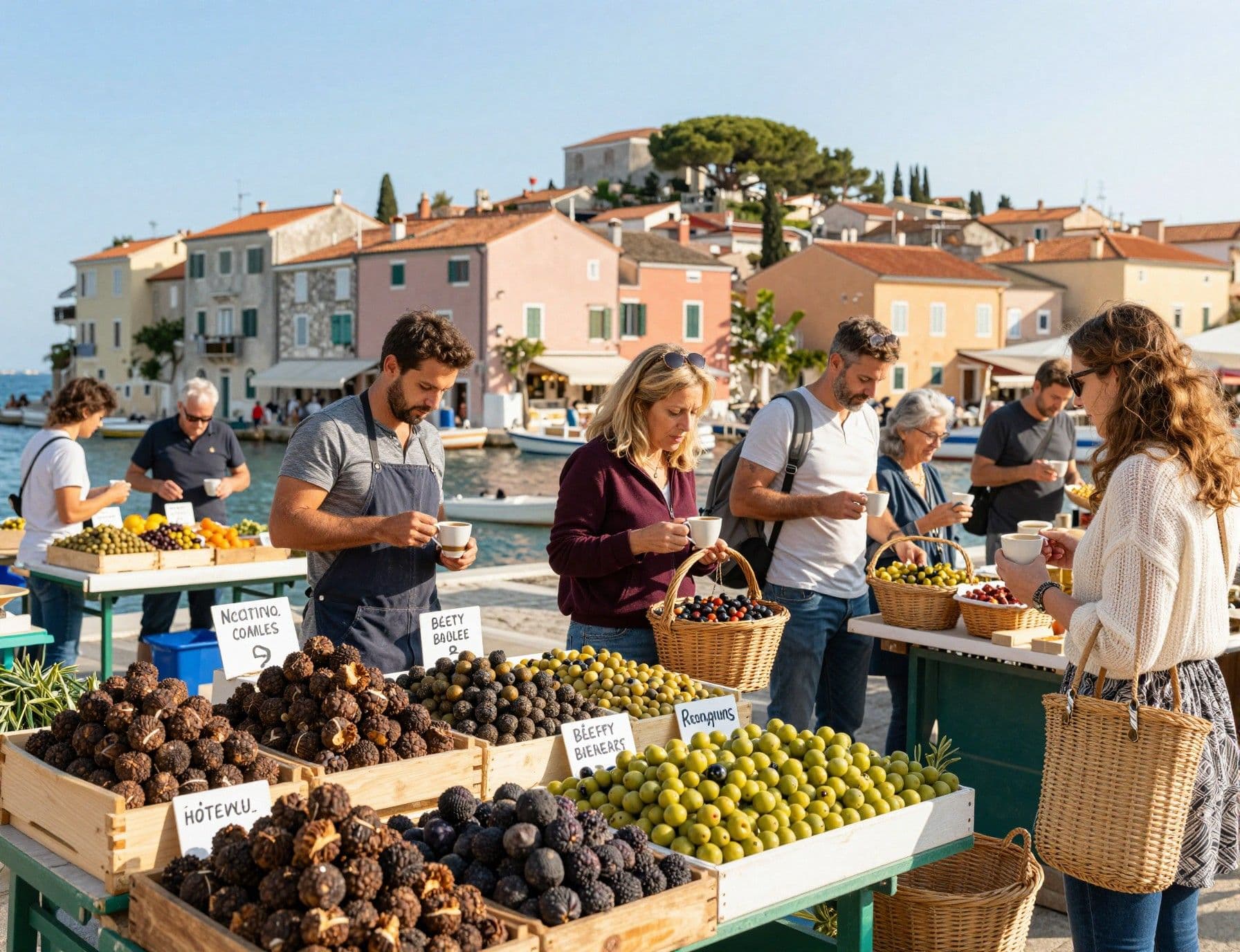
Istria is for lovers of markets, truffles and vineyards. Properties here often come with olive groves or stone outbuildings perfect for guests. Note: legal nuances differ by buyer citizenship — EU citizens enjoy near‑parity with locals; non‑EU buyers may need reciprocity approvals. Factor any extra legal steps into your budget and timeline.
- Lifestyle highlights to cost-check before you commit:
- A morning coffee on Zagreb’s Tkalčićeva — great for mornings and meeting other remote professionals.
- Weekend island hopping from Split — transport seasonality affects occupancy and short‑term rental potential.
Making the move: practical budgeting that keeps the dream alive
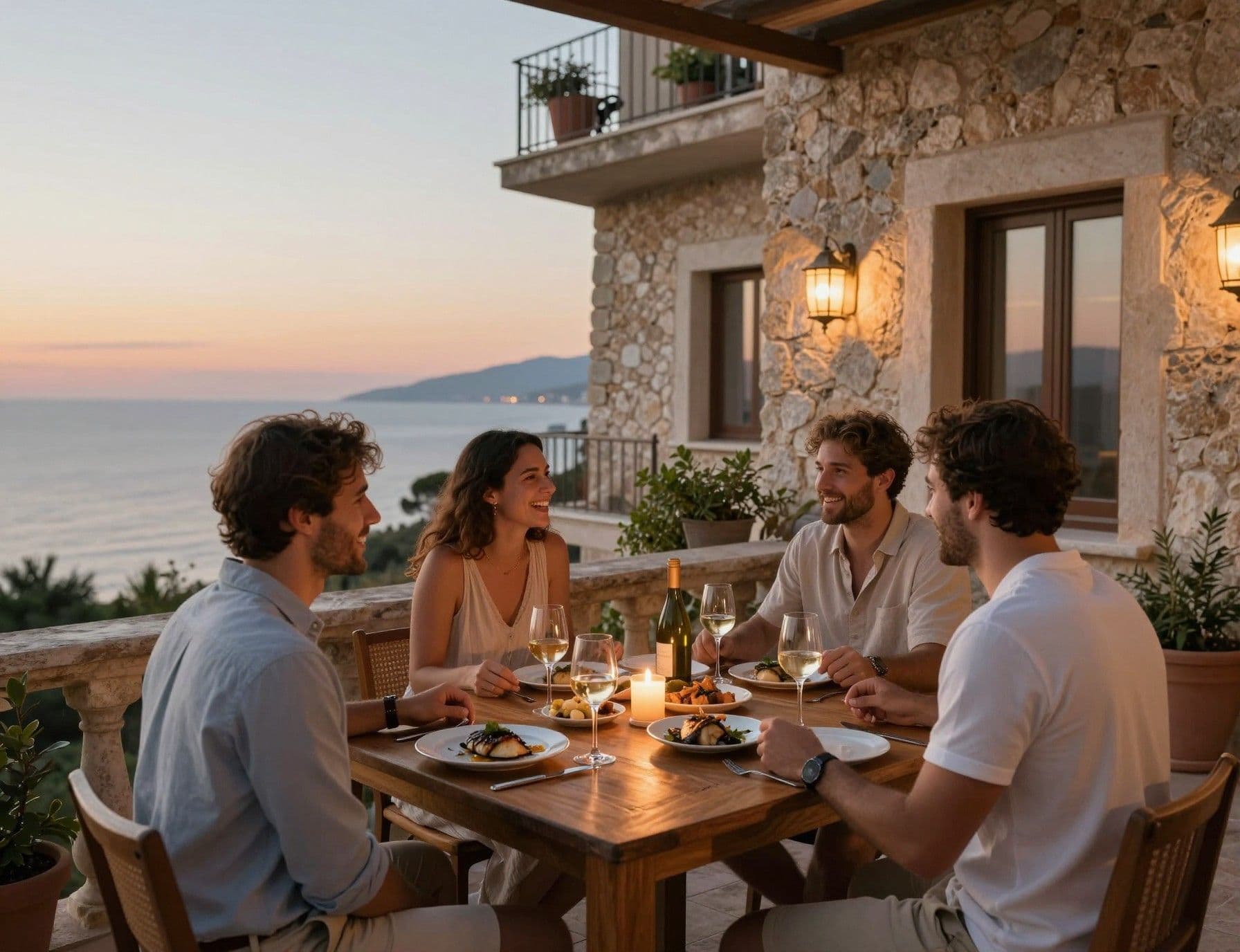
Dreams meet reality at the notary’s table. Start with three buckets in your budget: purchase price, transaction & legal costs, and running living costs (utilities, maintenance, and seasonal insurance). Croatian government guidance highlights registry steps and documentation — budget time for land‑registry checks, translations and a local lawyer’s fee.
Property styles and what they mean for cost
A restored stone house in Istria carries charm and renovation bills. A modern apartment in Zagreb tastes convenience but may cost more per square metre. New builds sometimes include VAT exemptions for first sales; older homes may hide structural surprises. Match the property style to monthly running costs you’re willing to manage.
Work with local experts who keep your lifestyle in focus
- 1. Hire a Croatian‑speaking lawyer early — they protect title, check debts, and handle reciprocity for non‑EU buyers.
- 2. Use a locally experienced agent to spot neighbourhoods where digital nomads cluster (e.g., Split’s Varos, Zagreb’s Donji grad).
- 3. Ask for utility bills and internet speed tests before buying — fibre availability varies by address and matters for remote work.
- 4. Set aside 5–12% of purchase price for closing and immediate upgrades (notary, registry entries, minor renovations, agency fees).
Insider knowledge: what expats wish they’d known
Here’s the candid part: the postcard seasons mask practical quirks. In summer, towns hum and short‑term rents spike; in winter, some island services slow down. Language helps more than you think — learning basic Croatian opens doors to local tradespeople and friend circles. Most expats say: patience with bureaucracy pays off.
Integration, language and the social scene
Join a local market morning in Zadar or a language exchange in Zagreb to meet neighbours. Small talk at kafanas (traditional cafés) becomes an informal maintenance and safety network — neighbours often flag property issues before anyone else does. Social capital here cuts down unexpected costs.
Long‑term planning: seasons, rental potential and resale
If you’re thinking investment plus life, map seasonality to cashflow. Coastal properties can yield higher short‑term rental returns in summer but need year‑round maintenance. Urban flats rent steadier for remote workers. Look at long‑term regional trends to avoid buying at a short‑term peak.
- Red flags to budget for (and how to spot them):
- Missing land‑registry entries — always verify ownership and encumbrances with a lawyer.
- No proof of recent renovations — ask for documents and inspect for damp, wiring and permits.
- Seasonal service limits — confirm year‑round access to shops, healthcare and transport before committing.
Conclusion: fall for the life, fund it sensibly. Croatia rewards curiosity and patience: you’ll trade tiny, joyful rituals — a market find of fresh cheeses, a neighbourly invite for konoba dinner — for an island’s slower rhythm. Make a budget that mirrors that rhythm: lifestyle choices up front, legal certainty in the middle, and a rainy‑day maintenance fund at the end. When you pair that with a Croatian lawyer and a local agent who understands nomad needs (fiber, coworking, walkability), you’re buying more than a home — you’re buying a life that works.
Dutch investment strategist guiding buyers to Greece and Spain; practical financing, tax, and portfolio diversification.