Where to Live in Greece: Lifestyle First, Data Second
Live like a local: pick Greek neighbourhoods that match your daily rhythm, then use data — price indices and Golden Visa zones — to make confident offers.

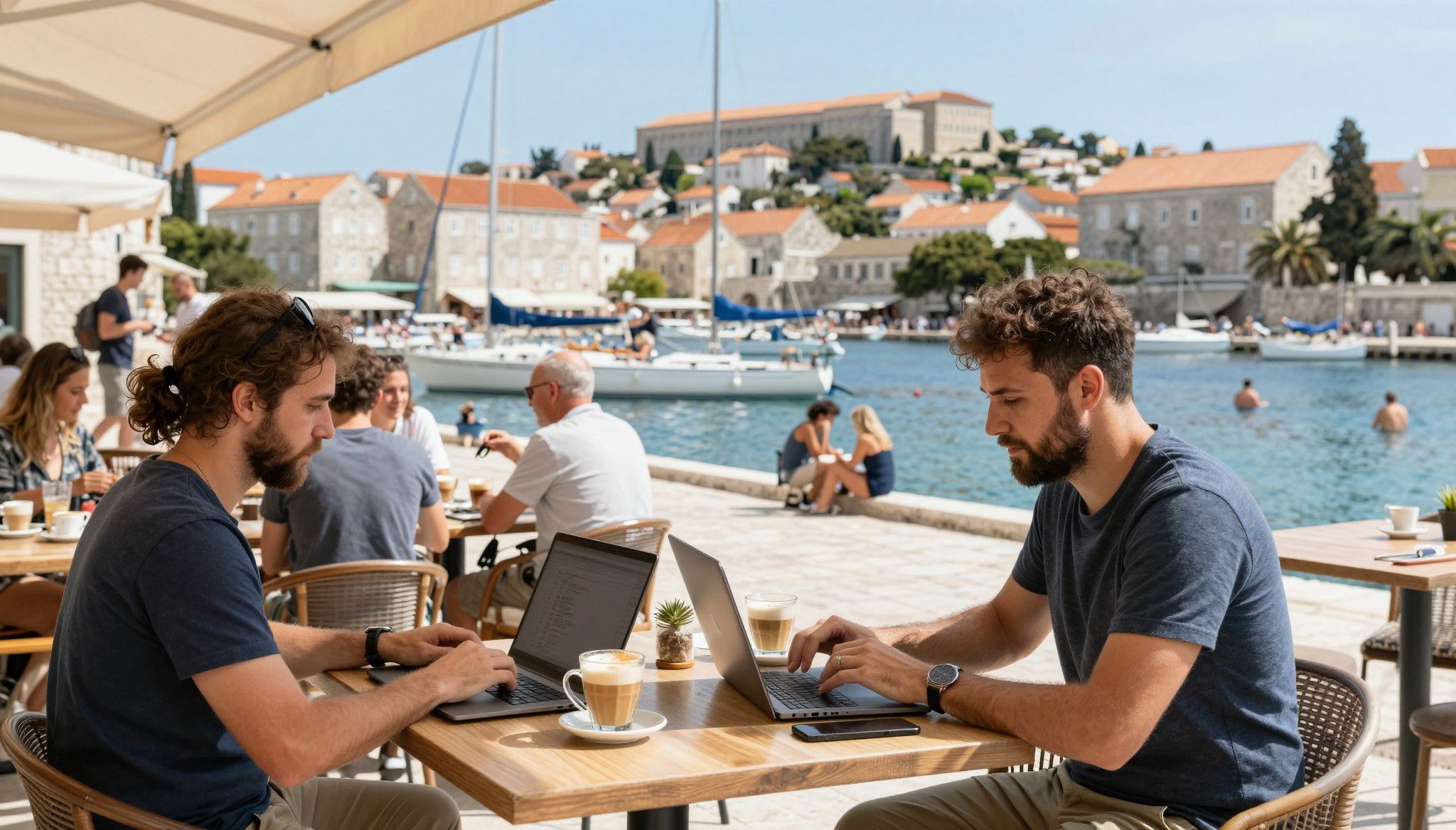
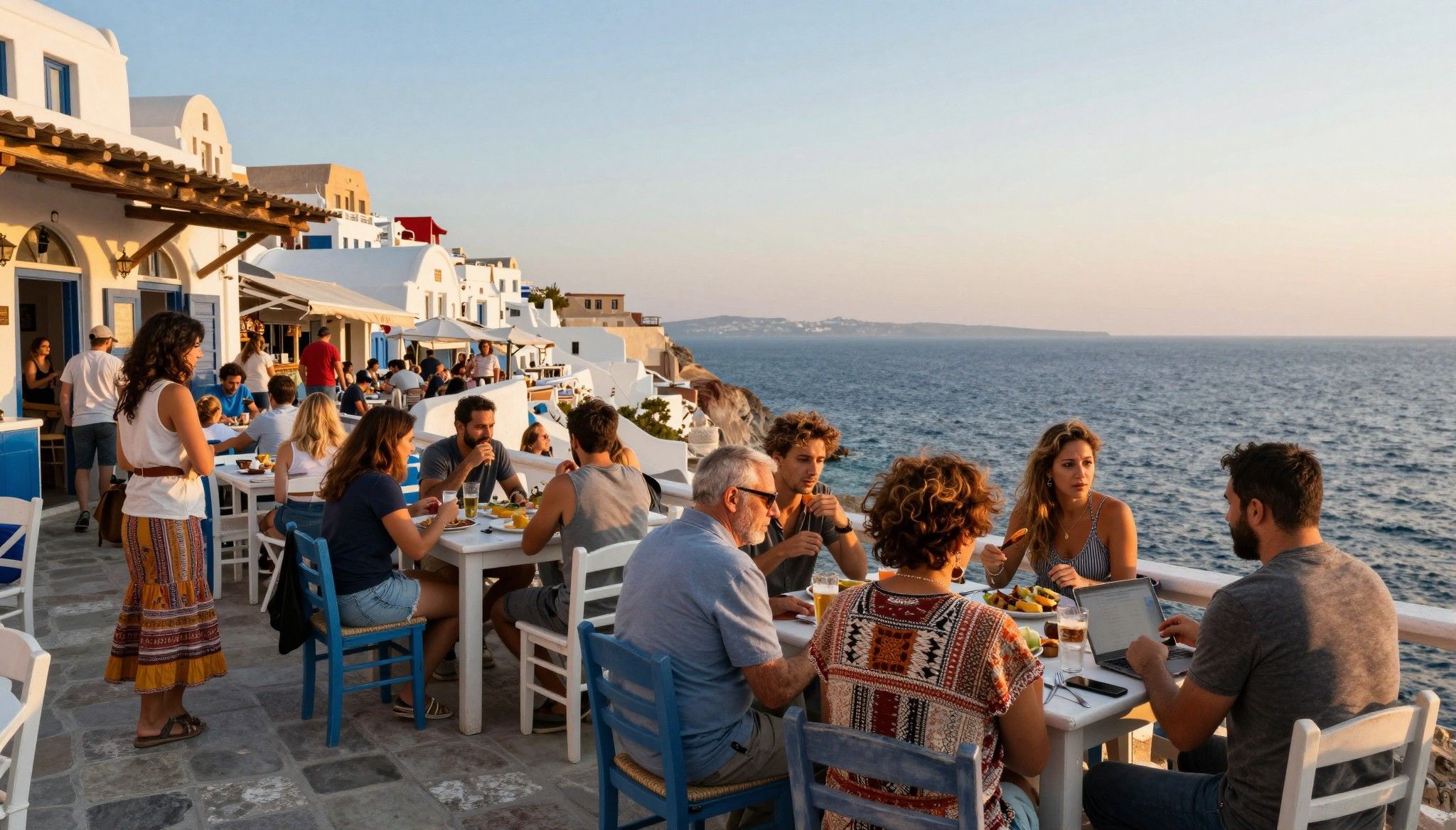
Picture this: a sunlit morning espresso on a narrow Athens street, the smell of fresh fish at Piraeus market, and turquoise water visible from a rooftop balcony on Tinos. Greece is that contrast — confident cities next to sleepy islands, buzzing kafeneia and quiet villages where everyone knows your name. For nomads and remote workers, it's equal parts work-friendly and wonderfully distracting. But the romance collides with real market moves, zones, and rules that shape how — and where — you should buy.
Living the Greece lifestyle
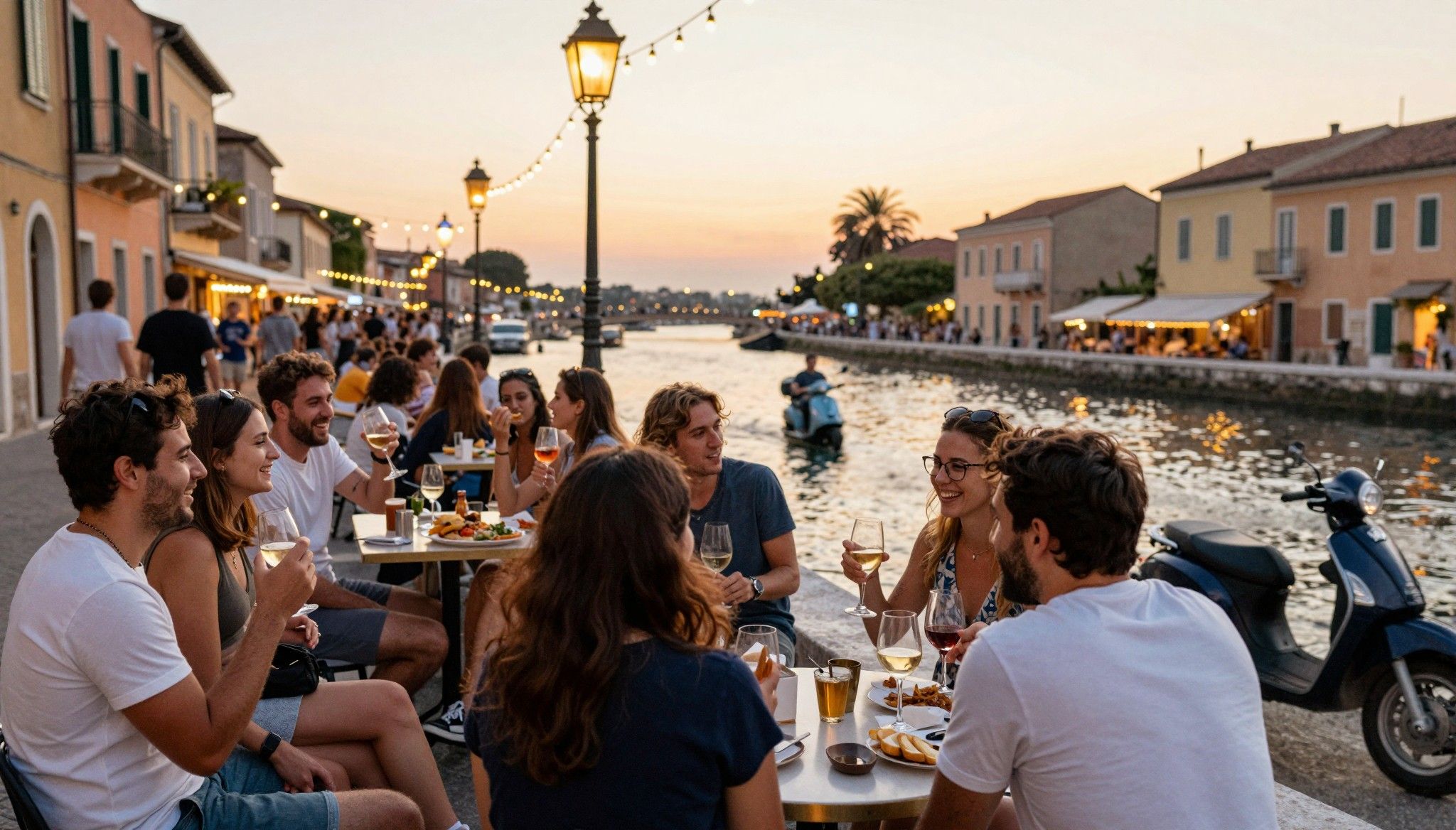
Greece lives in open-air rhythms: coffee at 9am, a long lunch in summer, late-night streets in coastal towns, and dramatic quiet in winter. Urban life — Athens' Exarcheia or Koukaki, Thessaloniki's Ladadika — blends old stone with cafés and coworking hubs. On islands like Paros or Syros you'll trade night buses for narrow alleys and ferries; winter brings solitude and lower prices. The everyday here is tactile: markets, bakeries, neighbors waving, and beaches that steal your Saturday.
Neighborhood spotlight: Athens — Koukaki, Pangrati, and Kolonaki
Koukaki hums with expat flats, coffee shops, and fast Wi‑Fi on corner terraces — a sweet spot for nomads who want walkability and easy access to the Acropolis. Pangrati is quieter, with parks, family-owned tavernas, and a more local rhythm; expect a mix of young families and creatives. Kolonaki is polished, with galleries and high-end restaurants — great for lifestyle but pricier and less of the casual street culture remote workers crave.
Food, markets and seasonal life
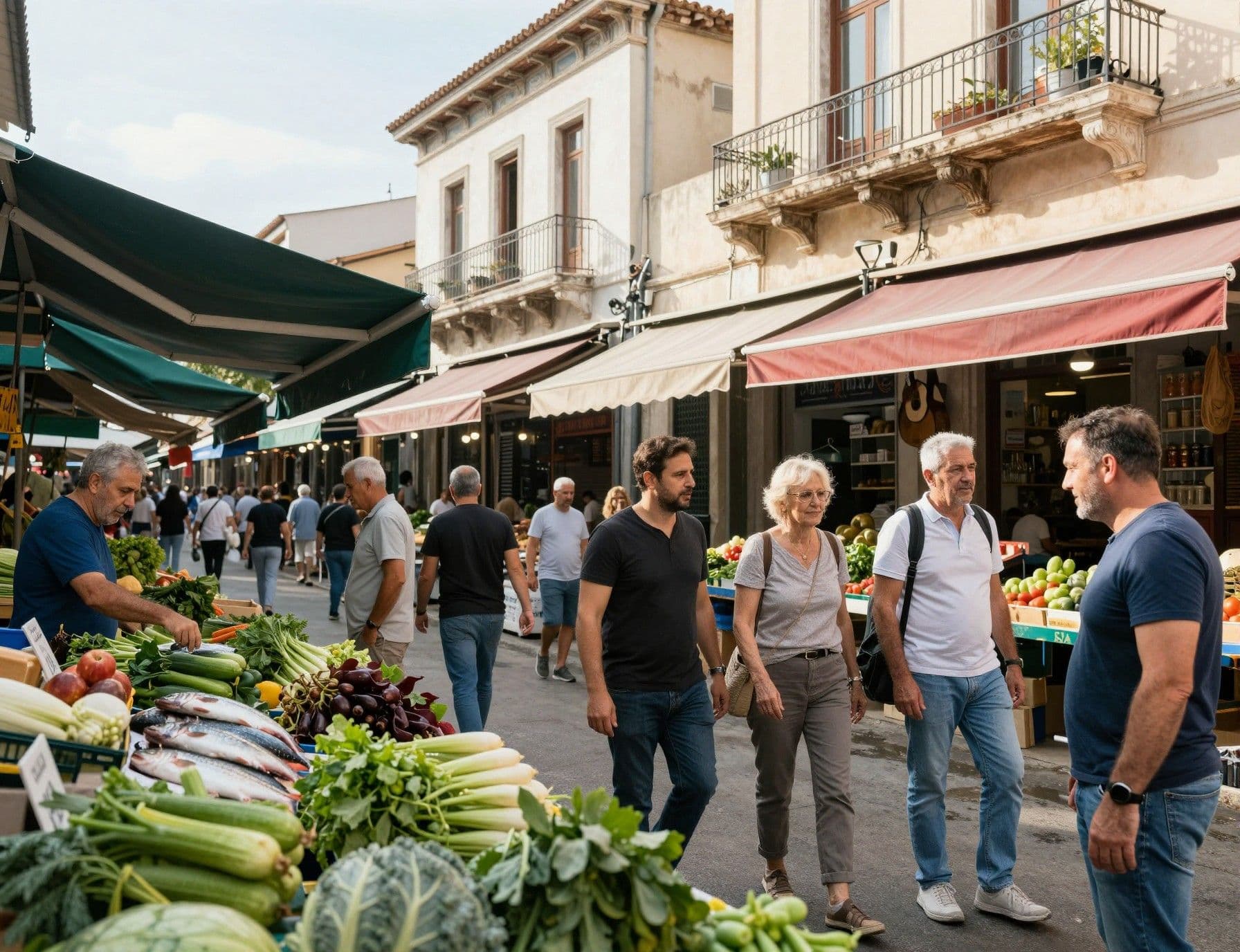
Morning market runs are a ritual: olives, feta, octopus drying in the sun, and citrus in winter. Islands host summer festivals (panigiria) that transform public squares into music and food fests; mainland towns switch to slow winter life with family dinners and wood-fired ovens. If you love fresh ingredients and social dining, your weekdays will mirror a local's slow joy — and your weekends will be outdoor adventures.
- Espresso culture at 8am in a tiny kafeneio; evening seaside tavernas serving grilled octopus.
- Morning markets: Varvakios (Athens) or Modiano (Thessaloniki) for seasonal produce and local sourcing.
- Island weekends: Paros beaches for windsurfing, Syros for year-round cultural life, small ferries as daily routines.
Making the move: lifestyle-tested practicals
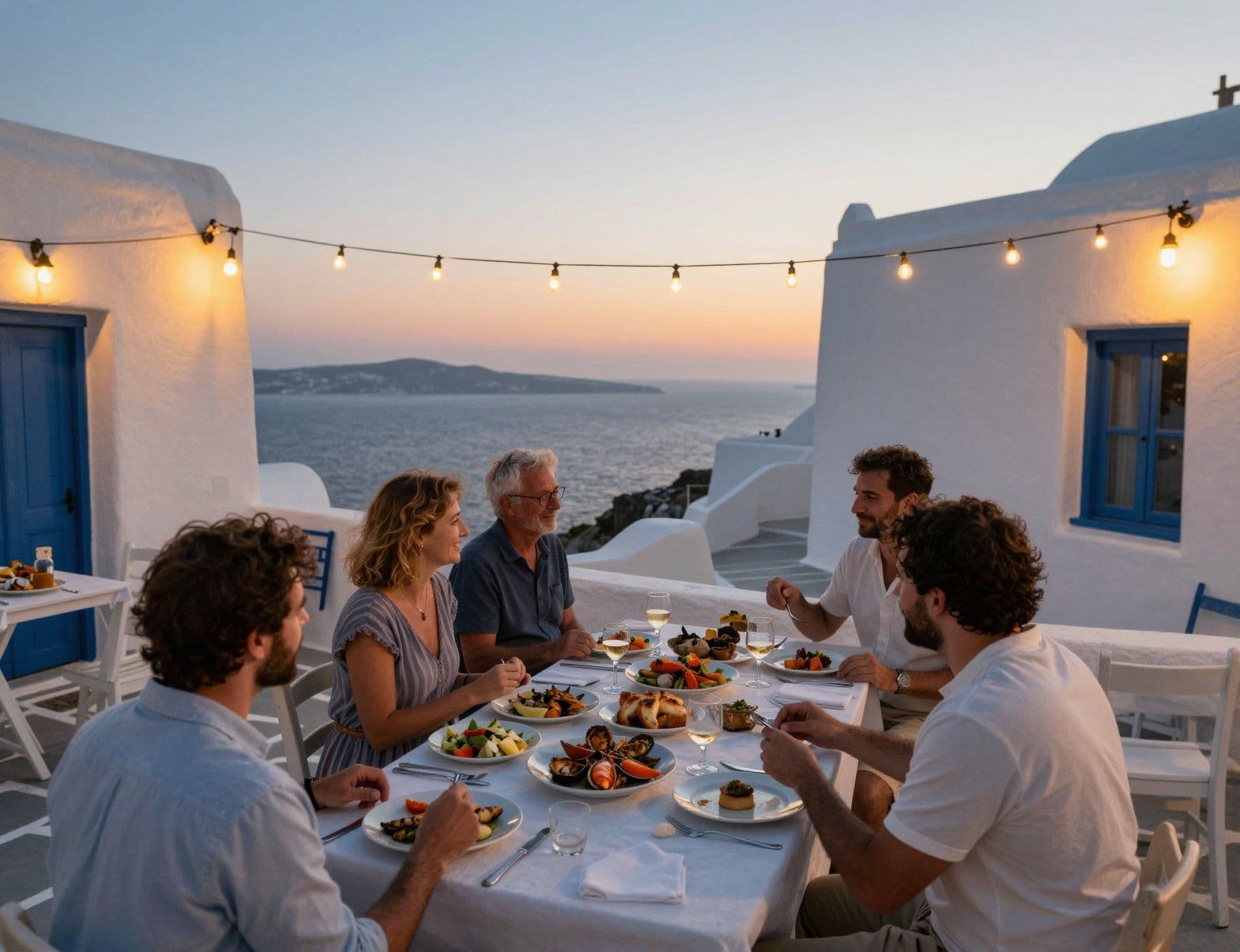
The dream of living in Greece is real — but markets have momentum. Residential prices rose in recent quarters and foreign investment plays a clear role in demand. That means timing, neighborhood choice, and understanding investment zones (especially post-2024 Golden Visa adjustments) matter more than ever. Treat the lifestyle as the lead and the market as the guardrail: let daily life decide the area, then let data refine the offer.
Property styles: island stone homes, Athens neoclassical flats, and new builds
Stone island houses are romantic but often need insulation, plumbing updates, and solid internet work. Athens' neoclassical flats have high ceilings and neighborhood charm — fantastic for apartment co‑living or a lifestyle hub — but check elevators and modern heating systems. New builds give modern comforts, better energy efficiency, and easier rentals but can feel soulless; they often command higher prices in hot areas.
Work-friendly features to prioritise
- Fast, reliable internet (ask for measured speed tests) — aim for 50–100 Mbps for smooth calls and uploads.
- A bright, quiet workspace (terraces or high ceilings help) that doubles as a day office.
- Proximity to cafes/coworking (Athens has multiple hubs; islands have pop-up coworking in season).
- Heating/AC reliability: island summers are hot; winters can be unexpectedly chilly in stone homes.
Working with local experts who get the life you want
A great agency in Greece is part matchmaker, part fixer. Look for agents who know the rhythm of neighborhoods, can test internet and utility setups, and who have vetted contractors for winter-proofing and rental-ready furnishing. Agencies connected to local expat communities and coworking hubs will help you find properties that feel lived in from day one.
- Book a neighbourhood scout day: visit cafes, test internet, meet local managers, and feel the commute at your work hour.
- Ask an agent for recent rental yields if you plan to offset costs — yields vary widely between Athens and islands.
- Hire a local architect/engineer for technical due diligence on older homes — it's where budgets surprise most buyers.
Insider knowledge: what expats wish they'd known
Expats often underestimate seasonal swings. Islands bloom in May–September and quiet dramatically outside season — which affects rental income, shops, and flight frequency. Mainland cities keep a steadier rhythm, but price pressure in Athens and selective islands rose after 2023–2024 policy and market shifts. Knowing population trends and price indices helps you pick an area where lifestyle and investment logic align.
Language, community and daily integration
Greek is lovely to learn and people appreciate the effort; English is widely spoken in cities and islands. Join local volunteer events, language exchanges, or market mornings to make friends quickly. Small kindnesses — learning a few phrases, attending a panigiri — open doors that paperwork can't.
Long-term life: how neighborhoods change
Neighborhoods evolve: a quiet Athenian street can fill with cafés in months; islands can gain seasonal coworking hubs that change off-season dynamics. Think 3–5 year horizons: will improved ferry links, renovated public spaces, or new coworking options make your chosen area more liveable? If you buy where locals still live rather than only where tourists flock, you’re buying into durable community life.
- Look for municipal investments (ports, bike lanes) that hint at neighbourhood upgrades over the next few years.
- Check island flight/ferry frequency in winter — connectivity often decides whether a place is livable year-round.
- Ask agencies for recent renovation permits and contractor references — old stone homes are beautiful but need care.
You came for a life: mornings at neighborhood bakeries, workdays with a sea view, slow dinners with new friends. The practical steps — testing internet, checking energy systems, understanding recent legal thresholds — are small tasks that protect that life. Use local agents as cultural interpreters, not just property finders.
Next steps: schedule a neighbourhood scout day, book an engineer for shortlisted homes, and ask your agent for measured internet results and recent sale comparables. If residency via investment matters to you, review post-2024 Golden Visa zones carefully — they change where capital flows and price pressure concentrate. Then pack a light bag, because Greece rarely lets you leave once you’ve tasted it.
British expat who moved from Manchester to Mallorca in 2017. Specializes in market analysis and helping fellow Brit navigate local regulations.