Greece: Love the Life, Check the Visa Reality
Greece offers city energy and island calm — but residency rules and neighborhood differences now shape where nomads should buy. Check Golden Visa thresholds, broadband, and local permits first.
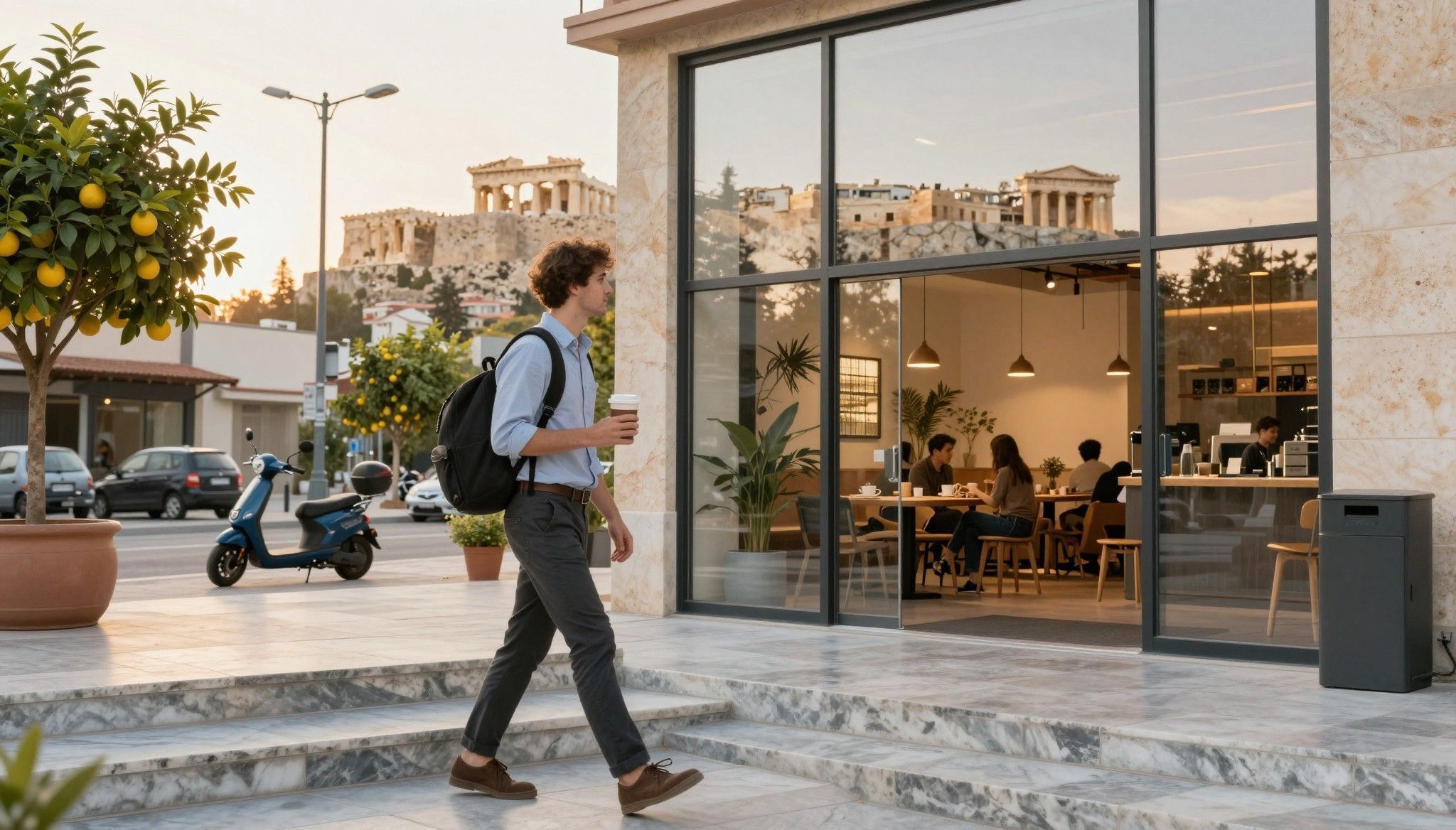
Imagine stepping out of your apartment in Athens’ Koukaki, coffee in hand, the Acropolis at golden hour on your walk to a sunlit coworking space — then taking a long weekend to island-hop to Paros for sea‑swimming and seafood. That tension — city energy by weekday, island calm on the weekend — is the real Greece many nomads fall in love with. But the path from daydream to keys-in-hand has quirks: visa rules shifted recently, neighborhood math matters, and “postcard” choices don’t always match remote‑work needs.
Living the Greece lifestyle
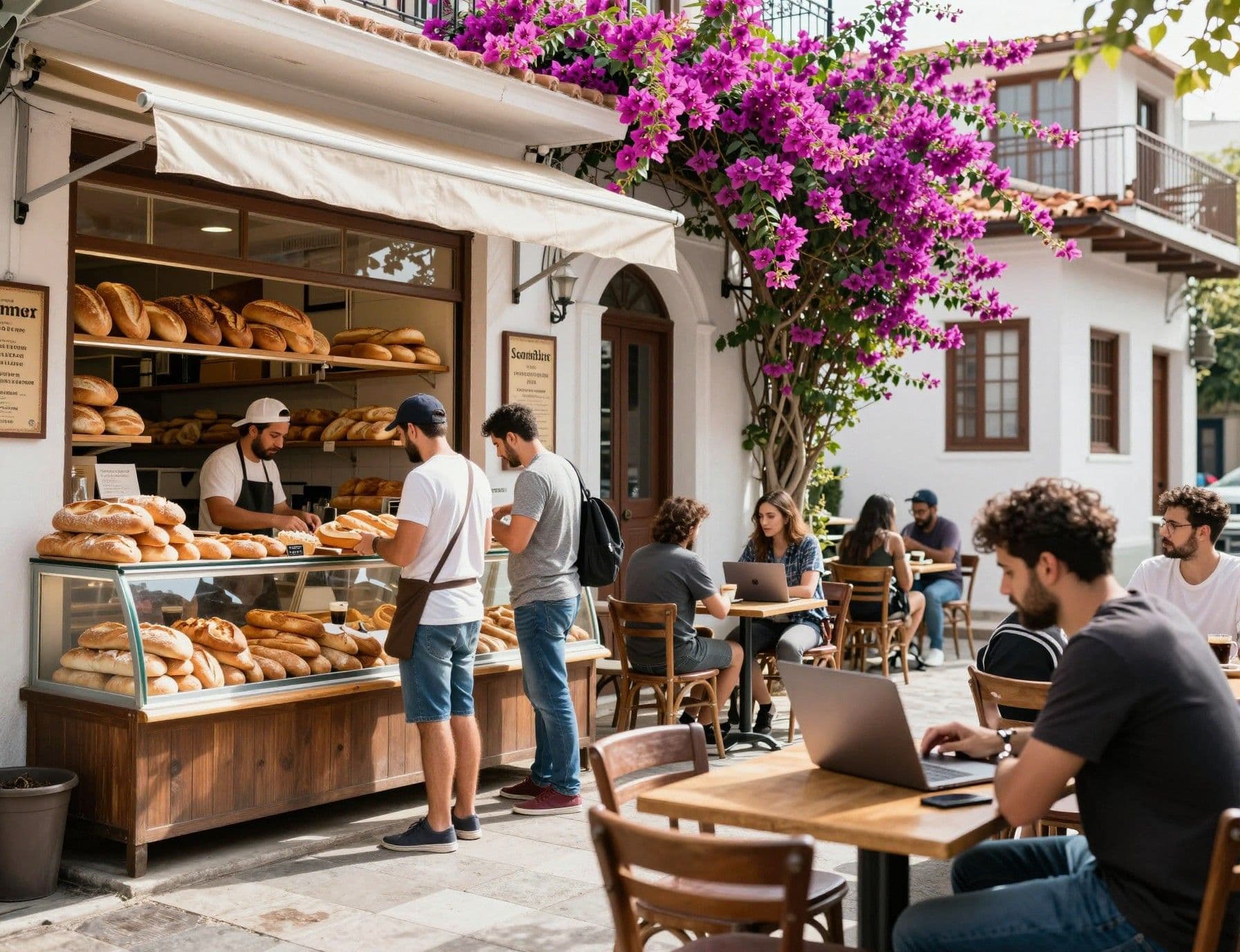
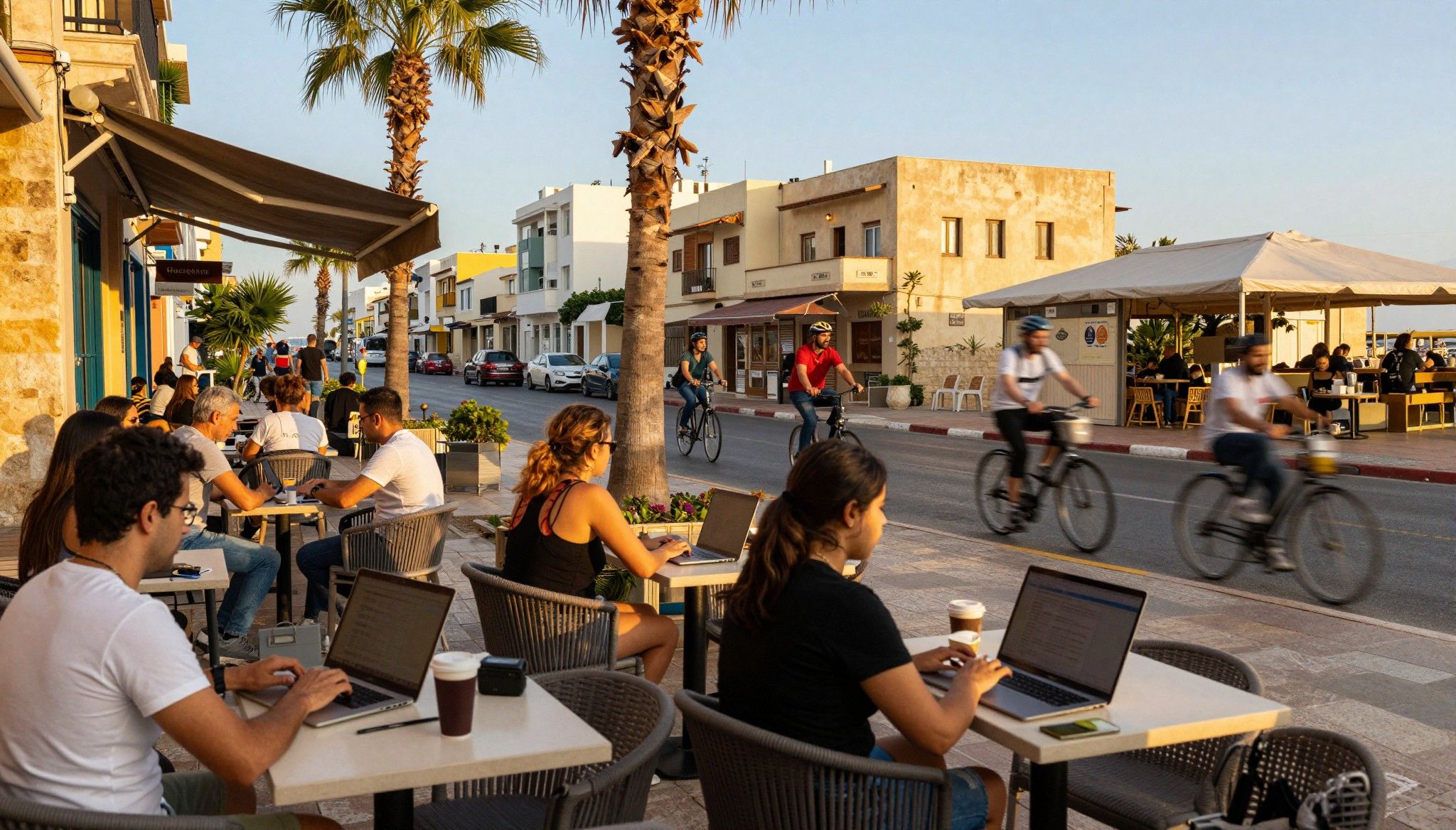
Life in Greece is sensory: citrus and roasted coffee, marble sidewalks in Athens, wind-swept bougainvillea in the Cyclades, and long slow lunches where time stretches. The day-to-day is built around outdoor cafes, neighborhood bakeries, and small routines — a municipal market run in Exarchia, a late-afternoon ferry queue in Piraeus — that shape where you choose to live and how a property performs as both a home and a remote‑work base.
City pulse: Athens neighbourhoods that work for nomads
Koukaki and Pangrati lend themselves to morning espresso and evening tavernas; Kolonaki is polished and walkable with boutique coworking; Gazi and Kerameikos buzz with nightlife and cafes for late work sessions. For reliable broadband and easy client meetings, pick neighborhoods near metro stops (Syntagma, Monastiraki, Panepistimio) — they cut commute friction and keep your life flexible.
Island days and weekend escapes
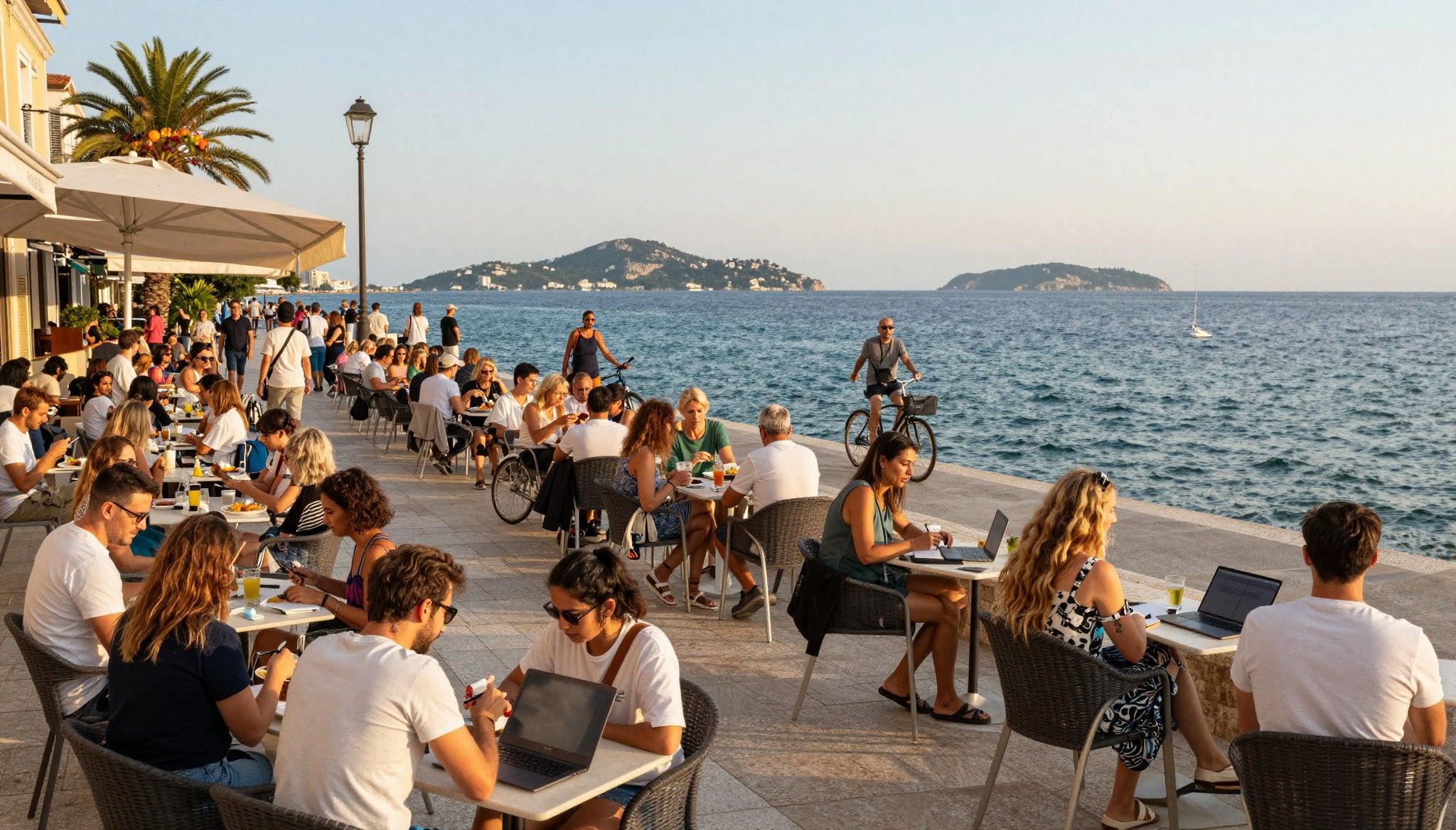
The islands offer contrasts: Mykonos and Santorini are social magnets (and expensive), while Paros, Naxos and Syros deliver local rhythm, family-run bakeries and calmer work-friendly corners. Seasonal life matters — many towns quiet dramatically in winter — so plan whether you want a year-round community (e.g., Chania in Crete) or a seasonal pied-à-terre.
- Lifestyle highlights: cafes, markets, beaches, and hidden gems
- Morning espresso at Taf in Koukaki; a Saturday at Varvakios Market sampling cheese and olives; sunset drinks on Thira’s caldera path; working from Impact Hub Athens then a late swim at Vouliagmeni.
Making the move: practical considerations

Dreams meet paperwork here. Greece’s residency-by-property rules changed in 2024–2025: minimum investment thresholds now vary by area and by type of property (standard purchases, conversions, or restorations), and some island and city zones carry higher thresholds. That matters for where you look — a villa on a hotspot island can cost you residency eligibility that a similar price in a second‑tier town would not. Always check the latest rules before you write an offer.
Property styles that fit the nomad life
Choose for use, not just looks. Whitewashed Cycladic houses are dreamy but often need insulation and reliable A/C; neoclassical flats in Athens are walkable and often have higher resale liquidity; new-builds in Thessaloniki offer modern infrastructure and faster internet. If you plan to run a business or host guests, check zoning and change-of-use rules early — conversions can unlock lower Golden Visa thresholds but require fast, compliant upgrades.
How local experts protect the lifestyle you want
- Steps a good local agency and lawyer will do for you: 1) Verify Golden Visa eligibility for the exact property and location before you bid. 2) Check cadastral status and historical-use restrictions that block conversions. 3) Audit broadband options and ISP availability to confirm remote‑work viability. 4) Run comparable rental and resale analysis linked to lifestyle demand (coworking proximity, beach access).
Insider knowledge: what expats wish they’d known
Expectation vs reality: many arrive expecting 24/7 tourist life; they discover neighborhood rituals — the butcher’s handshake, the bakery queue — that become the real draw. Also, prices moved up faster than many expected through 2024–2026, and liquidity varies wildly between islands and mainland cities. Buying for lifestyle means accepting some trade-offs: less instant rental cashflow in quieter towns, better long-term quality of life.
Cultural integration and the small courtesies
Learning basic Greek greetings, respecting midday quieter hours in smaller towns, and sharing local festivals builds instant goodwill. Join a neighborhood association, spend time in the local kafeneio, and you’ll find tradespeople and neighbors who become your local support network — invaluable when you’re renovating, registering utilities, or navigating municipal permits.
Long-term lifestyle realities
Think beyond the purchase: seasonal staffing for holiday rentals, earthquake‑proofing in older properties, solar options for summer energy bills, and long-term maintenance for stone-built homes. These small decisions shape whether your Greek home is a lifestyle asset or an ongoing project.
- Quick red flags to watch for before you sign
- Missing cadastral entry or unclear title; properties listed as “change of use” without permits; no dedicated ISP options; sellers asking for large cash deposits off-contract.
Conclusion — fall for the life, then lock the logistics. Greece gives you sea-scented mornings, neighborly rituals, and the flexibility to build a hybrid life between cities and islands. But the biggest wins come from aligning a property’s practical details with the lifestyle you want: the right neighborhood for your work rhythm, reliable internet, and an expert local team who knows the Golden Visa shifts and municipal realities. Start by shortlisting neighborhoods, confirming visa thresholds for specific properties, and booking a local agency consultation to map offers to lifestyle outcomes.
Norwegian who has helped 200+ families relocate from Oslo to Spain; expert in relocation services and community integration.