Finance & Banking Moves That Make France Livable
Fall in love with France's daily rhythms while mastering mortgages, euro currency moves, and notaire costs—practical steps to finance and bank like a local.
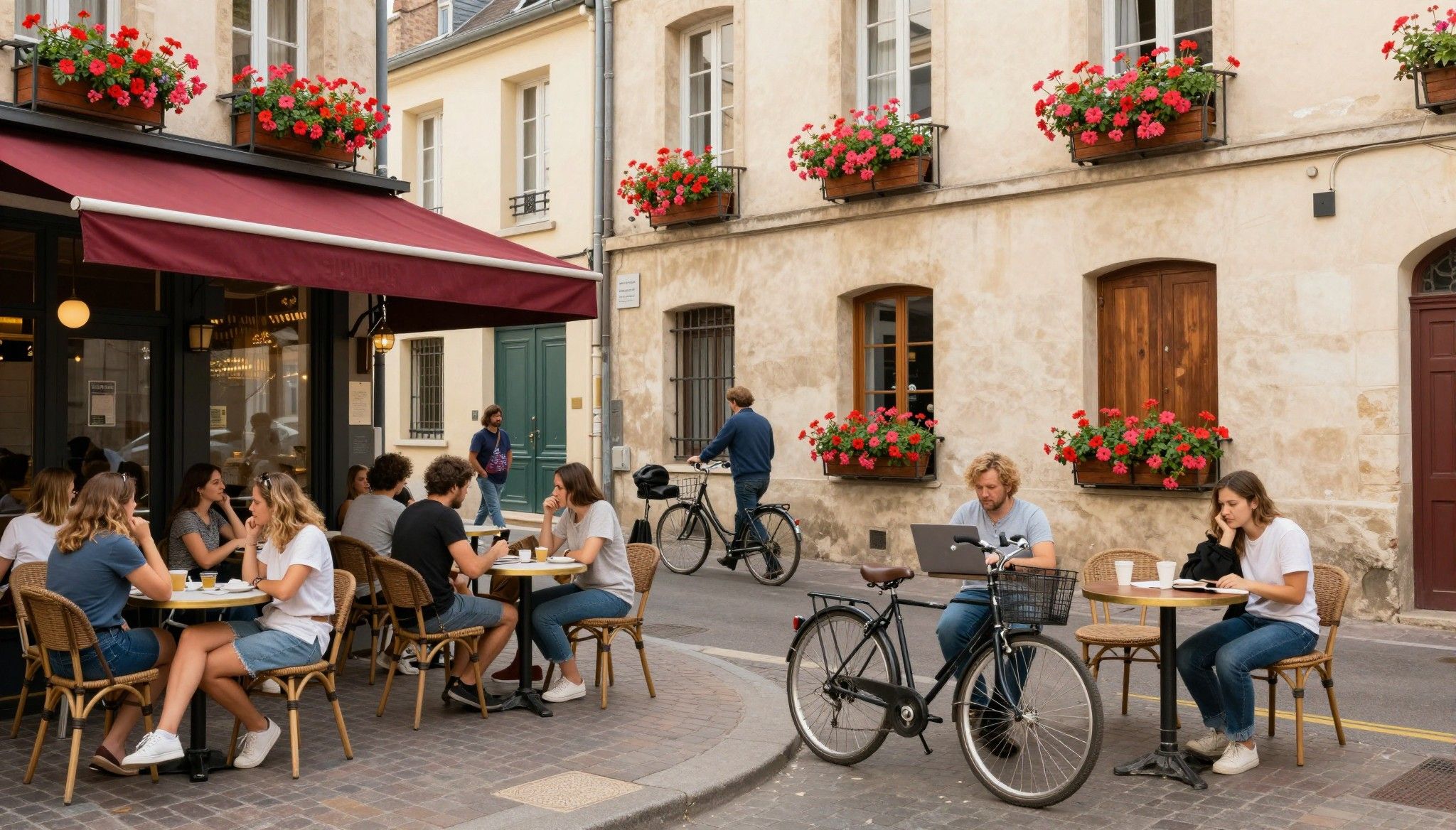
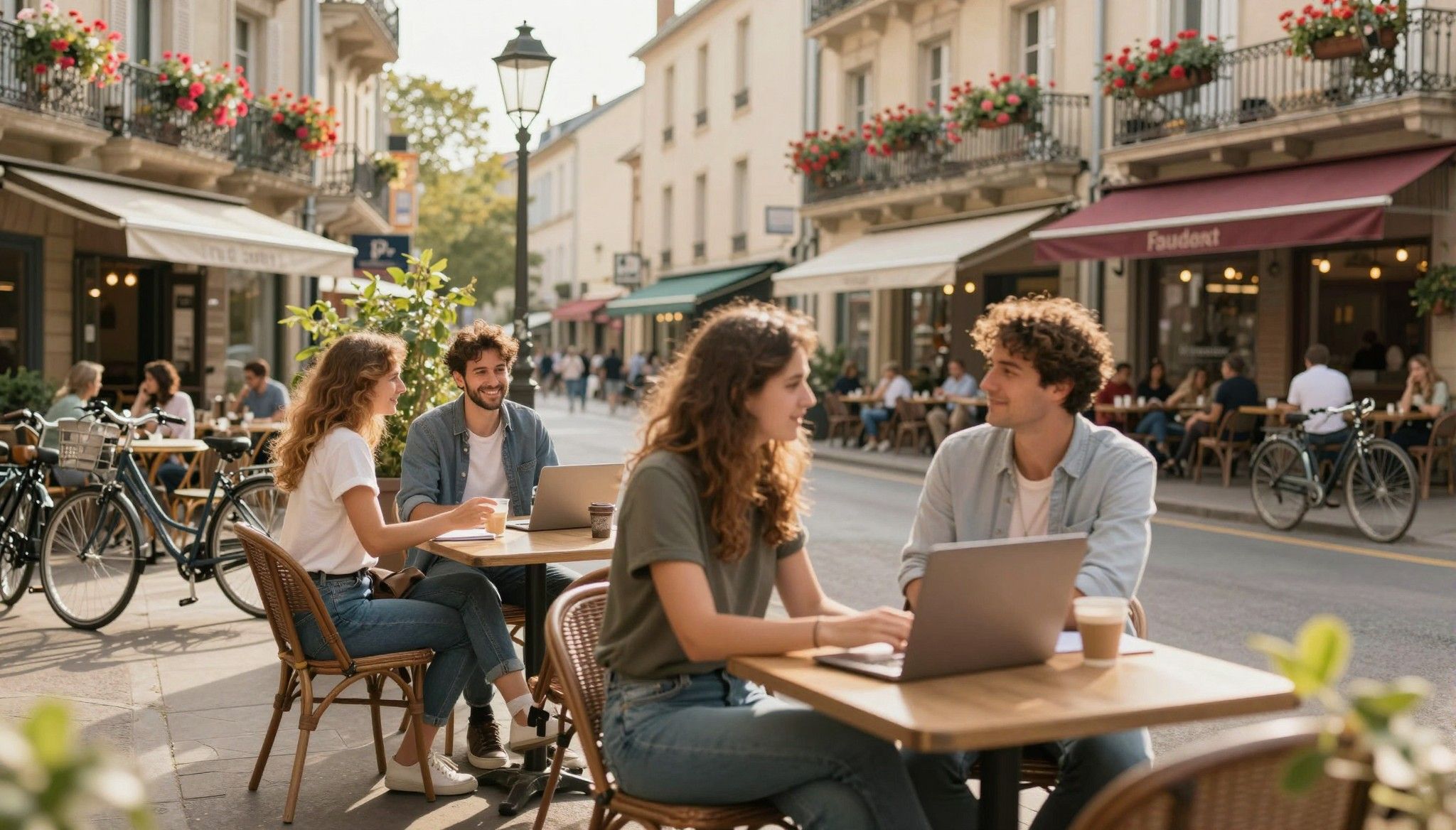
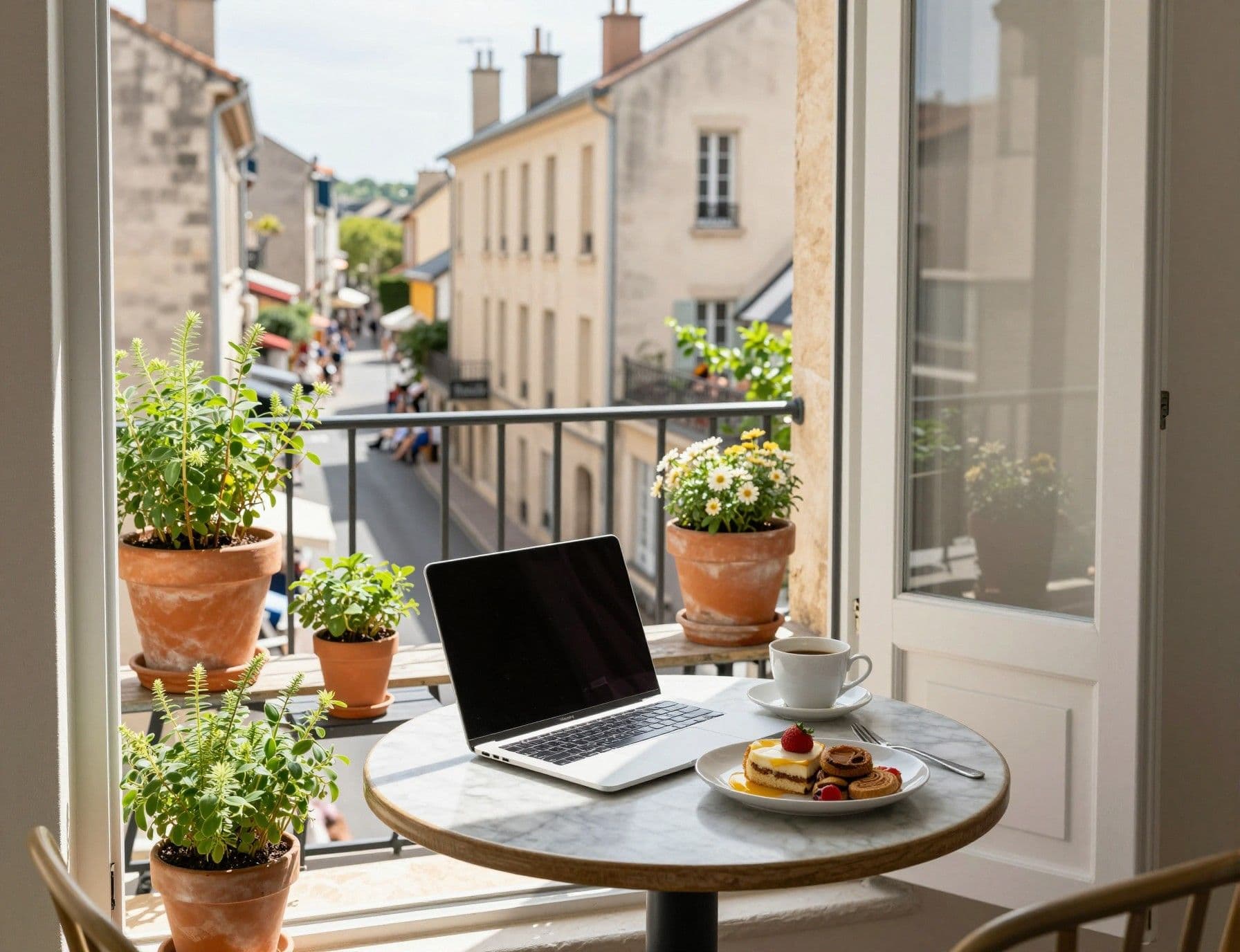
Imagine sipping café at a sunlit terrace on Rue Cler in Paris, then closing your laptop and walking to a local marché for fresh chèvre and crusty baguettes. That daily ease is why so many nomads and remote-workers fall for France. But love and logistics are different things: mortgages, cross-border banking, and currency moves can turn that romance into friction unless you plan the financial steps right. This guide blends the French rhythm of life with concrete financing moves—so you can feel at home while your money works for you.
Living the France life: more than postcards
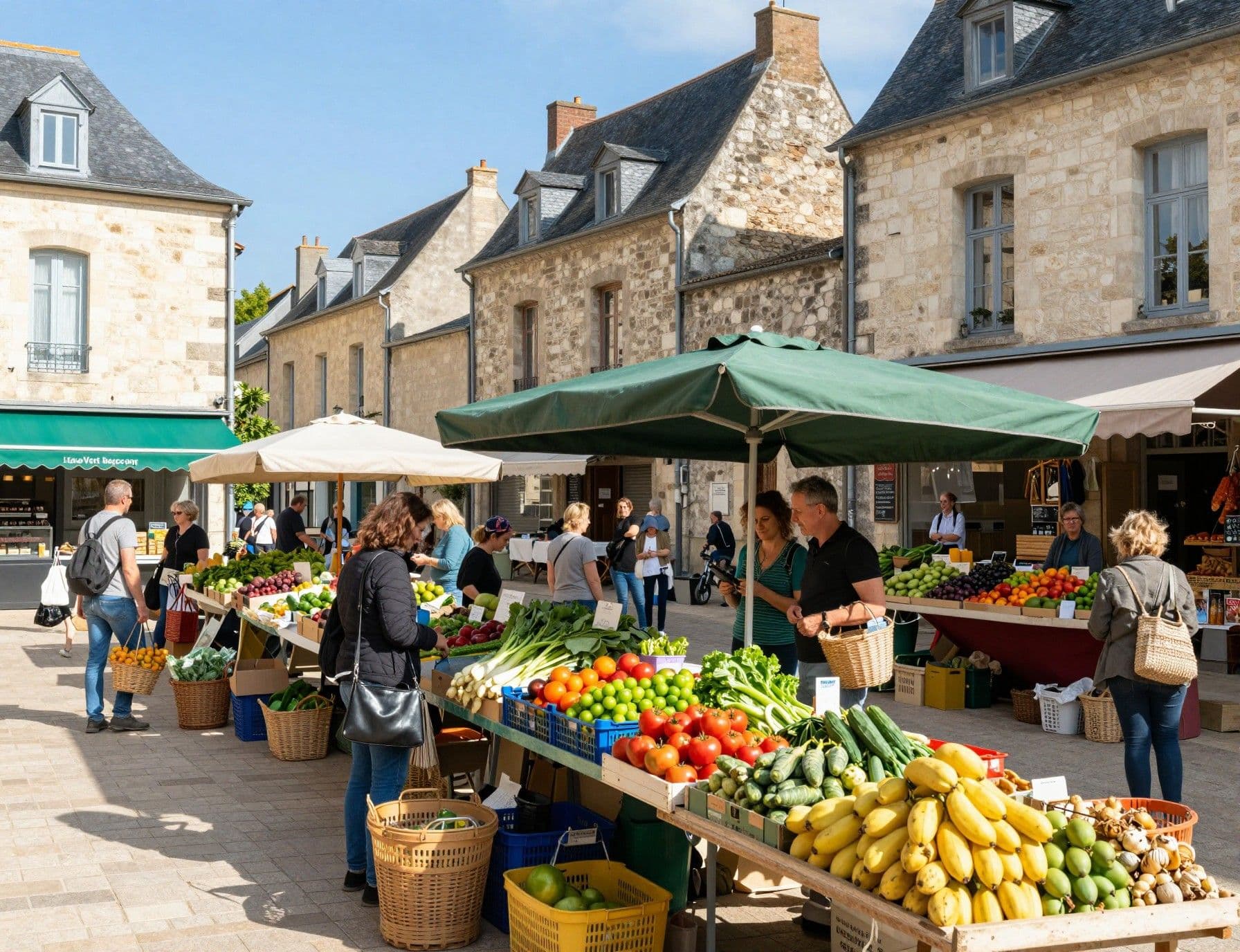
France isn't a single mood—it's village markets in Provence, surf culture on the Basque coast, historic lanes in Lyon, and slow afternoons in Bordeaux's wine bars. Urban neighborhoods pulse differently: Paris arrondissements hum with cafés and co-working spots, while towns like Aix-en-Provence or Annecy trade nightlife for mountain access and weekend hikes. Recent data show steady national price growth, but pockets of opportunity remain outside headline cities. Knowing where life fits your work rhythm matters as much as the number on the price tag.
Paris: lanes, cafés, and surprising pockets of calm
Picture mornings in Canal Saint‑Martin with laptop open and espresso in hand, then late afternoons wandering the artisanal shops of the 11th. Paris is expensive in headlines, but neighborhoods like Belleville, parts of the 19th, or working-class Nanterre fringe offer better value and authentic community. If you want 24/7 culture, walkability, and coworking density, Paris delivers—just be ready to trade square meters for access and atmosphere.
South of France: sun, markets, and seasonal realities
From Nice's Promenade to quiet Luberon villages, the south offers outdoor life and slower mornings. Summer brings festivals and tourists, which uplifts short‑term rental income but also inflates seasonal prices and service costs. For nomads, choose towns with year‑round amenities—Aix, Montpellier or Biarritz—if you want reliable internet, coworking and community beyond high season.
Making the move: practical financing and banking
Dreams need dollars—or euros—so let's get blunt: French mortgage rules, notaire fees, and currency swings change a plan fast. French banks lend to non‑residents, often requiring 20–30% down and proof of reliable income or local ties. Expect notaire (closing) costs of roughly 7–8% for existing homes, and differing rates for new builds. Keep an eye on borrowing costs: French mortgage offers vary with Euribor and national trends, so timing and a solid dossier matter.
Currency moves: why a plan beats panic
If your income isn't in euros, small exchange-rate shifts can add thousands to your mortgage over time. Lock in forward contracts with specialist FX providers for large deposits, or split currency exposure across staggered transfers. Opening a euro account (SEPA‑enabled) at a French bank simplifies payments for utilities, taxe foncière, and mortgage debit. A local account also helps build a relationship with lenders—useful when negotiating rates.
Steps to secure finance in France
1) Compile a dossier: translated payslips, tax returns, proof of savings and ID. 2) Get a local pre‑approval to show sellers you’re serious—French sellers respond to dossiers. 3) Compare fixed vs variable rates; consider rate‑cap products or short‑term fixes if you expect currency gains. 4) Plan for the 7–8% closing costs plus ~1–2% for agency fees and negotiations. 5) Arrange FX tools for deposits and staggered payments to protect against volatility.
Insider knowledge: what expats wish they'd known
The nicest surprise for many internationals is how community forms around daily rituals—markets, boulangeries, local bars—not just expat Facebook groups. But people also underestimate bureaucracy: bank letters, proof of address, or a French guarantor can unlock better mortgage terms. Build relationships with a local notaire and a bilingual mortgage broker; they'll translate both language and process in ways that save time and money.
Cultural quirks that affect buying
Sellers expect a clean dossier and seriousness—lowball offers can be ignored or even offend. Renovation expectations also differ: many French homes keep original character (think exposed beams and small kitchens) and buyers often budget for modernization. Local etiquette—polite emails in French, punctuality for visits—helps you stand out as a reliable buyer and neighbor.
Money and lifestyle tradeoffs worth considering
• Buy smaller in a great neighborhood to get the lifestyle, not just the asset. • Prioritize reliable internet and workspace over a view if you work remotely. • Expect seasonal rental demand if buying in tourist regions, but check local short‑term rental rules first. • Factor in ongoing maintenance for older buildings—co-ownership charges (charges de copropriété) can be higher than expected. • Use a French bank relationship to access better mortgage conditions and local services.
Before you sign: three practical checks that save headaches. First, request the syndic dossier and last three years of co‑ownership accounts if buying an apartment. Second, verify cadastral boundaries and servitudes—especially in rural or coastal properties where access rights matter. Third, get a clear timeline for closing: offers (compromis de vente) usually include a 10‑day cooling period, then a typical three‑month window to notaire signing. These steps protect both lifestyle and wallet.
Final taste: living here and the next steps
Picture yourself: morning market runs in Saint‑Germain, co‑working afternoons in Bordeaux’s Darwin Ecosystem, weekends surfing at Hossegor, evenings at a village festival with locals who now know your name. The finance side—mortgages, FX, notaire fees—doesn't dampen the joy if you plan a dossier, secure sensible currency protection, and partner with local experts. Start with a pre‑approval, open a euro bank account, and meet a bilingual notaire. Then go sip that café—property is the practical follow‑through to the life you already imagine.
Danish investor and relocation advisor focusing on Portugal and the Algarve; loves coworking culture and expat networks.