Budgeting for Croatia: Plan for the Life, Then the Numbers
Fall in love with Croatian daily life — then build a budget that accounts for seasonality, legal consent rules and real renovation costs backed by official market data.
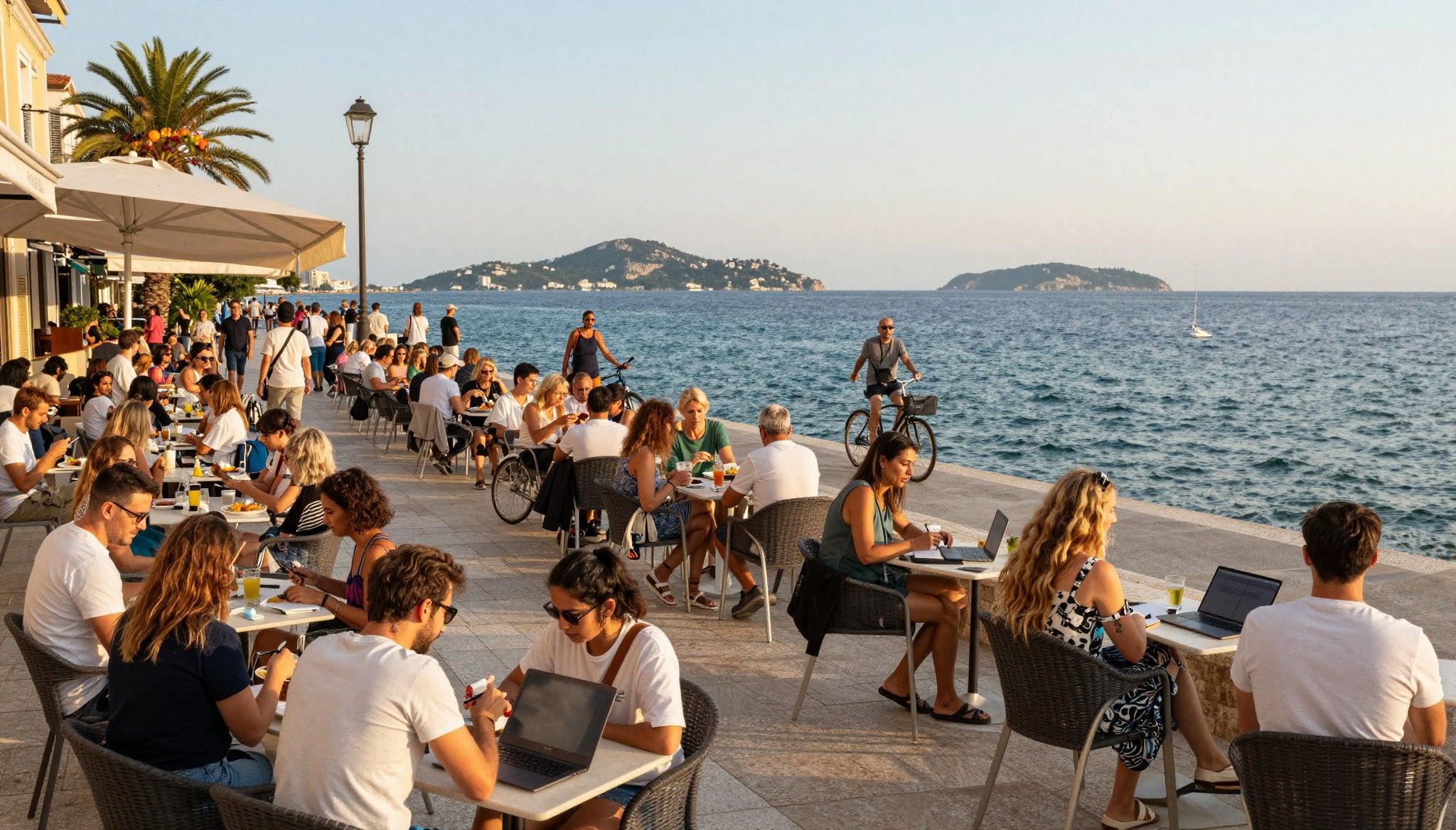
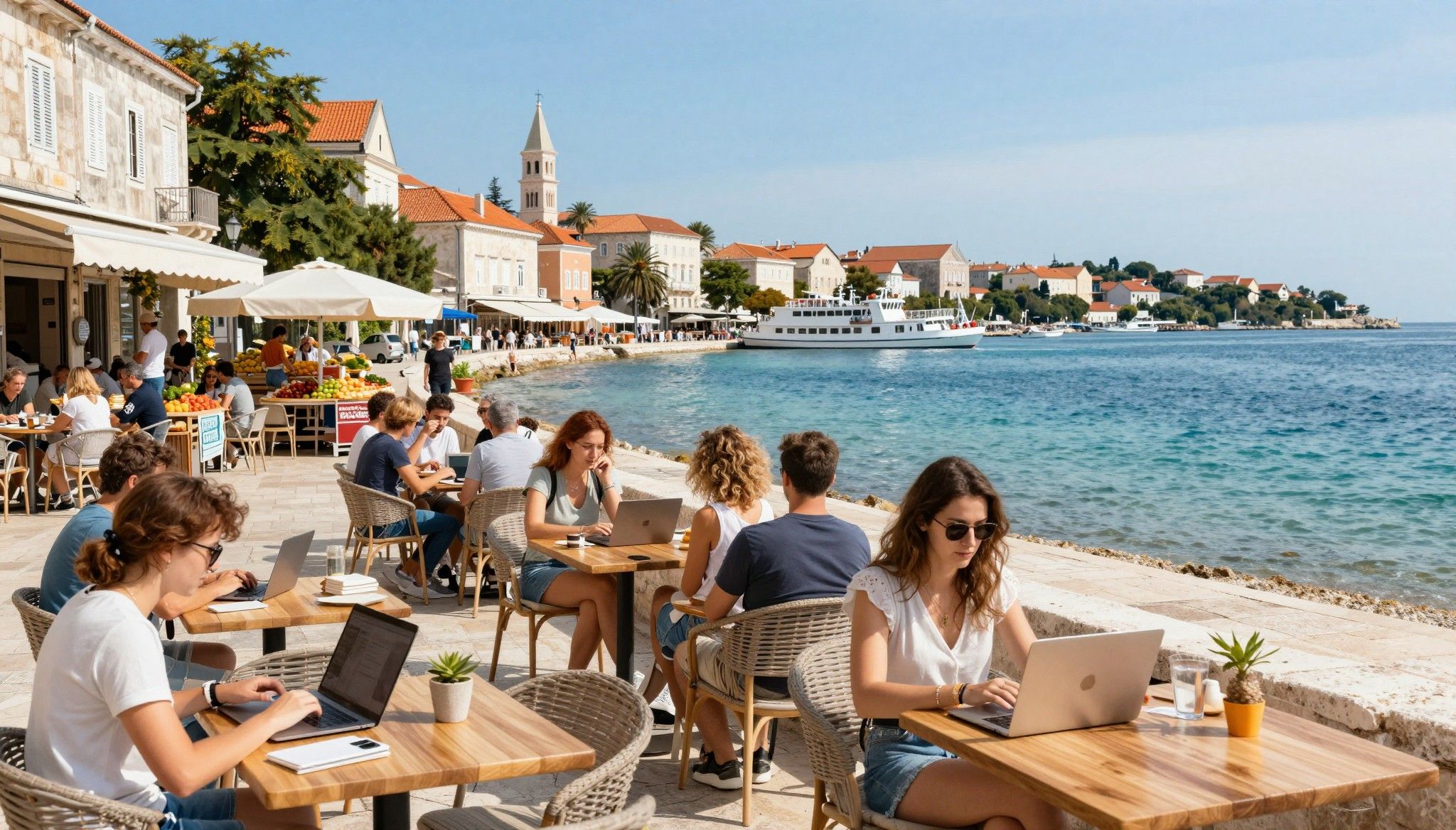
Imagine sipping an espresso at Café Uje on Split’s Riva while the sea scent mixes with fresh-baked focaccia — that easy Adriatic rhythm is Croatia. For international buyers dreaming of a sunny terrace, cobbled streets and a strong café culture, Croatia sells a lifestyle as much as a property. But love-at-first-sight needs budgeting muscle: prices have shifted quickly in recent years, and planning your total cost is the difference between a dreamy move and an expensive surprise. We’ll walk through how to set a realistic budget for Croatian life — from the daily pleasures to the paperwork and taxes that pay for them.
Living the Croatia life: what you’ll actually wake up to
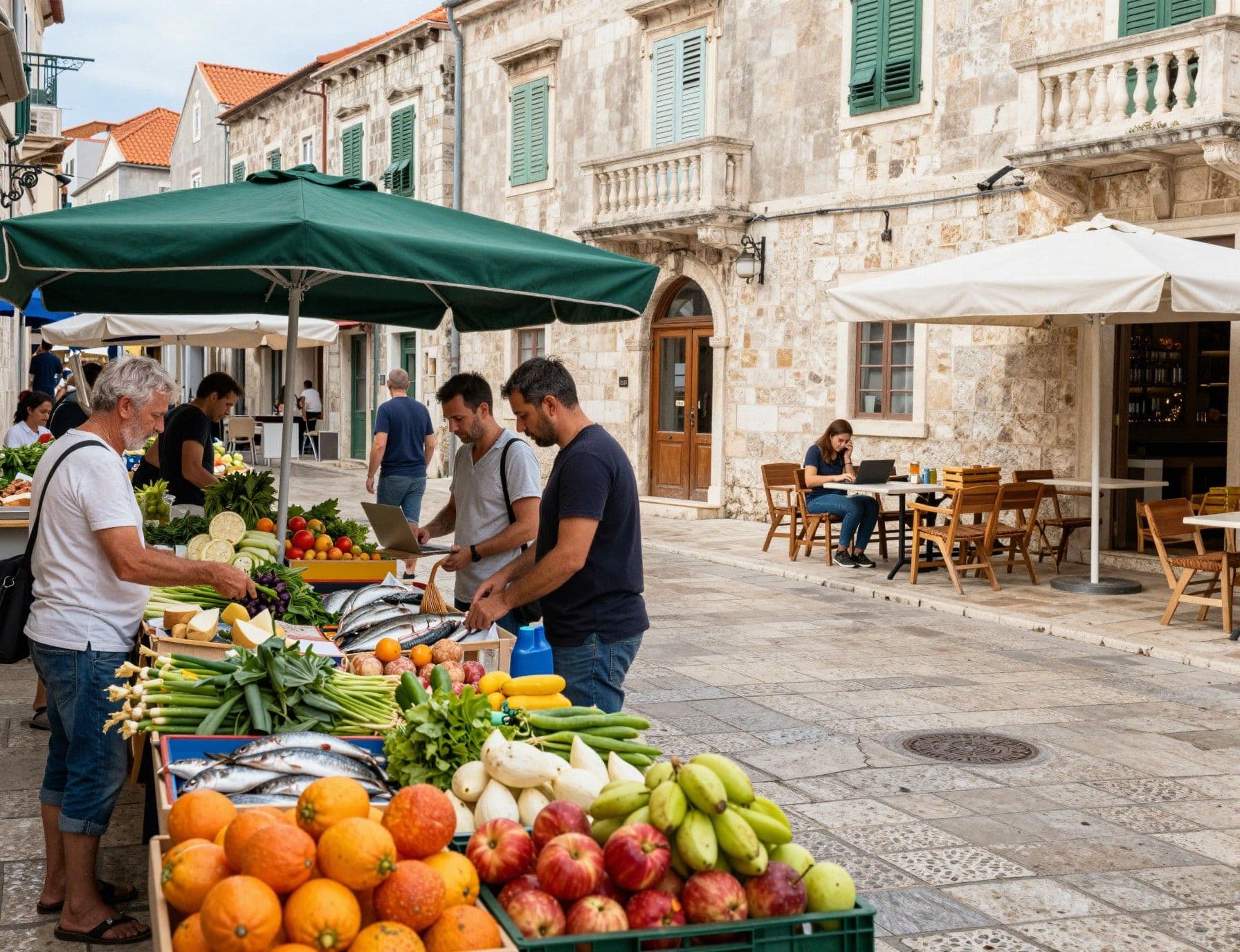
Mornings in Croatia vary wildly by region — Dalmatia moves at a seaside, sunscreen-scented pace; Istria blends wine-country calm with market mornings; Zagreb hums with a city-work rhythm. These rhythms shape what you’ll pay: coastal towns attract seasonal demand and tourist-driven price pressure, while inland areas often give better value and quieter year-round life. Recent official data shows strong year-on-year house price growth in Croatia, so your budget should anticipate rising prices and local seasonal swings. Think lifestyle first — then translate that vision into realistic numbers for purchase, running costs and seasonal hosting.
Dalmatian coast: Split, Trogir, Hvar — sun, boats, and fast seasonality
Picture mornings in Split walking the Riva, afternoons testing islands from your weekend home base, and late evenings at konobas eating grilled fish. That magnetism pushes coastal asking prices higher and makes short-term rentals attractive — but it also means vacancy and maintenance peaks to budget for. Local market briefings note that asking prices rose while transaction volumes softened, a dynamic that favors patient buyers who budget for seasonal management and higher upkeep. If you crave the sea, build in a 10–20% buffer for furnishing, maintenance and higher utility use in summer months.
Istria & northern coast: wine, truffles and quieter neighbours
Istria’s hill towns are about slow weekends, farmers’ markets and stone houses with thick walls — perfect if you imagine weekend wine runs and a quieter remote-work routine. Properties here can be renovated for agritourism or comfortable year-round living, but remember regional planning rules and heritage protections can affect renovation budgets. The national investment guide highlights regional differences and administrative steps that can add time and cost to renovation projects. When you budget for Istria, add specialised contractor quotes and possible permit timelines into your plan.
- Lifestyle highlights to price into your plan: morning markets in Dolac (Zagreb), island hopping from Split harbor, wine tasting in Motovun, evening promenades on Rovinj’s Balbi’s Arch, and coworking days at Saltwater in Split.
Making the move: practical budgeting that keeps the dream alive
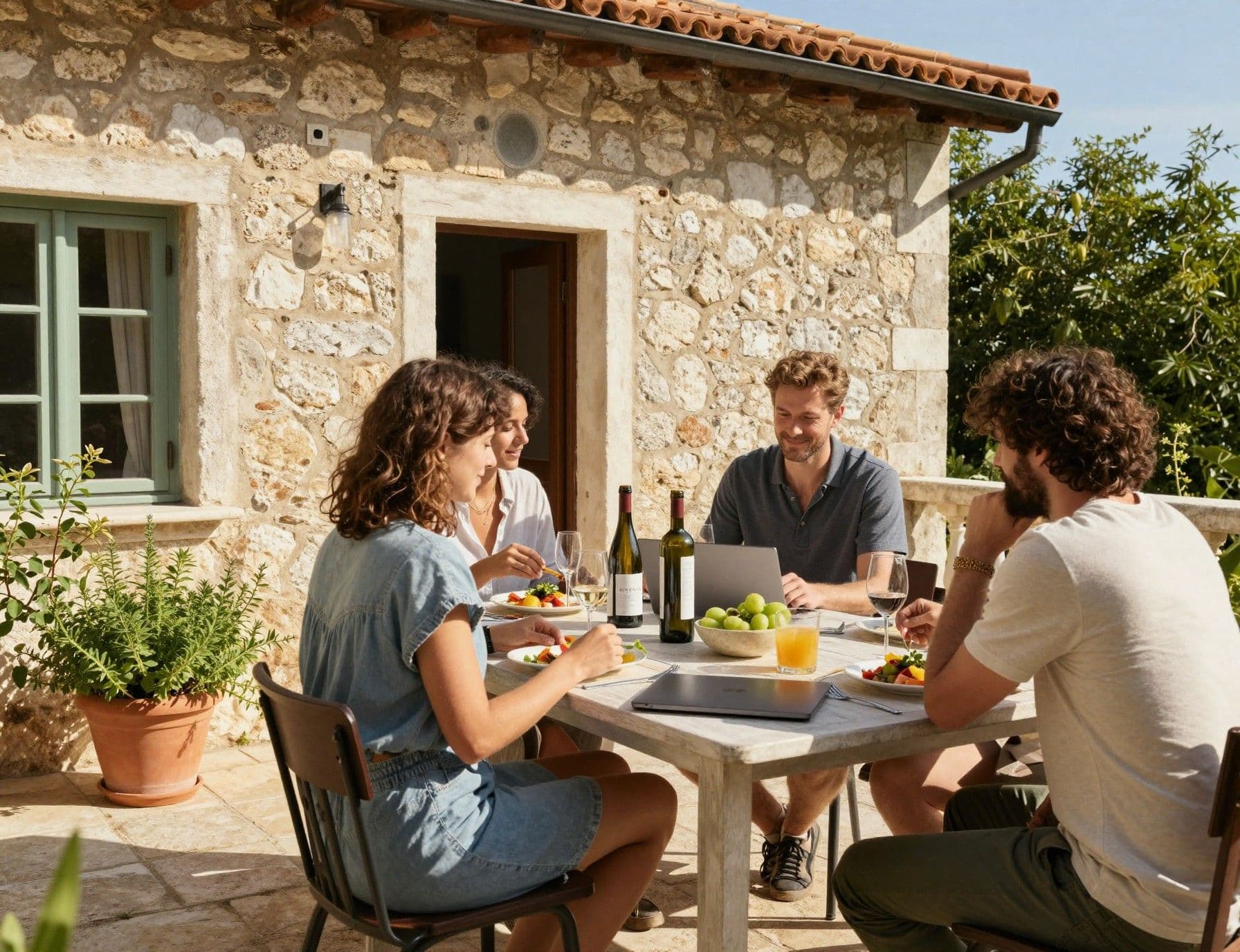
Love and lifestyle aside, Croatia’s buying rules and fees matter to your bottom line. EU citizens enjoy simpler rules; many non-EU buyers need reciprocity or administrative consent, and banks have specific lending practices for foreigners. Government guidance explains the consent procedures and demonstrates why legal costs and administrative waiting times belong in your budget. Start by translating your lifestyle wish-list into a price band, then layer in purchase costs, transaction taxes, lawyer fees and potential permit timelines so nothing surprises you.
Property types & how they change your monthly math
A renovated stone house on an island comes with charm — and higher maintenance, seasonal staff costs and sometimes complex utility upgrades. A new-build apartment in Zagreb may cost more upfront per square metre but often has lower immediate maintenance and modern wiring for reliable internet — a big plus for nomads. Your budget should reflect the property type: older homes often need 10–30% extra for renovation and compliance, while new builds can carry higher mortgage or purchase prices but less short-term spend.
Working with local experts who keep lifestyle promises realistic
- 1. Hire a bilingual lawyer (1–1.5% + VAT typical) to check land registry, permits and reciprocity rules. 2. Use a trusted local agent who knows seasonality and can estimate realistic rental or living costs. 3. Get contractor quotes before you buy for any planned renovations — assume 20% contingency. 4. Open a local bank account early and check mortgage options; rates and eligibility vary for foreigners. 5. Budget for property management or cleaning during your absences if you plan short-term rentals or seasonal stays.
Insider knowledge: what expats say they wished they'd budgeted for
Expats often under-budget ongoing costs: higher summer utilities, property insurance for coastal salt exposure, and municipal tourist taxes if they rent. National housing indices show rapid price growth in recent years, which means buyers who wait may face higher purchase prices but fewer renovation surprises in newer stock. Locals also warn that cheap-looking plots or sea views sometimes hide tricky access or utility costs, so a lower sticker price can balloon with basic infrastructure needs.
Cultural and seasonal realities that affect cash flow
Croatian seasons flip the calendar: high-summer tourism spikes income and costs, while winter can be quiet and cheaper to live in but costly for heating older stone homes. Also expect local administrative timing — permit and subsidy calculations are now using updated average-price methods, which can influence property tax assessments and subsidy eligibility. Factor seasonality into cash flow: will you rely on summer rentals? Do you need winter-ready insulation? These choices change mortgage affordability and management budgets.
Long-term thinking: resale, rental demand and lifestyle shifts
- Key factors to test before you buy: local transport links and flight access, year-round rental occupancy data (not just August), broadband speed and backup options, community services (doctors, grocery, schools), and zoning/heritage constraints that limit renovations.
A Croatian life can be affordable and richly textured — if you budget like a local and prepare for seasonality, admin timelines and property-specific quirks. Start with the lifestyle you want (daily espresso spots, sea swims, weekend markets), convert that into a clear price band, then add layered costs: legal fees, taxes, renovations, contingency and management. When in doubt, breathe, visit in both high and low season, and work with a local agent and lawyer who treat the house as the lifestyle it will enable, not just a line on a spreadsheet.
Next steps: schedule a two-season scouting trip, shortlist neighbourhoods (e.g., Old Town Dubrovnik for postcards; Podsused or Jarun in Zagreb for quieter community life; Split’s Varoš for seaside character), and request a lawyer-reviewed cost estimate before making an offer. That small extra time and budget planning protects your dream and turns the Croatia fantasy into a sustainable, joyful daily life.
British expat who moved from Manchester to Mallorca in 2017. Specializes in market analysis and helping fellow Brit navigate local regulations.