Croatia Due Diligence: Title Checks, Contracts & Red Flags
Practical, sensory-first due diligence for buying in Croatia — from Land Registry checks to red flags, seasonal viewings, and exact transaction costs to budget.
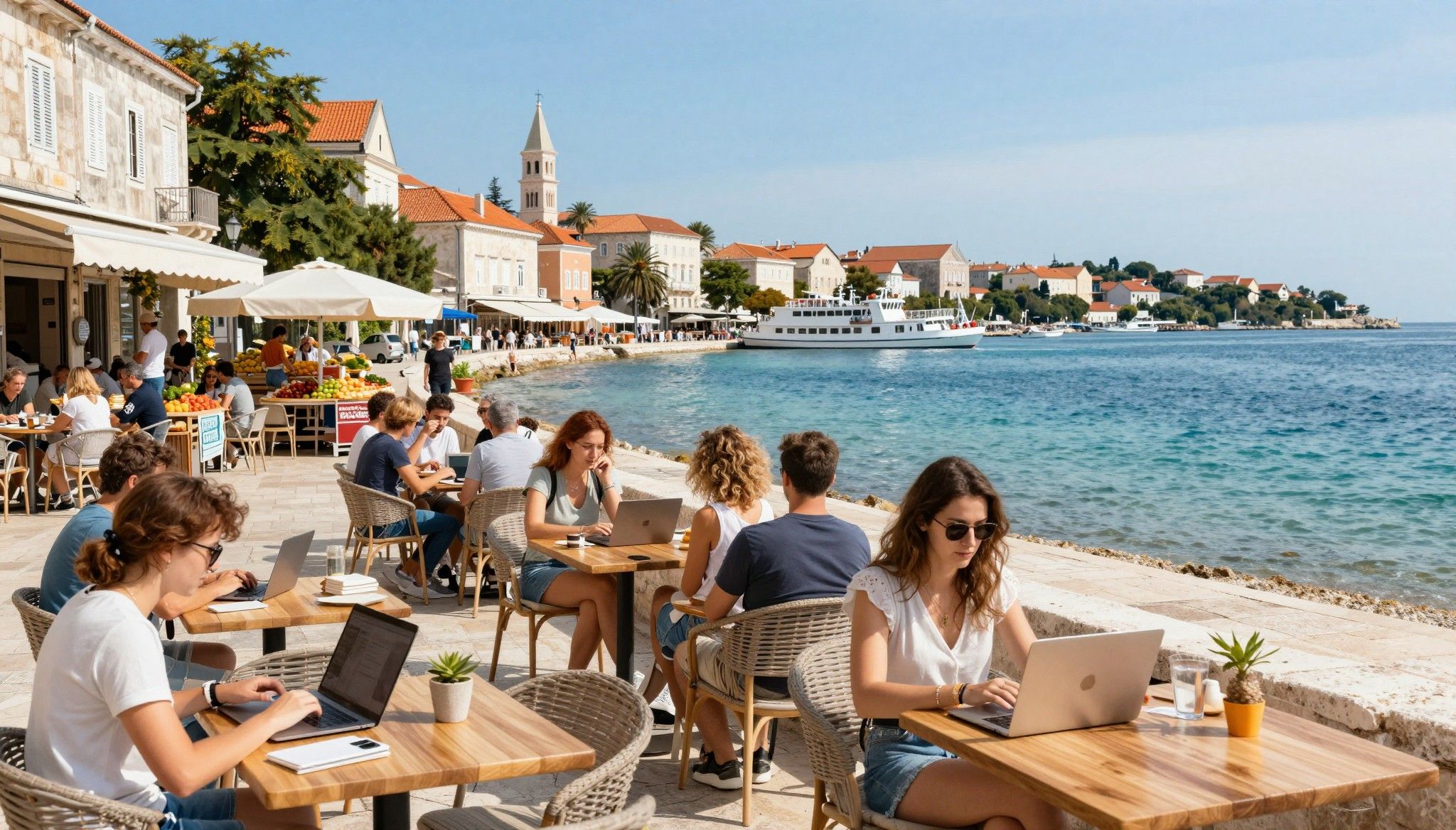
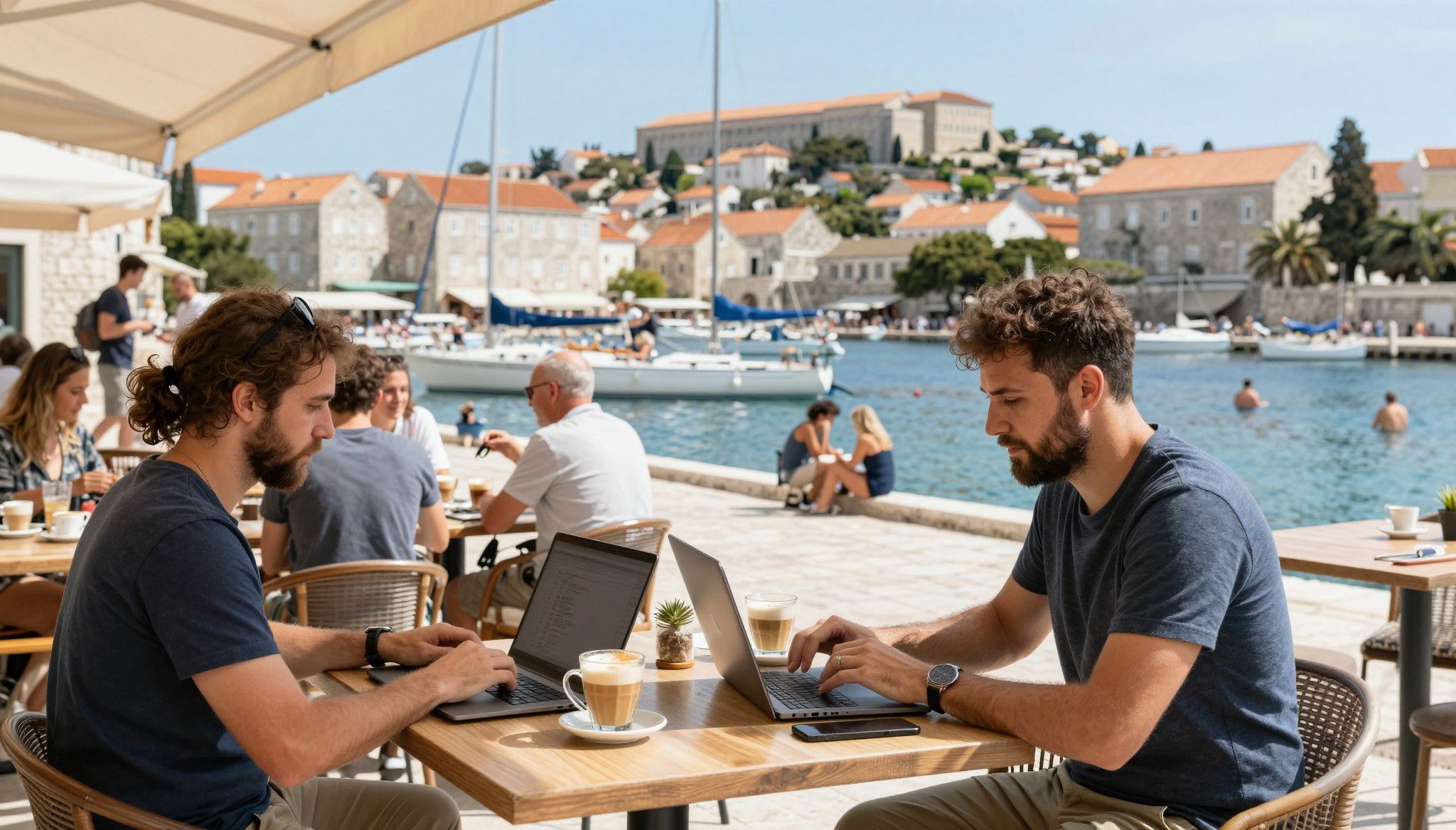
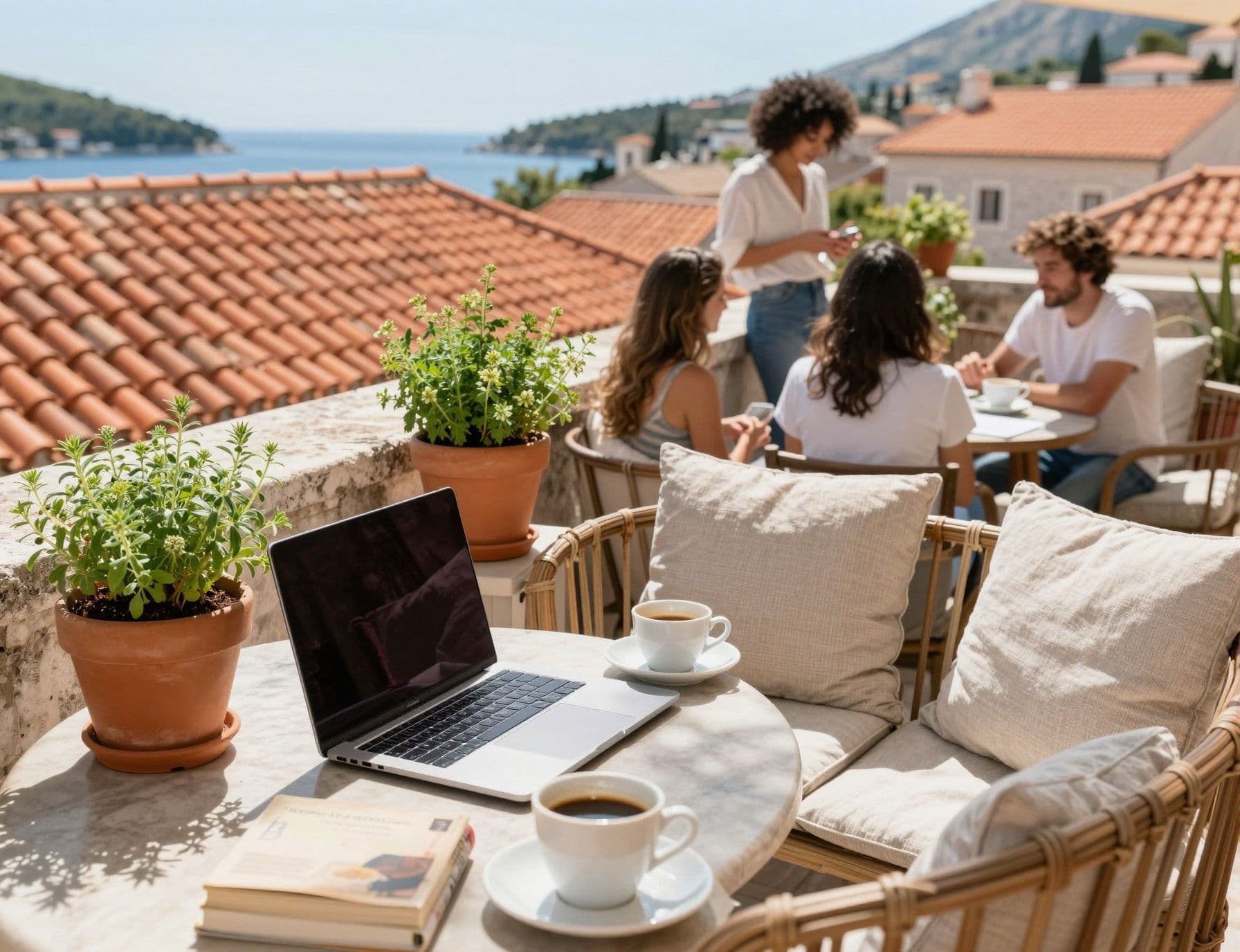
Imagine sipping espresso on Split’s Riva, laptop open, the Adriatic sunlight on your face — and then discovering a title encumbrance that turns your dream into a legal headache. Croatia’s coast is cinematic; the buying process can be technical. This piece blends salty, sensory life with the exact checks that save you time and money.
Living Croatia: how daily life shapes what you need in a property
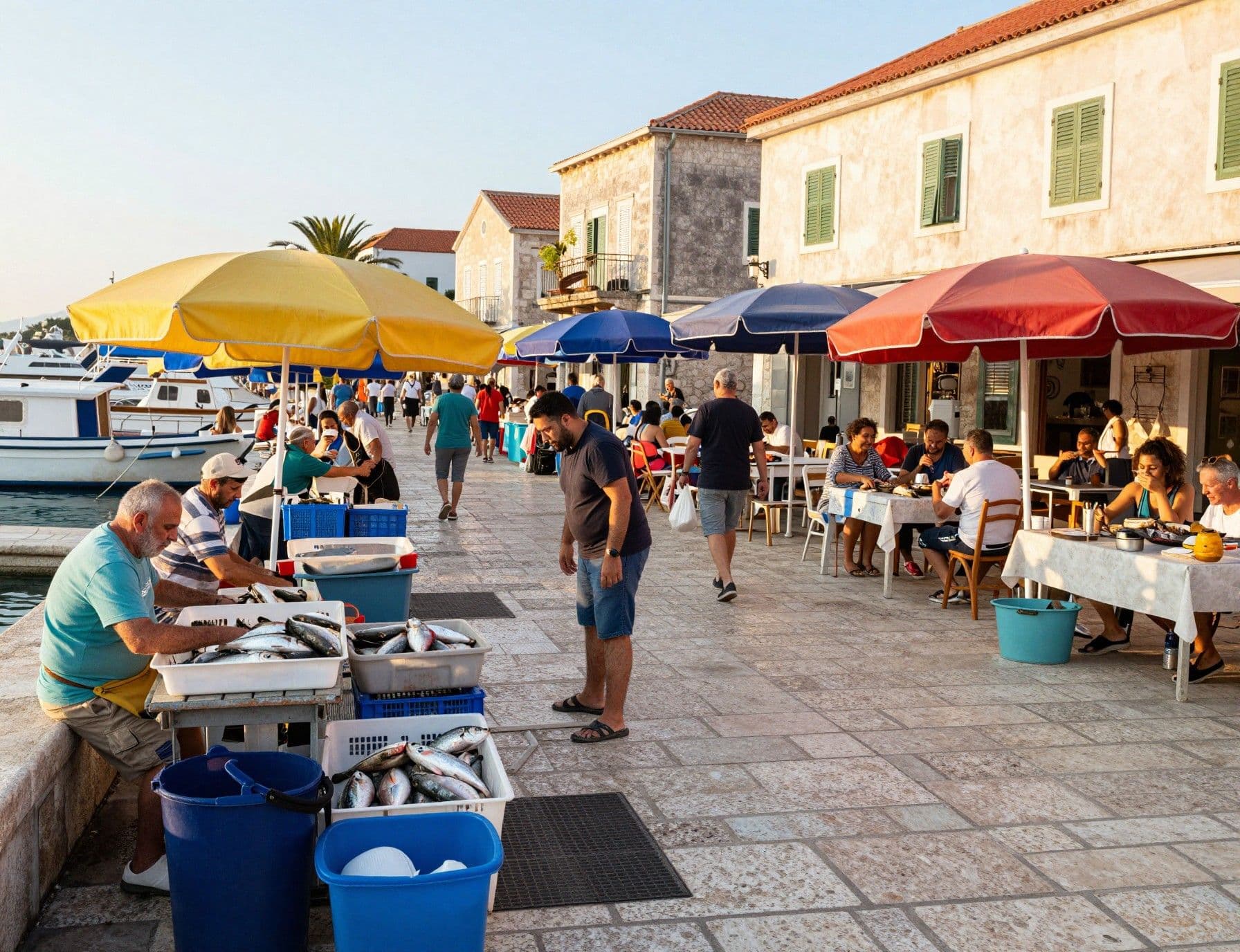
Life here is outdoor-first. Morning markets in Dolac (Zagreb) and Pazar (Split), late coastal dinners in Korčula, and island ferries that define your weekend rhythm. If you want a sunny balcony for calls, a courtyard for weekend grilling, or quick ferry access for island-hopping, the type of property you choose matters as much as its legal status.
Neighborhood pulse: Zagreb, Split, Dubrovnik & the islands
Zagreb’s Gornji Grad hums with cafes and coworking spots; Split’s Varoš and Bačvice mix narrow streets with sea access; Dubrovnik’s Ploče and Lapad give history and views. On Hvar, Stari Grad offers tranquility; on Brač, Supetar is a practical hub. Each micro-neighborhood determines daily logistics: parking, internet reliability, and how often you’ll be using public services versus private help.
Food, markets and weekend rituals that influence property choices
If you love fresh fish and morning markets, properties near Split’s Varos or Zadar’s old town keep life easy. If you want quiet mornings and bigger gardens, inland towns near Istria’s vineyards or Dalmatian villages offer space but expect longer service times and different permit realities.
- Lifestyle highlights: real places to picture yourself
- Morning espresso at Café Tinel on Korčula’s waterfront; ferry commutes from Split’s port; weekend truffle hunts in Istria; sunset swims at Zlatni Rat (Brač); coworking afternoons at HUB385 in Split.
Making the move: practical due diligence that protects the lifestyle
Before you fall fully in love with a view, fall in love with the documents. Registering ownership in Croatia is a legal step that creates real rights — and the Land Registry (Zemljišna knjiga) is where you confirm what you’re actually buying. Skipping this step can cost months of stress and unexpected money.
Property types and what to watch for
Historic stone houses, new-build apartments, and agricultural plots each carry different checks. Old stone houses often lack formal permits for extensions, while coastal apartments may be tied to seasonal rental rules. Agricultural land has purchase restrictions and often needs Ministry approval for non-EU buyers.
Work with a local lawyer and a notary. A notary notarises the main contract but does not replace a lawyer’s due diligence. Ask your lawyer to check the Land Registry, proof of ownership, building permits, communal utility status, and whether the property sits in a protected cultural or coastal zone.
- Step-by-step due diligence (practical sequence)
- 1) Request a cadastral extract and Land Registry printout (Zemljišne knjige) to confirm the owner and encumbrances.
- 2) Verify building permits and occupancy certificates with the local municipality — especially for renovations and added terraces.
- 3) Check utility balances (water, electricity, communal charges) and confirm there are no pending local authority fines.
- 4) If buying from a developer, confirm VAT status; if buying from a private seller, expect the 3% real estate transfer tax unless VAT applies.
Insider knowledge: red flags, local quirks and smart shortcuts
Expats quickly learn the oddities: private access roads with no registered easement, apartments listed without updated cadastral parcels, and seasonal rental rules that affect income. Hear stories from others — bad title surprises start with trusting appearances over documents.
Common red flags to walk away from
- Seller cannot produce a clear Land Registry extract; property shows additions (terraces, rooms) without permits; irregular or missing access to the public road; recent, unexplained changes in ownership chain.
Timing and season trick: why summer viewings can mislead
A June visit shows a buzzing summer scene — which is lovely — but it hides late-season maintenance issues and neighbour disputes over holiday rentals. Do a winter or shoulder-season visit (October or March) to see delivery routes, parking, and the real noise patterns.
- Money matters: real costs to budget for
- Plan for 3% real estate transfer tax (or VAT on new builds), notary fees, lawyer fees (1–2%), agency commission (commonly 3–4% + VAT), and local registration fees. Realistic buffer: 4–7% on top of the purchase price for transaction costs.
Market snapshot: prices are rising, especially along the coast. The Croatian Bureau of Statistics shows steady house-price growth through 2025, driven by domestic demand and international interest — which makes due diligence essential to avoid paying a premium for problems.
Working with local experts: who does what
- Lawyer: title search, contracts, permit checks; Notary: formalises sales contract and registers transfer documents; Local agent: neighbourhood intel, access to listings; Surveyor: boundary and construction checks.
- A quick closing checklist (final steps before signing)
- 1) Confirm cleared encumbrances and obtain a Land Registry extract dated within 30 days of signing.
- 2) Ensure all agreed repairs or permit regularisations are contractually binding with deadlines and penalties.
- 3) Get the final notarial deed and submit for registration; expect registration timing to vary by region.
Cultural note: paperwork often moves at a different rhythm than beach life. Patience, precise documents, and local helpers are the ingredients that turn romance into ownership without regret.
Final thought: fall in love — but verify. Croatia offers a lifestyle that’s hard to resist. Use local experts, visit off‑season, and make title checks your daily ritual. Do this, and that Riva espresso will be the beginning of a rooted, relaxed life — not a stress story.
Swedish, relocated to Marbella in 2018 to chase sun and property freedom. Focus on legal navigation and tax for Nordic buyers.