How Buying Off‑Season in Cyprus Cuts Your Costs
Think beyond price: seasonal timing, local costs and precise budgets can cut 6–11% off Cyprus acquisition costs while unlocking the lifestyle you want.
Imagine sipping espresso on a cool Larnaca morning, scrolling listings while the summer crowds are still months away. Cyprus feels timeless — sunlit piazzas, rugged mountain villages like Platres, and long coastal promenades in Limassol — yet the property market moves in seasonal pulses. Buying off-season isn’t just for bargain hunters; it’s a budgeting strategy. Here’s a lifestyle-first budgeting guide that shows how timing, local nuance and a few smart financial moves can lower your total cost of ownership in Cyprus.
Living the Cyprus lifestyle (and what it costs)
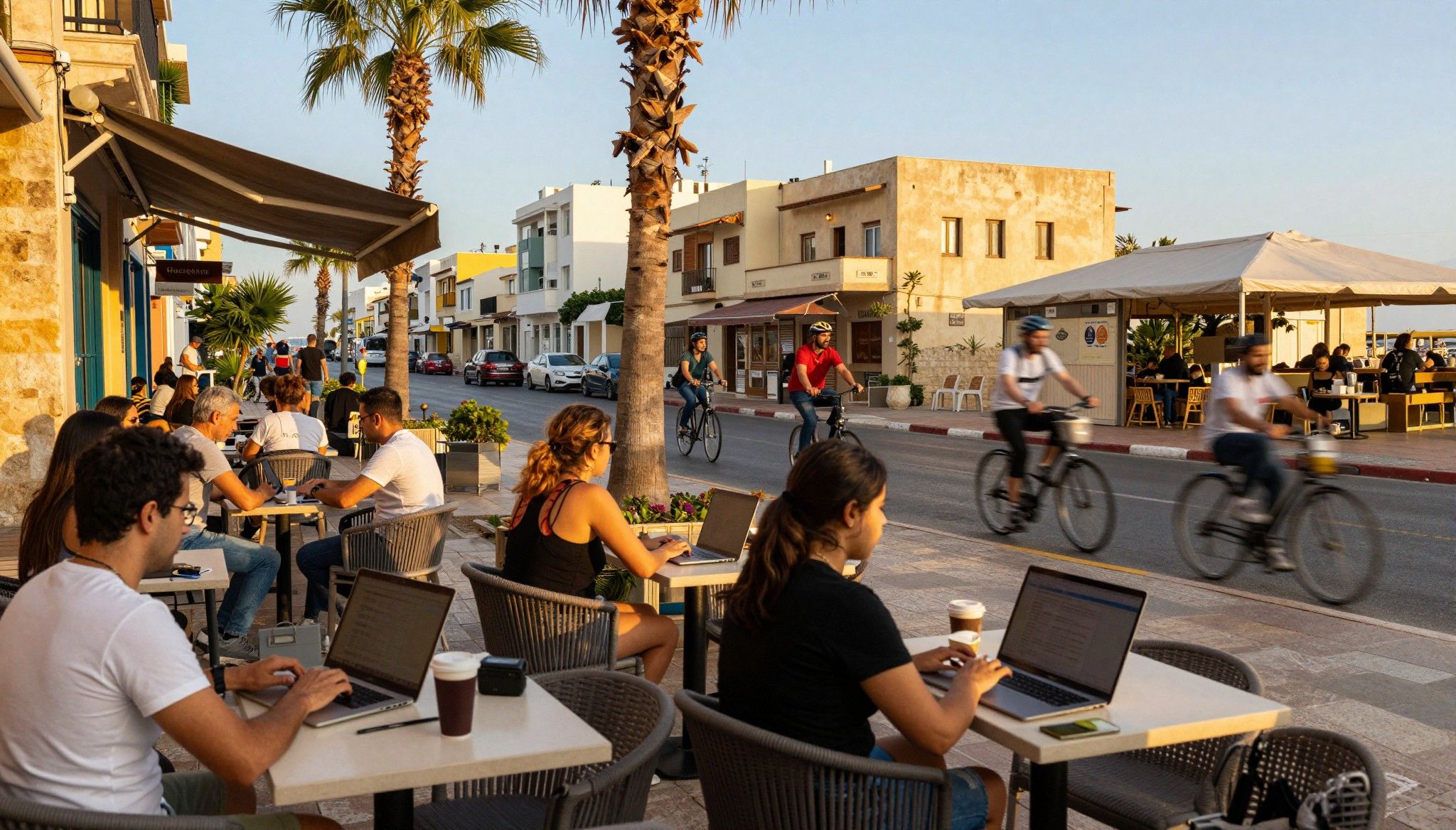
Cyprus is a study in contrasts: sleepy mountain tavernas by day, buzzing coastal cafés by sunset. Weekends mean farmers’ markets in Nicosia, beach volleyball in Ayia Napa, and long family meals in Paphos. For an international buyer the question isn’t only price per square metre — it’s whether your budget buys you the life you imagined: morning sea swims, coworking afternoons, neighborhood social life, and easy travel to nearby Europe and the Middle East.
Neighborhood snapshot: Limassol’s seafront vs old-town charm
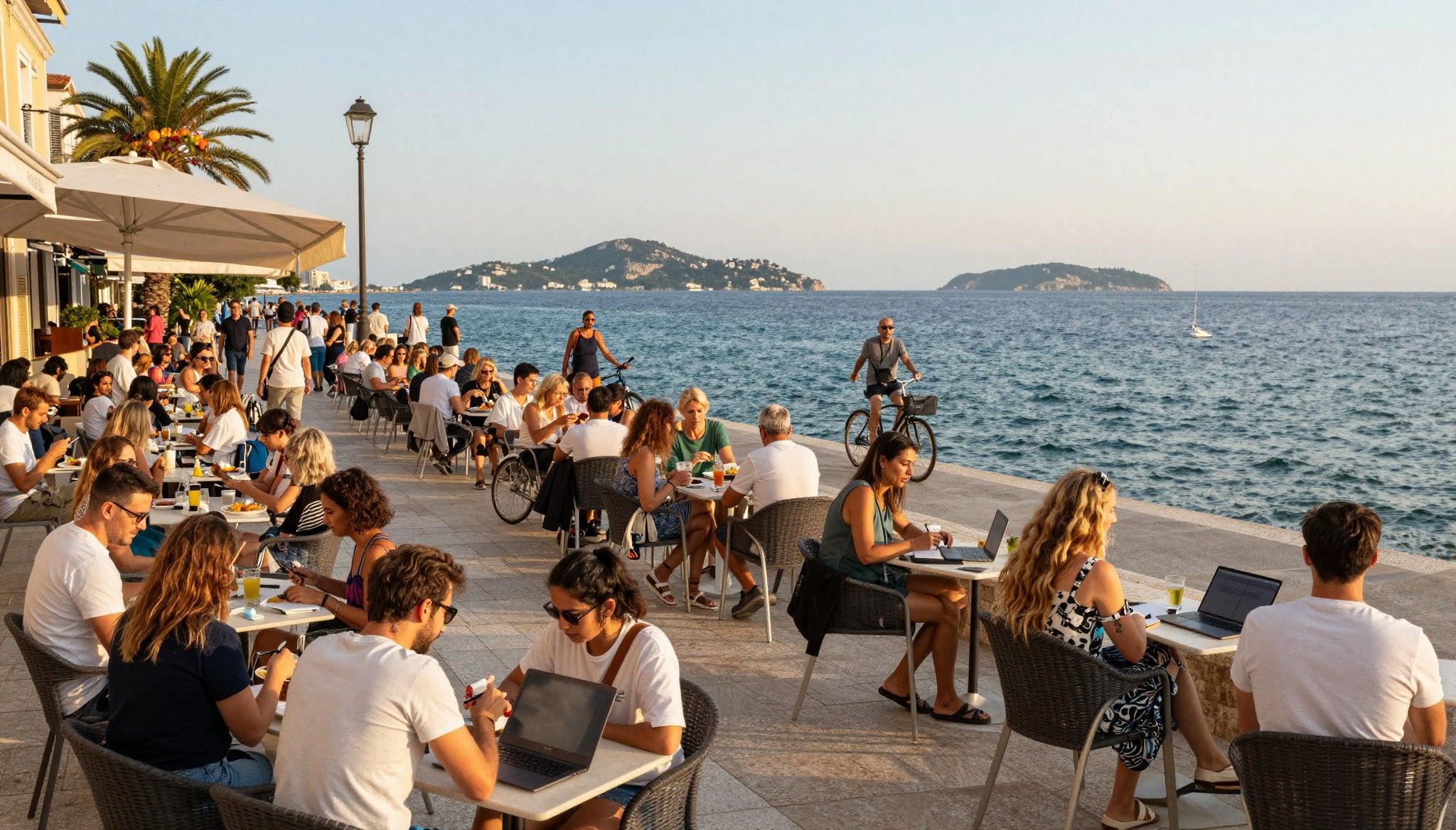
Limassol’s seafront is for the sociable nomad — cafés, beachfront co‑working, and modern apartments with terraces. Walk a few blocks inland and the old town gives you narrow streets, bakeries and a calmer pace. Budget-wise, coastal apartments command premiums for sea views and amenities, while older town flats often offer better value per square metre and an authentic local life. Choose by daily rhythm, not just headlines.
Food, markets and the small luxuries that add up
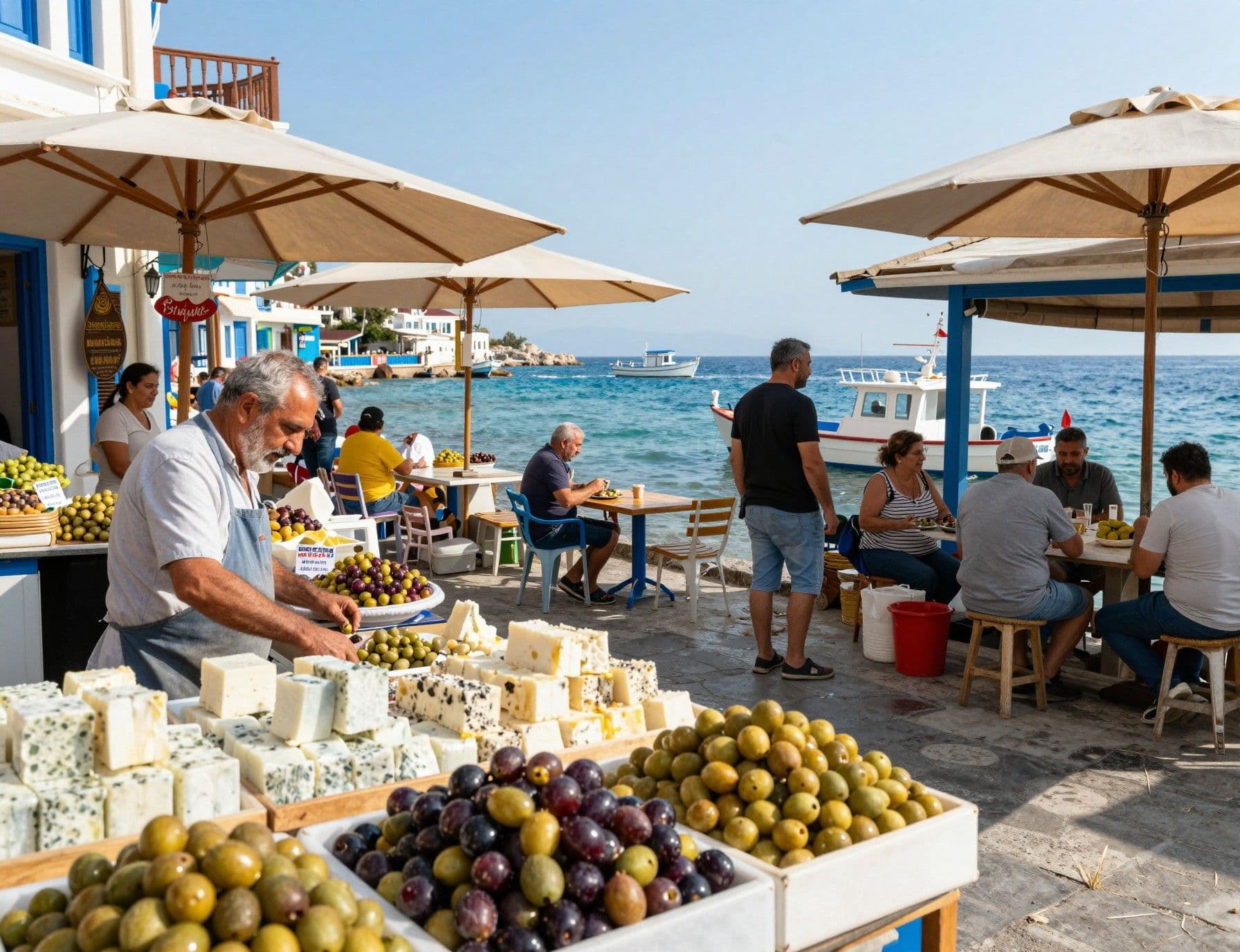
Your weekly costs will reflect how you live: buying fresh halloumi at the open market in Larnaca costs far less than daily restaurant dinners. Dining out in tourist hotspots spikes in summer; stocking a kitchen in slower months is cheaper and helps your budget stretch. For budget planning, build a 'life' line item covering local groceries, dining out twice a week, utilities and a coworking membership — that reveals true monthly spend, not just mortgage payments.
Making the move: practical budgeting with Cyprus specifics

Start with the market facts: residential prices in Cyprus rose through 2025, with apartments leading growth, according to the Central Bank’s RPPI — that means timing and location matter when you lock a budget. Practical costs to model include legal fees, transfer fees or VAT where applicable, and (now-abolished) stamp duty changes that have altered closing cost math. Use recent data to estimate acquisition costs at roughly 6–11% of purchase price depending on VAT applicability and professional fees.
Property types and how they affect your monthly budget
New coastal apartments often include communal fees, pool maintenance and higher utility outlays in summer months. A village house in Troodos might need renovation but has lower ongoing costs and offers cooler summers. When budgeting, add strata/condo fees, insurance (consider wind and coastal salt exposure), and a renovation buffer of 5–10% for older properties. Tax guides show transfer fee and VAT rules that change final acquisition math — check whether your purchase is VAT‑able before you sign.
6 financial steps to set a secure Cyprus purchase budget
- 1) Get a pre-approval or mortgage quote from a Cypriot bank to set a realistic ceiling. 2) Confirm whether the property is subject to 5% VAT (new builds) or standard transfer fees (resales). 3) Add 1–2% legal fees and conveyancing costs. 4) Budget municipal and communal charges for the first year. 5) Allocate a 5–10% renovation and furnishing buffer. 6) Reserve three months of living costs in local currency before arrival to smooth exchange timing.
Working with local experts (they save you money and time)
A good local lawyer will flag issues that kill budgets: outstanding planning violations, incorrect title descriptions, or properties sold with fixtures promised but never legalized. Agencies that specialise in expat support can also steer you toward neighborhoods that match your lifestyle and reduce surprise costs. Think of your agent and lawyer as translators — of language, local practice and budget reality.
How agents translate lifestyle into realistic budgets
Tell your agent how you want to live: workable balcony? Fast broadband? Walkable cafes? The right agent will model monthly costs for each option — e.g., a sea-view penthouse may cost €300–€600 extra monthly in maintenance and cooling compared to a mid-block flat. Good agencies factor in hidden line items and help negotiate seller contributions toward closing or repairs, turning lifestyle wants into clear budget trade‑offs.
Agent checklist: what to ask early (save money later)
- • Ask for recent RPPI-backed comparable sales for the street or block. • Request utility bills and communal fee history. • Check building permits and planning compliance. • Get written warranties for appliances and A/C systems. • Confirm broadband options and speeds for the unit. • Ask for tax treatment (VAT vs transfer fees) in writing.
Insider knowledge: expats’ surprises and how to budget for them
Expat buyers often underbudget for seasonality and service costs. Summers can spike utility bills and short-term rental competition drives up cleaning and management fees if you plan to rent. Planning surprises like delayed title deeds or discrepancies in land registry entries can also add weeks and legal costs. Recent market reports show rising prices in key coastal areas, so build contingencies into your timeline and budget.
Cultural quirks that affect money and negotiations
Cypriot deals can be relationship-driven: a seller who knows your agent may accept creative closing terms. Also, renovations often rely on local suppliers whose timing differs from northern European expectations. Factor in longer lead times and payment schedules for contractors. These cultural rhythms influence cash flow — and your budget should reflect real local timing, not idealised timelines.
3 off‑season advantages that cut acquisition costs
- 1) More negotiating power — fewer buyers competing for the same listing. 2) Transparent inspections — contractors and surveyors are more available, so hidden issues surface before closing. 3) Better service rates — trades and movers may offer lower rates outside peak summer months, reducing your move-in and renovation bills.
Before you make an offer, confirm VAT status, check the Land Registry for encumbrances, and get written cost estimates from a lawyer and an independent surveyor. Use authoritative market indices and tax guides to build a realistic contingency: recent central bank data shows rising prices in 2025–2026, so plan your budget to absorb modest price growth during your buying window. These steps keep lifestyle dreams aligned with financial reality.
A final pitch: buy the life, not a postcard
Cyprus gives you slow mornings and lively evenings, sea-scented air and village festivals that stitch you into local life. When you budget with lifestyle in mind — factoring seasonality, real local costs and smart timing — your purchase buys more than walls: it buys a daily life. If you want help translating a neighbourhood vibe into numbers, work with an agent who speaks both languages — the one that sells homes and the one that balances spreadsheets.
Next steps: get a local mortgage quote, request RPPI comparables for your target street, and schedule viewings in both peak and off-peak months to compare true living costs. Start with 6–11% acquisition buffer, a 5–10% renovation reserve, and three months’ living cash. Then book that espresso date in Larnaca — budgeted, confident, and ready to fall in love.
Swedish, relocated to Marbella in 2018 to chase sun and property freedom. Focus on legal navigation and tax for Nordic buyers.