Title Checks & Lifestyle Steps to Buy in Croatia
Fall for Croatia’s light — but do the legal homework: title checks, transfer tax (typically 3%), OIBs and notary contracts are non-negotiable for smooth international purchases.

Imagine starting your morning with a strong espresso at Split’s Riva, then signing a pre-contract on a renovated stone apartment in Veli Varoš. Croatia feels cinematic: terracotta roofs, pine-scented sea breezes, lively fish markets and quiet island coves. But the romance of Adriatic life meets paperwork — title searches, notary appointments, and tax checks — and for international buyers those legal steps are where dreams either stick or slip.
Living the Croatia lifestyle
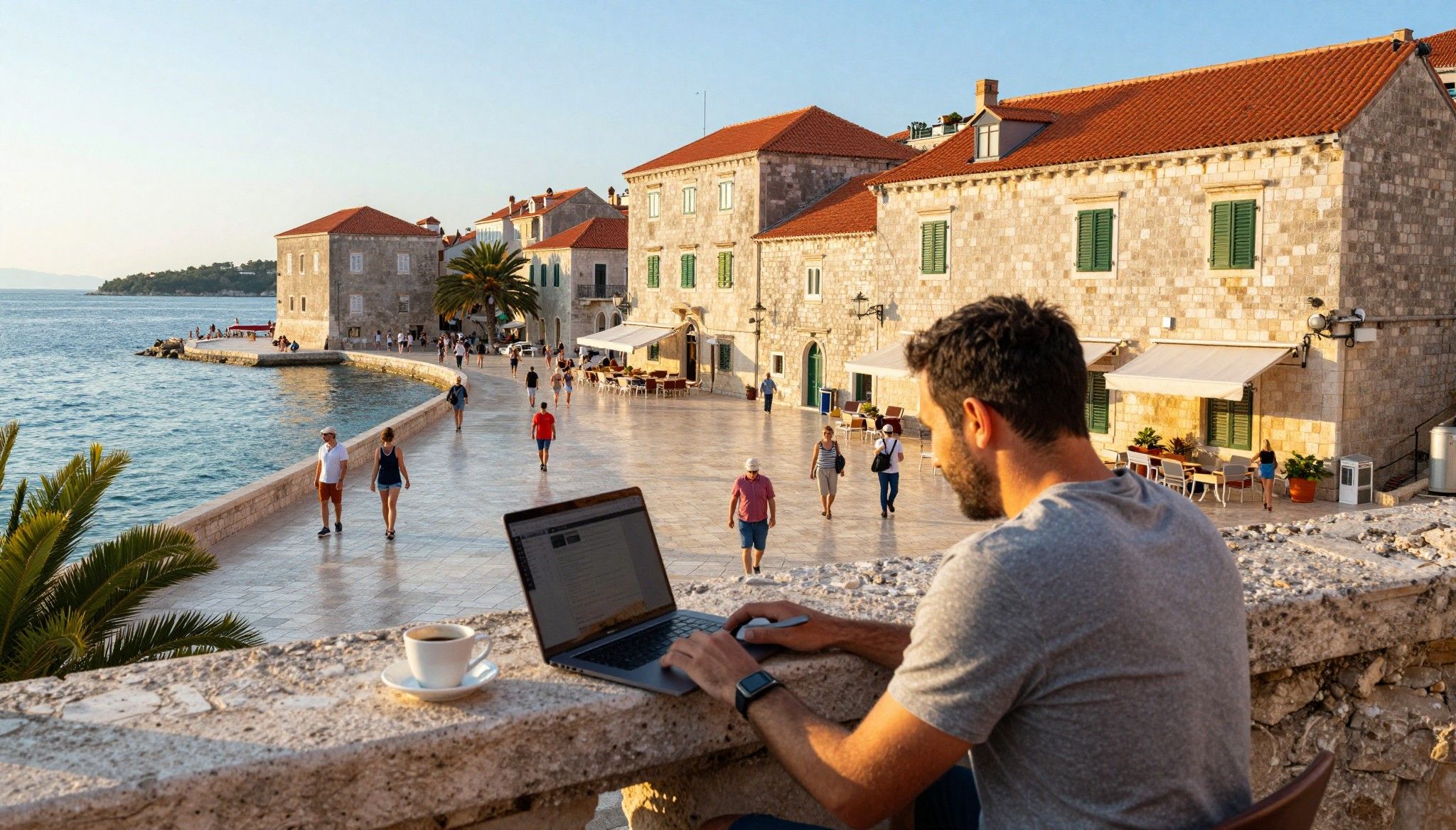
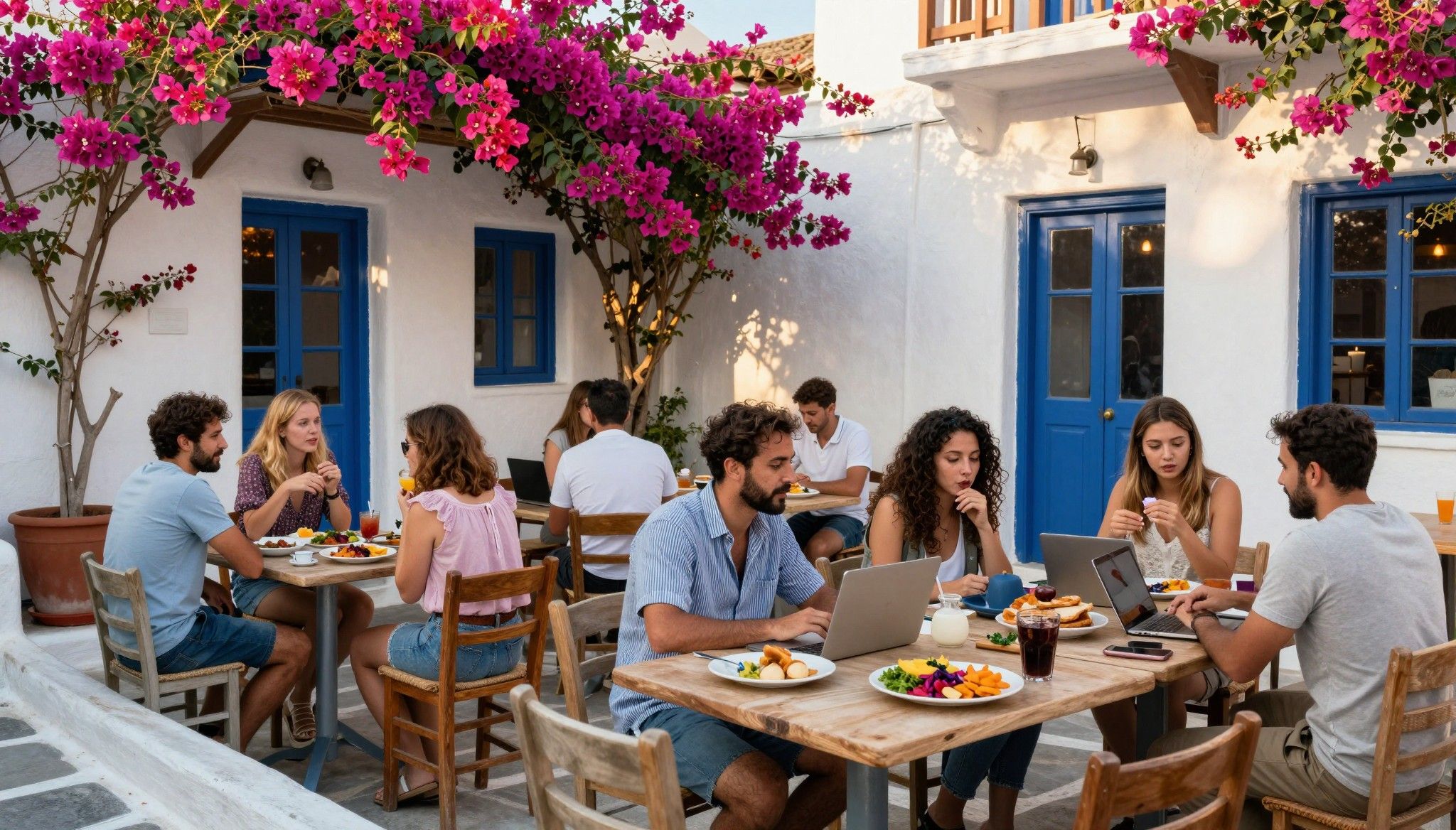
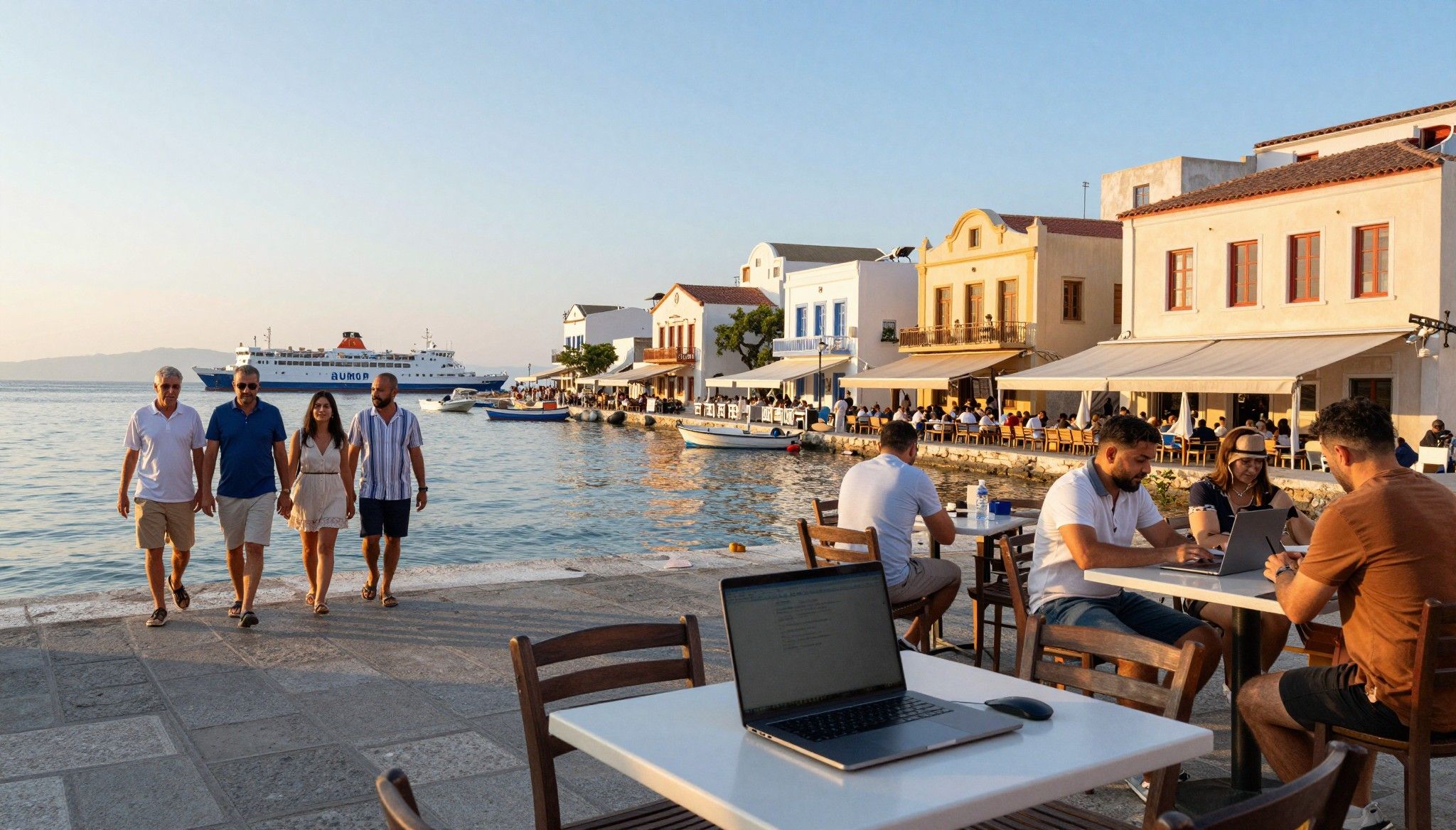
Daily life in Croatia balances old-world ritual with modern nomad comforts. In Zagreb’s Tkalčićeva you’ll sip filter coffee between coworking meetups; on Hvar, afternoons melt into beach swims and seaside grills. Seasonality shapes rhythms — summer is festival-packed and noisy, shoulder seasons are for serious house-hunting, and winter gives you time to renovate without frantic tourists in the way.
Neighborhood spotlight: Split’s Veli Varoš & Firule
Veli Varoš is stone alleys and neighbourhood kafanas where your neighbor might be a fisherman or a digital nomad finishing a sprint. Walkability is huge here — tiny grocery shops, a favourite konoba, and morning light that makes terraces sing. If you value a café-by-day, calm-by-night vibe, this pocket shows how coastal living can feel lived-in rather than curated for tourists.
Food, markets and the weekend ritual
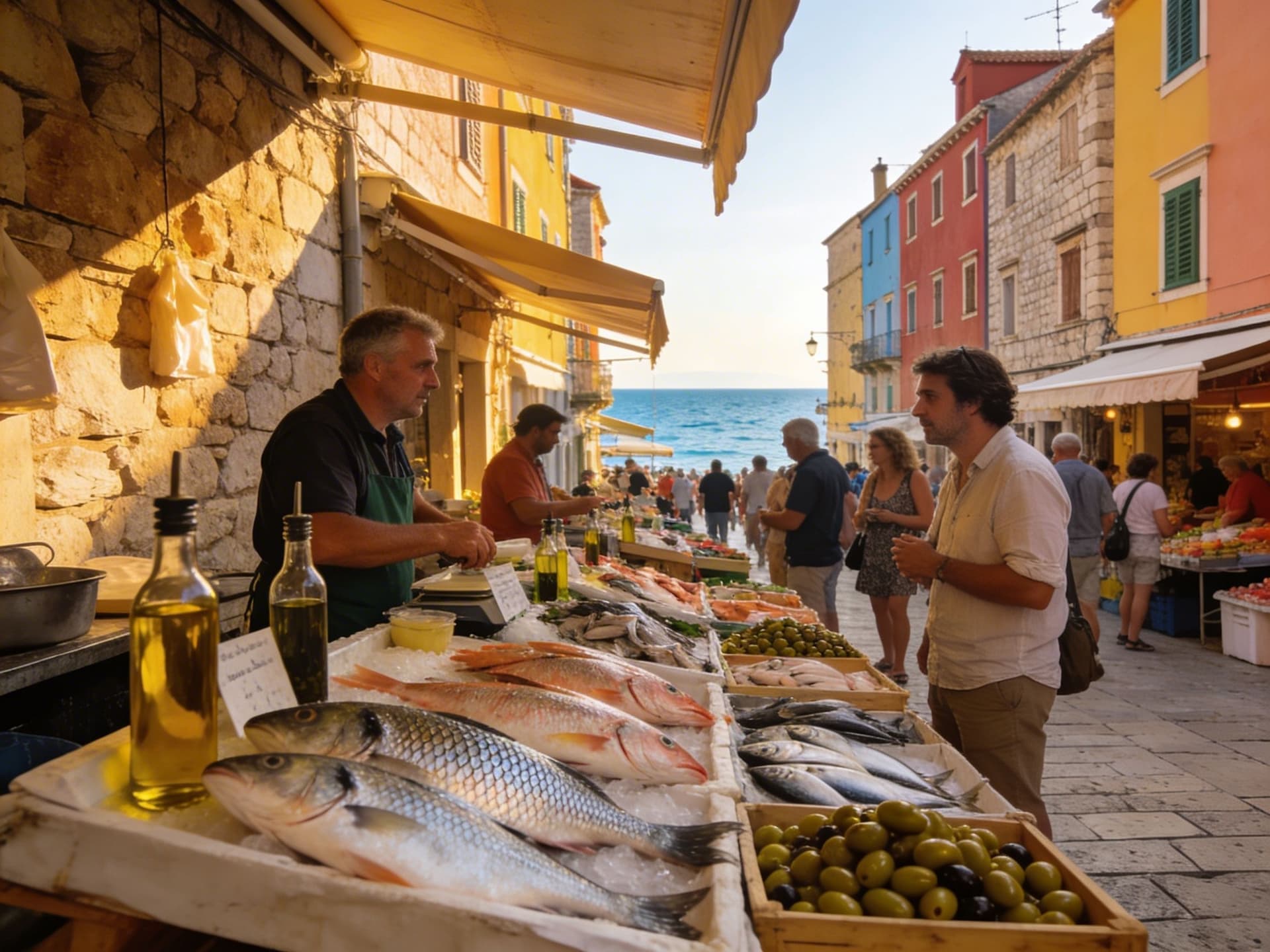
Picture Saturday market runs: fresh octopus in Dubrovnik’s Gruž, organic figs in Istrian markets, a cone of fritule after a sunset walk. Food culture anchors neighborhoods — restaurants open late, and local producers shape your pantry. When you buy property, think proximity to these markets; a 10-minute walk to the market often translates to a richer day-to-day life.
- Walkable harbors, daily fish markets, weekend island ferries, neighbourhood konobas, local bakeries that open at sunrise, seasonal festivals like Dubrovnik Summer Festival.
Making the move: practical considerations

Dreams meet documents here — and Croatia’s system is refreshingly transparent but full of formal steps you can’t skip. EU citizens enjoy streamlined purchases while non-EU buyers may need ministry consent under reciprocity rules, which can add months to your timeline. The notary finalises contracts, and public registers make title checks possible — but you’ll want expert help to read encumbrances and easements correctly.
Property styles & how you’ll actually live
Stone townhouses need different care than new coastal apartments; seaside homes demand salt-resistant fittings and reliable shutters. If you’re remote-working, prioritise fiber availability (Zagreb, Rijeka and larger Dalmatian towns are best) and a quiet corner for a home-office. Think long-term: terraces and outdoor kitchens matter for Mediterranean life, while insulation and heating matter for winter comfort inland.
Working with local experts who know the lifestyle
A bilingual lawyer and an experienced agency are your passport to smooth closings. They’ll secure an OIB (local tax ID), run land-registry checks, confirm encumbrances and draft the notarised sale contract. Local agents also bring lifestyle intelligence — which neighborhoods quiet down in winter, where the best rung of ferries docks, and which streets actually have fast internet.
- Get an OIB and ID documentation, commission a land-registry/title check, sign a pre-contract with deposit, finalise contract with a notary, pay transfer tax or confirm VAT status, register title with the land register.
Insider knowledge: legal red flags & money moves
Here’s the real talk: transfer tax is typically 3% for resale properties unless VAT applies, so budget that in plus notary and lawyer fees. Always ask whether the advertised price is VAT-inclusive (new builds often are) and beware sellers who suggest informal side-payments — Croatia’s registers are public and the notary will expect clean trails. For non-EU buyers, always confirm whether reciprocity approval is required before assuming you can close quickly.
Title checks and encumbrances (what to watch for)
A land-registry extract shows ownership (sheet B) and encumbrances (sheet C) — mortgages, servitudes, or court disputes can block transfers. Don’t accept a verbal reassurance; insist on a recent official extract and have your lawyer translate and explain any entries. For island properties, confirm access rights and whether the coastal line is public — easements and communal access rules matter more than you think.
Money, taxes and realistic closing costs
Beyond the purchase price, expect ~3% transfer tax for resale, notary fees, lawyer fees (often 1–2%), and agency commission if applicable. If buying a new build, VAT (25%) often replaces transfer tax — so compare apples to apples when evaluating listings. Work with your advisor to estimate total acquisition costs at the contract stage and set aside contingency funds for registry delays and any required interventions.
- Confirm VAT vs transfer tax; verify recent land-registry extract; ask about local property tax rates (annual); budget legal and notary fees; check mortgage availability if you’re not paying cash.
What expats wish they’d known
Ex-pats often tell the same story: we fell for the light and lanes, but underestimated bureaucracy and seasonal rhythms. Expect slower timelines than in big Anglo markets — not because of obstruction, but because official translation, ministry approvals (for some buyers), and notary scheduling all add time. Patience pays: use slow seasons to negotiate, inspect, and plan renovations without pressure.
Cultural cues that change how you buy
Croatians value personal relationships — a friendly local agent or neighbour note can smooth inspections and access. Yet the paperwork remains formal: notarised contracts, clear payment trails, and transparent seller declarations. Learn a few Croatian phrases, attend a neighbourhood event, and you’ll unlock local goodwill that often clarifies ownership histories and maintenance realities.
Long-term lifestyle and resale thinking
Think seasons for rental yield and resale: coastal assets shine in summer but need winter upkeep; city flats offer steadier year-round demand. If you plan to rent, register correctly and keep accurate books — tax authorities can and do cross-check. For long-term happiness, balance Instagram-worthy views with practicalities: reliable internet, access to healthcare, and neighbours who actually live year-round.
Conclusion: Croatia is a place you settle into slowly — and beautifully. Start with lifestyle scouting (walk the streets, try the markets), then lock in legal checks: OIB, land-registry extract, notary contract, and clear tax planning. Pair a good local lawyer with an agency that understands both nomad needs and local law, and you’ll trade paperwork for aperitivo in no time.
Danish investor and relocation advisor focusing on Portugal and the Algarve; loves coworking culture and expat networks.