Greece: Buy for the Life, Not the Season
Fall for Greece’s seafood markets, islands and late nights — but buy with local rules, residency shifts and seasonality in mind, backed by 2024–25 market data.

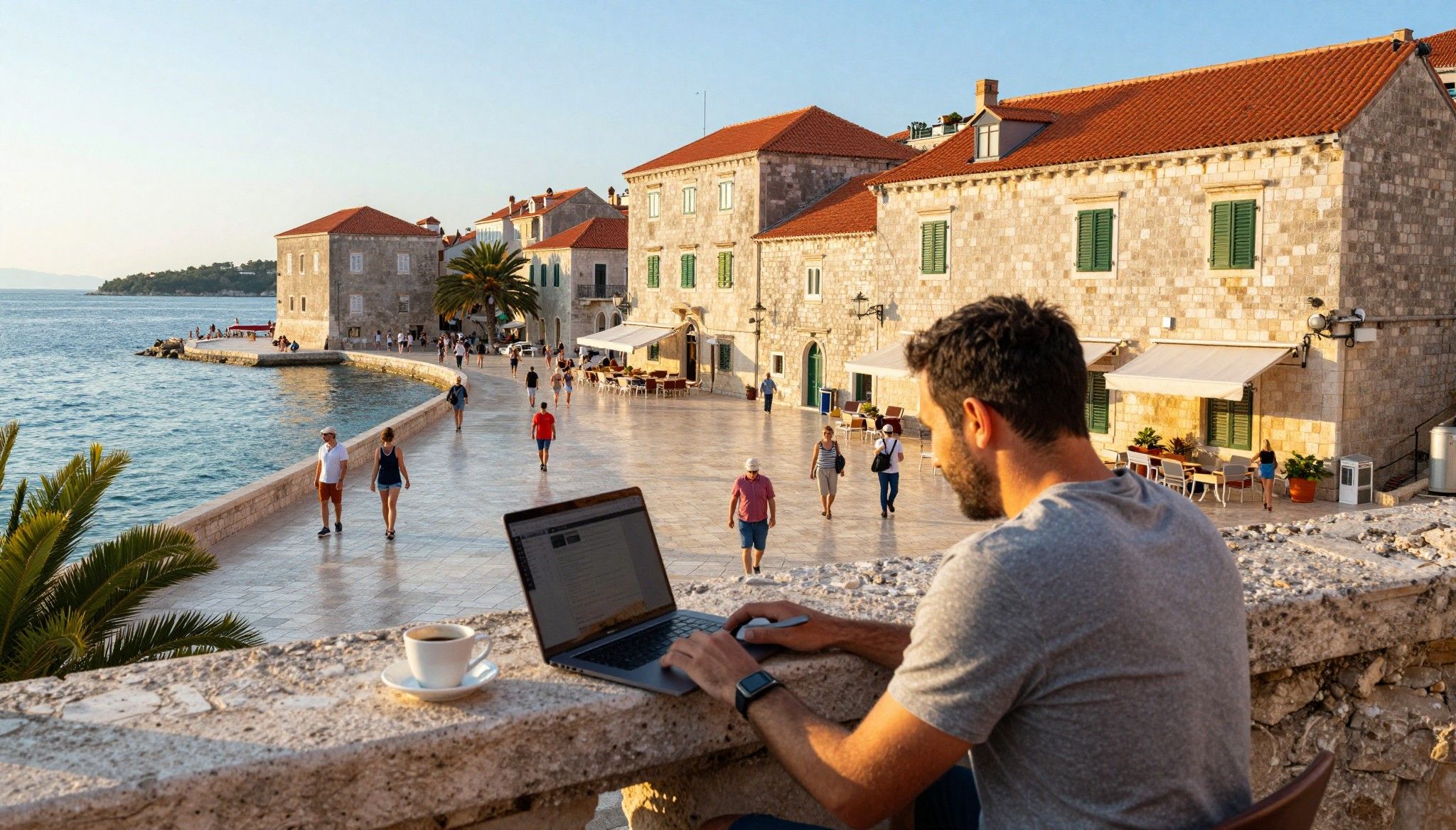
Imagine stepping out at 8am in Athens’ Koukaki: a short walk brings you to a sunlit kafeneio, bakers loading warm koulouri into baskets, and a neighbor pausing to chat about last night’s film. That easy rhythm — coffee, conversation, cobbled streets — is what draws many nomads and families to Greece. But the Greece most buyers dream of — islands, rooftop dinners, ritual afternoon siestas — sits beside a fast-changing property market, new residency rules, and shifting neighbourhoods. This piece marries the sensory life (food, sea, festivals) with the facts you need to actually make a move that lasts.
Living the Greece lifestyle
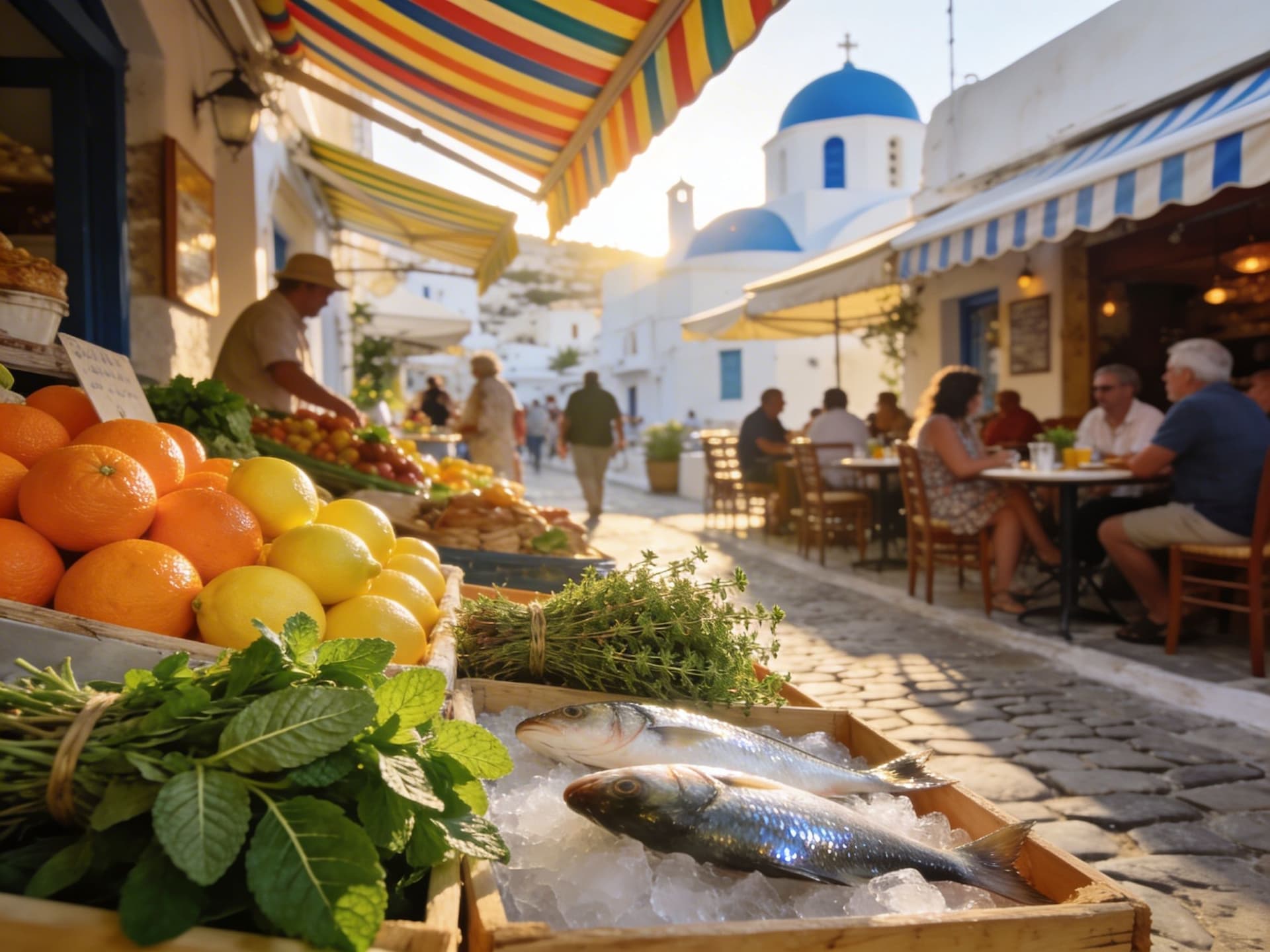
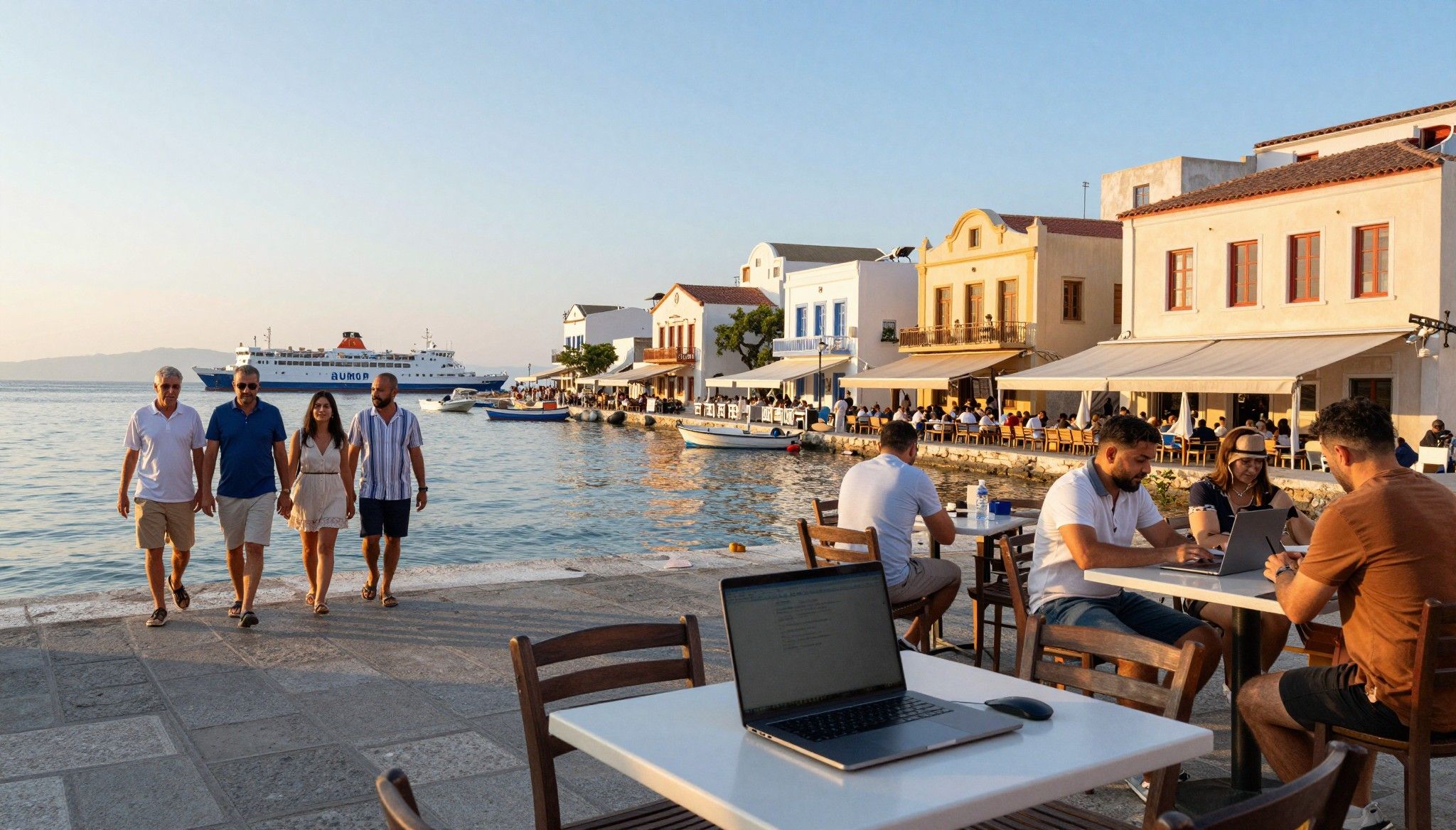
Greece is both island romance and gritty city life. Mornings mean espresso and fresh fish at local markets; afternoons drift between beaches or museum visits; evenings are long and social, centered around tavernas, live music and plazas where children skateboard and older residents debate the news. Winters are quieter — snow in Zagori, rain in Athens — and that seasonality shapes how neighbourhoods feel and how properties are used. For nomads, that means designing a life that flexes between high-energy summer months and mellow, community-focused winters.
Athenian neighbourhoods: contrast within minutes
Walk from the neo-classical sweep of Plaka to the artsy cafés of Psyrri and you’ll see how Athens fits different life scripts. Kolonaki feels polished — boutique galleries and rooftop bars — while Exarchia hums with student energy and street art. Koukaki and Pangrati strike the sweet spot for nomads: easy metro links, cafés with reliable Wi‑Fi, and community-run markets. If you want seaside mornings, Glyfada and Voula (on the Athens Riviera) combine beaches with modern apartment blocks and a stronger international expat network.
Islands and regions: pick the rhythm
Each island writes its own rulebook. Naxos offers agriculture, family tavernas and larger houses for lower prices than Mykonos or Santorini, which are peak‑season theatre and higher rents. Crete blends urban centres (Heraklion) with mountain villages — a year‑round option for buyers seeking variety. Thessaloniki gives a northern, university‑driven urban vibe with a lively food scene and cheaper square‑metre rates than Athens. Choosing where to buy means choosing a tempo — festival‑heavy summers or settled off‑season life.
- Morning koulouri runs in Koukaki; sunset swims at Vouliagmeni; weekend farmers’ market in Kallithea; late‑night rebetiko sets in Psyrri; wild swimming coves near Agios Prokopios (Naxos); olive‑harvest weekends in Kefalonia.
Making the move: practical considerations

All the romance aside, recent policy shifts have altered the buying landscape. Greece reformed its residency-by-investment thresholds in 2024 and tightened short‑term rental rules, pushing some demand away from heavily touristified islands and toward regional towns. At the same time, national house price indices show steady growth — affordability is still comparatively strong versus Western Europe, but pockets of pressure exist in prime hotspots. That means timing, location and a local expert matter more than ever when making an offer.
Property styles and how you'll live in them
From neoclassical Athens flats to whitewashed Cycladic houses, property types dictate daily life. Apartments in central Athens mean walkability and café culture; terraces and courtyards are priceless for digital work breaks. Island houses often require renovation but bring outdoor living and sea views — perfect for slow mornings and alfresco work sessions. Consider insulation, shutters, and AC for summer heat, and ask about internet redundancy (fibre plus 4G backup) before committing.
Working with local experts who know the lifestyle
- A local agency is your translator — of language, paperwork and neighbourhood rhythm. Pick agents who: 1) show lived‑in spaces (not staged holiday flats), 2) understand Golden Visa & local permitting changes, and 3) have strong post‑sale networks (contractors, property managers, broadband installers). Expect to tour at least three neighbourhood types before deciding; lifestyle fit beats headline price every time.
- Check internet (fibre availability, typical upload speeds); confirm winter accessibility (island ferry schedules, mountain passes); ask about building maintenance cycles; verify short‑term rental restrictions; budget for thermal upgrades and mould remediation in older properties.
Insider knowledge: what expats wish they'd known
Expat buyers often arrive expecting perpetual island summers and find a more seasonal life — gloriously social in summer, quiet and community‑rooted in winter. Locals prize long relationships and trust; a neighbour who brings olives in autumn is often the person who later arranges a trusted plumber. Many newcomers underestimate seasonal service availability (fewer trades in January) and overestimate high‑season rental returns after recent rules. Truth: buy for the life you want, not the 12‑week peak tourist rate.
Cultural integration and making a community
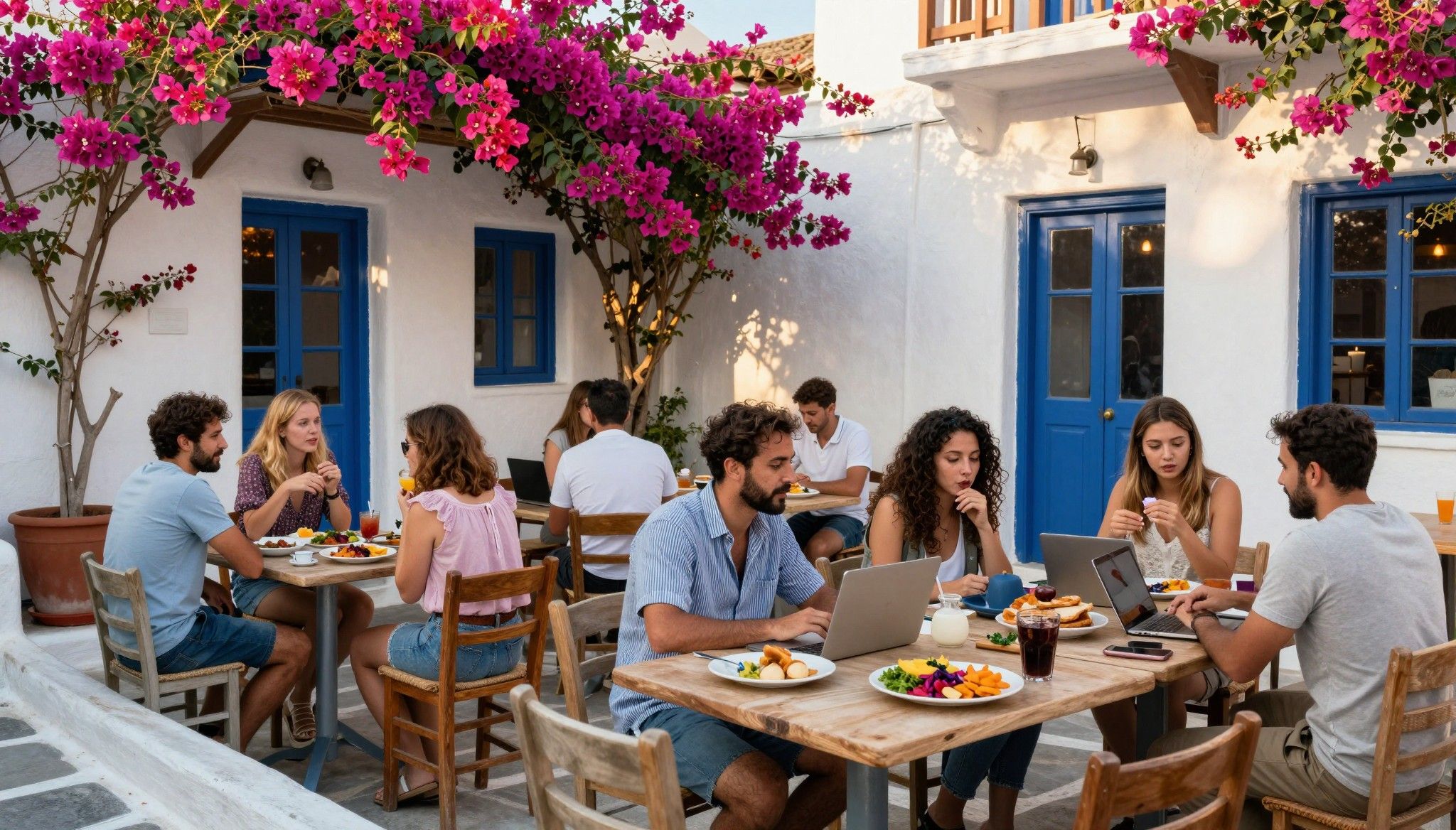
Learning basic Greek opens doors — not just transactions. A few phrases smooth negotiations, and showing up at local festivals (name day dinners, panigiria) quickly builds social capital. Join English‑language meetups, co‑working spaces (e.g., in Thessaloniki or Athens), and neighbourhood volunteer projects to find a mixed local/expat crowd. Expect friendships built over food, not forms.
Long‑term lifestyle and investment realities
If you want both income and life, focus on year‑round rental demand (university towns, regional hubs) rather than pure holiday hotspots. Policy shifts around short‑term rentals mean long lets and furnished monthly rentals can be a more reliable play. Also, restoration projects are popular because Greece incentivises renovations that preserve cultural assets — a pathway for lower entry prices if you’re ready to roll up your sleeves.
- Tips expats wish they knew: hire a bilingual lawyer early; meet neighbours before making an offer; budget 10–15% extra for unexpected renovation surprises; plan for seasonal cashflow if relying on holiday rents; test broadband at the property during different times of day.
- Steps to move from dreaming to keys: 1) shortlist 3 regions that match your rhythm (city, large island, rural), 2) spend 2–4 weeks living locally across seasons if possible, 3) engage a local agent and lawyer to verify title and planning, 4) negotiate with renovation and internet needs in mind, 5) plan post‑sale services (property manager, tax advisor).
Greece is sensory: citrus and sea breezes, late dinners, markets that pulse on Sundays. It’s also procedural: zoning changes, evolving visas, and neighbourhood shifts that reward patient, lifestyle‑first buyers. If you want beaches and backyard olives or narrow streets and café tables, pick the life first, then the property. And bring a local team who knows both the neighborhood barista and the permitting office.
Ready to fall in love responsibly? Start by choosing two neighbourhoods that match your weekly rhythm — one for work, one for weekends — then ask agencies to show lived‑in examples from both. A well‑chosen local agent is the person who helps you find the terrace where you’ll take your morning calls and the neighbour who'll bring you fresh figs in August.
Dutch investment strategist guiding buyers to Greece and Spain; practical financing, tax, and portfolio diversification.