Fall for France—Then Check Title, Diagnostics, & Rules
Fall for French life—then lock the facts. Practical due diligence, title checks and local quirks that protect your lifestyle and investment in France.

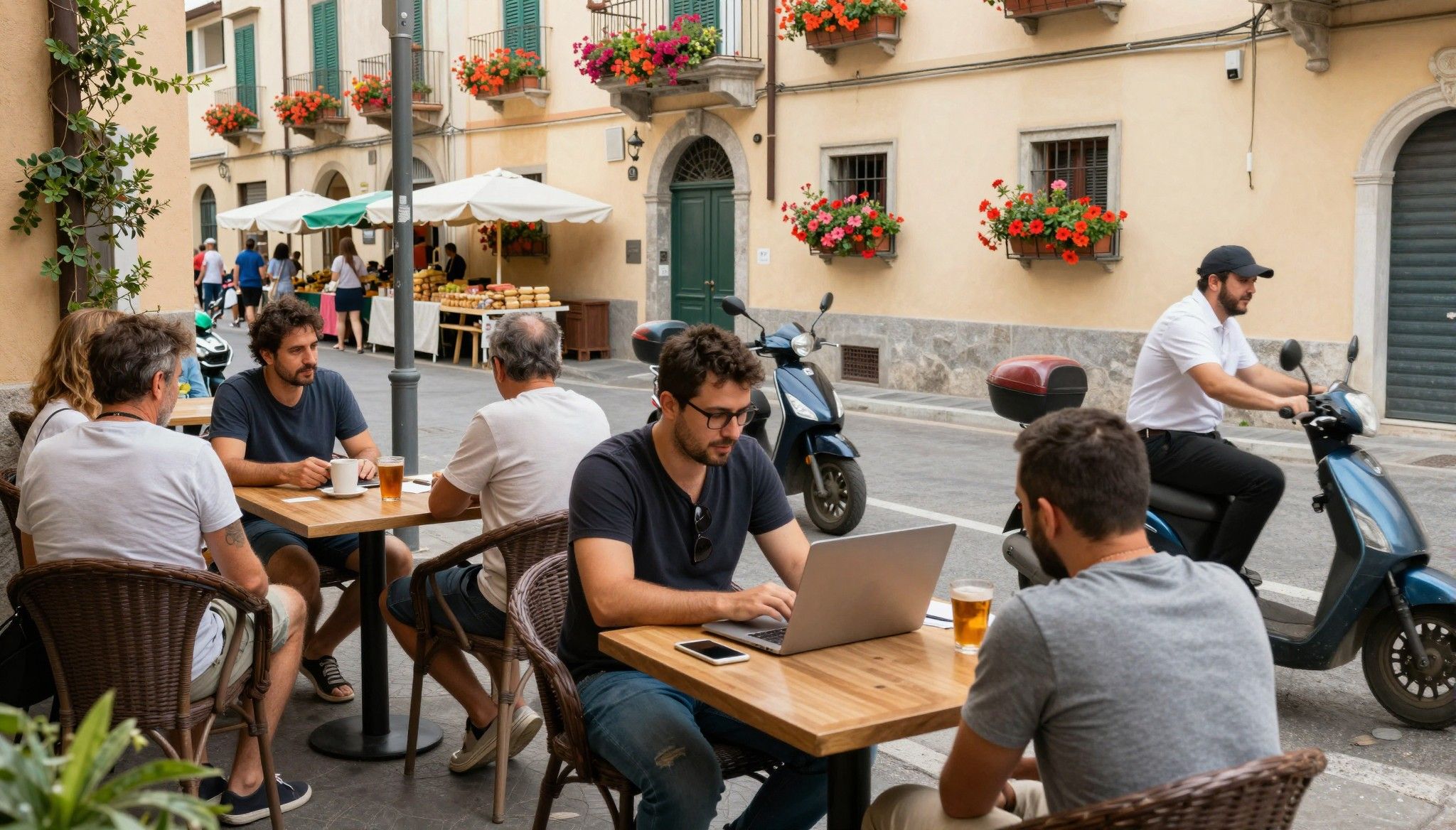
Imagine sipping a café on Rue Cler in Paris, a boulangerie scent in the air, then walking five minutes to a light-filled apartment where your laptop and balcony view coexist. That scene is classic France: effortless mornings, long lunches, dramatic light, and neighbourhood rhythms that change by arrondissement and region. But the romance of living here collides with paperwork, title checks and local customs that can trip up the unprepared buyer. This guide mixes the joie de vivre with the exact legal checks international buyers need before they fall head-over-heels and sign.
Living the France life — mornings, markets and neighbourhoods
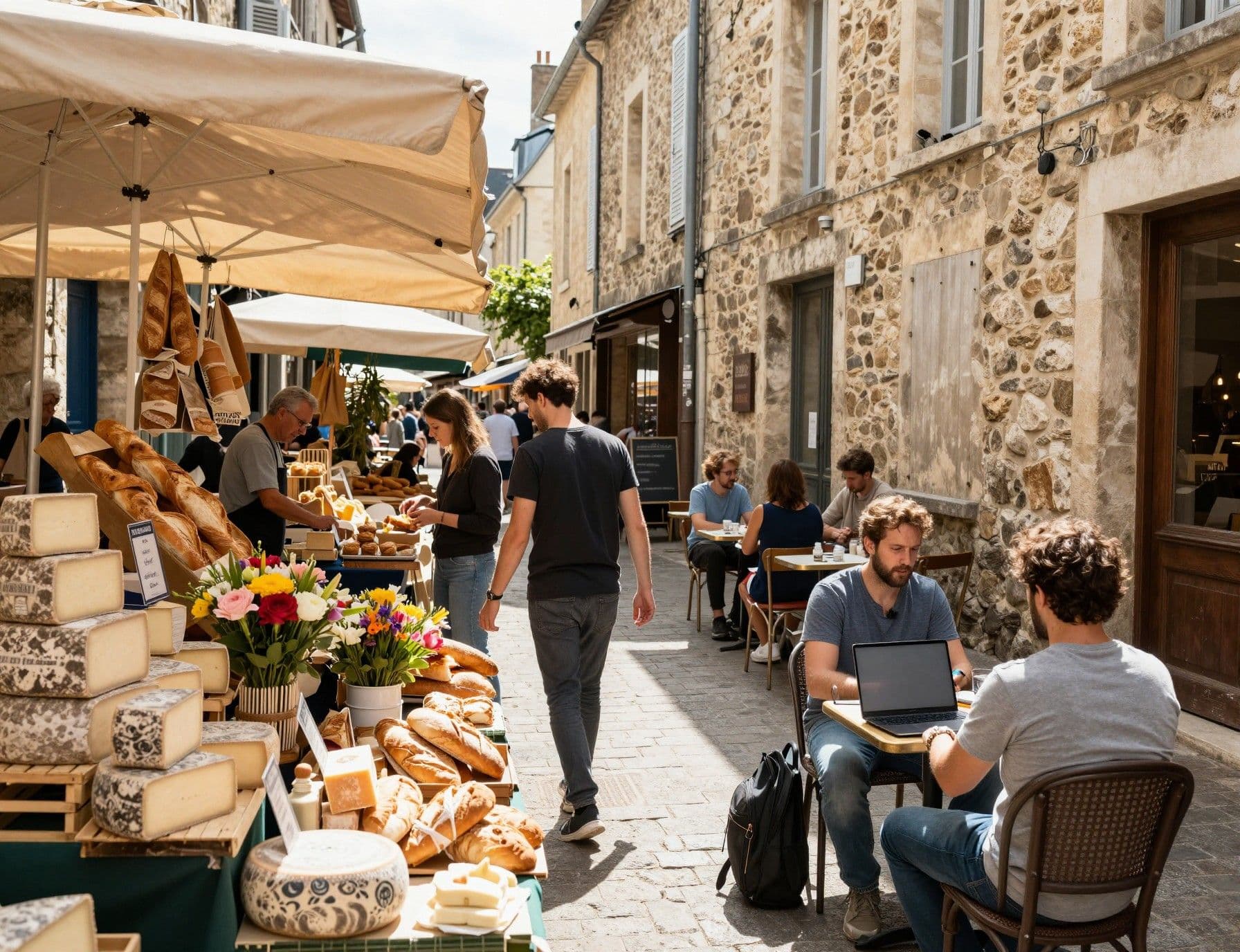
France lives at human scale: mornings at marchés, afternoons in cafés, and evenings that spill into squares. Whether it’s the narrow lanes of Le Marais, the seafood stalls of Marseille’s Vieux-Port, or the sunflower-dotted lanes of Provence, daily life is textured by local shops, outdoor markets and ritualised mealtimes. For nomads, French life means great food, decent healthcare access, and vibrant coworking scenes in cities like Lyon and Bordeaux — but also language expectations and administrative rhythms that reward local help. Loving France is easy; understanding how that love interacts with property law is where we get practical.
City pulse: Paris, Lyon and Bordeaux
In Paris, life happens on cobbled streets: cafés, small épiceries, and rooftops that feel like private stages. Lyon trades Parisian bustle for Michelin-level food culture and river walks; it’s a remote-worker favourite for its balance of infrastructure and slower pace. Bordeaux buzzes with wine culture, renovated quays and a compact historic centre that’s surprisingly walkable — perfect if you want weekend trips to vineyards without long drives.
Coast & countryside: Nice, Biarritz, Dordogne
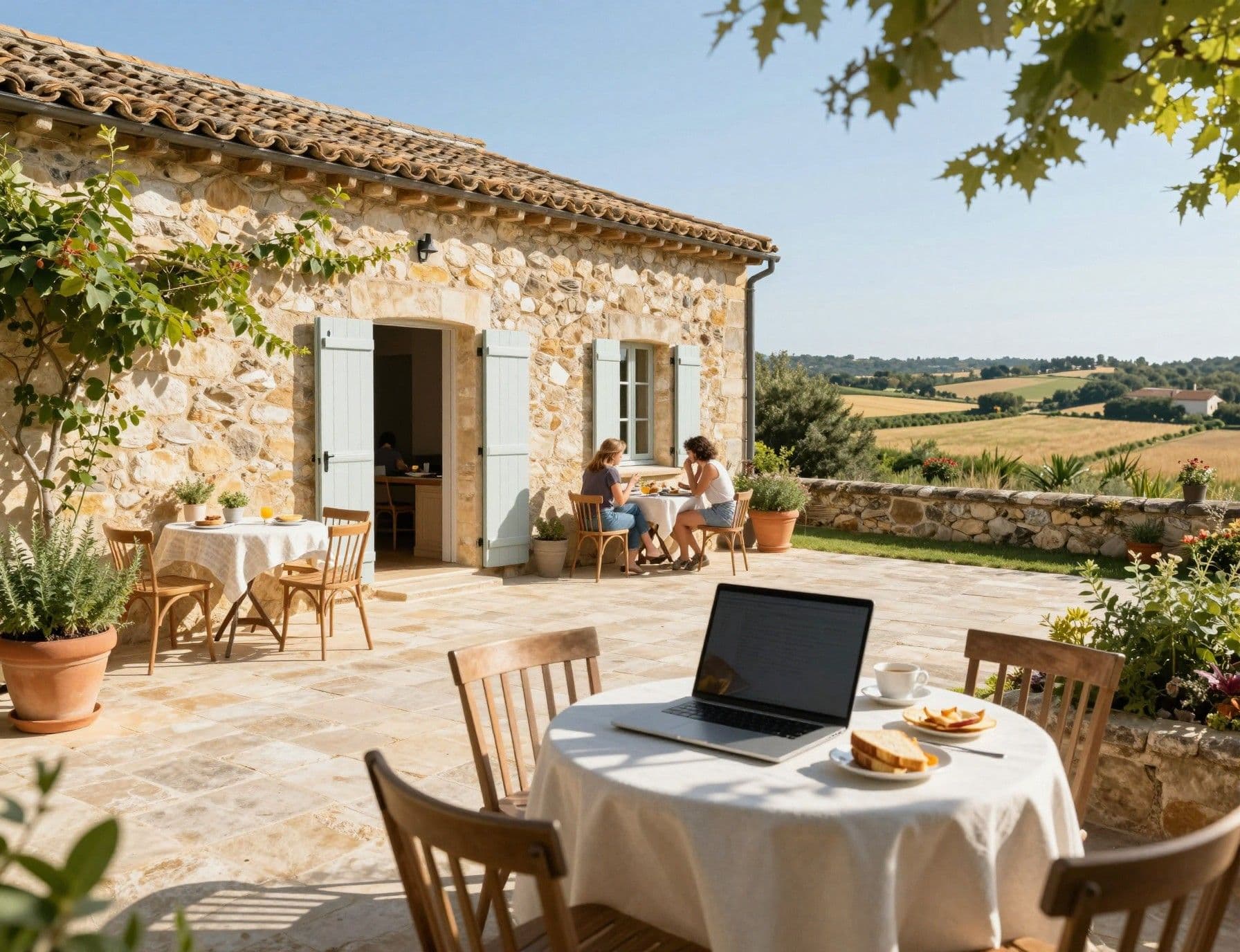
The Riviera’s glamour (Nice, Cannes) is sunshine and seaside promenades, while Biarritz offers surf culture and Basque markets. Inland, Dordogne and Provence trade urban buzz for stone villages, weekly markets and slower seasons — great if you dream of a farmhouse with a terrace and neighbors who know your name. Each region has different seasonality: Riviera summers are busy and pricey, while many inland towns quiet down in winter — a factor for rental yields and community life.
- Lifestyle highlights: • Morning marchés: Marché d’Aligre (Paris) and Les Halles de Lyon-Paul Bocuse. • Coffee culture: Café de Flore (Saint-Germain), tiny rue cafés in Bordeaux. • Beach life: Promenade des Anglais (Nice) and surf breaks in Biarritz. • Hidden gems: Rue Cler (7th, Paris) for groceries; Île Barbe (Lyon) for island walks. • Coworking hubs: La Cordée (Lyon), Wojo (Paris), Darwin (Bordeaux). • Seasonal treats: truffle markets in Périgord, summer festivals in Avignon.
Making the move: how French legal basics shape your lifestyle purchase
The dreamy images stop being useful when you realise French property comes with formal steps that protect buyers — and sometimes slow things down. A compromis de vente (preliminary contract), notaire oversight, and mandatory diagnostics (diagnostics techniques) ensure transparency but demand attention to detail. International buyers benefit massively from a French-speaking notaire, an independent surveyor, and a local agent who knows the neighbourhood rhythm — because small legal oversights cost lifestyle headaches later.
Property styles & how you'll actually live in them
Stone houses, Haussmann apartments, renovated barns and modern builds all come with trade-offs. Haussmann flats have charm, high ceilings and central locations but often come with shared staircases and co-ownership rules (copropriété) that affect renovations. Rural mas or longères offer space and gardens but may need major renovation and different energy-certification paperwork. Match property type to how you want to live: terrace breakfasts, reliable broadband for work, or a quiet studio close to a market.
Work with experts who get both lifestyle and legal detail
- Practical steps that blend lifestyle and legal safety: 1. Hire a bilingual notaire or instruct a notaire in France to confirm title and charges — they’re the legal gatekeepers. 2. Commission a diagnostic immobilier (energy, asbestos, lead, termites where relevant) before signing the compromis. 3. Check the cadastre and land registry for boundaries, servitudes and easements (rights of way) to avoid garden surprises. 4. Confirm copropriété minutes and budget if buying a flat — reserve funds and upcoming works can change monthly costs. 5. Arrange a local surveyor for structural issues; photos and a condition report are invaluable for negotiation.
Insider knowledge: red flags, cultural quirks and what expats wish they'd known
Expat buyers often miss small local realities: heating that costs a fortune in older rural homes, co-ownership charges that spike after facade works, or seasonal towns that empty for months. Always check previous utility bills, recent copropriété resolutions and whether the property’s heating system meets modern efficiency standards. Also, don’t assume tourist-season rental income is steady — many towns see dramatic seasonal swings that affect occupancy and community life.
Cultural tips that affect daily living
Neighbors matter in France: buildings often have tight-knit committees and unwritten rules. Learn basic French phrases for building meetings and market conversations — it smooths bureaucracy and helps you feel part of the place. Expect slower administrative responses than you might be used to; polite patience combined with a local fixer (agent or notaire) saves time and stress. Finally, understand local planning rules: village councils can block visible renovations, so ask before picturedated plans.
Longer-term checks that protect your lifestyle
- Checklist before exchange: • Confirm legal title and absence of liens via the notaire. • Review last three years of copropriété minutes and accounts. • Get energy and structural diagnostics; budget for upgrades. • Verify broadband options and mobile coverage for remote work. • Ask the municipality about planned developments or zoning changes. • Check rental rules if you plan short-term lets — many towns restrict short lets.
Conclusion: fall for the life, then lock down the facts. France rewards patience — the best neighbourhoods reveal themselves over Sunday markets, corner cafés and slow seasons. Use local notaires, trusted agents, and targeted checks (diagnostics, cadastre, copro minutes) to protect that lifestyle. Ready to take the next step? Start with a notaire consultation and a short list of neighbourhoods that match the life you want — then visit in the season you intend to live there.
British expat who moved from Manchester to Mallorca in 2017. Specializes in market analysis and helping fellow Brit navigate local regulations.