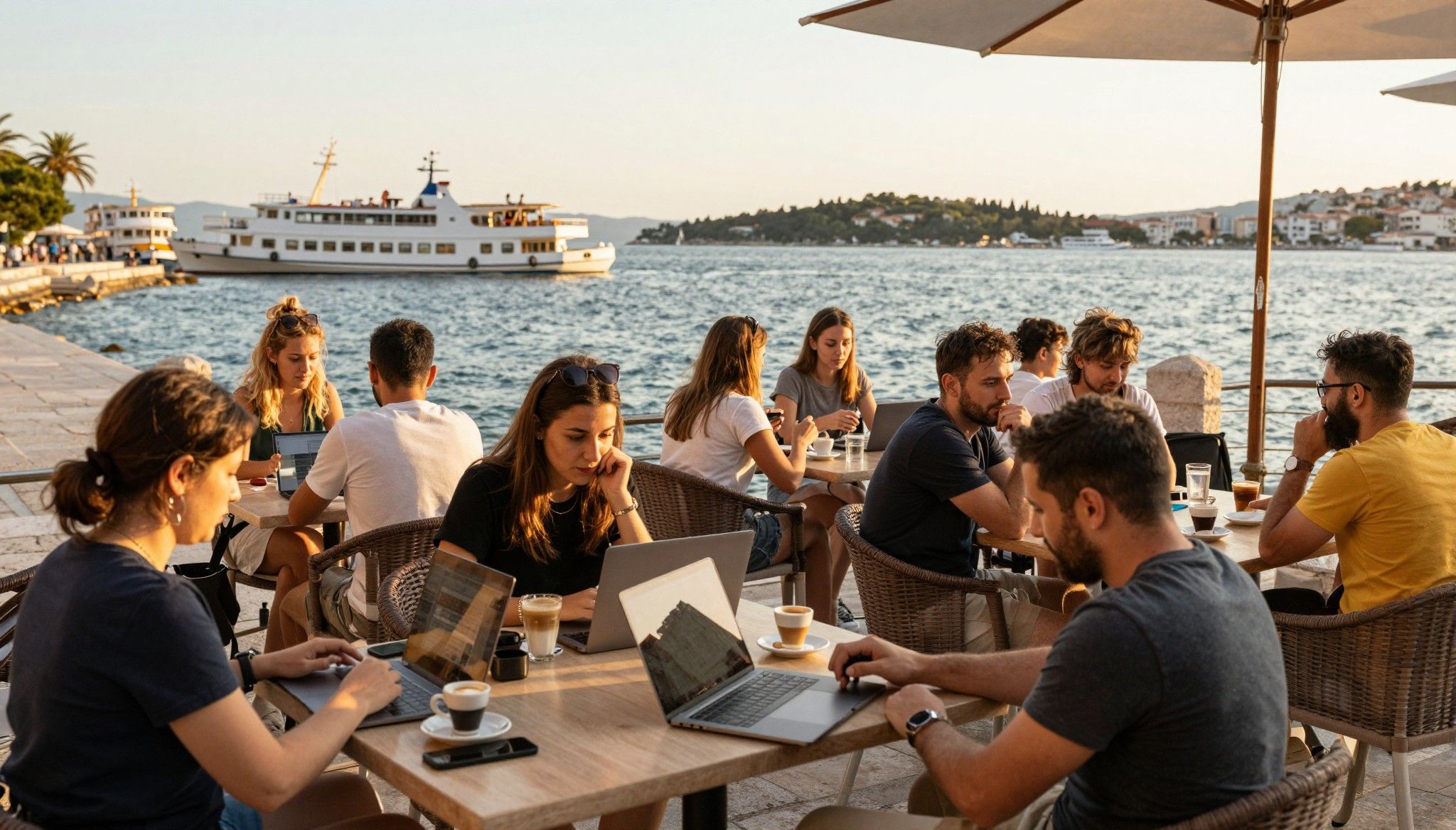
Italy: Lifestyle Payoffs vs. Market Realities
Italy offers region-specific lifestyle payoffs—from Milan’s fast fiber to Puglia’s seaside calm—backed by 2024 market data and practical steps for nomads ready to buy.
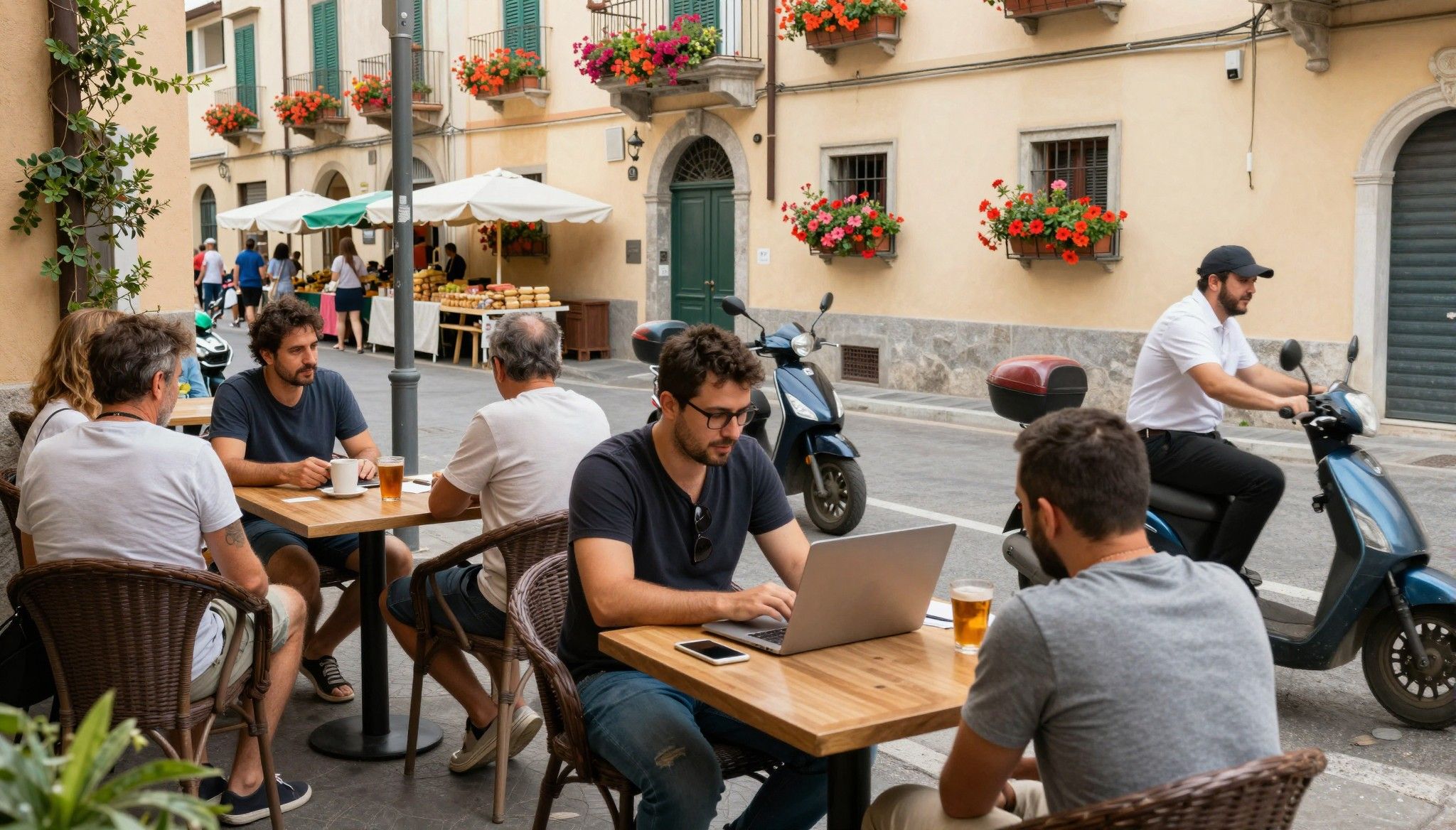
Imagine sipping an espresso at a corner bar on Via del Governo Vecchio, then walking five minutes to a sunlit apartment where your laptop faces a narrow cobblestone street. That’s Italy: slow mornings, loud evenings, impossible bread, and neighbourhoods that feel like extended families. For nomads and remote workers dreaming of a home base, Italy delivers sensory life—market mornings, aperitivo rituals, and weekend escapes to sea or hilltop towns—but also real estate quirks that surprise buyers.
Living the Italy lifestyle
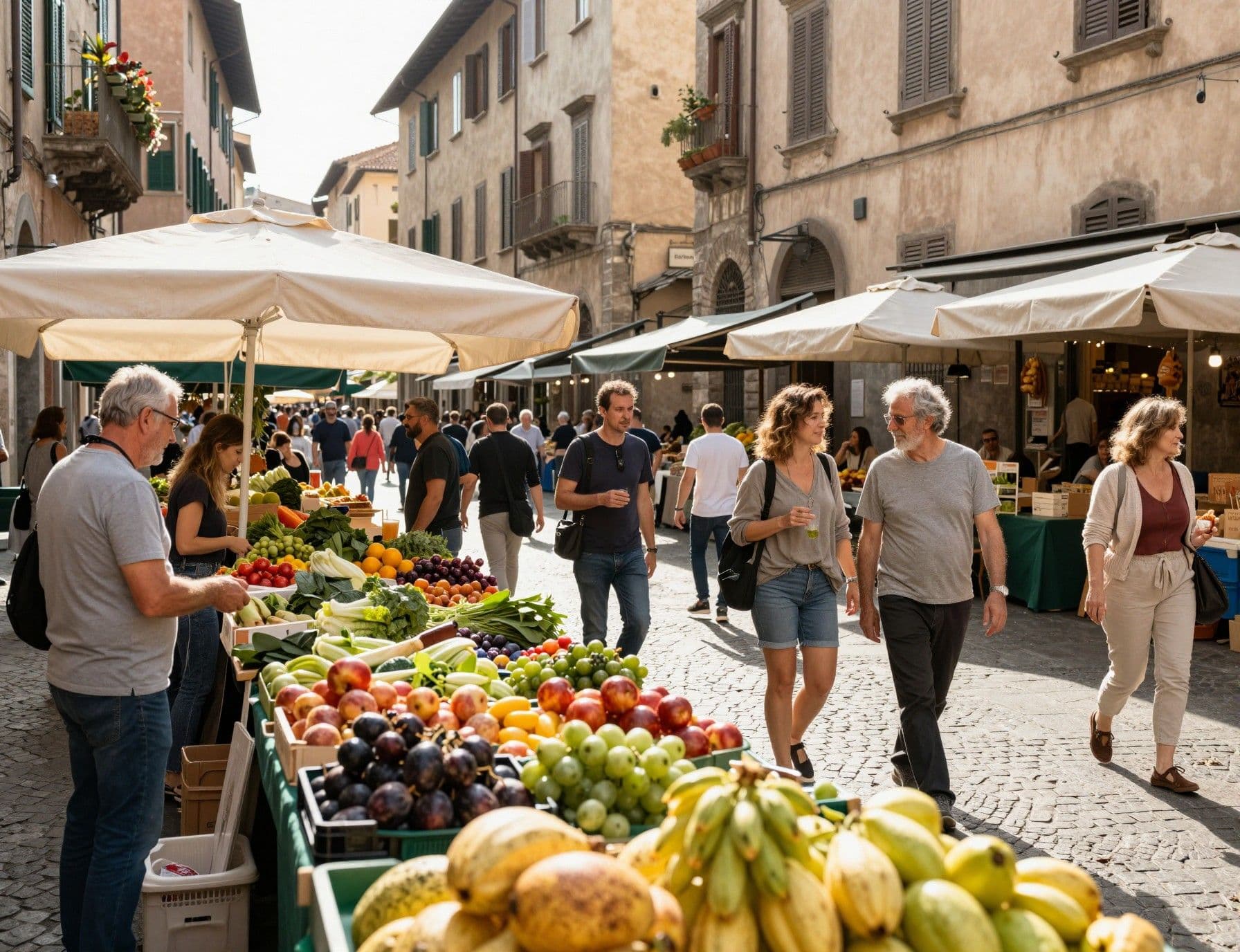
Italy isn’t one life—it’s many. In Milan you’ll find sleek coworkings and espresso-fuelled pitch sessions; in Puglia, slow breakfasts and sea-salty hair; in Florence, Renaissance corners and narrow streets where you learn to walk slowly. The soundtrack changes by region: scooters and market vendors in Rome, cicadas and church bells in Tuscany, and the lullaby of waves in Liguria. Day-to-day life leans heavily on neighbourhood rituals: the morning barista, the butcher who knows your name, the weekly mercato where seasonal ingredients shape your cooking.
City pulses: Milan, Rome, Naples
Milan buzzes with coworking density and faster fiber; Rome mixes historic center charm with commute realities; Naples offers coastal city living with dramatic views and a lively street culture. If you need consistent high-speed internet and scale for client meetings, Milan and Turin neighborhoods near Stazione Centrale or Porta Romana are strong bets. The Bank of Italy and local market data show demand has concentrated in big-city cores while interest in smaller towns keeps rising—a pattern nomads can use to match lifestyle with connectivity.
Coast and countryside: Liguria, Tuscany, Puglia
Want morning swims and terrace lunches? Liguria and Puglia trade proximity to the sea for seasonal flux—summer crowds and quieter winters—while Tuscany’s hills offer postcard calm and strong short-term rental appeal. Market reports from 2024 note rising transactions outside big metros as buyers chase lifestyle value, so smaller towns can deliver massive lifestyle upside if you accept slower bureaucracy and seasonal footfall.
- Neighbourhood and lifestyle highlights: - Milan: Navigli and Isola for nightlife and coworking; fast fiber options. - Rome: Trastevere for ritual and charm; Prati for quieter, practical living. - Florence: Oltrarno for artisans, Santa Croce for cafés and life. - Liguria: Levanto or Camogli for surf-friendly, walkable coasts. - Puglia: Ostuni and Monopoli for whitewashed streets and food culture.
Making the move: lifestyle-first practicalities
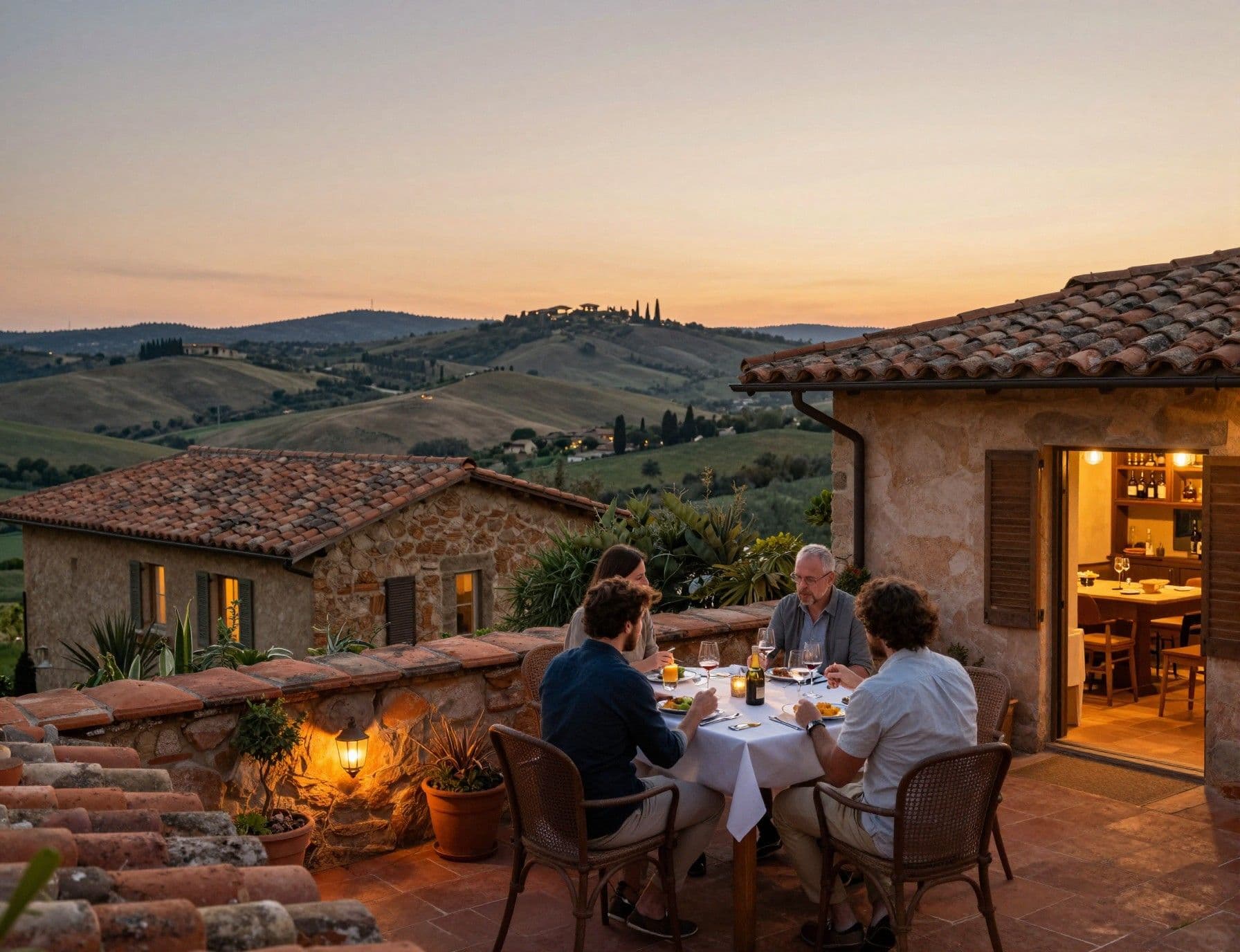
Dreams meet contracts. Italy’s market moved in 2024 with modest price growth and a rebound in transactions; ISTAT’s house-price data shows regional variation that matters. That means your timing and region choice can save—or cost—you tens of thousands. Think lifestyle first, then pick property types and neighborhoods that fit work rhythms, commute tolerance, and your appetite for renovation versus move‑in ready comfort.
Property styles that match nomad life
Studio in a historic centro? Romance plus compact work corners—great for single nomads. A renovated farmhouse in Umbria gives space, gardens and slower internet tradeoffs—perfect for creatives craving land and quiet. New-build apartments in Milan or Bologna offer guaranteed fiber, elevators, and coworking proximity. Match property type to daily habits: if you run client calls at odd hours, prioritize soundproofing and reliable fiber over an extra terrace.
Work with experts who know life, not just listings
- How local agencies help: 1) They translate seasonal realities—why a seaside village is empty in January but perfect for summer rentals. 2) They pre-check internet and work-friendly features (fiber availability, desk space). 3) They advise on renovation scope, often saving weeks on permits. 4) They connect you to local builders, cleaners, and property managers who make remote ownership livable. 5) They flag off-market chances in neighbourhoods where locals actually buy.
Insider knowledge: real expat tradeoffs
Real talk: Italians value place, time and ritual. That shapes everything from shop hours to renovation timelines. Expect bureaucratic pauses and a slower pace—then treat them as part of the charm. Expat buyers who fall in love with Italy’s rhythm usually win: they integrate, shop locally, and use community ties to solve small problems fast. Those wanting instant, corporate predictability do better in big-city, modern developments.
Language, community, and daily life
You don’t need Italian to fall in love, but a few phrases pay dividends—especially when negotiating with a local builder or ordering from the market. Join local Facebook groups, neighbourhood WhatsApp circles, and English-language meetups in cities. For families, searching near international schools in Rome or Milan matters; for retirees, small towns near healthcare hubs are smart. Community is the currency that makes life seamless here.
Longer-term lifestyle questions
Think five years ahead: will you want rental income when you travel? Do you plan to renovate and sell, or nest and age in place? Regions with strong tourism (Tuscany, Amalfi coast, Cinque Terre) can boost short-term rental yields but come with seasonal management needs. Less touristed hill towns offer steady quality of life and lower entry prices. Decide whether lifestyle or yield leads and let that steer region choice.
- Expat red flags we’ve seen: - No fiber available at the building—ask providers directly. - Properties listed without floor plans or energy certificates (APE). - ‘Too-good-to-be-true’ garden claims where boundaries are unclear. - Sellers who insist on cash-only without notarized checks. - Hidden condo levies for building restorations—ask about pending works.
Practical next steps: research neighbourhood internet and APE, ask agents for recent comparable sales, and get a local lawyer for due diligence. Use official statistics (ISTAT house prices, OMI maps via the Revenue Agency) to sanity‑check offers and ask agencies to show recent notarial deeds. Small steps up front save big headaches later—and keep your Italian life as delightful as that espresso in the morning.
Italy doesn’t ask you to be perfect. It asks you to slow down, taste often, and belong in a neighbourhood. If you want a life with market mornings, terrace lunches, and Friday aperitivos with new friends, start by visiting the exact streets where you think you’ll live. Spend a week working from a café, check fiber speeds, talk to neighbours—and then call an agency that knows both the listings and the lifestyle.
British expat who moved from Manchester to Mallorca in 2017. Specializes in market analysis and helping fellow Brit navigate local regulations.