The French Title Trap: Hidden Legal Checks Before You Buy
Fall for French streets, not paperwork: a lifestyle-first due diligence guide that pairs market data with concrete title checks, diagnostics and notaire tactics.

Imagine waking up in a sunlit apartment on Rue des Martyrs, coffee steam curling as a boulangerie bell rings and market vendors set up nearby. France feels like a living postcard: neighbourhoods with names you can taste—Le Marais, Saint-Germain, Cours Mirabeau—each with its rhythm, cafes, markets and a community that moves slowly and well. But that charm sits on a stack of legal paperwork, local rules and property customs that surprise many international buyers. This guide mixes the smell-of-croissants joy of French life with the exact title checks, contract clauses and notaire moves you need to protect your dream.
Living the France life: real streets, real rhythms
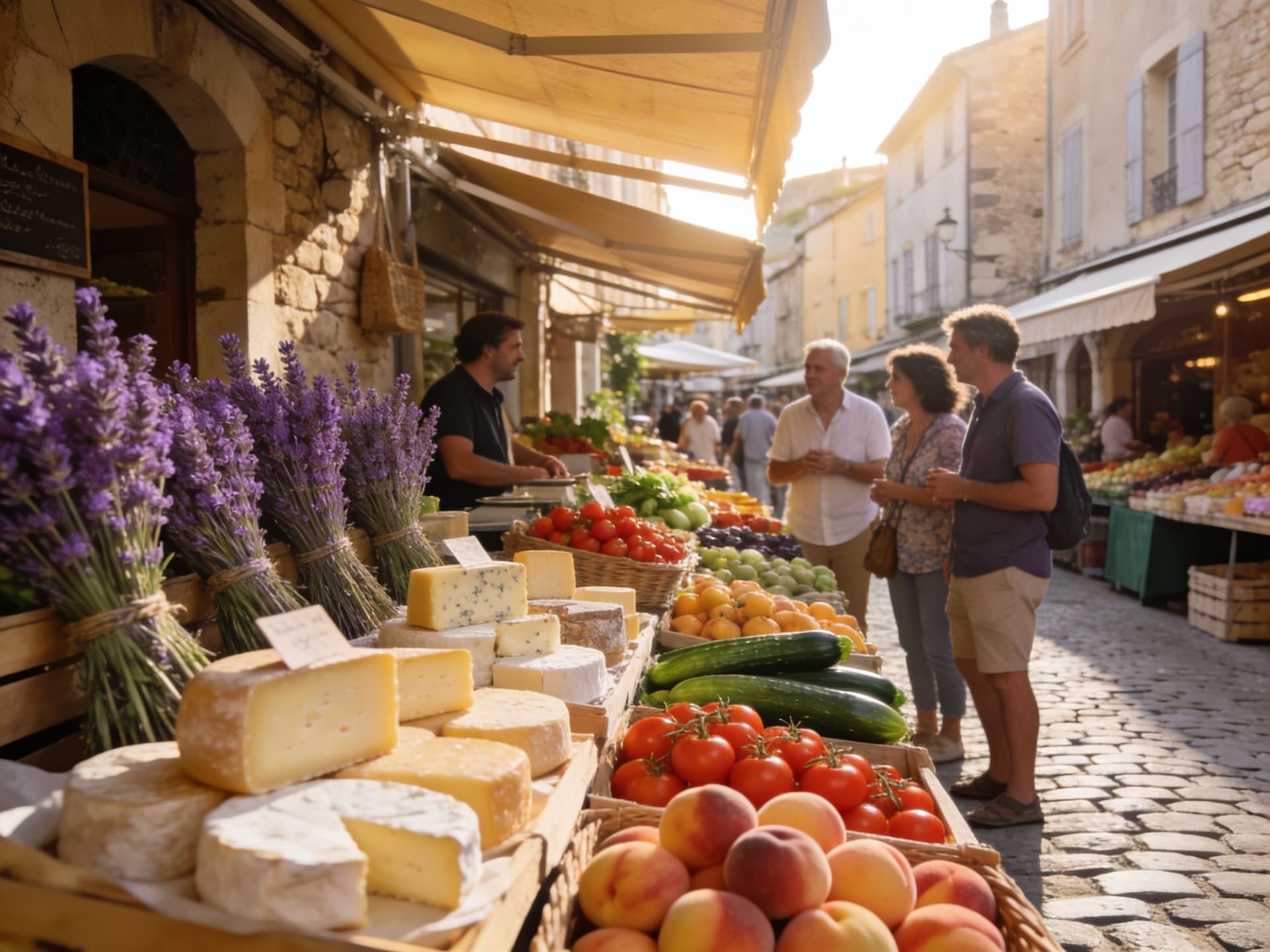
France is not one place but many. Parisian mornings are a choreography of scooters, espresso and dog-walkers in the 11th; in Aix-en-Provence, afternoons drift into shaded terraces and marché bargaining; along the Côte d’Azur, lunch stretches into late swims and aperitifs. These patterns shape what you need in a property: a tiny courtyard in Provence becomes a year-round sanctuary, while a compact flat near Canal Saint-Martin feeds the social life of a remote worker.
Neighbourhood notes: where locals actually live
Look beyond tourist postcards. In Paris, the 20th (Ménilmontant) hums with community bars and ateliers where young families and creatives buy apartments that still offer value. In Bordeaux, students and remote workers cluster around Chartrons for cafes and coworking; in Nice, the Port area is a lively alternative to the Promenade des Anglais, with local fishmongers and affordable pieds-à-terre. These micro-choices affect resale, rental demand and daily joy.
Food, markets and the seasonal calendar
Weekends in France are built around marché runs, long lunches and seasonal produce—truffles near Périgord in winter, wild asparagus in spring, shellfish in Brittany in summer. That’s not fluff: property life changes with seasons. A garden or terrace that’s glorious in May may be unusable in January, while proximity to winter sports transforms Alpine property value during ski season. Choose neighbourhoods that match how you’ll actually live, not how they look on Instagram.
Making the move: where lifestyle meets legal reality

Falling in love is easy. Closing a sale in France requires steady legal steps. The notaire (public notary) handles title, registration and tax formalities, and certain diagnostics—like the DPE energy certificate—must be provided before sale. Understanding the timeline (promesse or compromis, cooling-off period, notaire signature and final registration) helps you plan travel, financing and rental strategies without last-minute shocks.
Property types and what they mean for daily life
A haussmannien Paris flat gives you light, location and character but usually no outdoor space and high copropriété charges. A Provençal mas offers land and privacy but may need insulation upgrades and septic system checks. Coastal villas promise sun and views, but consider erosion, coastal zone restrictions and peak-season management. Match the property type to work-life needs—fast fibre and a quiet corner for client calls, or social streets for networking and cafés.
Practical steps before you sign (lifestyle + legal)
1) Visit in your season of choice to feel real life, not postcard life. 2) Ask the seller for all diagnostics (DPE, plomb, amiante, termites) and verify their dates. 3) Request the règlement de copropriété and recent procès‑verbaux if buying an apartment—these reveal renovation plans and disputes. 4) Get a local notaire to run title searches for mortgages, hypothèques and servitudes that could restrict use. 5) Check connectivity: exact fibre availability and mobile signal in the apartment and on the street.
Insider knowledge: the legal checks that save your dream
Here’s the blunt truth: many expats skip deep title checks because the property 'looks fine'—and later discover a servitude preventing a garden fence, or an unregistered extension that invalidates renovation plans. In France, the notaire’s role is central: they produce the acte de propriété, handle registration and confirm the seller can legally transfer the title. Always ask for a notaire’s pre‑purchase search (recherche de propriété) in writing.
Red flags to spot (and what to do)
Unclear land registry notes, recent but uncertified renovations, missing mandatory diagnostics, unresolved co‑ownership disputes, and sellers who resist providing procès‑verbaux. If you see any, pause. Ask your notaire for a specific clause in the compromis that allows you to withdraw or renegotiate if the notaire’s search finds liens or irregularities.
How agencies and notaires work together for you
A local agency should know which neighbourhood bakeries matter, but also which notaires specialise in international transactions and English-language contracts. Insist on agencies that coordinate a pre-sale dossier (diagnostics, energy, title abstracts) and can recommend independent surveyors. Your notaire must be independent—pick one early and have them review the compromis before you sign to add protective clauses tailored to international buyers.
A practical due-diligence checklist (legal + lifestyle)
1) Full title search for hypothèques, servitudes and boundary discrepancies. 2) Up-to-date diagnostics: DPE, plomb (lead), amiante (asbestos), termites, état des risques (flood/landslide). 3) Review copropriété rules and recent AGM minutes. 4) Verify building permits for any extensions; ask for architect plans. 5) Confirm utility setups and fibre availability; test mobile signal in the flat. 6) Ask about local taxes (taxe foncière, taxe d'habitation status) and typical utility costs to avoid surprises.
As an international buyer, you’ll sleep easier if your notaire explains registration timelines (copies of the acte de vente arrive months after signature) and if you budget for the notaire fees, transfer taxes and any immediate works. Market snapshots from INSEE and notaires indicate regional variation in 2025—Paris and popular southern towns show renewed price pressure—so local market intelligence matters as much as national headlines.
What expats wish they'd known (real confessions)
Expats often tell us: ‘We loved the street, then discovered heating costs that doubled our monthly spend,’ or ‘The apartment was perfect until we learned the copro rules banned short lets.’ Others say the best move was hiring a bilingual notaire early—saving weeks of headaches and renegotiation leverage. Keep lifestyle illusions anchored by concrete checks.
Long-term lifestyle: maintenance, neighbours, seasonality
French life changes slowly. A small town’s population can shift with a new transport link; coastal towns live off summer. Consider long-term costs of heating, solid fuel maintenance, roof repairs and garden upkeep—these are the things that change whether a place feels like home in year three. Ask locals, read AGM minutes, and budget a maintenance sinking fund.
Conclusion: Fall for the life, then lock the title. Start with neighbourhood visits in the seasons you’ll use most, choose a notaire early, demand a full diagnostics and title search, and insert protective clauses into the compromis. France rewards patience; do the legal work and the lifestyle you dreamed of will stick—cafés, markets and all.
British expat who moved from Manchester to Mallorca in 2017. Specializes in market analysis and helping fellow Brit navigate local regulations.