Buy the Life, Not the Listing: France Finance Hacks
Fall for France’s lifestyle — then budget for mortgages, notaire fees and currency moves; expect lower LTVs for non-residents and departmental fee differences.

Imagine starting your morning with a strong espresso on Rue Cler in Paris, or hunting for truffles at a bustling Dordogne market before lunch. That's the France most people fall in love with: slow cafés, dramatic seasons, and neighbourhoods that feel like a favourite book — each arrondissement, village square or coastal corniche with a personality all its own. But beauty meets bureaucracy: mortgages, notaire fees and currency moves quietly shape whether that dream becomes a smart purchase or an expensive lesson. Let's travel the sensory map first, then bring the banker to the table so you can buy from the heart — without surprise bills.
Living the France life — mornings, markets and neighbourhood rhythms

France is a mosaic of everyday pleasures that shape how you’ll actually use a property. Picture morning bakery runs in Lyon’s Croix-Rousse, sunset swims off Biarritz, aperitifs on Nice’s Promenade des Anglais, and late-night jazz in a narrow Saint‑Germain lane. Those routines determine what matters in a home: a quiet courtyard for naps, a sunny terrace for meals, reliable fibre for work, and a walkable street for spontaneous social life. When you choose a property here, you’re buying into rhythms more than square metres — and that changes what a mortgage or bank should support.
Neighbourhood spotlight — Paris: Saint‑Germain vs. Canal Saint‑Martin
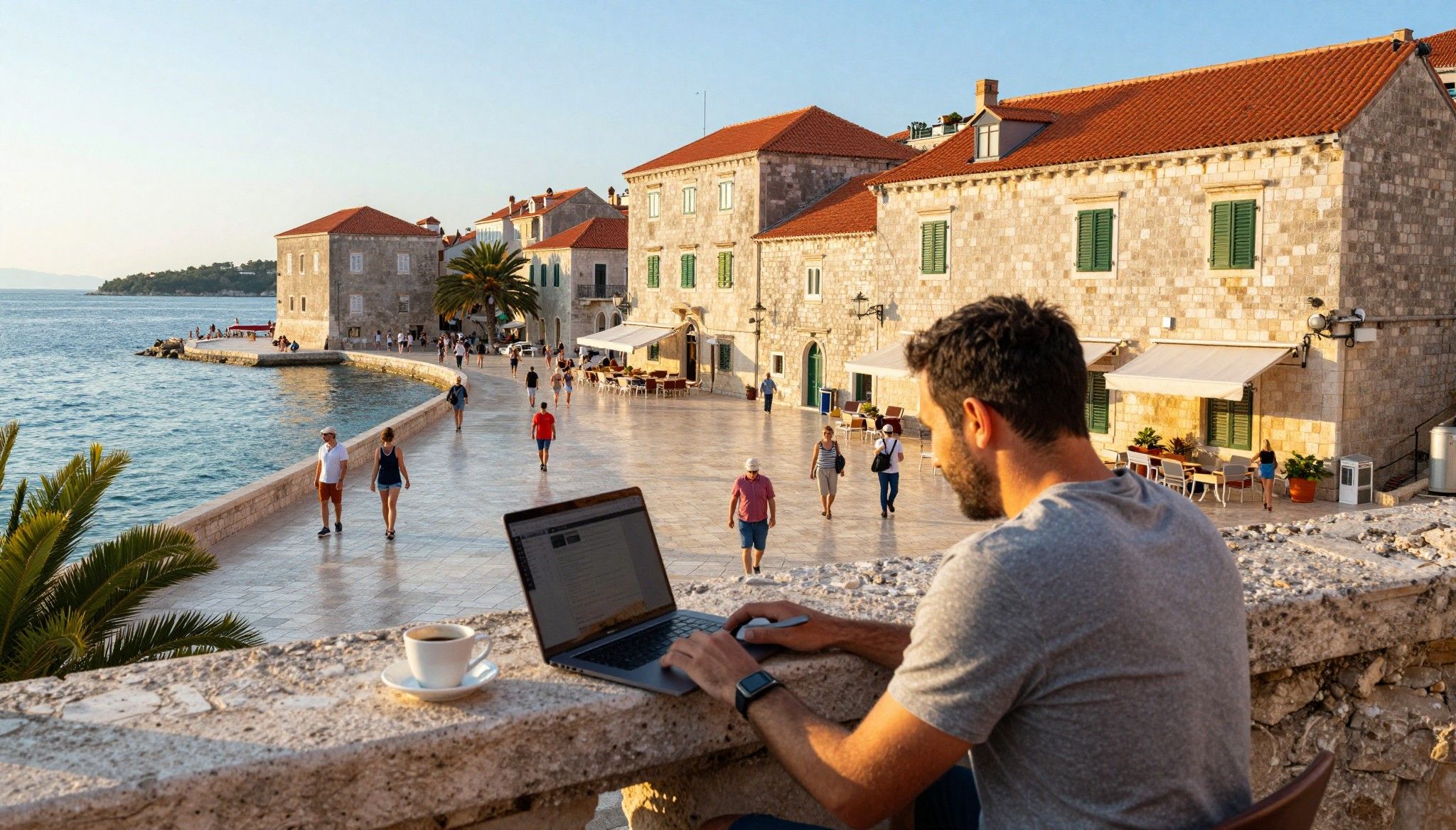
Saint‑Germain is café elegance and bookshops; Canal Saint‑Martin is restless, creative and full of canal-side diners. If you work remotely, Canal’s coworking spots and bars make it easier to meet people, while Saint‑Germain’s quieter mornings suit focus and classic Parisian living. Rents and purchase prices differ, but so do the hidden costs: service charges in older Haussmann buildings, or renovation limits in listed façades. Visit both at different times of day — that’s when lifestyle and cost realities reveal themselves.
Food, festivals and seasons — how local life shapes property use
- Markets, wine harvests, and local festivals aren’t just charming extras — they define when you want to be in a place and the type of property you need. In Bordeaux and Provence, harvest season brings visitors and short-term rental demand; winter in mountain towns like Chamonix boosts heating bills and maintenance needs; coastal towns can be lively in summer but quiet in winter, which affects rental yields and social life. Think beyond headlines: a village with an annual fête might be where you make friends, but a seasonal tourist surge may change cashflow and cleaning needs.
Making the move: finance, banking and currency — practical steps

You can fall in love on a Saturday and still be smart about money on Monday. Start by budgeting not just the purchase price but the transfer taxes and notaire fees — for older properties this commonly totals 7–8% of price, and recent departmental changes can push that higher in some areas. Mortgages for non‑residents are available but more conservative: expect lenders to ask for a higher deposit, extra documents and sometimes lower LTVs than locals. Currency swings matter too — converting large sums can add thousands of euros if you don’t use a specialist transfer plan.
How French mortgages work for non‑residents
- Typical loan-to-value and document checklist for foreign buyers
- 1. Expect 70–80% LTV for many non‑EU buyers; some banks will ask for 20–30% deposit or more. 2. Prepare certified translations and apostilles for income and bank statements; French banks verify source-of-funds thoroughly. 3. Factor in notaire fees and transfer tax — these are paid from your own funds and often amount to 7–8% on older properties. 4. Use mortgage specialist brokers with cross-border experience — they negotiate terms and identify banks comfortable with foreign income. 5. Keep an emergency buffer for renovations, annual property tax (taxe foncière) and possible agency costs if you plan to rent.
Budget trap — departmental transfer tax shifts and how to avoid the surprise
Several departments increased the share of droits de mutation (DMTO) to 5% for some years, which raises total notaire costs depending on location. That means buying the same €300,000 apartment in one département could cost you several hundred euros more than across the departmental border. The practical fix: compare total closing costs by department, not just headline price, and ask your agent to run a local notaire cost estimate early in negotiations. If you’re flexible on location, these differences can translate into immediate savings or budget for renovation instead.
Insider knowledge — the expat truth nobody told you
Here’s the candid part: many expats over-index on glamour and under-budget for process friction. Banks want proof, not just promises. Non‑residents often need a larger deposit, longer approval times, and a local fiscal understanding — for example, wealthier properties may interest IFI (l’impôt sur la fortune immobilière) rules. Local agencies that know how to smooth document trails, recommend translators, and identify banks that value foreign incomes are worth their weight in euros.
Cultural and practical tips that save money and headaches
- • Learn the local cadence: many small businesses close midday — schedule visits and signings accordingly. • Get a French bank account early to simplify utility and tax setup; some lenders favour buyers with local accounts. • Use specialist currency providers for transfers and staged payments to lock rates and reduce fees. • Insist on an estate agent who knows the micro-market: which streets have strict renovation rules, and which neighbourhoods have true year-round life versus seasonal tourism. • Check fibre availability before you commit if remote work is non-negotiable.
Long-term view — how lifestyle choices change your financial picture
- Think 3–5 years ahead: will you rent the place seasonally, live there full-time, or renovate and sell? These paths affect financing — banks price loans differently for buy-to-let owners and require clearer proof-of-income for long-term rentals. Renovation plans change insurance and tax profiles and may unlock green loans (eco-friendly renovation finance) in some cases. Your agency should help model these scenarios so you can compare net yield versus joy quotient, not just headline ROI.
Conclusion — fall in love, then do the math. France gives you cobbled mornings and coastline evenings, but it also asks for careful paperwork, local banking savvy, and shading against currency risk. Start with a clear lifestyle brief (what mornings, markets, and social life look like), get a local mortgage broker and currency advisor, and ask your agent for departmental notaire cost estimates before making offers. If you want, we can shortlist neighbourhoods that match your lifestyle and budget, and flag lenders comfortable with your income profile — so you buy the life, not just the listing.
British expat who moved from Manchester to Mallorca in 2017. Specializes in market analysis and helping fellow Brit navigate local regulations.