Live First, Buy Later: Malta’s Nomad + Property Reality
Malta’s island-size lifestyle is irresistible — but residency rules (like the Nomad Residence Permit) and rising prices mean test-living, fibre checks, and local agency help are essential.
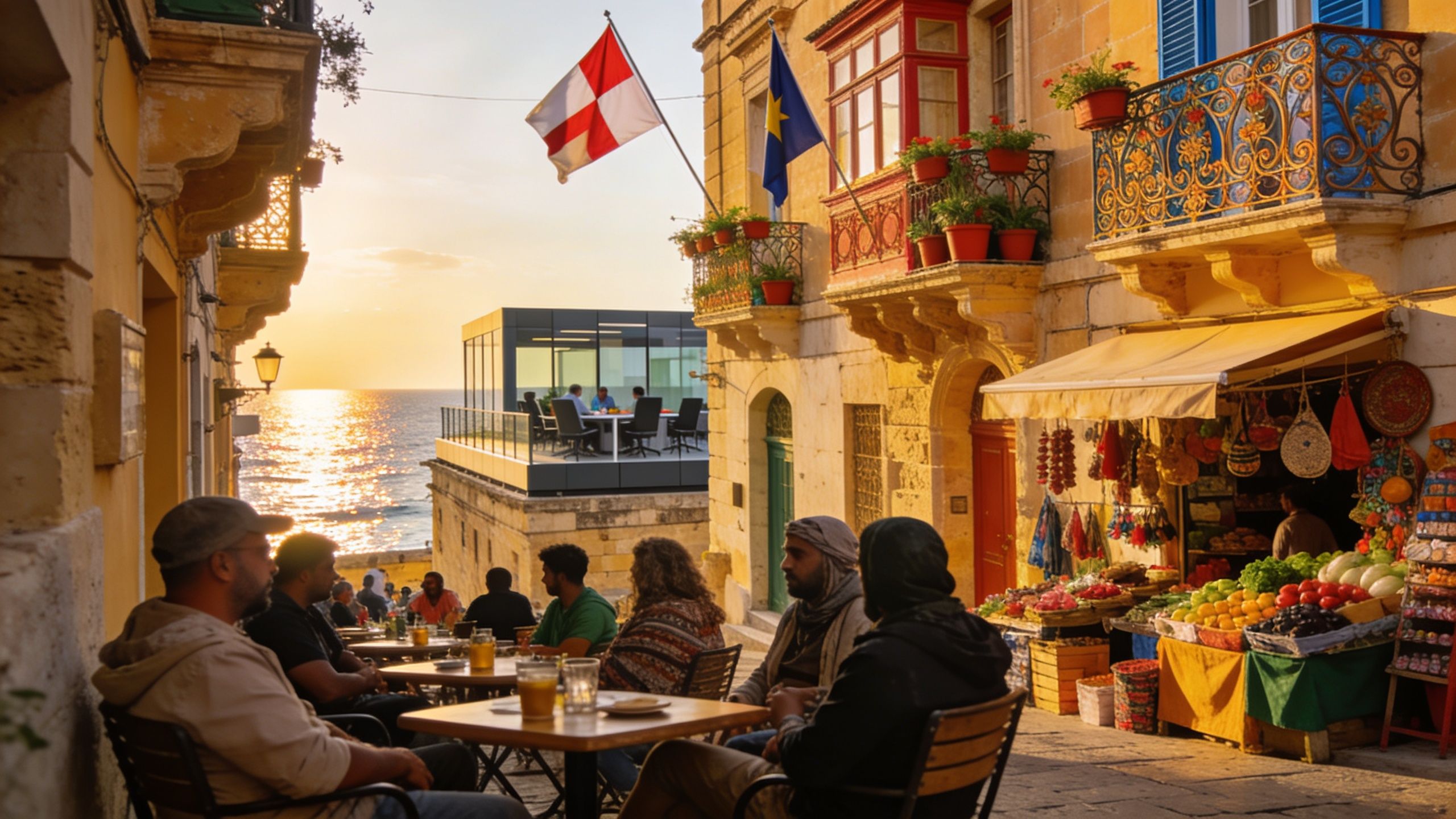
Imagine stepping out of a sunlit townhouse on Triq il-Merkanti in Valletta, espresso in hand, and choosing whether to walk a few minutes to a coworking rooftop or catch a ferry to Sliema’s sea-spray promenade. That immediate, small-island intimacy is Malta’s superpower — and it shapes every part of buying here, from the visa you need to the view you pay extra for.
Living the Malta life: small island, big rhythms
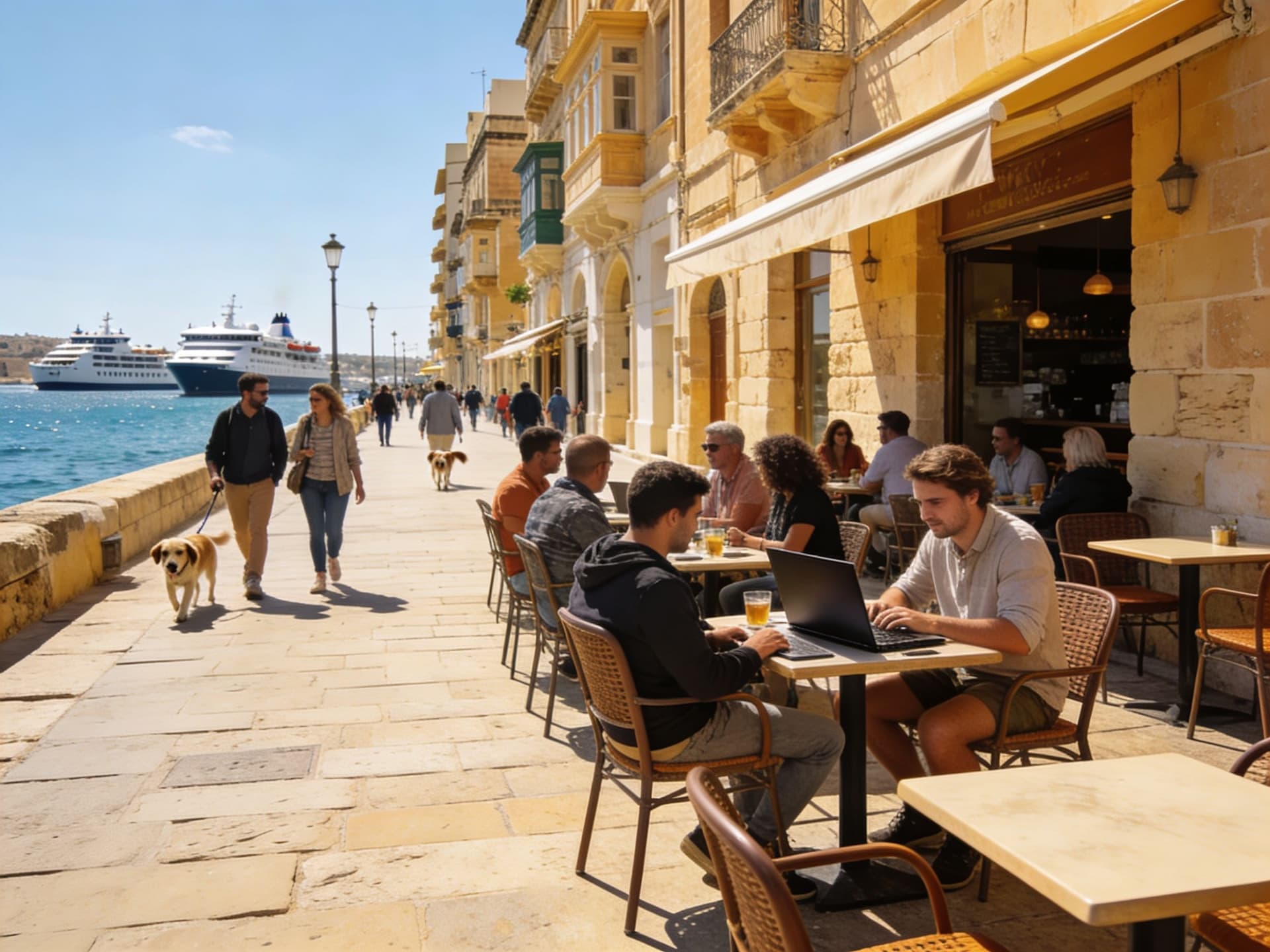
Malta feels like a handful of neighbourhoods rather than a single sprawling city. Mornings are market-driven, afternoons favor sea-to-terrace living, and evenings belong to piazzas and wine. English is widely spoken, cafés double as remote offices, and the Mediterranean calendar (regattas, festas, summer concerts) sets the pace.
Valletta & The Three Cities: history + espresso
Valletta’s limestone streets are cinematic — baroque facades, tiny balconies, and coffee shops tucked beneath arcade shadows. Living here means steep stairs, breathtaking harbourside views, and a daily supply of culture. The tradeoff: space is at a premium and historic restrictions can limit renovation options.
Sliema, St. Julian’s & St. Paul’s Bay: coastlines for remote work
If you want cafés with fiber-fast internet, shared desks, and a social after-work scene, Sliema and St. Julian’s deliver. St. Paul’s Bay and Mellieħa lean more relaxed — bigger terraces, easier parking, and a local family rhythm. Each area gives a different ‘work-life’ balance; pick by commute to coworking, not just the view.
- Lifestyle highlights: Valletta cafés, Sliema promenade, Marsaxlokk fish market, Golden Bay sunsets, Għarb village walks, Paceville nights (for short bursts)
Making the move: lifestyle dreams meet real residency routes
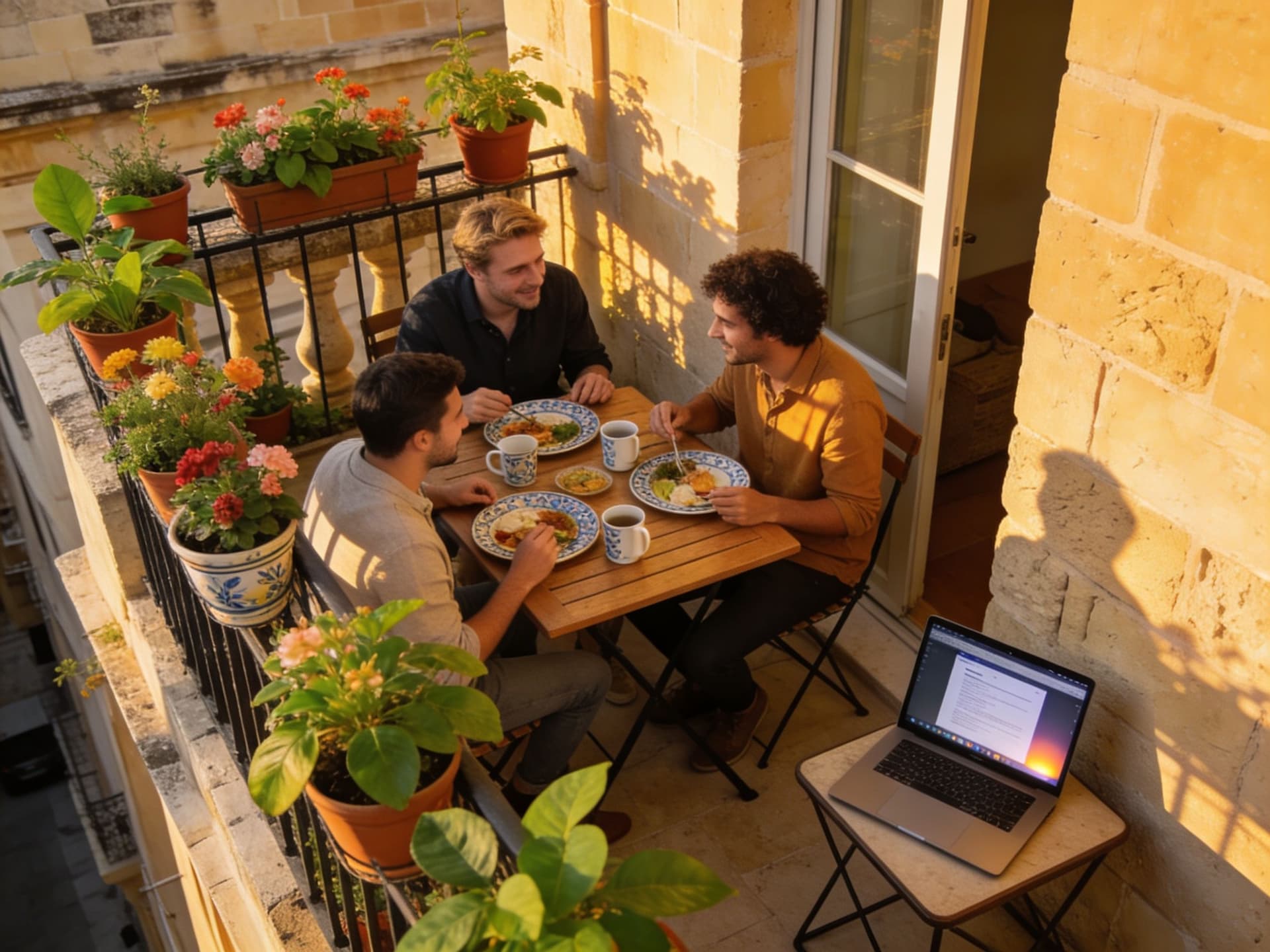
You can fall in love with a terrace in Mdina and still need to think like a buyer: Malta’s market has been rising (NSO’s RPPI shows steady increases), and residency choices — particularly the Nomad Residence Permit — influence where it makes sense to rent vs buy. Understand what a visa requires before committing to a long lease or mortgage.
Property types & how they fit nomad life
Apartments and maisonettes dominate coastal towns; converted palazzos and townhouses dominate historic cores. For a remote worker, a top-floor apartment with a usable terrace and fast fibre matters more than a formal dining room. Look for natural light, a quiet street for calls, and a small dedicated workspace rather than oversized unused rooms.
Working with local experts who know how people live here
Choose agents who have helped digital nomads and expats: they’ll flag fiber availability, permit-friendly lease clauses, and neighbourhoods with active coworking spots. A local lawyer familiar with residency paperwork saves time — especially when a permit (like the Nomad Residence) requires a valid rental or purchase contract as part of the application.
- Move-smart checklist blending lifestyle + practical steps: 1) Confirm visa route and document list before making an offer. 2) Test internet speeds at each property at peak hours. 3) Prioritise terrace/airflow over extra bedrooms for Mediterranean living. 4) Ask agents about historic-building constraints and renovation permits. 5) Budget for higher per-square-metre costs in Valletta and Sliema. 6) Meet neighbours — local networks often unlock better rental vs buy timing.
Insider knowledge: surprises, red flags and what expats wish they’d known
Because Malta is compact, small policy changes ripple fast. The end of investor-style citizenship headlines reminded buyers that mobility routes can shift. Always check the latest Residency Malta Agency requirements and ask how permit rules affect tax residency and local registration before signing anything.
Cultural integration: language, festas and neighbourliness
Maltese life rewards the curious. Learn a few Maltese phrases, attend a local festa, and you’ll be invited to neighbourhood dinners faster than you think. Expect warm directness — helpful, not invasive — and a strong sense of local pride that protects heritage and shapes renovations.
Long-term view: when the island’s size helps your investment
Malta’s limited land supply and steady demand mean values tend to be resilient. NSO data has shown year-on-year rises in recent periods, so short-term flips are riskier than owning a slice of everyday island life. That means prioritising quality of life and rental potential over speculative location hype.
- Expat lessons & red flags: - Don’t pay premiums solely for harbour views without checking insulation and noise. - Historic building restrictions can block structural changes — verify before buying. - Short-term rental pressure raises prices in popular towns; consider quieter villages for long-term living. - Verify fiber availability — municipal upgrades vary by street. - Factor in seasonal demand: summer can mask everyday liveability.
Final nudge: the lifestyle + next steps
If Malta’s compact, lived-in charm hooked you, start with a short rental in your favoured neighbourhood, submit a Nomad Residence Permit pre-check, and task a local agency with fibre checks and historic-building rules. Live here first, buy with certainty later — that’s how the island reveals the right home.
Conclusion: taste the espresso, test the internet, then sign. Malta rewards the patient buyer who prioritises real day-to-day life over postcard perfection.
Dutch investment strategist guiding buyers to Greece and Spain; practical financing, tax, and portfolio diversification.