Budgeting the Cyprus Life: Terraces, Strata & Renovation
Plan a Cyprus move that matches lifestyle with numbers: budget for terraces, strata fees, renovations and seasonal bills, using local market data and expat-tested checks.
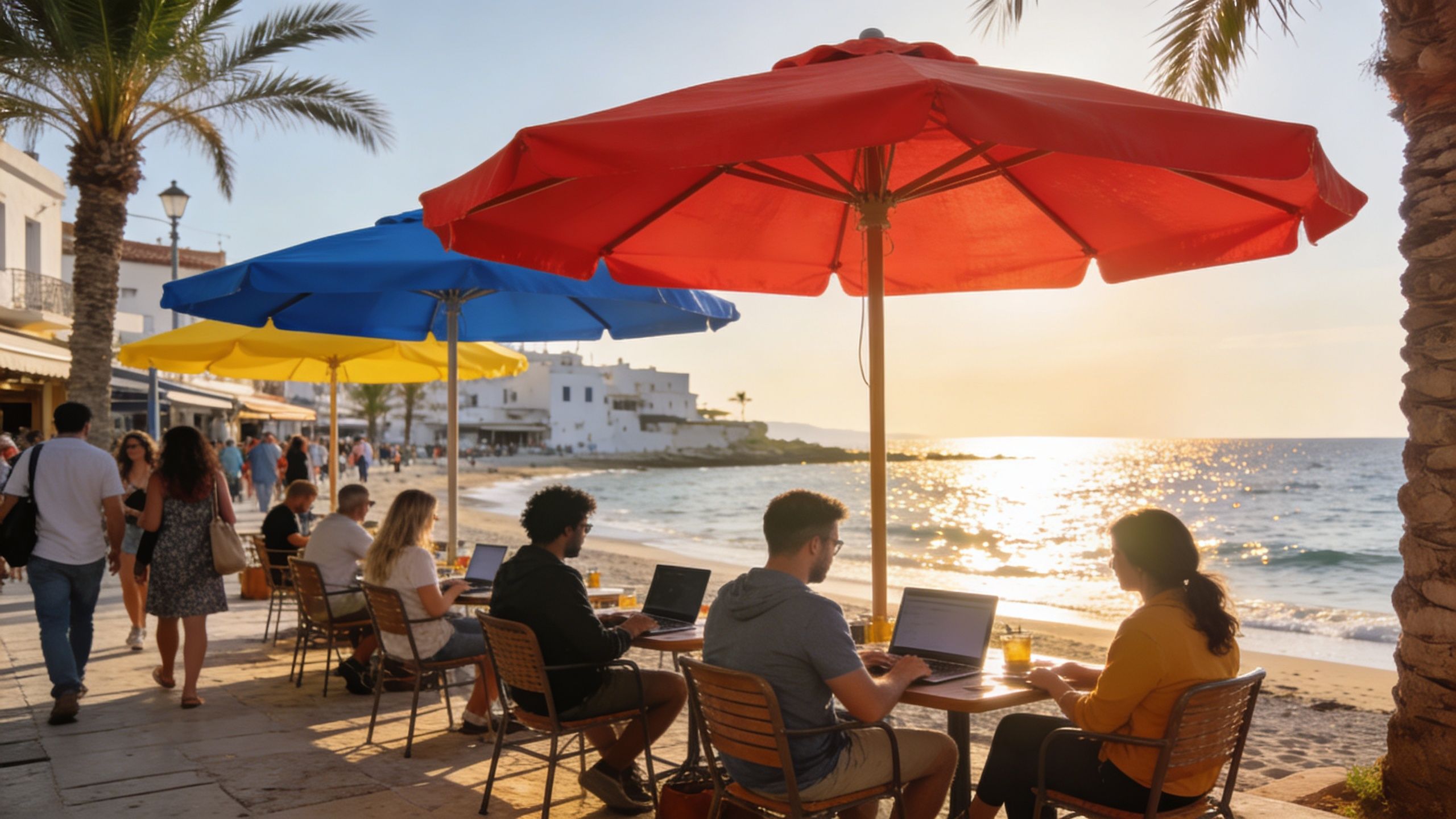
Imagine morning espresso on a sun-soaked terrace in Limassol, laptop open, breeze from the Mediterranean and the scent of freshly baked halloumi drifting up from the street below. That relaxed, lived-in glamour is what draws nomads to Cyprus — but falling in love with a view is only the first step. Recent market reviews show Cyprus’s property scene is quietly stable, not wildly cheap nor outrageously expensive, and that matters when you’re budgeting for a life change.
Living Cyprus: sun, streets and slow afternoons
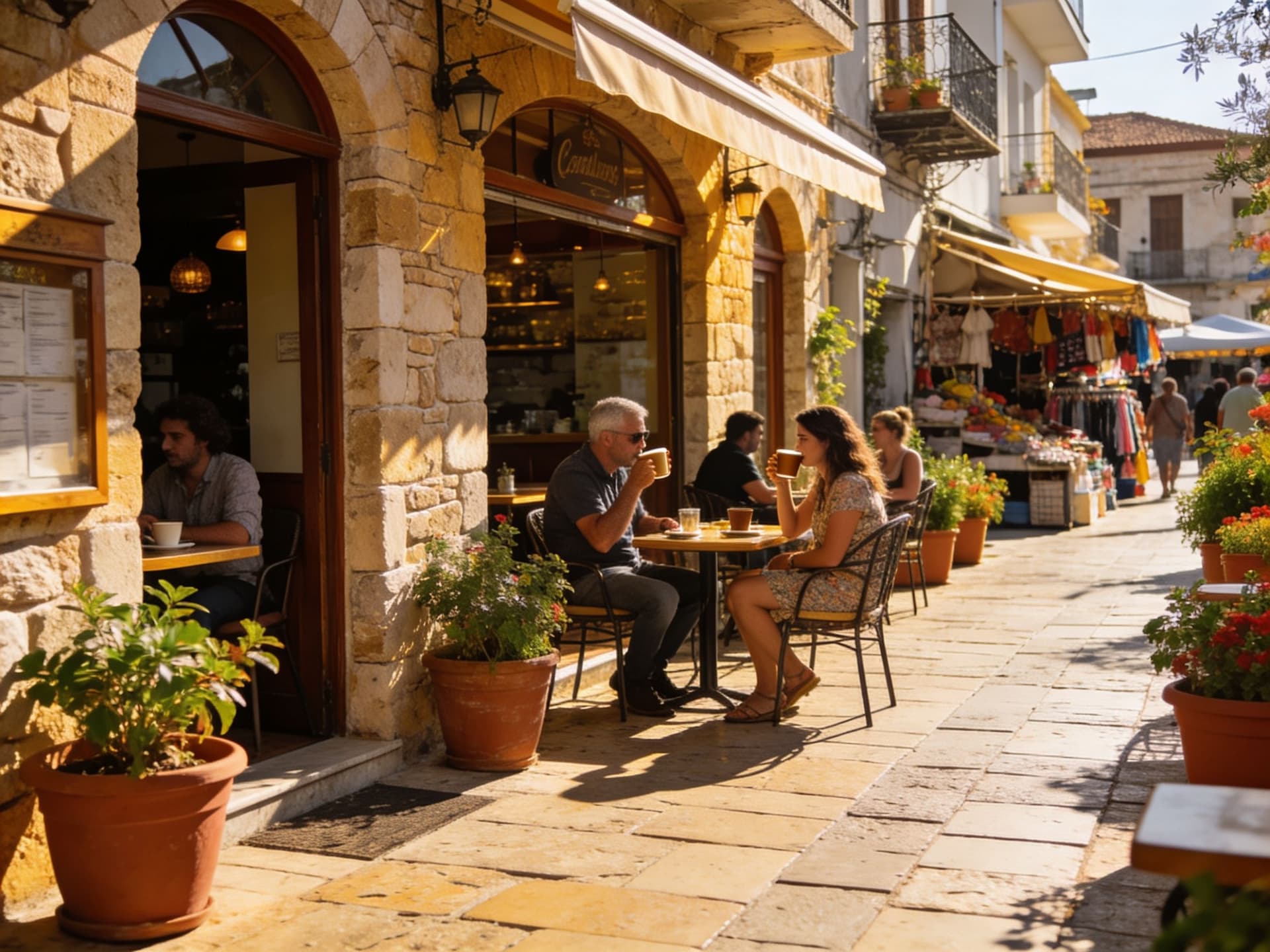
Cyprus moves at Mediterranean time. Days blend café chatter, market bartering, and seaside walks. In Limassol you’ll trade busy mornings for late sunsets along the Promenade; in Paphos weekends revolve around family tavernas and archaeological strolls; Nicosia hums with student energy, museums and late-night mezze. Home life here is indoor–outdoor — terraces, shutters, and a culture that eats late and loves long social dinners. These rhythms should shape your budget: utilities for air-conditioning in summer, occasional heating in winter, and the cost of an outdoor lifestyle (furniture, terraces, gardening) that many properties advertise but you’ll actually use.
Neighborhood vibes that decide where you’ll buy
Choose the neighborhood as you’d choose a daily routine. Limassol’s Old Port and Molos are great if you want seafront walks, tapas-style dining and coworking meetups. In Larnaca, the area around Finikoudes is a relaxed seaside option with cafes and easy flights. Paphos’ Kato Paphos offers history and quieter streets, while Agios Dometios in Nicosia gives you village-feel lanes inside a capital city. Each place changes your running costs: parking and car needs differ, local produce markets lower your food bills, and proximity to coworking spots affects whether you’ll pay for a dedicated desk or not.
Food, markets and the weekend ritual
Weekends here are about markets and mezze. A Saturday morning at the Nicosia Municipal Market or Limassol’s central market will feed you for days without breaking the bank — and that lifestyle choice reduces grocery line-item pressure in your monthly budget. Expect basic living costs for a single person to range around €1,100–€1,700 per month depending on city and lifestyle; choose Limassol or private schooling and that number rises. Factor local food culture into your budget: eating out is social and frequent, and it’s part of the price of truly living like a local.
Making the move: practical money steps with local color

You’ve pictured the life — now match it to real numbers. Cyprus’s housing market has posted modest yearly rises (HPI showed small increases through 2024), so budget for steady growth rather than wild swings. Your initial budget should cover the purchase price, transaction costs, a renovation buffer, and a living buffer for six months while you settle in and find local income or rental tenants. Think in layers: purchase price, transactional fees, seasonal running costs, and lifestyle spending that turns a flat into a home.
Property styles and what they cost you to live in
Modern seafront apartments in Limassol trade space for views and higher strata fees; village stone houses in the Troodos mountains offer lower purchase prices but higher renovation and insulation costs. New developments promise warranties and less immediate maintenance; older Cypriot homes deliver character but usually need plumbing or roof updates. When budgeting, don’t treat purchase price as the whole story — estimate renovation costs per square metre and add a 15–25% contingency for surprises like moisture, wiring or tile replacement.
Working with local experts who get both life and law
- 1. Hire a bilingual lawyer early — they’ll check title, gri, and planning permissions and translate the cultural shorthand sellers use. 2. Use a local agent who knows neighbourhood rhythms — which streets rent fast to nomads and which are quieter year-round. 3. Get a local surveyor for older houses — Cyprus’s dry climate hides damp and structural quirks. 4. Open a Cypriot bank account and discuss FX transfer plans if you’re using foreign income — fees and timing matter. 5. Budget for strata/maintenance charges for apartment living — these are recurring and vary widely.
Insider knowledge: expat truths and the budget surprises
A few things expats wish they’d known: Limassol remains the luxury hub (and priciest), Paphos is quieter and often better value for sea-facing homes, and foreign transaction volumes dipped slightly in 2024 even as total values held up — meaning opportunities exist but you should act with local insight. Expect small but real annual house-price increases rather than dramatic leaps; treat Cyprus as a stable lifestyle buy more than a high-speed investment flip.
Cultural cues that affect cost and community
Cypriots value community and hospitality. Budget for festivals, weddings and invitations — these social moments are how you become part of a neighbourhood. Language is helpful but not mandatory in many expat hubs; English is widely spoken in business and services. Still, learning basic Greek opens doors to better local deals and friendlier tradespeople when bidding for renovations or negotiating rentals.
- Hidden costs and practical checks
• Strata and communal maintenance fees for coastal developments. • Renovation costs for older stone homes (roof insulation, damp checks). • Seasonal energy bills (air-conditioning in high summer). • Permit or upgrade costs if you plan to add terraces or pools. • Short-term rental licensing rules if you plan to offset your costs with Airbnb-style lets.
Plan these into your initial budget as fixed items and you’ll avoid the classic buyer mistake: loving the view, then discovering the running costs make it unaffordable. Start with a realistic monthly living estimate, add a year of contingency for settling-in and renovation, and lean on local experts to refine numbers to the neighbourhood level.
Take the leap: visit outside peak tourist weeks, stay for a month if you can, and treat the visit as a due-diligence trip. Walk the streets at morning and dusk, talk to café owners about the neighbourhood, check internet speed at the apartment and at local coworking hubs, and ask your agent for recent comparable rents and sales. With a thoughtful budget that matches the lifestyle you want — terrace dinners, market weekends, a reliable coworking desk — Cyprus can be the place you don’t just visit but truly live.
British expat who moved from Manchester to Mallorca in 2017. Specializes in market analysis and helping fellow Brit navigate local regulations.