Sliema vs Gozo: The Surprising Tradeoffs for Nomads
Malta’s island life is irresistible, but buyers must match its lifestyle beats with market realities — test fibre, visit at different tempos, and choose local experts.

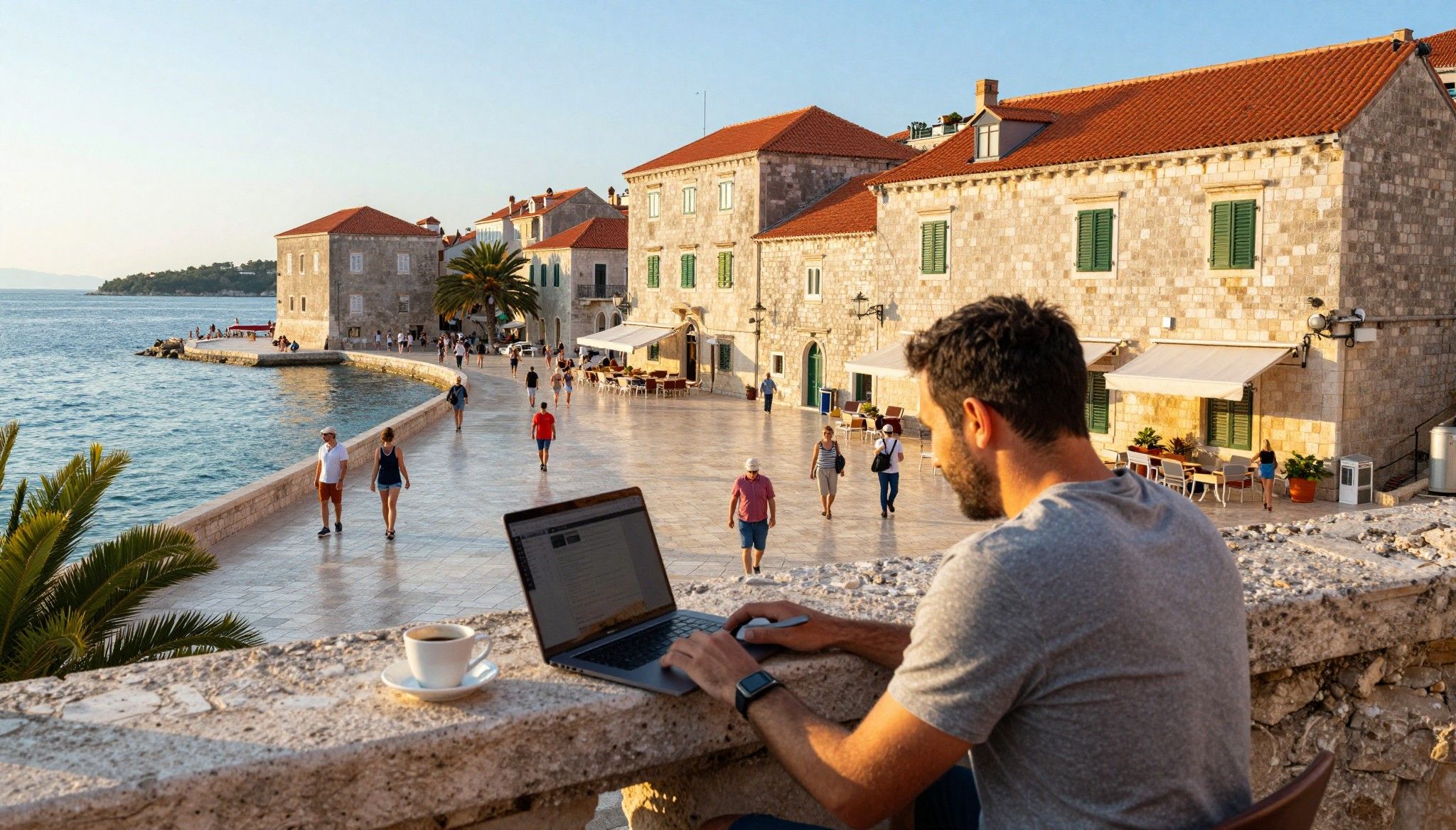
Imagine starting your day with espresso at Café Cordina in Valletta, walking the limestone streets to a sunlit co‑working hub, and finishing with a swim at St George’s Bay as the sky turns molten. Malta compresses big‑city conveniences — fast cafés, reliable flights, an English‑speaking daily rhythm — into island‑size distances. That closeness is why nomads fall fast: you can live in a 17th‑century townhouse, work from a rooftop with fibre, and be back at your favourite fish‑restaurant before sunset. But lifestyle and listings don’t always line up; understanding where life feels effortless — and where the market quietly demands patience — is the key to buying smart in Malta.
Living the Malta lifestyle
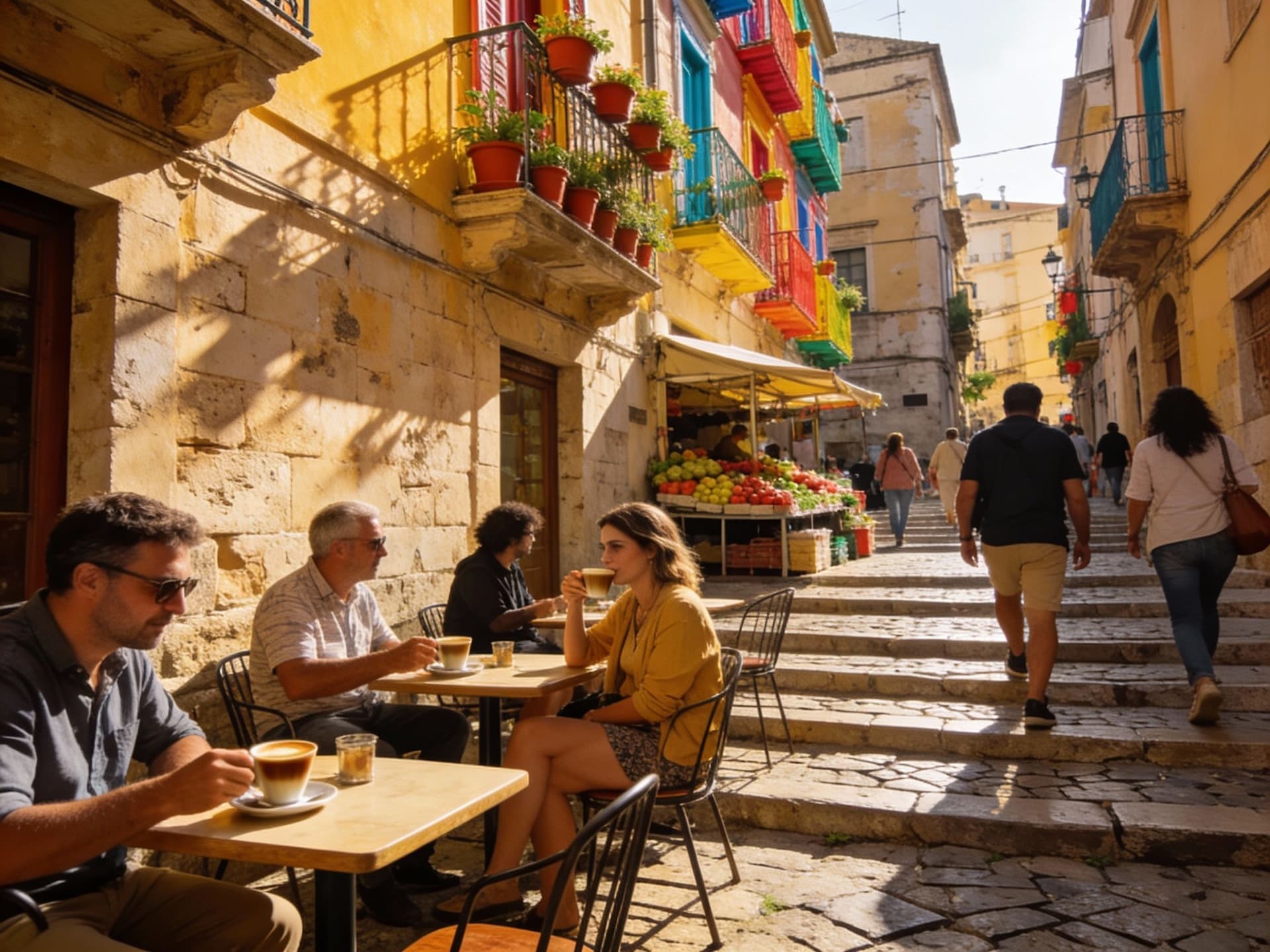
Living here is sensory and social. Valletta’s baroque facades echo with late‑night chatter, Sliema’s promenade hums with joggers and sea breezes, and Gozo feels like stepping into a slow, neighbourly novel. Real life in Malta mixes short commutes with long lunches; your weekend might include a farmers’ market in Marsaxlokk, a pottery class in Rabat, and drinks in the buzzy Paceville crowd. Yet that charm sits beside a competitive property scene — prices rose steadily in recent years while transaction volumes increased, driven by local buyers and expats hunting lifestyle value. ([maltainvest.mt](https://maltainvest.mt/maltas-residential-property-market-holds-steady-as-transaction-values-climb/?utm_source=openai))
Valletta & The Three Cities: History as a neighbour
If you crave daily architecture and cafés that feel like living rooms, Valletta delivers. Narrow streets, stepped entrances, and tiny balconies mean many properties are characterful but compact. Expect high ceilings, stone walls and the occasional hidden courtyard. For remote work, the city’s cafés and boutique co‑working spots are perfect for focused days, but parking and large terraces are rarer — so weigh lifestyle (walkability, culture) against practical needs (workspace size, storage).
Sliema & St Julian’s: The energetic coastal office
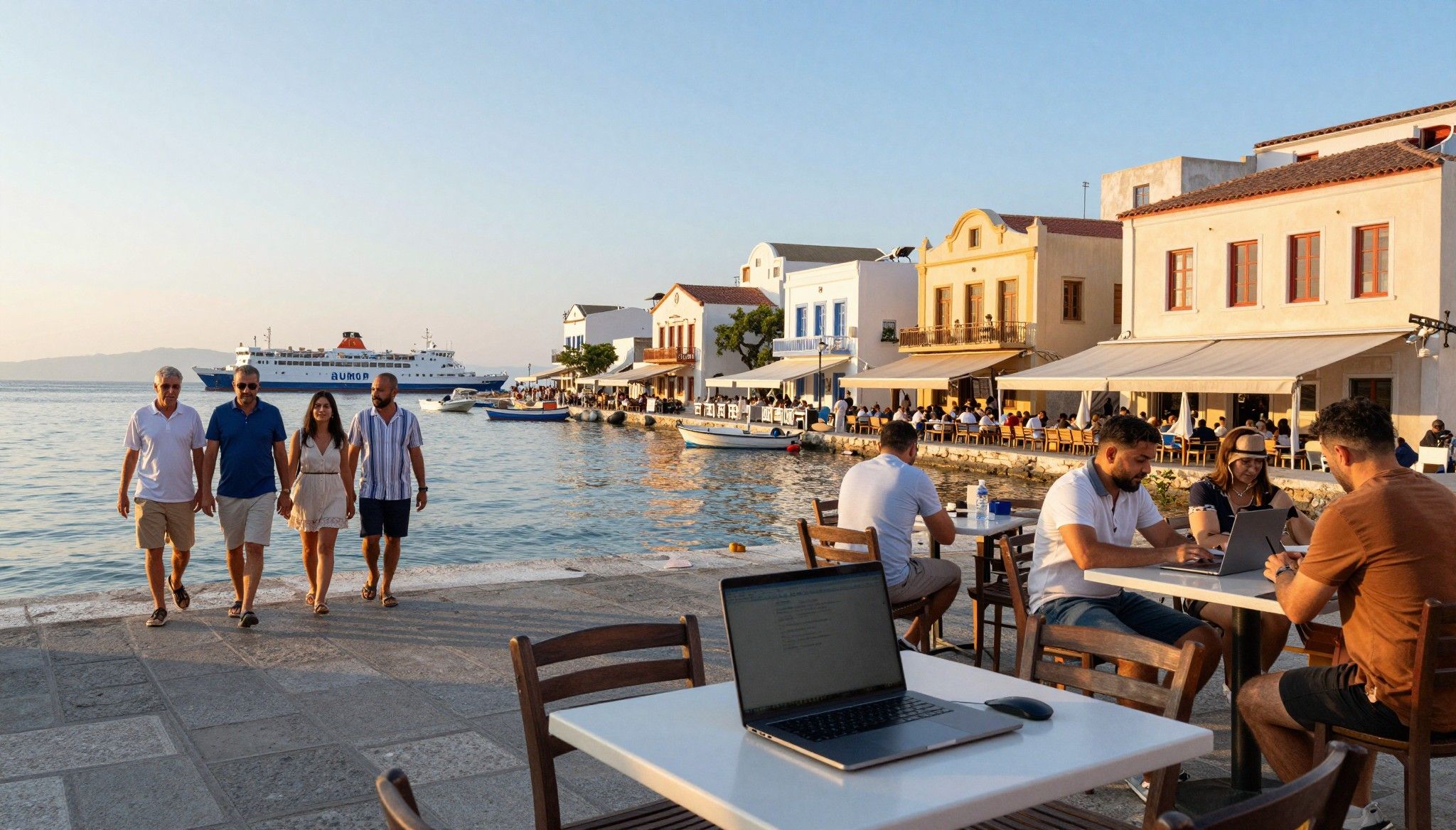
Sliema and St Julian’s are Malta’s most obvious nomad hangouts: fast cafés, international restaurants, solid ferry links and the highest concentration of co‑working space on the islands. Apartments here give you sea views and easy social life, but they also carry the premium for convenience. If daily networking and short commutes to international schools or offices matter, these are worth the price. If you prefer quieter mornings and more outdoor space, explore inner suburbs or Gozo instead. ([independent.com.mt](https://www.independent.com.mt/articles/2025-12-14/local/Residential-property-market-is-busy-demand-outweighs-supply-real-estate-agencies-6736285596?utm_source=openai))
- Lifestyle highlights
- Morning espresso at Café Cordina, Valletta — short walk to museums and co‑working spots - Sunset swims at St George’s Bay — quick recharge after work - Sunday fish market in Marsaxlokk — fresh produce and local rhythms - Ferry commute to Sliema from Valletta — a scenic 10‑minute ritual - Clay pottery classes in Gozo — slow island craft and community - Rooftop work sessions in refurbished townhouses with fibre connections
Making the move: practical considerations
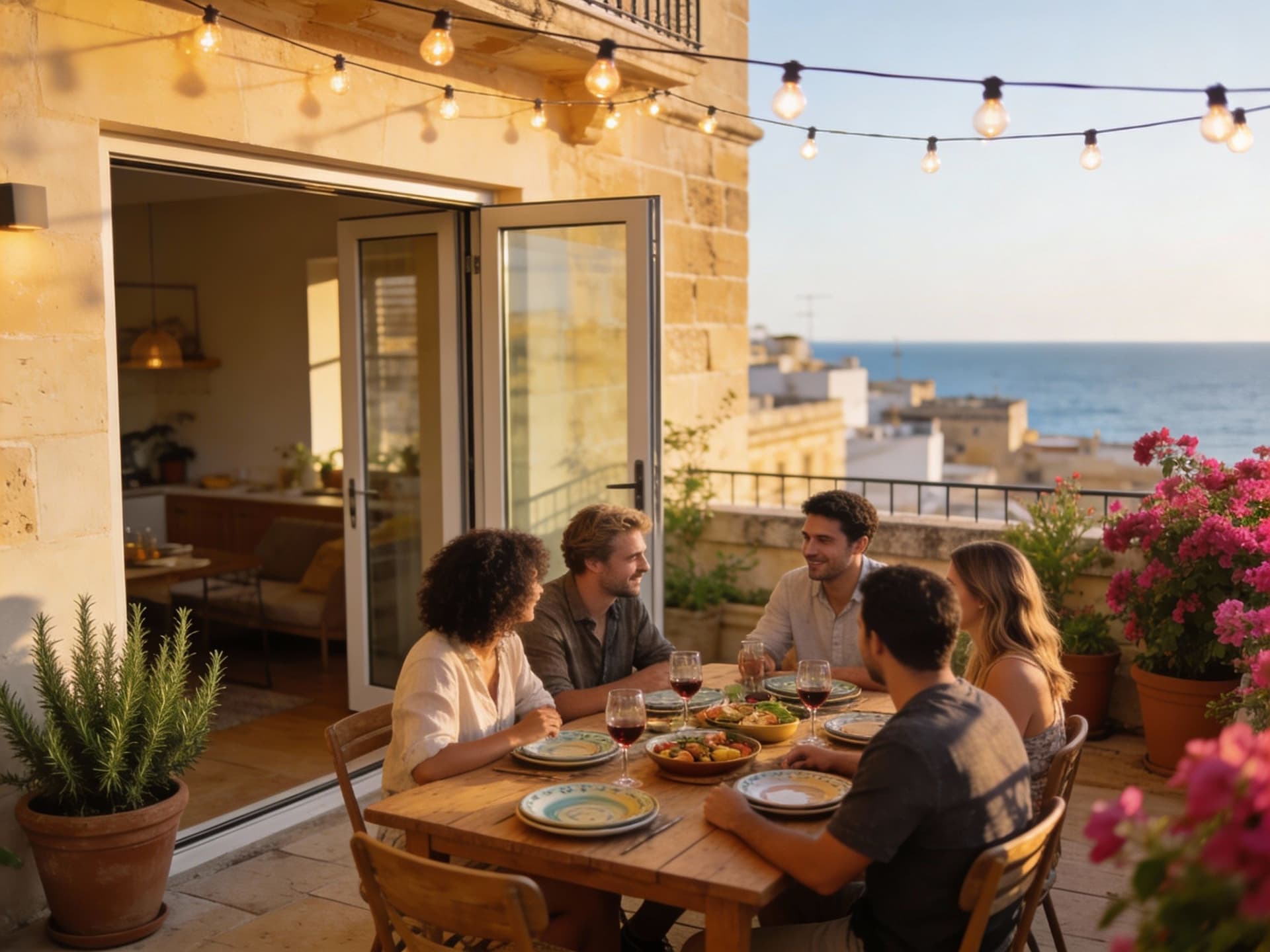
Malta’s lifestyle is seductive; the practical part is more granular. Expect paper trails, neighbourhood‑by‑neighbourhood price differences, and property styles that require tradeoffs (historical charm vs modern amenities). Market reports show steady demand and rising transaction values, so timing and local expertise matter — not to gatekeep, but to protect your lifestyle investment. Work with agents who know where fibre and quiet terraces coexist, and ask to visit at both weekday and weekend tempos before committing. ([pwc.com](https://www.pwc.com/mt/en/publications/middlemarketbarometer/real-estate-survey-2025.html?utm_source=openai))
Property styles — what they mean for daily life
Malta’s common property types — apartments, maisonettes, townhouses and houses of character — each shape how you live. Apartments in Sliema mean sea breezes and cafes; maisonettes give ground‑floor living with a small yard; townhouses offer courtyards and renovation potential; houses of character bring soaring spaces but often higher maintenance. Match the type to your routine: if you work from home, prioritise natural light, outdoor space and reliable broadband over a showy sea view. ([globalpropertyguide.com](https://www.globalpropertyguide.com/Europe/Malta/Price-History?utm_source=openai))
Working with local experts who know the life you want
Choose an agency that markets lifestyle as much as square metres. Tell them your weekly routine — gym mornings, afternoon coworking, island weekends — and ask for listings that match. Good agents will flag fibre availability, terrace orientation, and neighbourhood noise at 8am vs 10pm. They’ll also point out renovation realities in limestone buildings: permits, insulating from summer heat, and plumbing updates for century‑old pipes.
Steps to blend lifestyle with buying (practical + sensory)
- 1. Visit neighbourhoods multiple times (weekday workday, weekend evening) to feel the tempo. 2. Test internet speeds and ask sellers for recent bills—prioritise gigabit‑ready buildings where possible. 3. Request a neighbourhood noise check and sunlight orientation for terraces. 4. Build renovation buffer into your budget for limestone maintenance and cooling upgrades. 5. Use a local lawyer for title checks and to explain the promise-of-sale (PoSA) and deed process. 6. Work with an agent who can introduce you to local community groups and co‑working hubs.
Insider knowledge: what expats wish they'd known
Here’s the real talk: residency rules and investment programmes have shifted in recent years, and political attention to citizenship‑for‑investment schemes has influenced how some foreigners view Malta as a gateway to the EU. That matters because certain programmes were tightened or challenged — so buy the lifestyle, not a shortcut. Aim for residency and property choices that stand on long‑term legal clarity, not on temporary incentives. ([theguardian.com](https://www.theguardian.com/world/2025/apr/29/malta-golden-passport-scheme-ruled-to-be-by-eu-top-court?utm_source=openai))
Cultural integration, language, and making friends
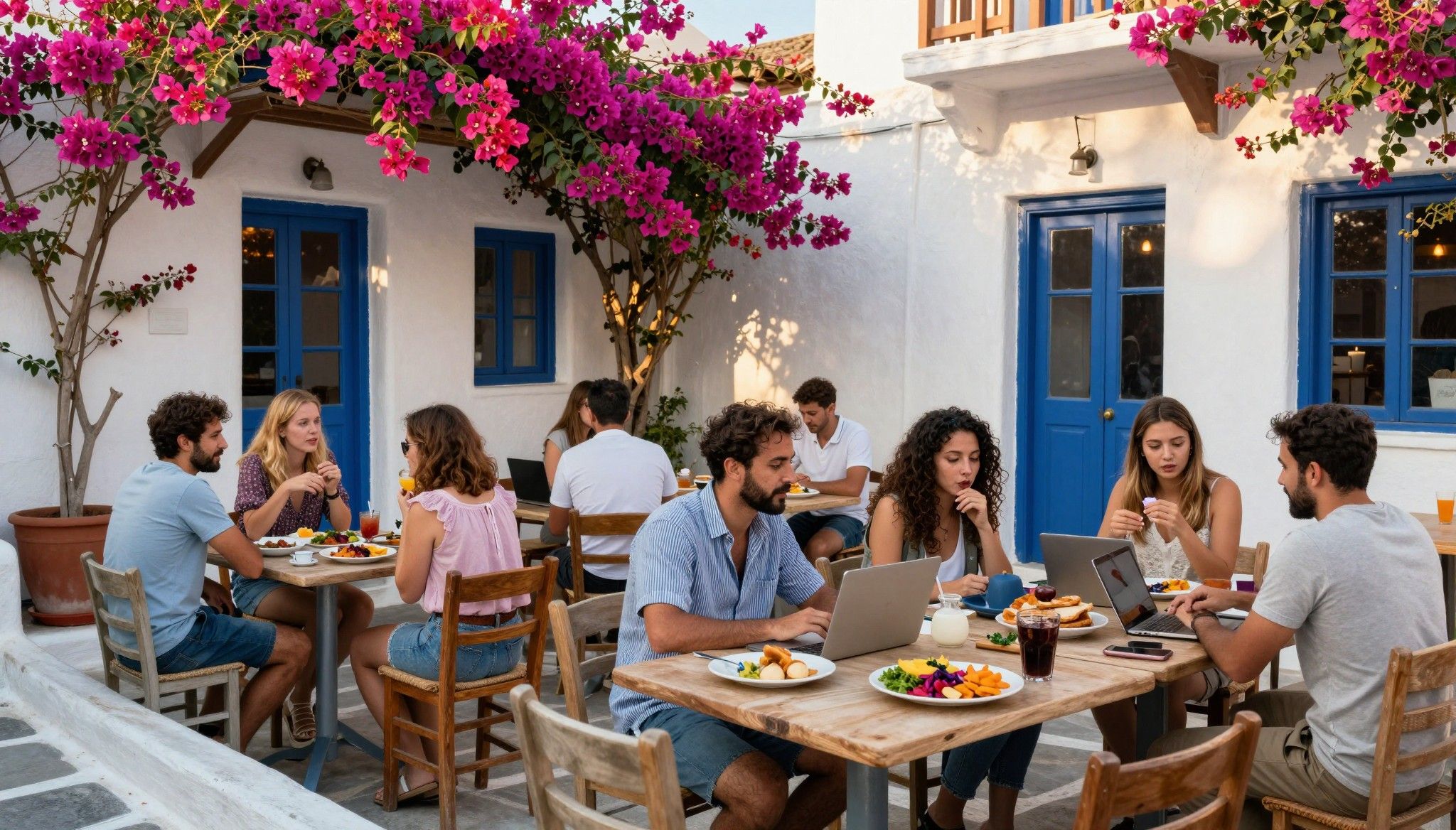
English is an official language in Malta, which flattens the learning curve for most nomads. Still, community life moves through local rituals: church feasts, band marches, late‑night pastry runs, and cafés where the same faces reappear. Join a local cooking class, an island clean‑up, or a coworking meetup to build a circle fast. Small gestures — learning a few Maltese phrases, shopping at the Marsaxlokk market — open doors that listings and location alone cannot.
Long‑term lifestyle considerations
If you plan to stay long term, consider how island life evolves: densification in Sliema, growth of remote‑work infrastructure, and price shifts toward regions offering space and value like Gozo or the South. Reports show price resilience but also regional divergence — so your choice now shapes resale options and rental potential if you later decide to lease. Think like a resident: where can you picture weekly routines five years from now? ([globalpropertyguide.com](https://www.globalpropertyguide.com/Europe/Malta/Price-History?utm_source=openai))
- Expat red flags and local realities to watch for
- Relying on a 'citizenship shortcut' as the primary reason to buy - Falling for photos without checking sunlight and ventilation in limestone homes - Overlooking recurring costs: air‑conditioning, maintenance of old plumbing, and building levies - Choosing a neighbourhood only for nightlife when you need quiet for focused work - Skipping a local lawyer for title and PoSA clarity
Conclusion — fall in love, then check the facts
Malta sells itself in moments: an evening paseggiata, a ferry across the harbour, an espresso on a limestone step. Let those moments guide you, but marry them to data and local expertise. Visit at different tempos, prioritise fibre and outdoor space, and work with agents and lawyers who understand both the island’s rhythm and its documents. Do that, and the lifestyle you fall for can become the place you actually live. Ready to pick a neighbourhood to explore first? Start with an agent who lives the life they’re selling. ([pwc.com](https://www.pwc.com/mt/en/publications/middlemarketbarometer/real-estate-survey-2025.html?utm_source=openai))
Norwegian who has helped 200+ families relocate from Oslo to Spain; expert in relocation services and community integration.