Italy: Love the Neighbourhood, Check the Fibre
Fall in love with Italy’s neighbourhood rhythms — then use ISTAT data and fibre‑coverage checks to match lifestyle with market sense for nomad buyers.
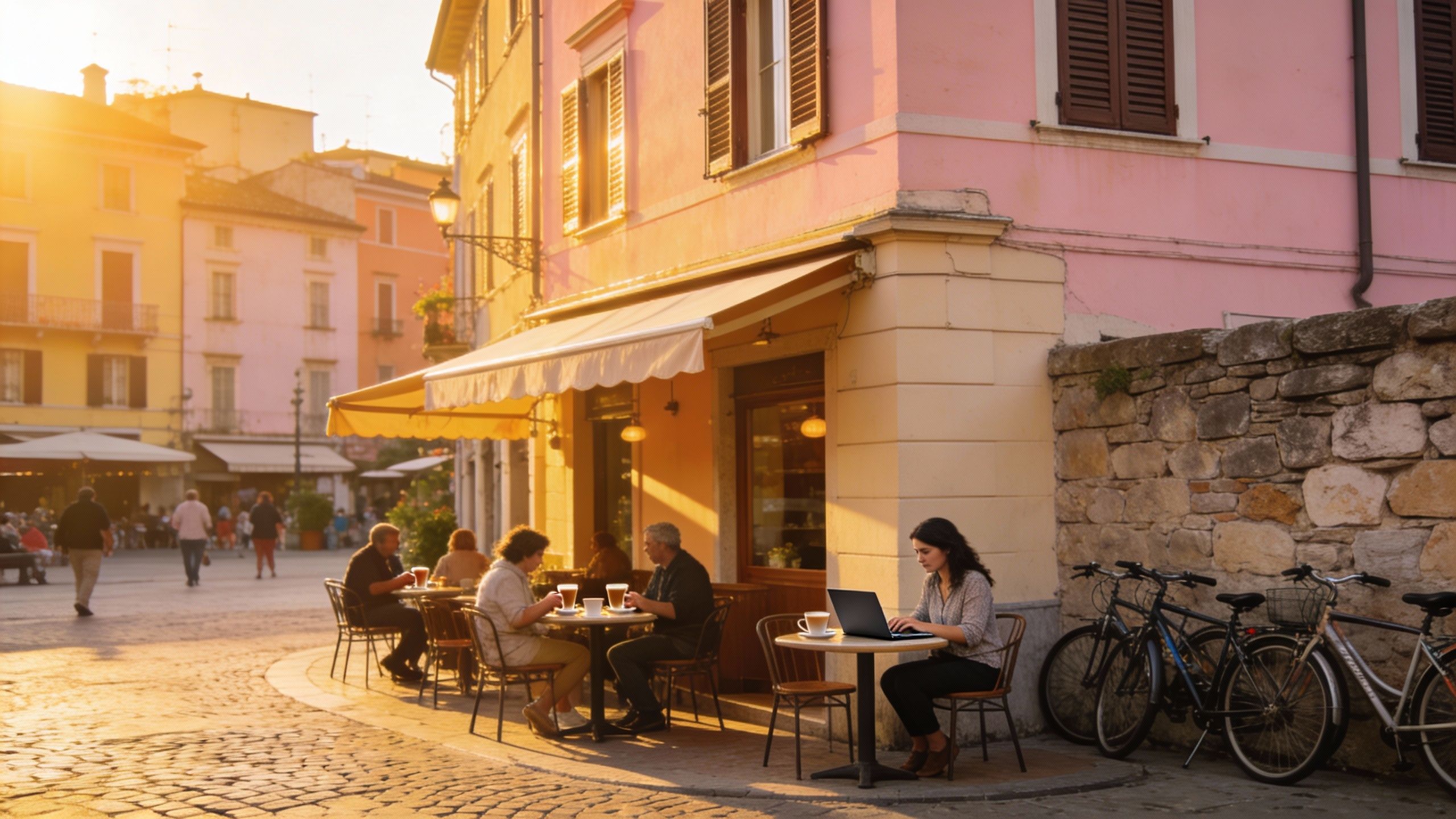
Imagine stepping out at 9 a.m., espresso in hand, down a narrow street of ochre buildings while a grocer arranges crates of oranges — and knowing your home is two blocks away. That daily warmth is Italy: neighbourhoods that feel lived-in, markets that set the rhythm, and small rituals (aperitivo, passeggiata) that turn ordinary days cinematic. But for nomads and remote workers the dream now comes with new realities: rising prices in key cities and faster fibre rollouts that change where you can actually work. This piece pairs the sensory pull of life in Italy with up-to-date data and on-the-ground tips so you fall in love — and make smart moves.
Living the Italy lifestyle
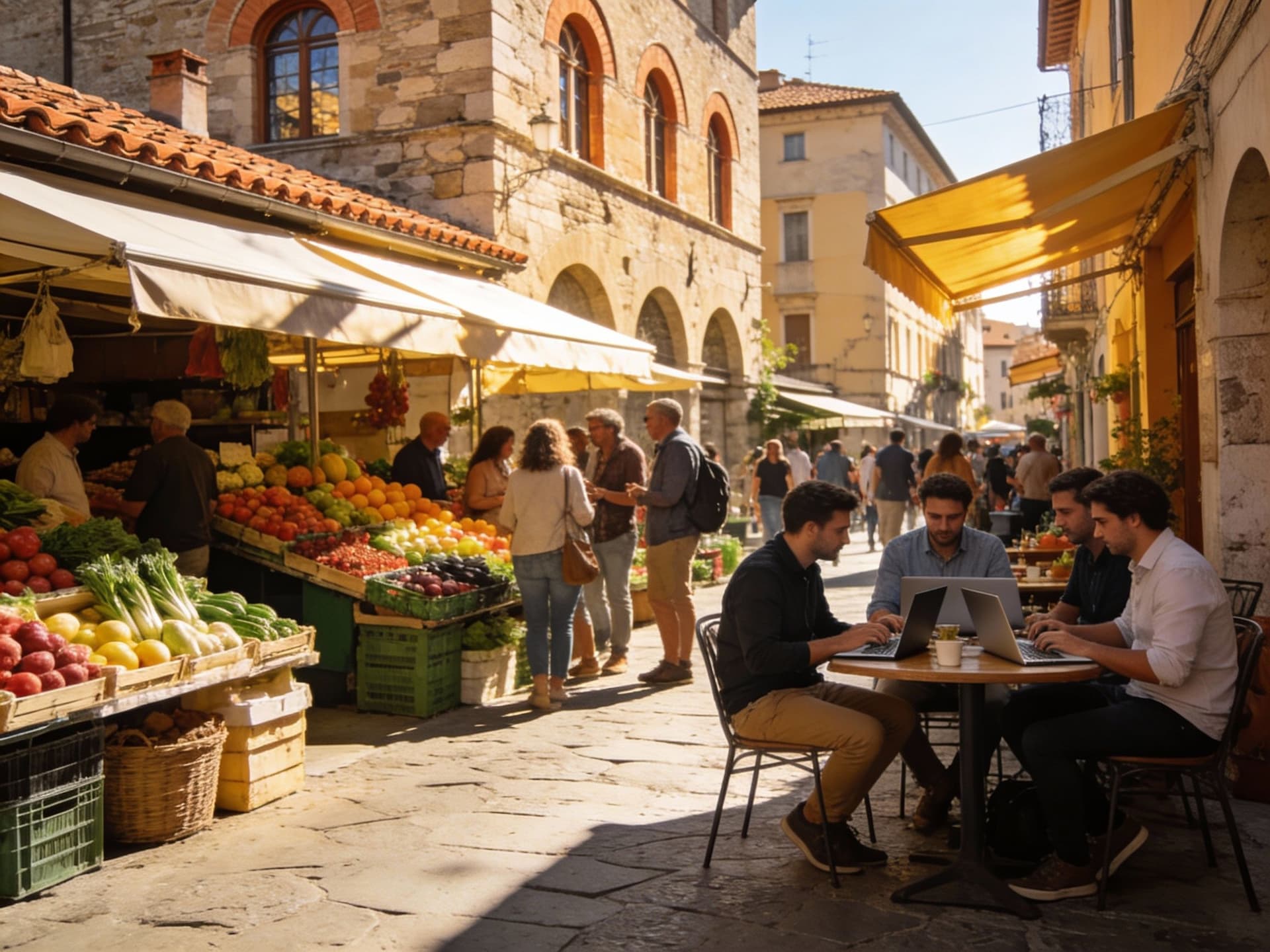
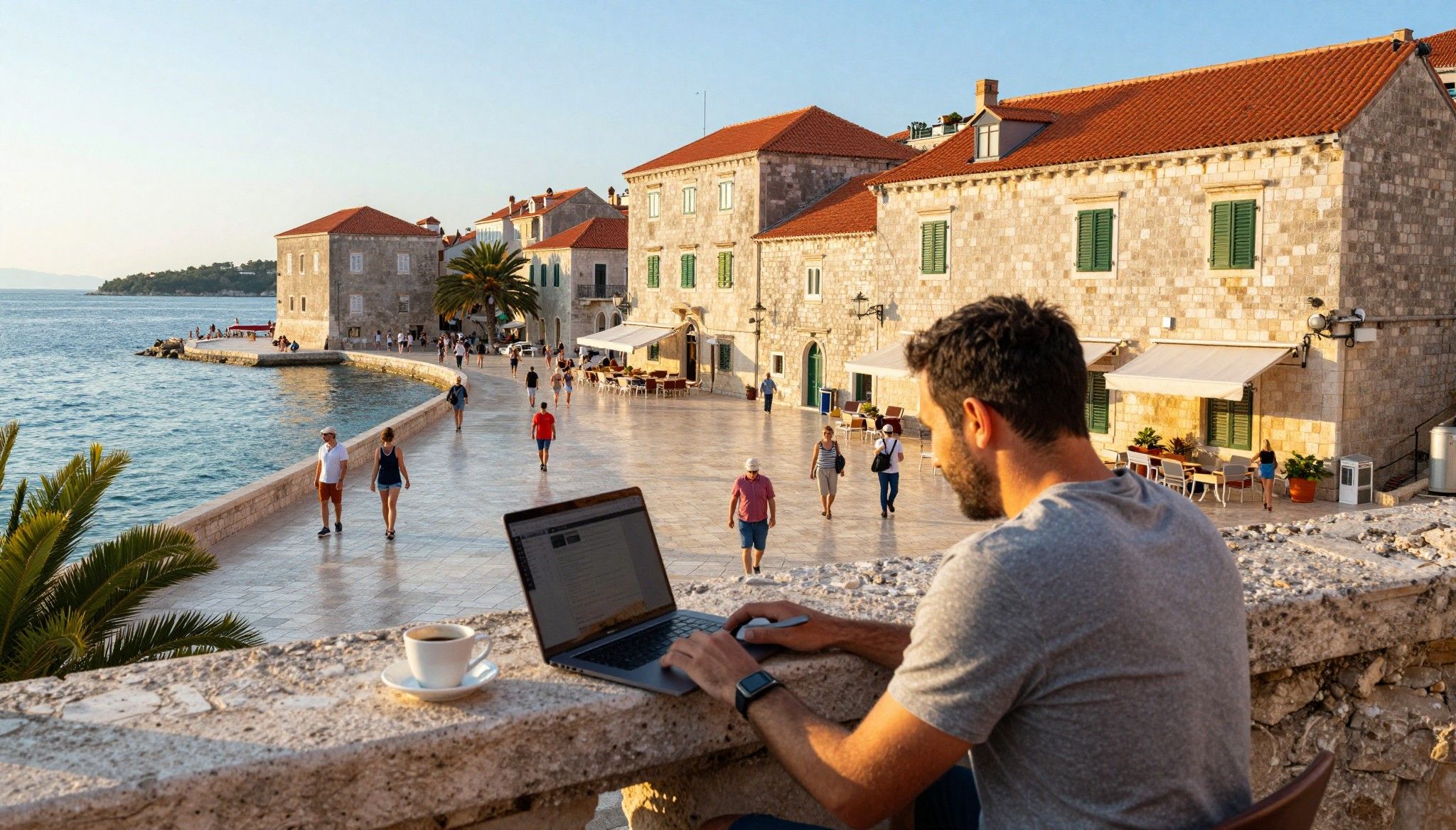
Italy feels like a string of neighbourhood stages: mornings are for markets and cafes, afternoons for a slow work rhythm from a sunlit terrace, evenings for long dinners. From Milan’s efficient streets to Puglia’s whitewashed lanes, the tempo and tastes vary wildly — but every place rewards walking and local rituals. As a nomad you quickly trade sights for routines: the barista who knows your order, the bakery with the 3-euro sfogliatella, the coworking that hosts weekly meetups. This lifestyle-first look will help you match the daily life you want with the property choices that actually deliver it.
City pulse: Milan, Rome, Florence
Milan beats with career opportunity and design energy; neighbourhoods like Navigli and Isola mix canals, cafes and coworking hubs. Rome’s Trastevere and Monti offer ancient corners and lively piazzas, great for immersive weekend life but trickier for parking and long commutes. Florence and Bologna balance student energy, gourmet food scenes and manageable scales: a restored Florentine flat or a portico apartment in Bologna gives big cultural payoff for smaller footprints.
Coastal & countryside: Liguria to Puglia
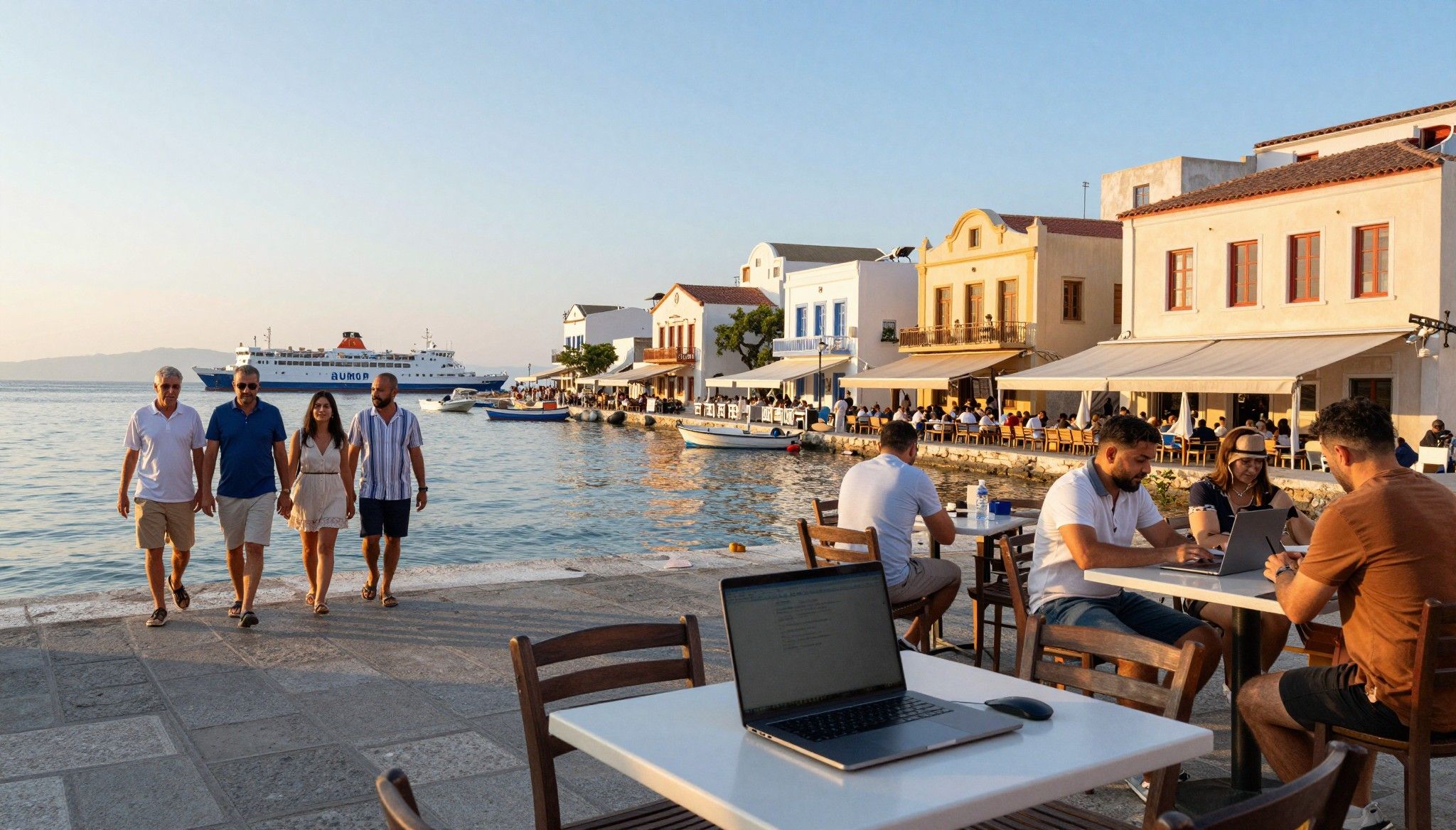
If your idea of Italy is sea air and slow afternoons, look to Liguria’s Cinque Terre villages, the slim beaches of Le Marche, or Puglia’s trulli‑dotted olive groves. These places reward outdoor life and larger terraces — but expect sparser services in winter and seasonal markets. Many nomads split the year: summers by the coast, autumn and spring inland for reliable services and better value. Think about whether you want year-round community or a cyclical lifestyle before committing.
- Market days, café rites, and tiny rituals that define neighbourhood life
- Local favorites: Milan’s Navigli aperitivo scene, Rome’s Testaccio market stalls, Bologna’s Via del Pratello nightlife, Lecce’s baroque streets, Trieste’s literary cafés
- Seasonal experiences: chestnut festivals in October, spring flower markets, and summer coastal festas that pack communities together
Making the move: lifestyle meets market reality
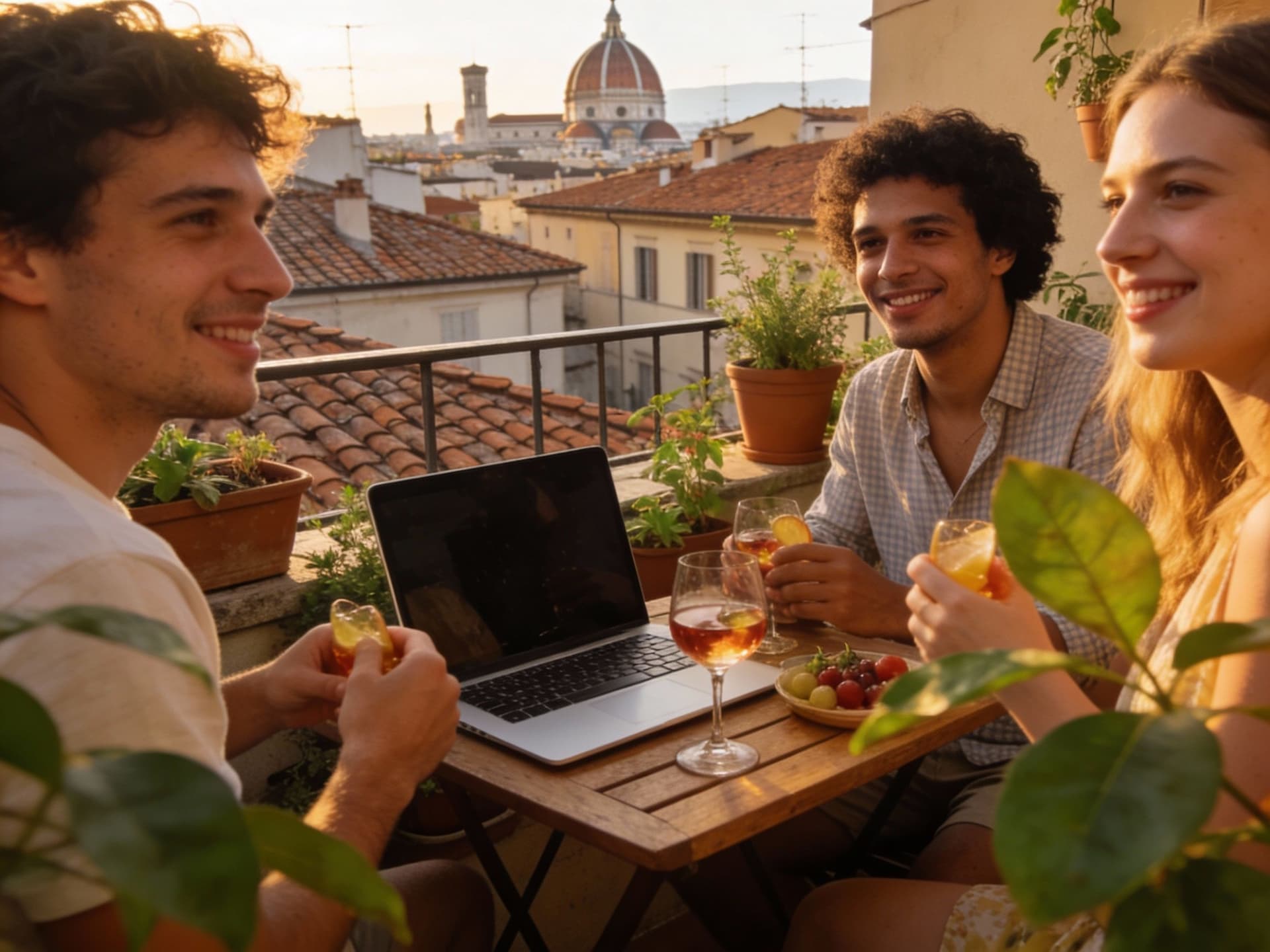
The romance of Italy pairs with measurable shifts: national price indices rose year-on-year in 2025 even as quarters show mixed patterns, reflecting stronger demand for existing homes in livable neighbourhoods. For nomads, that means affordable opportunities persist outside headline city centres, but speed matters in popular pockets. Use data to guide where you look: city-centre flats often appreciate faster; second-tier cities and villages can offer roomier living and better value.
Property styles & what they mean for daily life
Historic centro flats deliver charm — think frescoes, tall windows, and compact kitchens — but often need upgrades for insulation, wiring, and workspace lighting. Modern conversions and new builds provide better thermal performance and integrated fibre, making remote work seamless. Villas and farmhouses give outdoor space and privacy, but add maintenance and seasonal access tradeoffs. Match the home type to how you actually spend Monday‑Friday: a sunny balcony and solid broadband matter more than a view when you’re on a tight work schedule.
Working with local experts who get how you live
Agencies that specialise in nomads and remote workers can pre‑check internet speeds, suggest homes with daylight work nooks, and connect you to local co‑working communities. Italy’s fibre expansion means many towns now support 100 Mbps+ connections, but coverage is uneven — always confirm FTTH or reliable FWA on address level. Local agents also save weeks on bureaucracy and can flag seasonal rental demand if you plan to rent out your property when away.
- Steps to marry lifestyle with market sense
- Decide daily priorities: workspace, walkability, and access to local coffee or coworking
- Check address-level broadband (FTTH vs FTTC vs FWA) and request speed tests from sellers or agents
- Compare city-centre convenience with second-city space: run cost-per‑sqm vs lifestyle utility
Insider knowledge: what expats wish they’d known
Expats often arrive imagining effortless summer beach life and underestimate winter isolation in smaller towns. They also over-value panoramic sea views and under-value practicals like mailbox access, waste‑collection schedules, and local food markets. Smart long-term residents learn small rituals — where to buy a daily loaf, which church square bursts into life on Sundays, who runs the best aperitivo — and these little choices determine whether the place feels like home.
Cultural integration and making local life yours
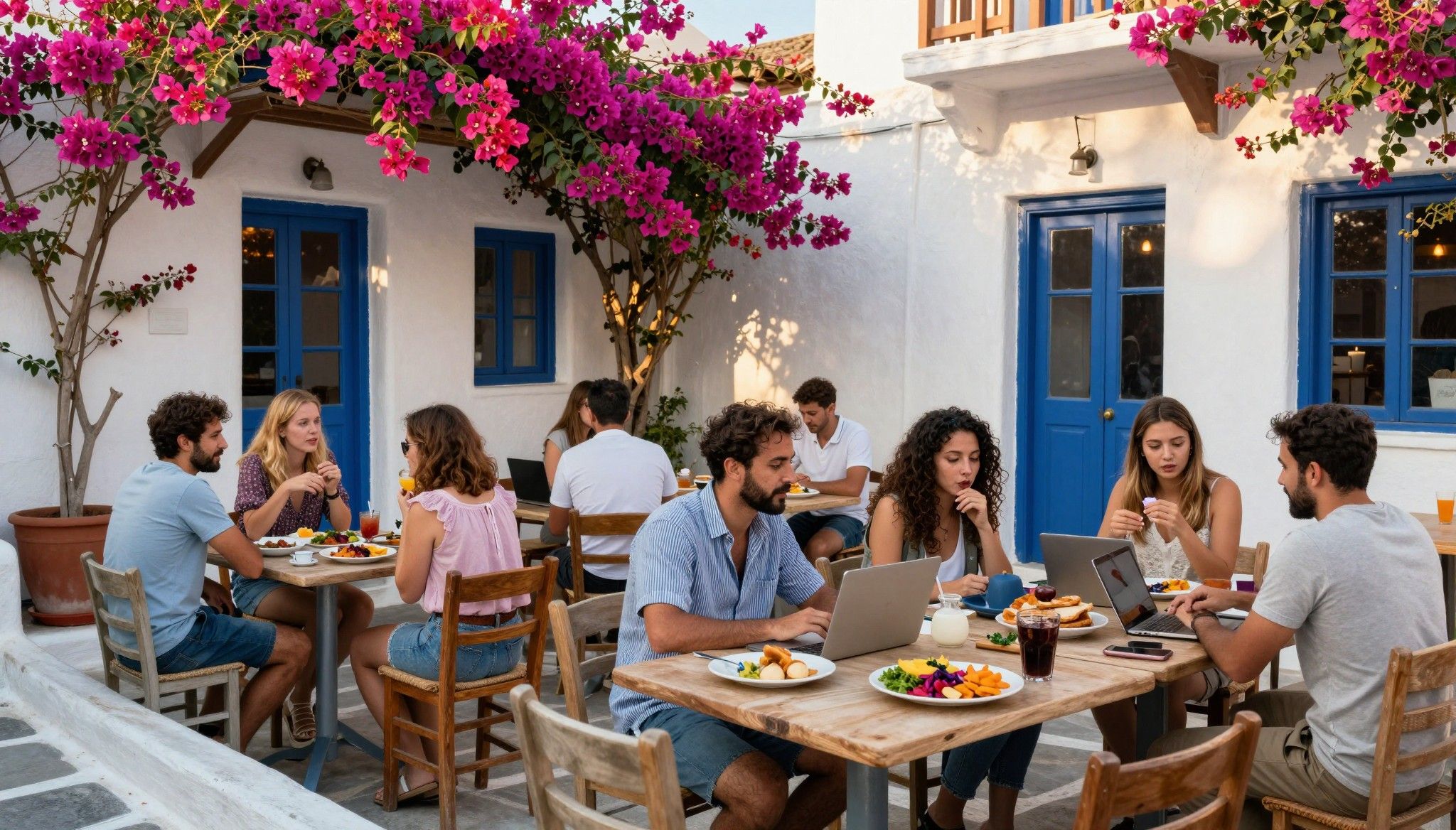
Learn a few phrases, show up to the market, and become a regular at a café — these acts open doors faster than any official paperwork. Volunteer at local festivals or sign up for a cooking class to meet neighbours and forge trusted relationships that matter for everything from renovations to childcare. Italians reward curiosity and respect for local rhythms; cultural investment pays back in easier renovations, better local recommendations, and a warmer life.
Longer-term practical realities
Over time, demand is concentrating value in well‑connected, walkable neighbourhoods while fibre investment raises the baseline for remote work viability. ISTAT’s 2025 indices show continued annual growth in existing dwelling prices — a reminder that buying where locals live often means stronger price resilience. At the same time, national telecom investment (FTTH rollouts) is making previously marginal towns viable for serious remote work — a crucial win for nomads wanting space without sacrificing connectivity.
- Red flags and practical checks before you commit
- No confirmed address-level broadband test or provider commitment
- Unclear ownership/title history or missing building documents for historic properties
- Underpriced coastal properties with seasonal access or high maintenance costs
- How to prioritise view, commute, and workspace in an offer
- Rank must-haves: 1) reliable internet 2) a comfortable indoor workspace 3) walkability to essentials 4) manageable maintenance
- Ask sellers for a recent speed test, building efficiency certificate, and a local utility cost estimate before final negotiations
Conclusion: live the life, then lock the deal
Italy gives you daily beauty and neighbourhood rituals — but marrying that life with a practical property choice requires local knowledge and current data. Start by choosing the day-to-day you crave (market mornings or seaside evenings), check address-level connectivity, and work with an agent who knows both the lifestyle and how to close a deal. Do that and the country’s music — the clink of espresso cups, the hum of piazzas at dusk — becomes the soundtrack to your working life.
Danish investor and relocation advisor focusing on Portugal and the Algarve; loves coworking culture and expat networks.