Malta: Where Mediterranean Life Meets Real Market Sense
Imagine espresso on a Valletta terrace — Malta pairs compact Mediterranean life with steady price growth and new residency rules. Live the vibe; buy with data.

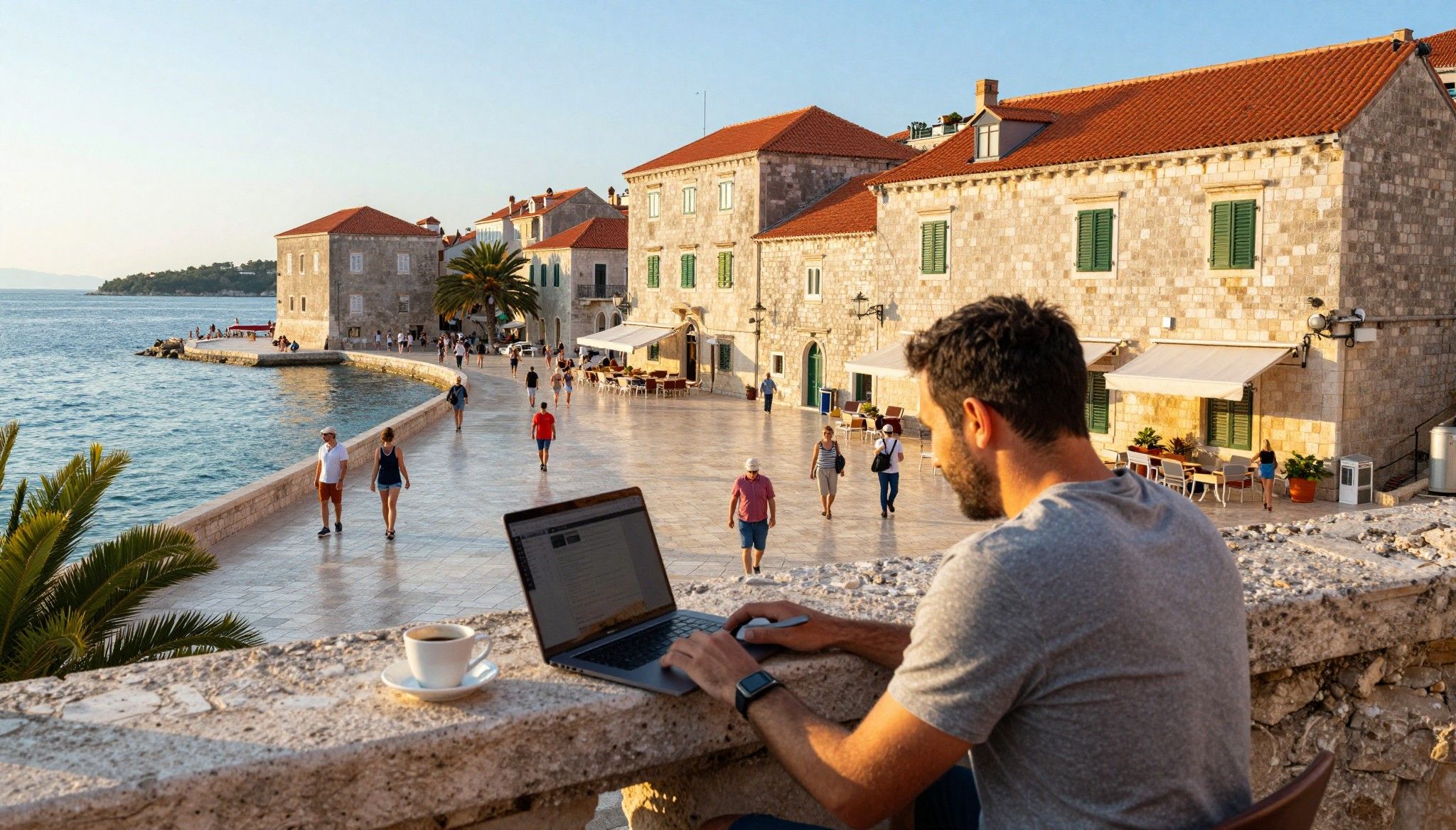
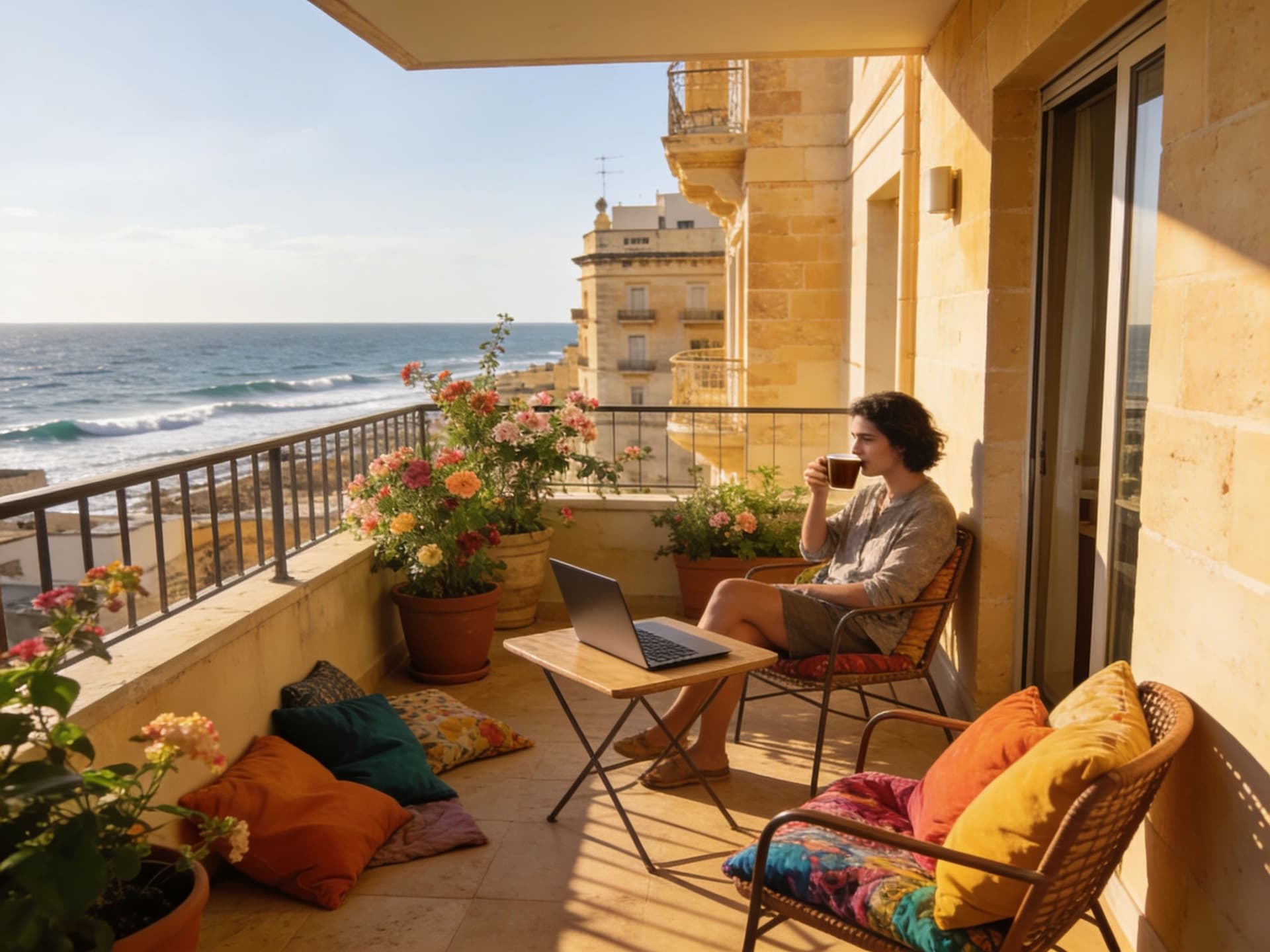
Imagine stepping out onto a limestone terrace in Valletta at 8am: espresso steaming, church bells in the distance, a brisk sea breeze carrying the scent of frying lampuki. That easy, sunlit rhythm is Malta — compact, loud with history, and endlessly livable. But falling in love with the scene and buying a home there are two different conversations. This piece pairs the romance (cafés, coves, community) with the market truth — price trends, residency shifts and the neighbourhoods that actually deliver the lifestyle nomads crave.
Living the Malta lifestyle
Malta feels like a handful of European towns compressed into one island — baroque Valletta with narrow streets and rooftop terraces, buzzy Sliema and St Julian’s for cafes and co‑working, and slow, green Gozo where weekends stretch. Daily life mixes Mediterranean ritual (late lunches, evening passeggiata) with modern conveniences: English is widely spoken, cafés are reliably fast on coffee and chatter, and tiny supermarkets mean you’ll shop several times a week rather than into bulk.
Valletta & The Three Cities: history on every corner
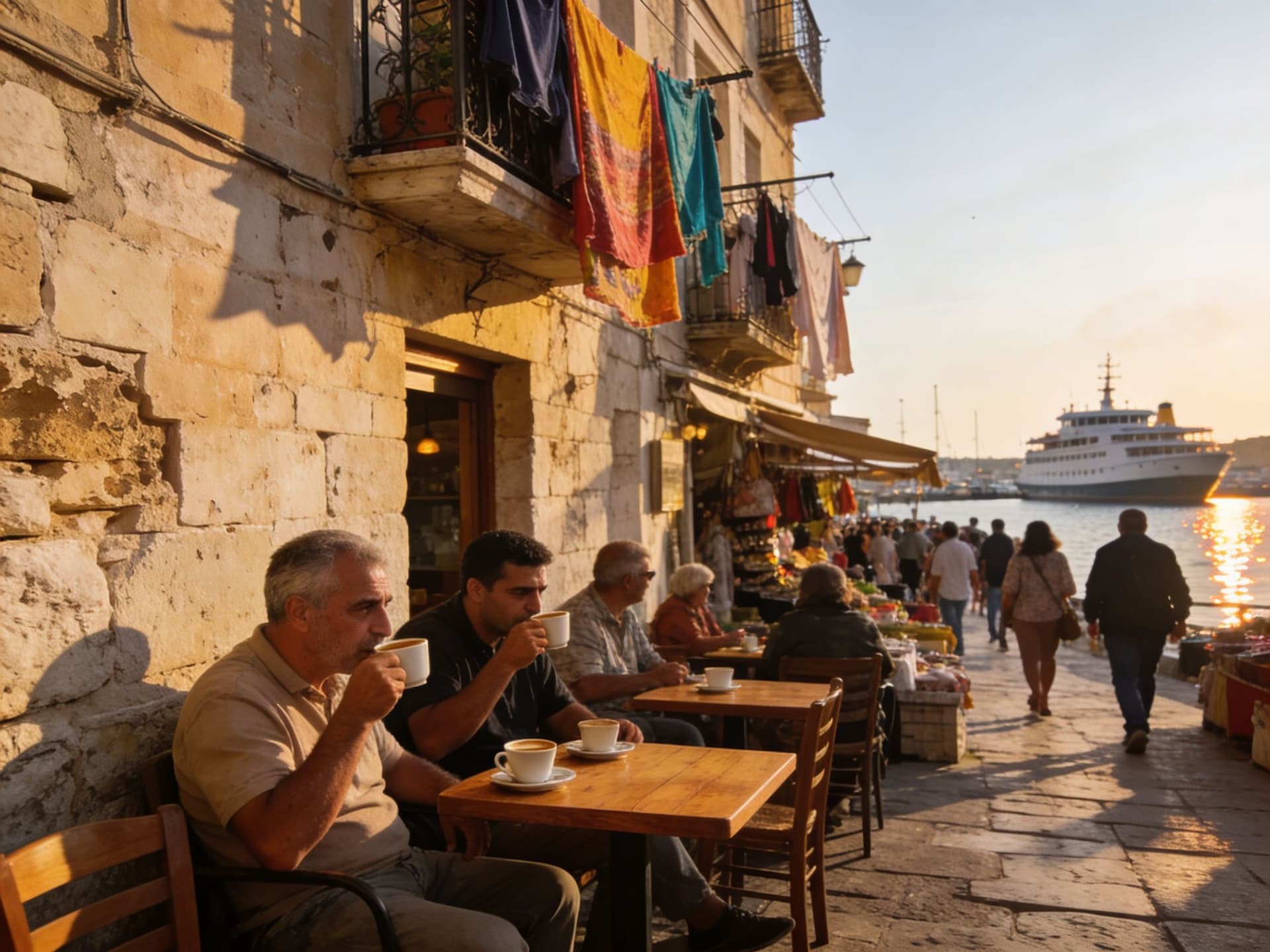
Picture honey‑coloured facades, wrought‑iron balconies dripping with laundry, and tiny wine bars tucked into alleys. Valletta is spectacular for short walks and culture — a UNESCO city where museums, theatres and late‑night local tables define the tempo. For nomads who love walking to galleries, occasional sea swims and a neighbourhood that’s lively year‑round, a small apartment here is worth the premium. For everyday supermarket runs and quiet evenings, consider the connected Three Cities (Birgu, Senglea, Cospicua) across the harbour — quieter and surprisingly community‑centric.
Sliema & St Julian’s: cafes, coworking and the sea
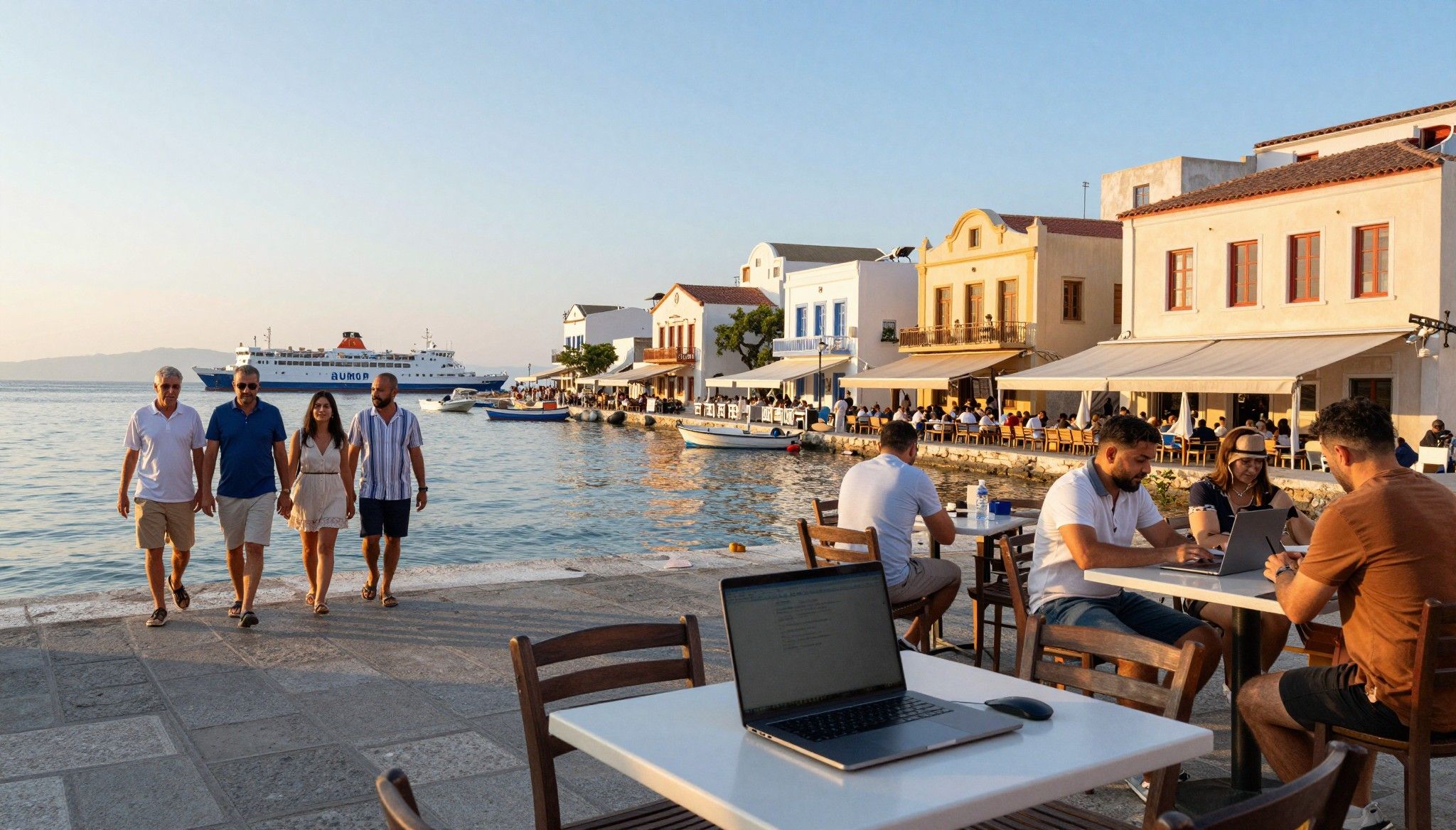
If you want morning espresso with a sea view and afternoons in coworking spaces, Sliema and St Julian’s (Paceville aside) deliver. Think promenades lined with cafes, reliable 4G/5G, plentiful short‑let apartments and a strong expat social scene. Expect noise and tourist spillover in summer, but also excellent services — gyms, international supermarkets, and pick‑up football matches on the promenade.
Lifestyle highlights
- Morning espresso at Caffe Cordina in Valletta; evening cocktails at Barracuda in St Julian’s; weekend ferry to Gozo for Xlendi bay swims; hunting fresh fish at Marsaxlokk market on Sundays; sunset walks along Sliema promenade.
Making the move: practical considerations
Malta’s charm comes with market dynamics that matter. Nationwide price indexes show steady growth over recent years, with apartments and maisonettes behaving differently to traditional townhouses. Residency rules have also shifted: from 2025 the Malta Permanent Residence Programme (MPRP) introduced a temporary one‑year permit to ease relocation — a practical change for buyers who want to move in quickly while their application progresses. Use both market data and residency updates when timing offers.
Property styles and what they mean for your life
Apartments in converted period buildings = character, remote‑work friendly terraces, but often tricky layouts and higher maintenance. New‑build flats = efficient layouts, elevators, and modern fibre, but less soul. Townhouses (houses of character) = charming, rooftops, and cool interiors — but expect renovation surprises, thick walls that can be cold in winter, and planning constraints. Match the property type to how you’ll spend your day: rooftop workbreaks, evening promenades, or quiet home offices.
How local agents and specialists help
- Work with agents who know the island’s micro‑markets and the MPRP timelines. They’ll: 1) flag seasonal pricing (summer listings can skew), 2) arrange structural checks for older limestone buildings, 3) advise on short‑let demand if you plan to rent, 4) coordinate notary and due‑diligence steps tied to residency requirements, and 5) connect you with local electricians/plumbers who actually understand Maltese standards.
Insider knowledge: what expats wish they’d known
Expats regularly tell us: the island’s small size changes everything. A 30‑minute commute can mean a bus, a ferry and a walk. Noise travels. Neighbours matter more. And regulatory news — like the EU ruling on Malta’s past citizenship‑for‑investment scheme — can reshape residency conversations almost overnight. That’s why local advice beats distant checklists: you’ll learn which streets stay lively all year versus those that become ghost towns in winter, and which properties carry hidden maintenance lines.
Making community: language, rituals and social life
English gets you most of the way. Learning Maltese (even a few phrases) opens doors at markets and village festas. Join meetup groups in St Julian’s or co‑working events in Valletta to meet other nomads. Expect strong local food culture — family tables, Sunday fish markets in Marsaxlokk, festa fireworks in summer — and plan your calendar around these shared rhythms to feel at home faster.
Long‑term life: growth pockets and where value is shifting
- Gozo, the South and northwest areas are emerging as value alternatives to the pricier North Harbour region; median apartment asks have climbed, pushing first‑time buyers to the periphery; rental demand still concentrates in Sliema/St Julian’s for short lets and Valletta for professionals.
If Malta calls you, plan for the romance and the reality. Start with lifestyle scouting — spend a week living like a local in Valletta, Sliema and Gozo. Pair those impressions with data: check the RPPI and recent MPRP changes, and hire an agent focused on nomad needs (internet stability, walkability, workspace). Expect to pay a premium for central locations, trade space for convenience sometimes, and—critically—think about maintenance and seasonal life before you sign.
- Ready next steps: 1) Shortlist two neighbourhoods after a 7‑day scout trip, 2) request recent sales comparables from your agent and a Central Bank RPPI snapshot, 3) confirm residency pathway timing with an immigration specialist if MPRP matters, 4) schedule a structural inspection for any pre‑1970s property, and 5) ask your agent for a local utilities and fibre map so your home office is actually usable on day one.
Malta gives you Mediterranean sun, walkable days and compact community life — and the market gives you choices, tradeoffs and a few surprises. Treat your move like designing a life, not just buying an asset: pick a street you can imagine morning coffee on, then use agents and data to make that picture legally and financially solid.
Danish investor and relocation advisor focusing on Portugal and the Algarve; loves coworking culture and expat networks.