Fall for France — Budget the Life, Not Just the Price
Fall in love with France’s markets and terraces — then budget smart: expect 7–8% acquisition costs on older homes, plan renovation buffers and use local notaires for exact figures.
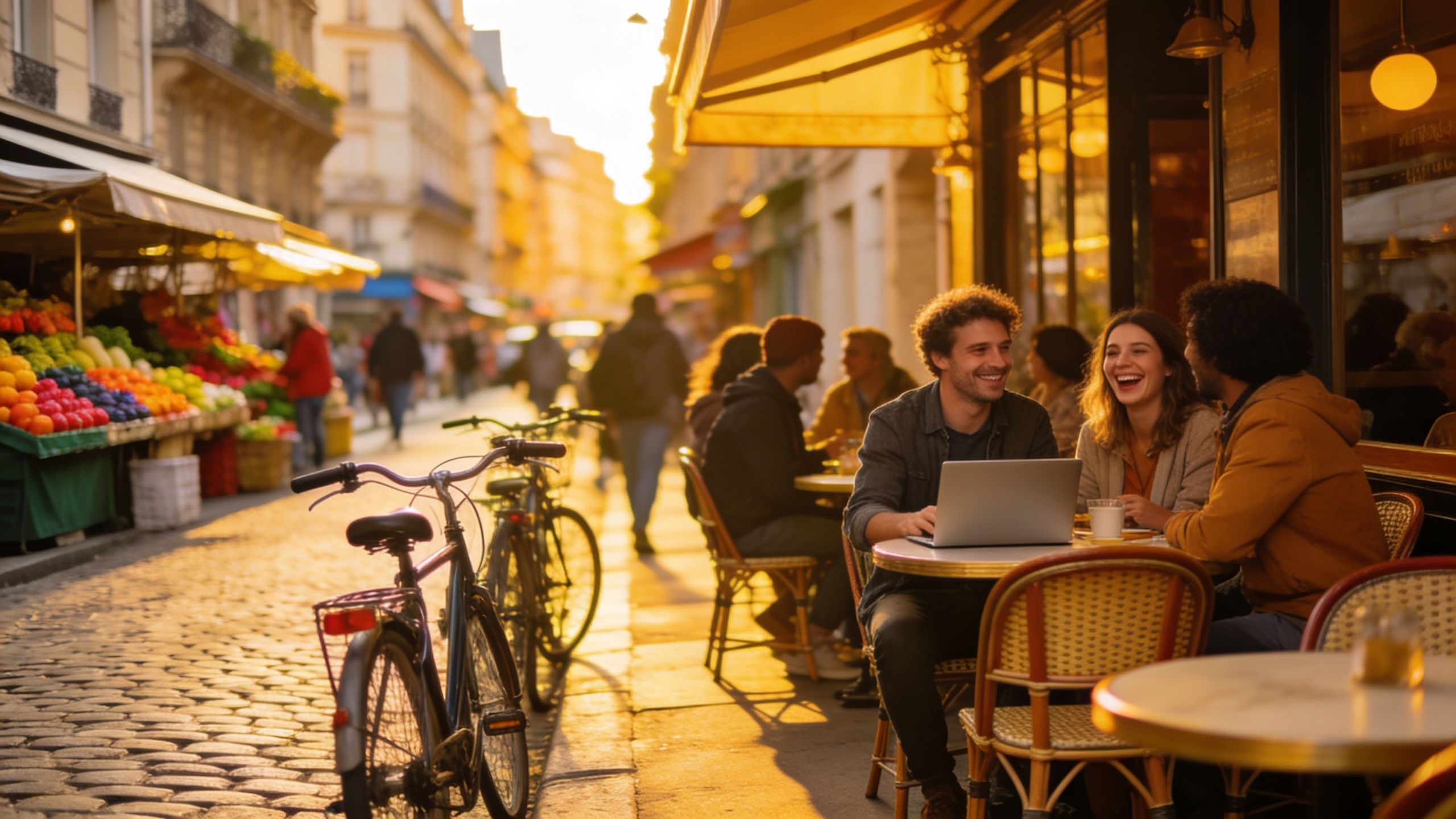
Imagine waking up in a sunlit flat on Rue Cler with a boulangerie smell drifting in, or closing your laptop on a terrace in Bordeaux after a coworking day. France is texture — stone facades, open markets and slow, delicious lunches — and behind the romance are concrete budget choices that make or break your move.
Living the France lifestyle (and what that costs)
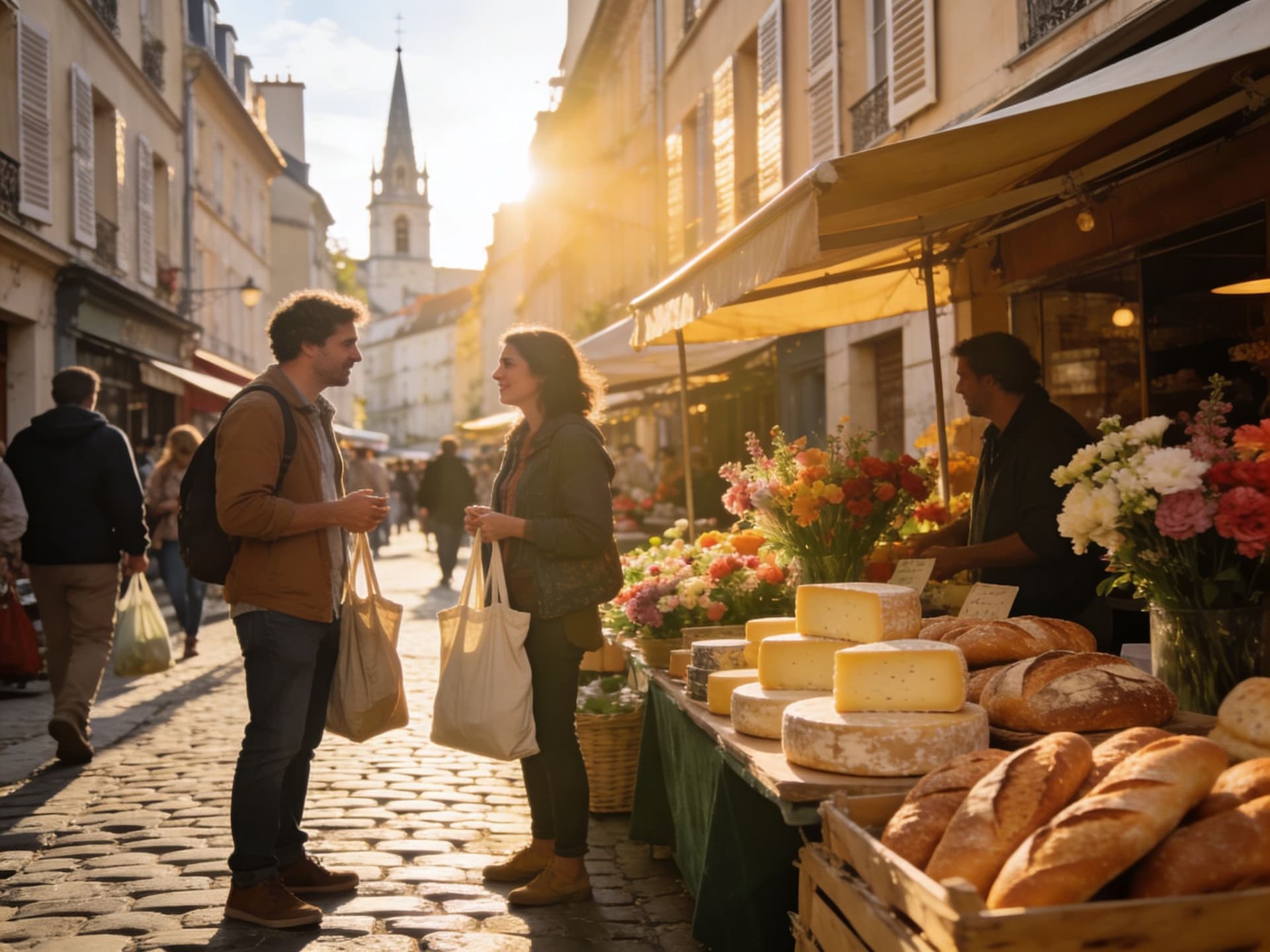
France moves at a human pace: morning markets, long café hours, and evenings that stretch on with friends. That rhythm affects where you want to live — lively arrondissements in Paris, relaxed villages in Dordogne, or sun-soaked terraces on the Côte d'Azur — and it affects budget lines like monthly utilities, municipal taxes and the notaire fees you’ll pay at closing. Official guidance shows buying older properties typically adds 7–8% in acquisition costs, while new builds tend to be nearer 2–3% due to VAT treatment. (See local notaire guidance.)
Neighbourhood flavor: Paris, Lyon, Bordeaux, Provence
Walkable streets shape daily life. In Paris, Saint‑Germain and Le Marais deliver cafe culture and tiny shops; in Lyon, Croix‑Rousse offers hillside markets and a strong local food scene; Bordeaux’s Chartrons hums with wine bars and weekend markets; Provence villages like L’Isle‑sur‑la‑Sorgue promise Sundays at the antique market. Each choice shifts your budget: central Paris brings higher purchase prices and running costs, provincial towns trade price for space and community.
Food, markets and seasonal life
Picture weekday shoppers with reusable bags, Saturday marché strolls and harvest festivals that reshape pricing and availability. These lifestyle details affect running costs: local produce reduces food bills if you cook, but popular tourist seasons can push short‑term rental yields (if you plan to rent) and change your expectations for neighbourhood crowding during summer.
Making the move: practical budgeting steps

Dreams meet spreadsheets here. Recent departmental changes allow DMTO (transfer tax) to rise to 5% in many departments — meaning notaire-related charges can edge higher in areas where councils adopt the increase. To avoid surprises, budget conservatively: add 7–8% for older homes (or 2–3% for new builds), an extra buffer for disbursements, and a contingency for renovation or decoration.
Property styles and how they shape costs
Stone apartments (haussmannien) charm but often need heating upgrades and insulation work; farmhouses or maisons de village offer space but may carry septic, roof or structural bills; new developments bring warranties and lower transfer taxes but often charge higher sticker prices. Match the property type to how you want to live — terrace breakfasts? low‑maintenance apartment? — and then cost the upgrades honestly.
Working with local experts who get the lifestyle
A local agent can point you to neighbourhood cafés, the best markets and the realistic monthly bills — and a notaire (legal conveyancer) will show you the exact registration and tax figures for the département where you’re buying. Use them to test scenarios: ‘If I buy here and rent for 6 weeks a year, what are my likely management and tax costs?’ — then build those into your budget.
Step-by-step budgeting checklist
1) Confirm purchase price and whether agency fees are included; 2) Ask the notaire for a detailed ‘estimation des frais’ (transfer tax, CSI, emoluments); 3) Add renovation, furniture and connection costs (internet, heating); 4) Include 3–6 months of living expenses as a cash buffer; 5) Check mortgage availability and FX strategy if funding from abroad.
Insider knowledge: what expats wish they’d known
Real‑talk: small everyday costs and customs matter more than a slightly lower purchase price. The speed of broadband, garbage collection days, parking rules and Sunday market access shape day‑to‑day happiness. Many expats underestimate utility setup (chauffage, eau chaude) and the seasonal realities of small towns where shops close mid‑afternoon.
Language, community and the slow‑build of belonging
You’ll integrate faster if you learn a few local rituals: greet your boulanger, know market hours, and show up at neighborhood fêtes. These small social investments cost little but pay back in practical help (finding a good plumber, swapping furniture, getting invited to dinner). Factor social life into your budget as time and small purchases that accelerate connection.
Longer-term costs: tax, rentals and resale
Consider how rental demand, local zoning and seasonal tourism affect yield and resale. National trends show activity recovering after a slowdown, but price dynamics remain local — Paris and western coastal hotspots behave differently than inland towns. If you plan to rent, check local rules for short‑term lets and include management fees and vacancy risk in your numbers.
Quick red flags to budget for
Uninsulated old heating systems; septic tank replacement; co‑ownership (copropriété) special works; unclear boundaries or heritage restrictions; internet below 50 Mbps if you need reliable remote work.
Conclusion: France is a lifestyle you buy into as much as a property. Start with the life you want — weekday cafés, weekend markets, a community you can join — and then run the numbers with a local notaire and an agent who knows the neighborhoods. Bookmark a conservative budget (purchase price + 7–8% for used homes, + contingency) and test scenarios for renovation, rental and living costs. Then book that ticket: once you taste morning marché life, the spreadsheet starts to look a lot like home.
British expat who moved from Manchester to Mallorca in 2017. Specializes in market analysis and helping fellow Brit navigate local regulations.