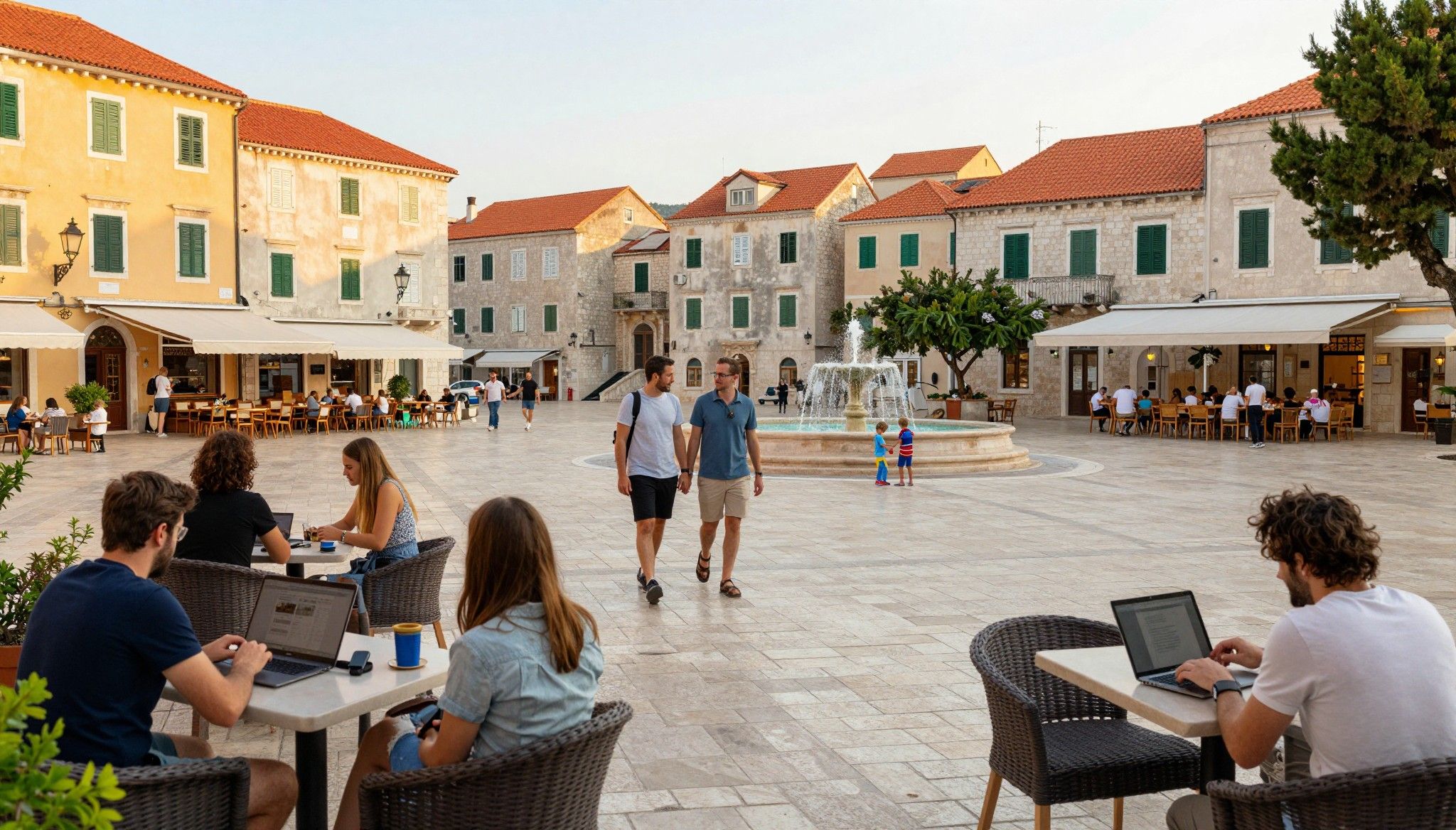
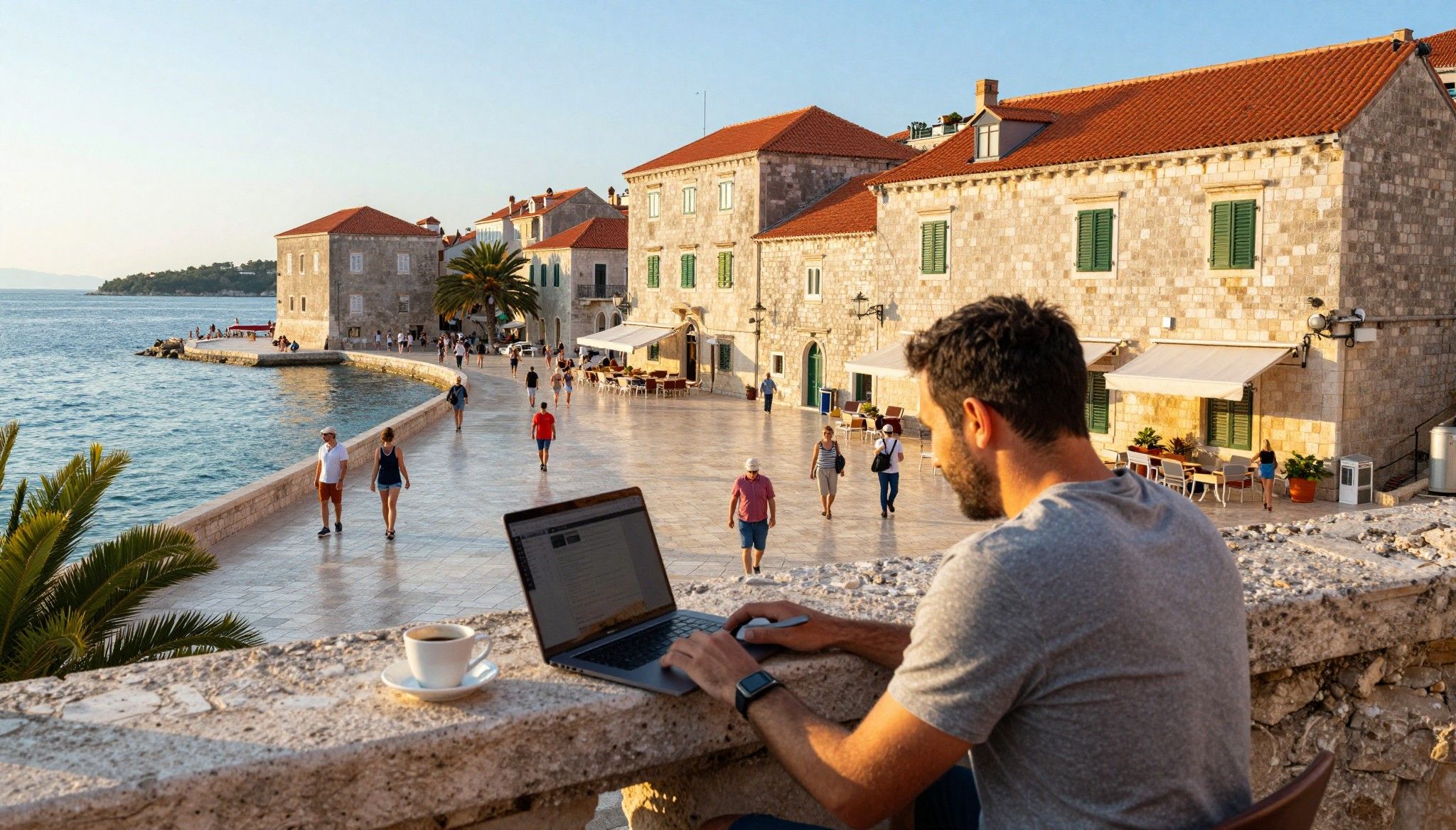
Malta Neighbourhood Rhythm: Lifestyle, Prices & Nomad Routes
Malta offers compact Mediterranean life, rising property prices and a digital‑nomad permit — match neighbourhood rhythms to your work, test fibre, and hire local experts.

Imagine starting your workday with an espresso at Café Cordina, then walking five minutes to a sunny terrace office overlooking the Grand Harbour. Malta is compact — everything feels close, social and lived-in — and that’s why buying here is less about square metres and more about atmosphere. Recent market analysis shows steady price growth, so lifestyle decisions have financial consequences. Read on for the side of Malta travel guides forget: the streets, the rituals and the visa routes that actually let you stay.
Living the Malta life: why the island’s rhythm sticks
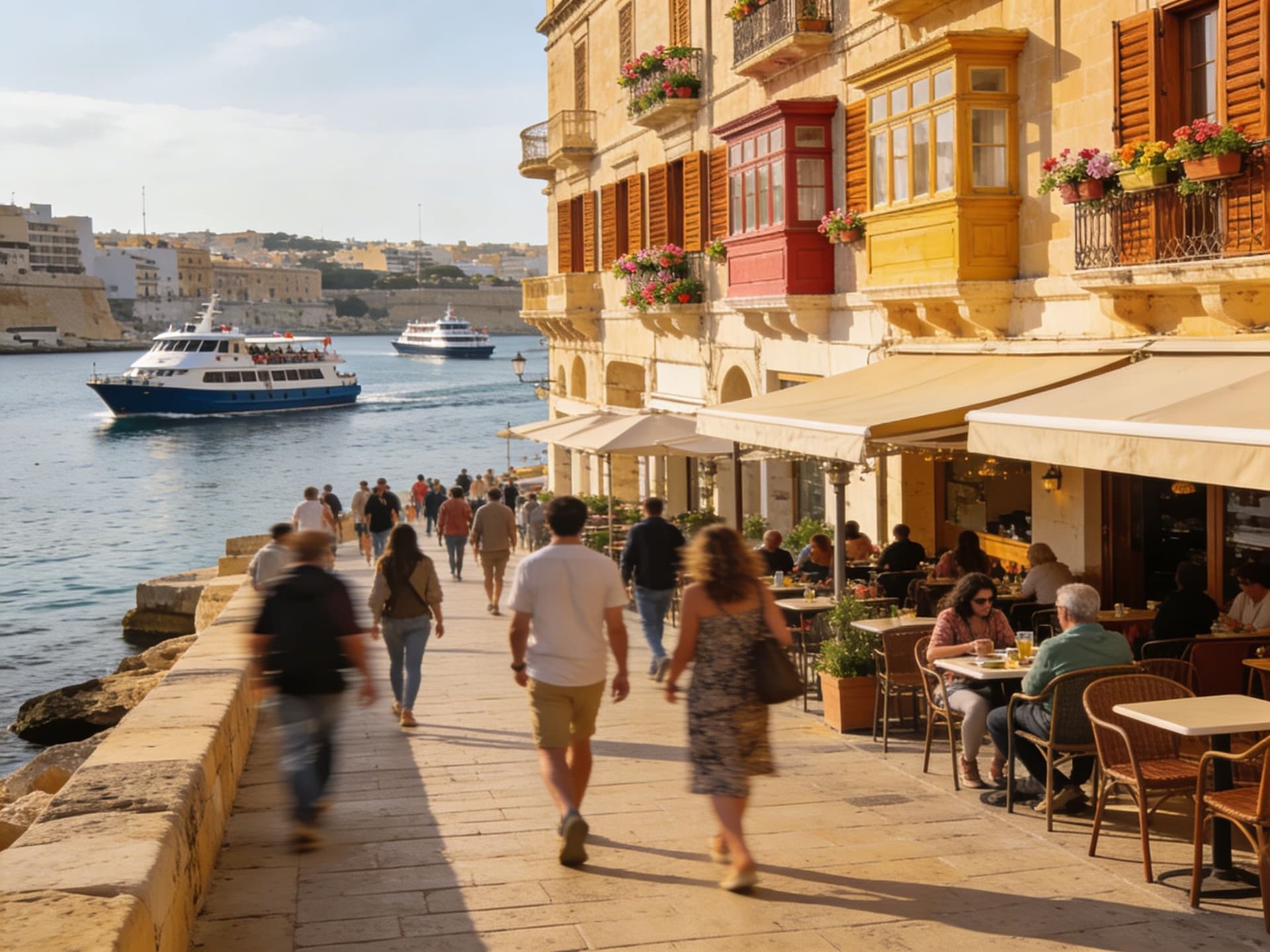
Malta moves at Mediterranean speed: mornings hum with bakery ovens and small shops opening, afternoons drift into siesta-laced quiet in summer, and evenings fizz around piazzas and rooftop bars. English is an official language, which flattens many practical barriers for nomads and remote professionals. The island’s compactness means you can wake in Sliema, lunch in Valletta, and end the day on a Dingli cliff — all in a single mood-filled sunset. That closeness shapes how properties are used: terraces, communal courtyards and compact, light-filled flats rule daily life.
Valletta, Sliema and Marsaxlokk: three very different afternoons
Valletta is cinematic: narrow streets, baroque facades and tiny cafés where neighbours gossip over peppery coffee. Sliema and St. Julian’s are the heartbeat for coworking and expat social life — think waterfront promenades, compact gyms and coworking spaces like SmartCity hubs. Marsaxlokk offers slow coastal routines: fisherfolk markets, pastel boats and mornings that feel like a village holiday. Each area delivers a distinct daily tempo; choosing your neighbourhood is choosing how you want to spend ordinary days.
Food, festivals and the sea: micro‑rituals that define home
Weekends smell like fresh ftira and fish; street festas explode in July and August with bands, lights and neighbours gathering late into the night. Coworking meetups spill into tapas nights; kids cycle to the local sport clubs while retirees take long harbour walks. These rituals make Malta feel like a close‑knit community rather than an anonymous city — and that community is the real asset you buy into when choosing a property here.
- Lifestyle highlights to look for (actual places): • Morning coffee at Café Cordina (Valletta) and a walk through Republic Street • Sunset drinks on the Sliema promenade and quick ferry hops to Valletta • Sunday fish market at Marsaxlokk for local produce and sea views • Coworking at Cloud (Ta’ Xbiex) or Regus in SmartCity for reliable fibre and community • Weeknight paseos around Upper Barrakka Gardens for views and neighbours
Making the move: practical realities that preserve the lifestyle
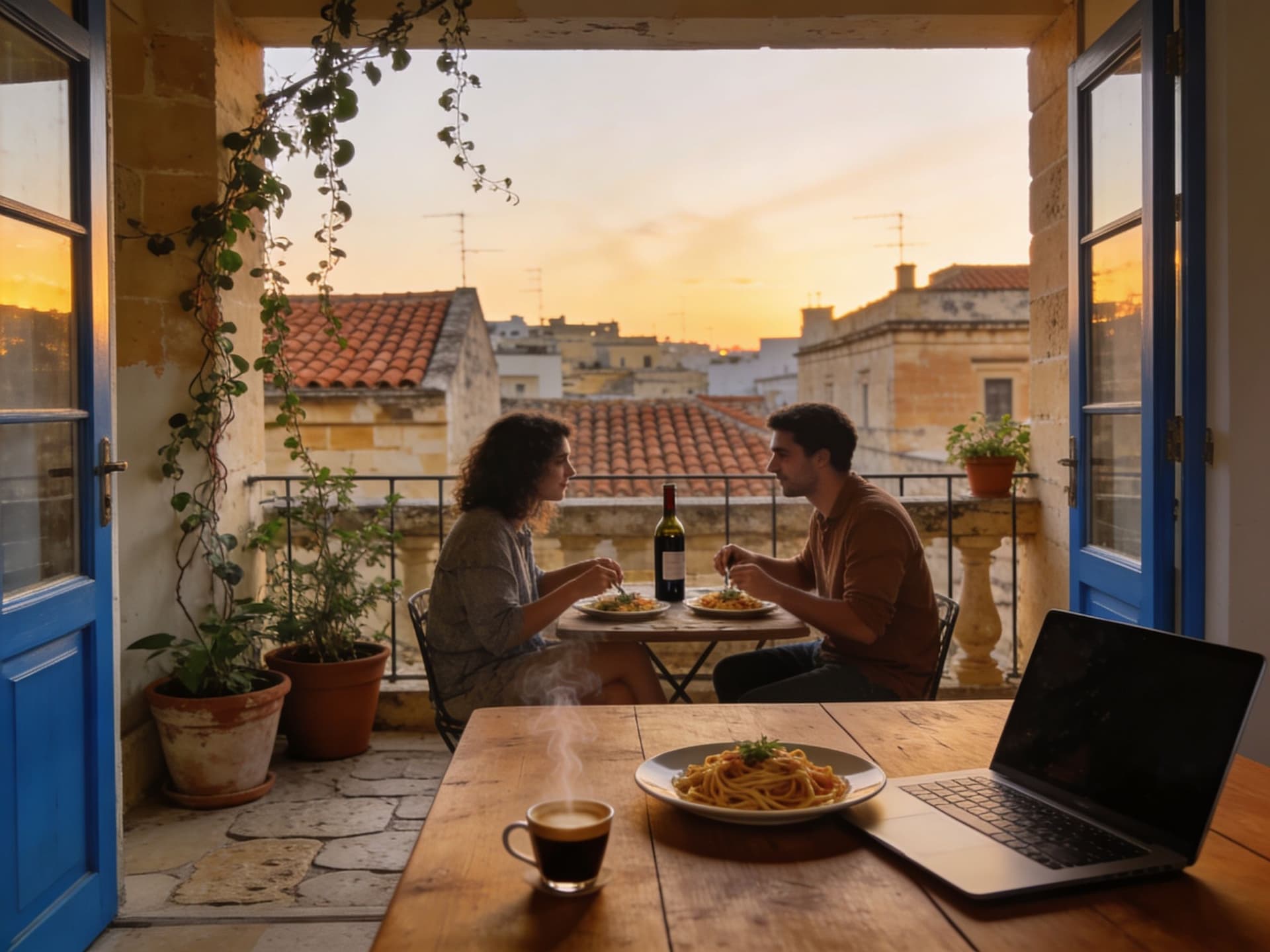
Dreams hit reality at the title office and the broadband connection. Malta’s market has been growing — the National Statistics Office reports a consistent rise in the Residential Property Price Index — so timing and neighbourhood selection matter. But there are smart tradeoffs: a smaller flat in Valletta buys you daily theatre and coffee culture; a maisonette in Mellieħa gives you beach mornings and larger outdoor space. Understand how each property type maps to daily life before making offers.
Property styles: what to choose depending on how you live
Traditional town flats: high ceilings, shutters, and small terraces suit people who want walkable streets and heritage charm. Maisonettes and terraced houses give you a private entrance and outdoor space — perfect if you crave a little garden or terrace for evenings. New builds in the waterfront strips often include parking and lifts but can feel more anonymous. Match property features to your daily rituals: where you’ll work, how often you’ll host, and whether you need a fast, private home office.
Working with local experts who get nomad life
- 1. Ask agents for neighbourhood stories, not just floorplans — they should know cafés, fibre speed and the nearest courier drop-off. 2. Get a lawyer familiar with Maltese conveyancing; Malta’s compact lot patterns mean boundaries and servitudes matter. 3. Confirm broadband/fibre availability before you fall for a terrace view; ask providers for exact speeds. 4. If you need residency, consult a firm that handles the Nomad Residence Permit and can check eligibility and the required rental/purchase proof.
Insider knowledge: what expats wish they’d known
You’ll hear two myths: “Malta is tiny and cheap” and “English makes everything easy.” Both miss the nuance. Malta’s size makes neighbourhood choice consequential — a 20‑minute commute can shift you between very different vibes — and prices have been rising year after year. At the same time, English familiarity smooths many moves, but social integration still rewards local effort: learn a few Maltese phrases, show up to the festas, and you’ll be welcomed.
Cultural integration and daily community hacks
Join a local club: football, rowing or a language exchange are fast routes into communities. Shop weekly at local markets to meet neighbours and discover small producers. Respect festa schedules — weekends can be loud but neighbourhoods bond around them. These simple daily moves make Malta feel like home faster than any renovation.
Longer-term life: how choices age with you
Think five years ahead: will you want more outdoor space, schools, or quieter streets? Properties in established villages like Gozo’s Xlendi keep value for lifestyle buyers seeking peace, while Sliema remains a hub for renters and short-term income. If you plan to rent, look for easy access to transport and coworking; if you plan to stay, prioritise community and local services. The right match keeps lifestyle gains and financial sense aligned.
- Red flags and quick checks before you sign: • No written confirmation of fibre availability — test it in person. • Unclear servitude/boundary notes on older properties — get a survey. • Properties with recurring noisy festas next door — visit at night. • Agents who can’t provide local references or recent sales in the area.
Malta’s compact charm is the product you buy. It’s a place where espresso-run weekdays, ferry commutes and festa nights become your rhythms. The National Statistics Office shows property prices rising steadily, so pair your lifestyle wish list with smart due diligence. Start by shortlisting neighbourhoods, test-work from cafés and coworking spaces, and contact an agent who knows the streets — not just the listings. When you love the ordinary days, buying here becomes less a transaction and more a doorway to a life.
- 1. Visit for two weeks during your target season and live like a local. 2. Test internet speeds at potential homes and coworking spaces. 3. Ask your agent for three recent, comparable sales and introduce your lawyer early. 4. If you need legal residency, prepare Nomad Residence Permit documents: proof of income, health insurance and rental/purchase agreement.
Ready to fall in love with an ordinary Maltese morning? Book a week in Valletta or Sliema, join a coworking day, walk the promenades at dusk and listen: the island will tell you where you belong. When you’re ready to take the next step, work with an agency that treats lifestyle as the primary search filter — because here, life and home are the same story.
British expat who moved from Manchester to Mallorca in 2017. Specializes in market analysis and helping fellow Brit navigate local regulations.