Croatia's Coast Isn't Only for the Rich
Croatia’s postcard scenes mask varied price pockets and financing realities — pick the lifestyle first, then match banking, currency and legal moves to make the Adriatic life affordable.
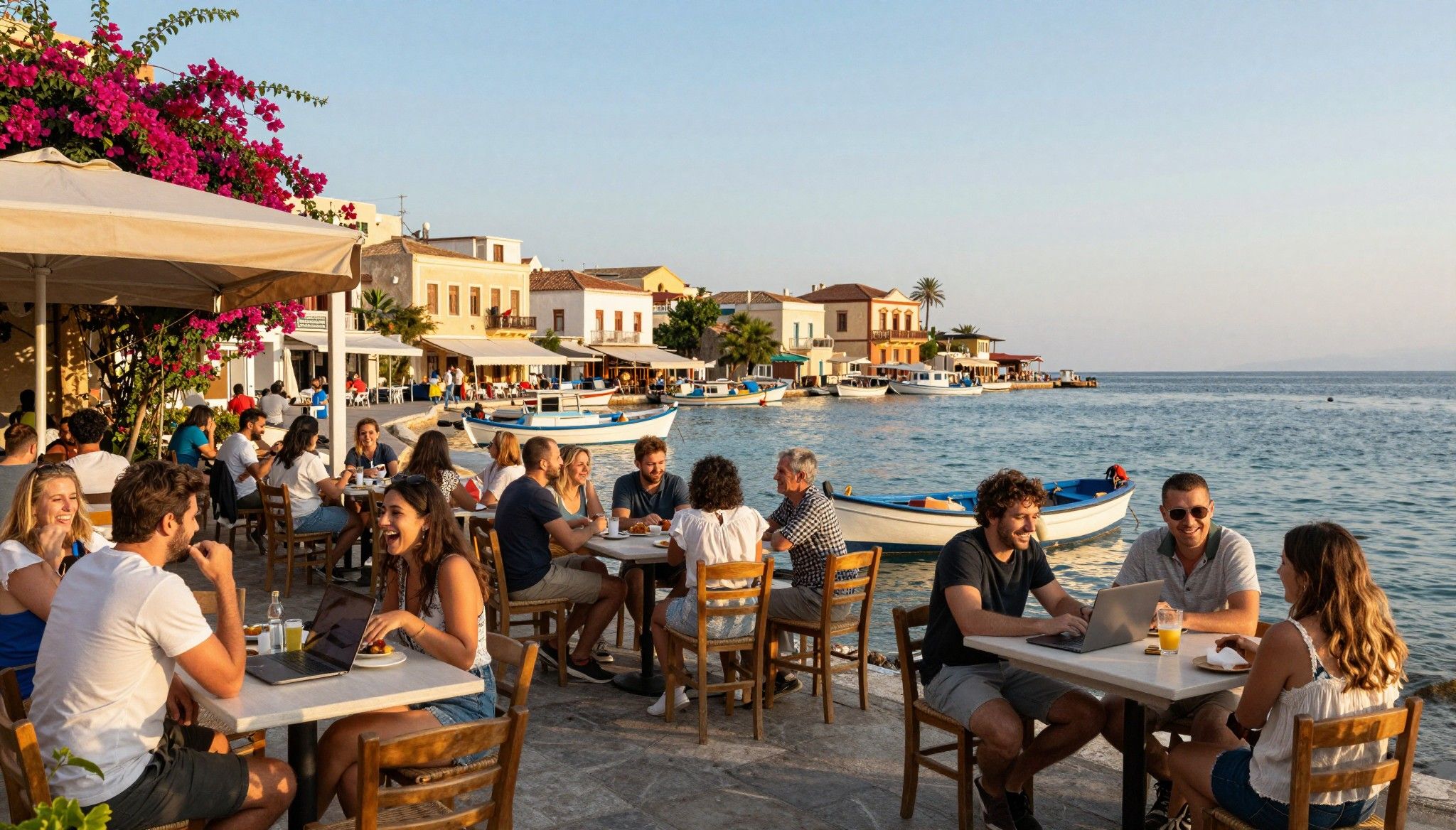
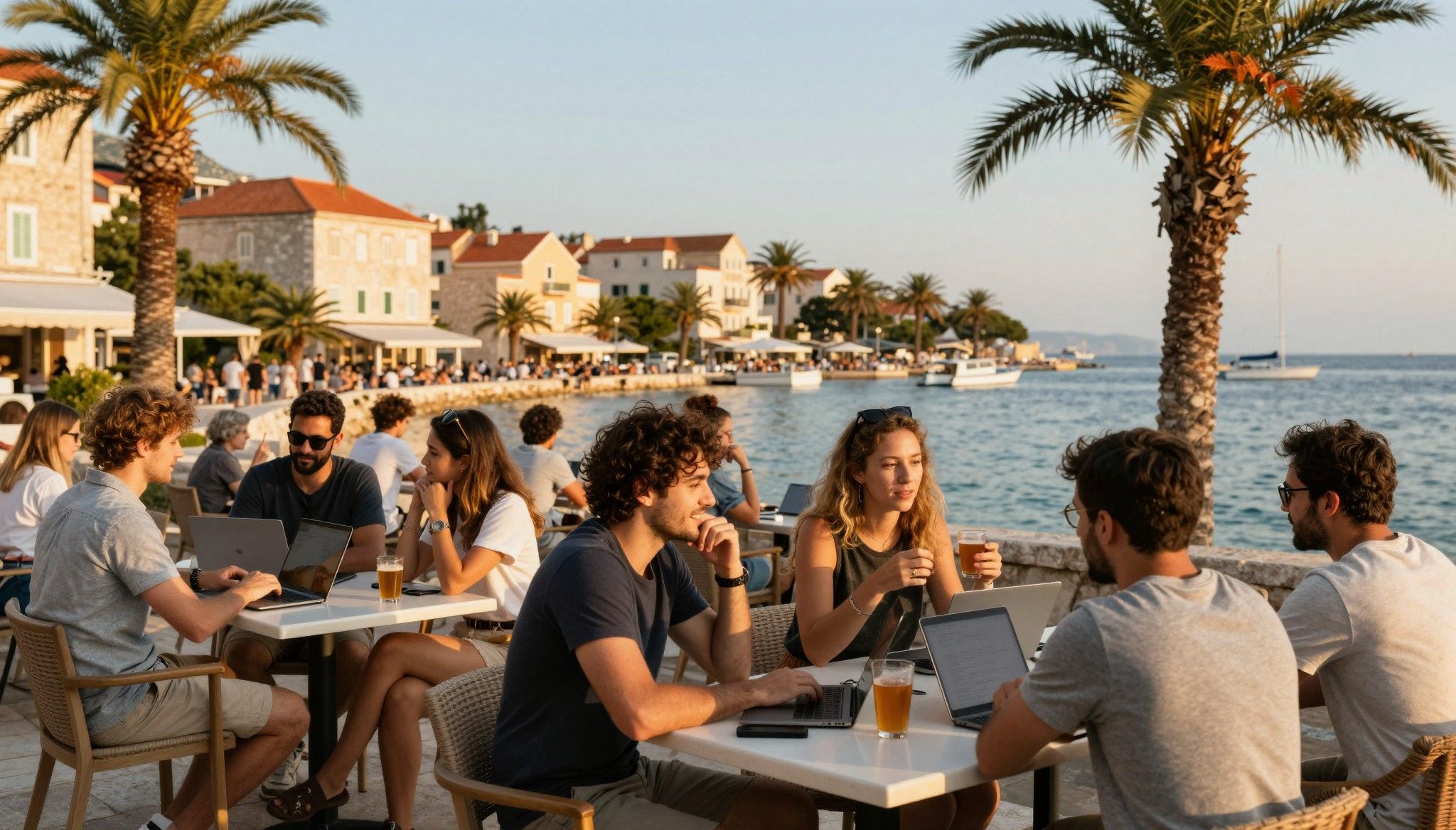
Imagine sipping espresso at Café Uje in Split's Varoš, laptop open, the sea light skimming terracotta roofs, while a weekend market unloads fresh figs two blocks away. Croatia sells that scene like a postcard — but the real story for buyers is more layered: seasonal rhythms, pockets of undervalued neighborhoods, and financing choices that make the postcard life attainable. I lived between Zagreb and the Dalmatian coast for six months and learned one guiding truth: if you plan around lifestyle (internet, cafes, walkability) then smart banking and a little local knowledge turn 'too expensive' into 'smart buy'.
Living the Croatia life
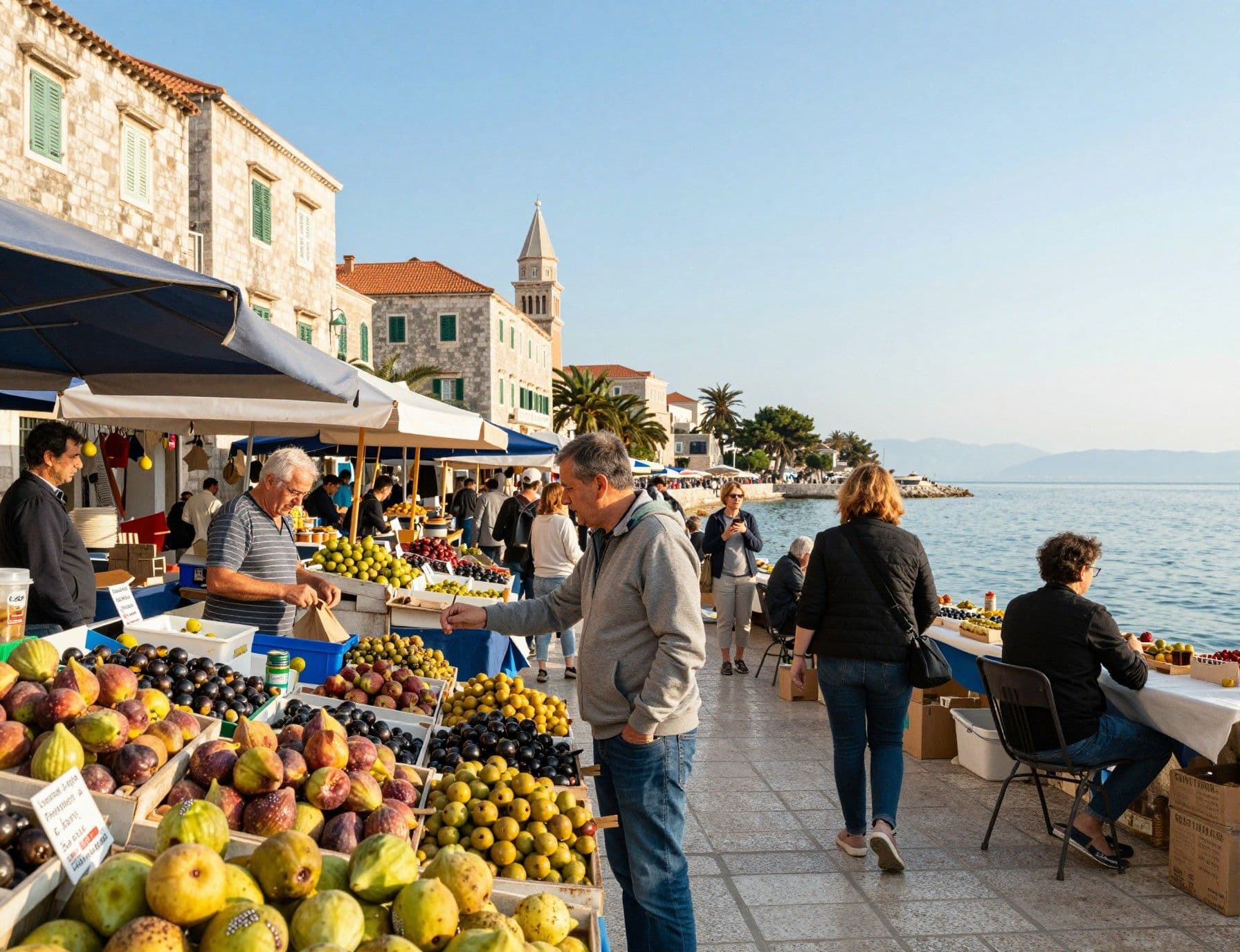
Croatia moves at two speeds: sun-drenched Adriatic towns humming with tourist energy in summer, and calm inland cities where locals run the rhythm year-round. House price indexes show strong growth on the coast and in Zagreb — but growth is uneven. That means lifestyle choice matters: do you want high-season buzz on Hvar or the quiet rhythm of Istria's olive roads? Each choice shifts financing needs and bank appetite dramatically.
Zagreb vs. Dalmatian coast: two different nomad lives
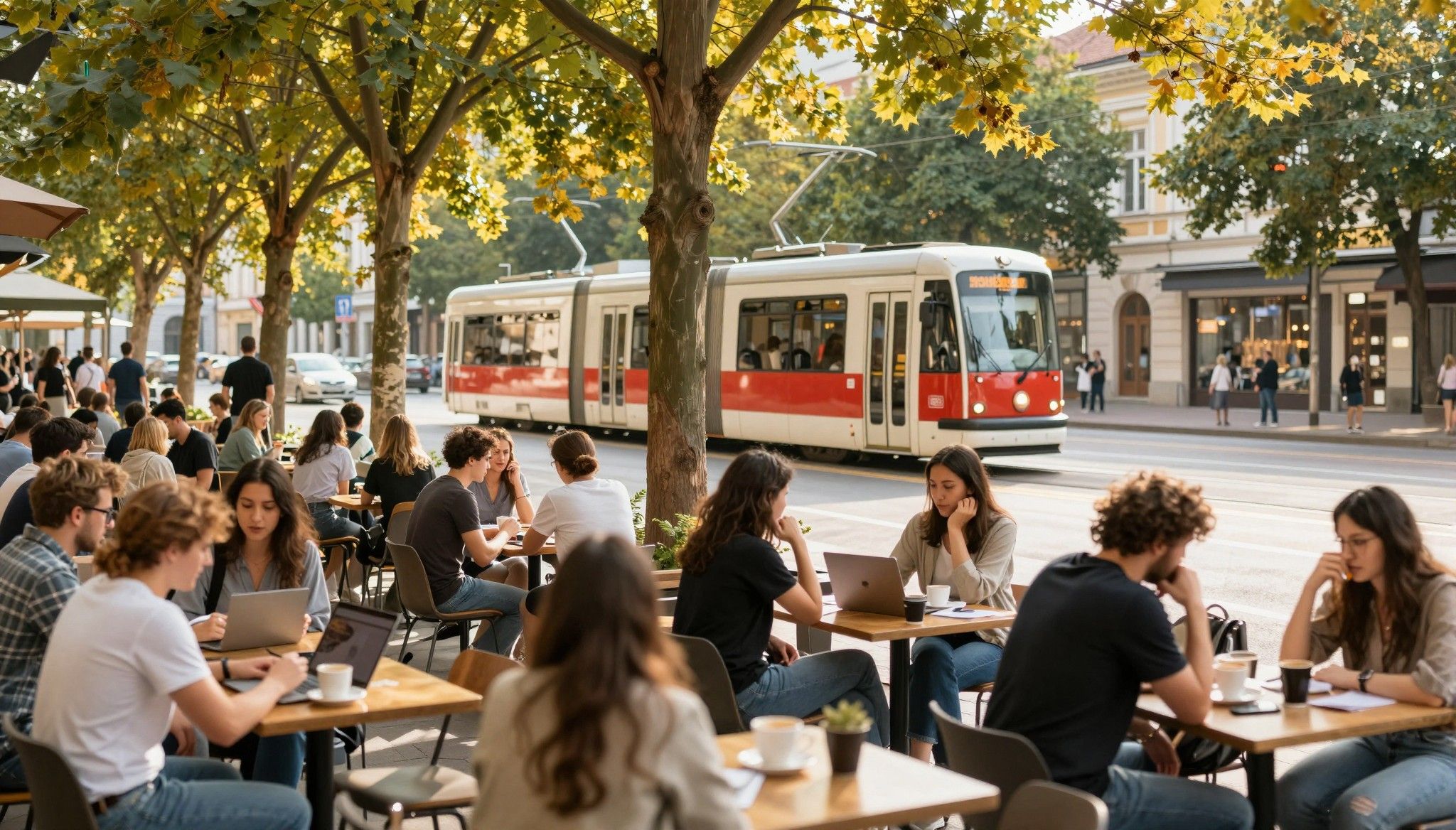
Zagreb is a four-season city: coworking cafés, tram commutes, cultural nights and reliable broadband. The Dalmatian coast is about boats, terraces and summer vibrancy — workdays can be punctuated by afternoon swims and seaside lunches. If you’re remote, Zagreb wins on stability and winter comfort; coastal towns win on mood and outdoor lifestyle. That trade-off should guide whether you seek long-term mortgages, short-term rentals, or buy-to-let strategies.
Neighborhood snapshots: where locals actually live
In Split, Varoš and Žnjan offer contrasting vibes: Varoš is alleyways, family-run konobas and history; Žnjan has newer buildings and beach access. In Dubrovnik, Gruž is where locals and ferry connections live, while the Old Town is mostly touristic. In Zagreb, Maksimir and Trešnjevka blend parks and cafés with quieter residential streets. These micro-neighborhood choices determine seasonal demand, rental potential and what banks consider 'stable income' for mortgage underwriting.
- Morning markets in Dolac (Zagreb), fika at Café Uje (Split), shellfish at Komiža's fishing quay, Istrian truffle lunches, ferry runs from Split to Brač, evening promenades on Rijeka's Korzo.
Making the move: practical money and banking moves

Dreams need a backbone: financing, currency strategy and the right experts. EU (and EEA) citizens can buy under the same rules as Croatians; non-EU buyers often need ministry approval or reciprocity arrangements. That changes how easily you can get a mortgage from a Croatian bank, and whether cash or a home-country loan is the smarter route. Start by confirming your buyer status and bank options — that early step shapes your budget and timeline.
Property finance realities in Croatia
Banks in Croatia offer mortgages in kuna and euros; since most wages and rents are local-currency, lenders check employment, residency and repayment ability carefully. Market reports show strong price growth in 2024–2025, so lenders are cautious about loan-to-value ratios in coastal hotspots. If you’re non-resident, expect higher down payments and stricter income scrutiny — but competitive rates exist for long-term residents or buyers with local income streams.
A simple step-by-step money plan for international buyers
- 1) Confirm legal buying status (EU/EEA vs non-EU) and any ministry consent needed. 2) Choose a currency strategy: hold EUR, convert to HRK, or use dual accounts to match expenses. 3) Speak to Croatian banks and your home bank about mortgage portability and proof-of-income requirements. 4) Budget for deposit, agent fees, notary, transfer taxes and conservatory registry costs. 5) Lock a local lawyer who speaks your language and understands title searches and coastal zoning rules.
Insider knowledge: what expats wish they'd known
Expat buyers often underestimate seasonality. A house near a popular beach can feel expensive in July but be quiet and affordable in November. Local rental demand spikes in summer and drops off in winter — that’s crucial if you expect rental income to cover mortgage payments. Also, sellers often emphasize sea views; what they rarely mention is access in winter, parking, and insulation — things that affect long-term comfort more than a postcard view.
Language, culture and daily life hacks
Croatians are warm but direct — learn basic Croatian phrases and you’ll unlock better local prices and friendships. Join local markets, volunteer at a cultural event, or attend a sea festival and you’ll build connections faster than any expat Facebook group. For practical life, set up a Croatian bank account (IBAN in HRK/EUR), register for a local SIM, and try to align a portion of your income to local currency to reduce FX volatility on monthly bills.
Expats’ top red flags and how to spot them
- Seller can't produce title deed; ambiguous coastal zoning; electric or water upgrades needed (old buildings); promises of immediate rental income without contracts; properties sold through opaque intermediaries.
If any of those show up, pause. A local lawyer and an agent experienced in the exact neighborhood will save time and money. Agencies that double as community connectors — introducing you to a local notary, mortgage broker, and property manager — translate lifestyle dreams into reality.
The quick win for nomads: prioritize internet reliability, a desk-friendly apartment, and a community hub (coworking or café). Once you have that lifestyle core, tailor financing: a shorter mortgage to fit your mobility, or a longer-term loan if you plan to settle and rent part-time. Either way, local experts will help you structure offers that reflect seasonal cashflow and legal realities.
Conclusion: Croatia is more than a summer snapshot — it’s a life you can design. Be a lifestyle-first buyer: pick the neighborhood that fits your day-to-day, then match the right financing and local expertise to protect that life. Next steps: confirm your buying status on gov.hr, speak with a Croatian bank or international mortgage adviser, and lock a local lawyer who knows coastal zoning. The Adriatic life is reachable if you plan for seasons, currency swings and real local costs.
British expat who moved from Manchester to Mallorca in 2017. Specializes in market analysis and helping fellow Brit navigate local regulations.