Euro-era Croatia: Banks, Mortgages & Lifestyle Truths
Croatia’s euro era changed currency risk — pair dream coastal life with euro mortgages, local banking, and region-by-region due diligence for confident buying.
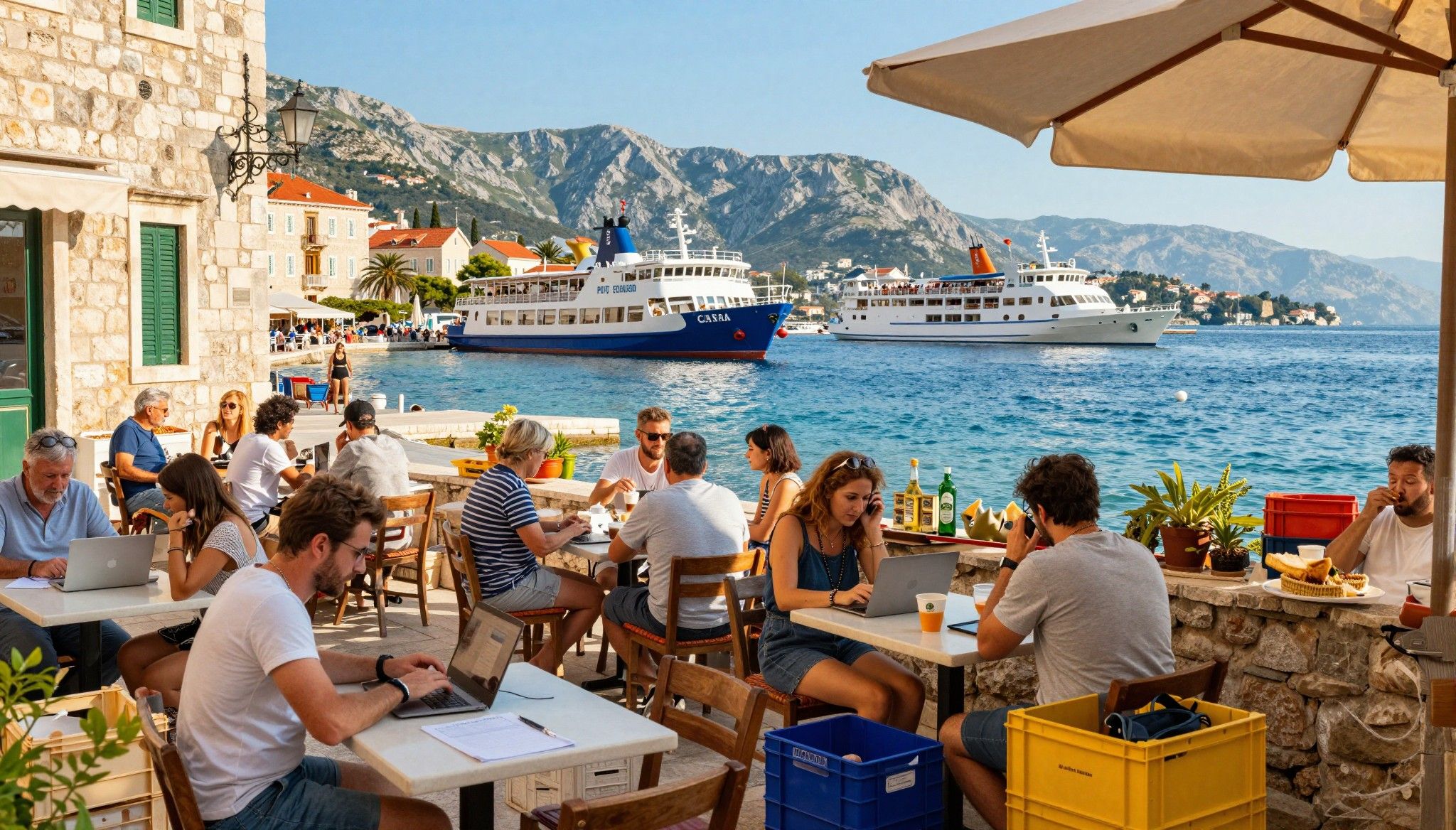
Imagine sipping espresso on Zagreb’s Tkalčićeva at sunrise, then taking a lunchtime ferry from Split to an island with stone houses and slow rhythms. Croatia feels like Mediterranean ease folded into Central European efficiency — cobbled streets, buzzy markets, summer festivals and quiet winters. That contrast shapes how you should think about money here: lifestyle first, financing and bank details right after. For international buyers, the euro, evolving mortgage options and land registry quirks are the practical side of a very attractive life.
Living Croatia: the everyday scenes that sell the place
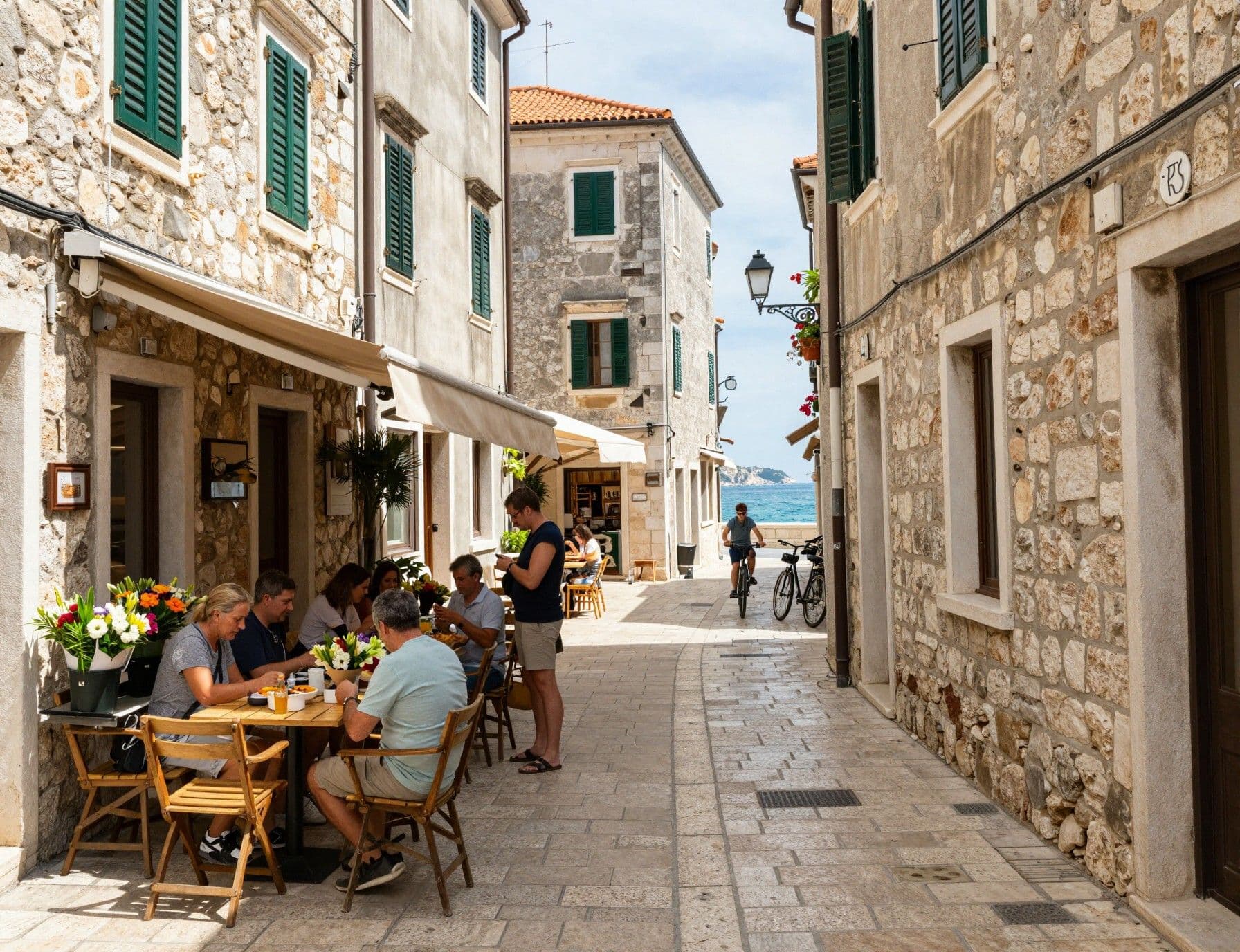
Daily life in Croatia mixes slow and sharp. Morning markets brim with lavender, pršut and figs; cafes in Split’s Veli Varos hum with laptop workers; Zagreb’s upper town is a loop of galleries and tram bells. Summers explode with coastal life — islands like Hvar and Vis fill with sailors and day-trippers — while autumn brings truffle hunts in Istria and quieter seaside rhythms. These rhythms influence what property you want: a walkable apartment near cafes for year-round life, or a seaside villa that thrives seasonally.
Zagreb, Dalmatian coast and Istrian villages — distinct vibes
Zagreb is the city-of-everyday: coworking spaces, efficient transit and neighborhoods like Šalata and Maksimir where you’ll find green mornings and coffee culture. The Dalmatian coast — think Split’s Bačvice and the Riva, or quieter bays near Šolta — is about sea, outdoor dining and a seasonal rush of tourism. Istria (Rovinj, Motovun) trades frantic summers for village markets, wine roads and a slower pace that many remote workers adore. Each area asks for different financing priorities: liquidity and short-term rental potential on the coast, steady-year cashflow inland.
Food, fiestas and the rhythm of seasons
Weekends mean markets — Dolac in Zagreb, Pazar in Split — and dinners that last well into the night. Festivals like Ultra in Split or Dubrovnik’s summer theatre reshape neighborhoods for weeks, which affects short-term rental demand and seasonal pricing. Winters reveal another Croatia: quieter harbors, empty stone streets, and lower local rental competition. Understanding these seasonal swings helps you decide whether you want a home for holidays, a year-round base, or an investment to rent during summer peaks.
Money matters now: banks, currency, and what the euro changed

Croatia adopted the euro on 1 January 2023, removing currency-conversion headaches for eurozone buyers and reducing FX risk for euro-based mortgages. Housing data from the Croatian Bureau of Statistics shows clear regional variation in price trends: coastal hotspots and Zagreb often outpace inland areas. That means your financing strategy should start with location: euro-based savings make mortgage approvals easier, but lenders still price loans by local market risk and property type.
Banking locally — choices for internationals
EU citizens face simpler rules than non-EU buyers, though many non-EU nationals can still buy under reciprocity rules. Opening a local bank account is straightforward for residents and advisable even for foreign owners to pay utilities, taxes and manage rentals. Croatian banks now operate directly in euros; check offers from domestic banks and international banks with Croatian branches — rates, fixed vs variable mortgages, and the documentation required will differ. Work with a bilingual banking advisor to translate terms and compare effective interest costs.
Six practical financing steps to start with
Get pre-approval in euros — it clarifies your budget and signals seriousness to sellers. Compare local bank offers and international lenders, focusing on total cost (fees + insurance + interest). Decide whether you need short-term bridging finance for renovations or seasonally-timed closings. Factor in notary, land-registry and transfer taxes; VAT may apply on new builds sold by developers. Consider a local mortgage broker who understands island properties and title quirks. Lock in FX hedges if you’re paying from non-euro savings.
Insider knowledge: what expats really wish they'd known
Expats often fall for the postcard view — sea, stone, sun — and underprepare for the paperwork and seasonality that shape returns. Local patience matters: administration can be slower outside Zagreb, and land registry entries may lag. Expect renovation timelines to expand when dealing with heritage stone houses. Also, hidden lifestyle costs show up: island ferry schedules that affect short-term rentals, higher insurance for coastal properties, and maintenance for old masonry. Knowing these realities before you sign avoids the common buyer regret of feeling unprepared.
Language, community and making it home
Croatians are warm and direct; learning basic Croatian opens doors in markets, renovation projects and neighborly life. Many nomads plug into hubs: Split has active digital meetups, Zagreb a growing startup scene, and islands host seasonal communities that cluster in winter-friendly towns. Use local cafes (e.g., Split’s Riva side streets or Zagreb’s Britanski trg) as your informal office to meet people and scout neighborhoods. Social integration translates into practical help — contractors, babysitters, and trustworthy cleaners come from local recommendations.
- Lifestyle-to-finance checklist (what to match)
Fast internet + quiet corners = look for fiber or 4G/5G reliability before signing. Walkability + cafes = smaller apartments in central neighborhoods like Split’s Veli Varos. Year-round life = Zagreb or larger coastal towns with winter services. Seasonal rental potential = beachfront apartments and island villas near ferry lines. Low maintenance = newer builds or well-renovated stone houses with documented work.
The data: check official sources early. The Croatian Bureau of Statistics publishes house price indexes and regional splits that tell you where prices are rising fastest. The European Commission and Croatian National Bank provide the definitive euro-adoption and monetary context. Use those to inform whether you prioritize a home to live in, a hybrid home/income property, or a pure investment. Pair the numbers with local agency insight that knows which streets actually rent and which are tourist facades.
Final steps before signing
1) Ask for a full land-registry extract and verify seller identity; 2) Get a local technical inspection of structure and sea-related risks; 3) Confirm the permitted use of the plot (some coastal strips are protected); 4) Review developer VAT vs transfer-tax treatment on new builds; 5) Nail down a euro payment schedule and any FX clauses; 6) Work with a local bilingual lawyer and a trusted agency to close.
Conclusion: Croatia is both dreamy and doable. The euro era simplified currency headaches and made cross-border banking smoother, but successful buying still hinges on local know-how: neighborhood realities, seasonal demand, and precise paperwork. Fall in love with the sound of church bells in a seaside town, but bring a checklist, a translator, and a bank that speaks both your financial language and Croatian. When you pair lifestyle goals with clear financing steps, Croatia can be a place where work, sea and community fit together beautifully.
Danish investor and relocation advisor focusing on Portugal and the Algarve; loves coworking culture and expat networks.