Budget for the Life: Croatia’s Real Costs and Lived Charm
Fall in love with Croatia’s streets and plan a budget that covers seasonal costs, renovations, connectivity and realistic prices backed by official data.
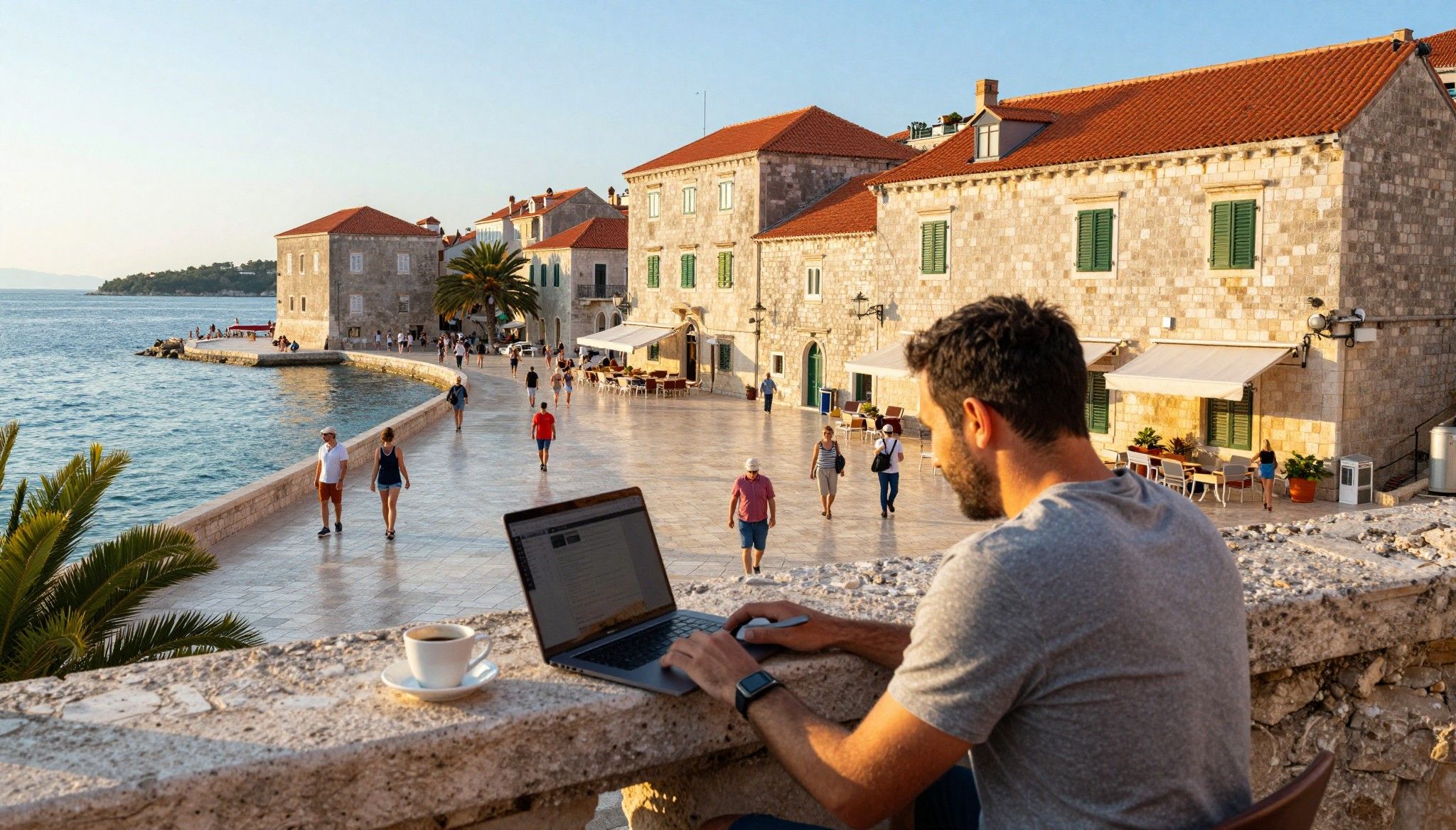
Imagine sipping an espresso on Split’s Riva at 9 a.m., then closing your laptop in a sunlit stone courtyard with the Adriatic breeze on your face. Croatia offers that lived‑in Mediterranean rhythm — cobbled mornings, market calls, and slow evenings — but the price on a listing rarely tells the whole story. Before you fall in love, plan a budget that honors both the day‑to‑day pleasures and the paperwork: taxes, fees, seasonal costs and the neighbourhood tradeoffs that actually shape life here. Real market numbers show rapid price shifts in recent years, so pairing romance with realistic budgeting is how nomads turn a dream into a sustainable home.
Living the Croatia life: mornings, markets and micro‑neighbourhoods
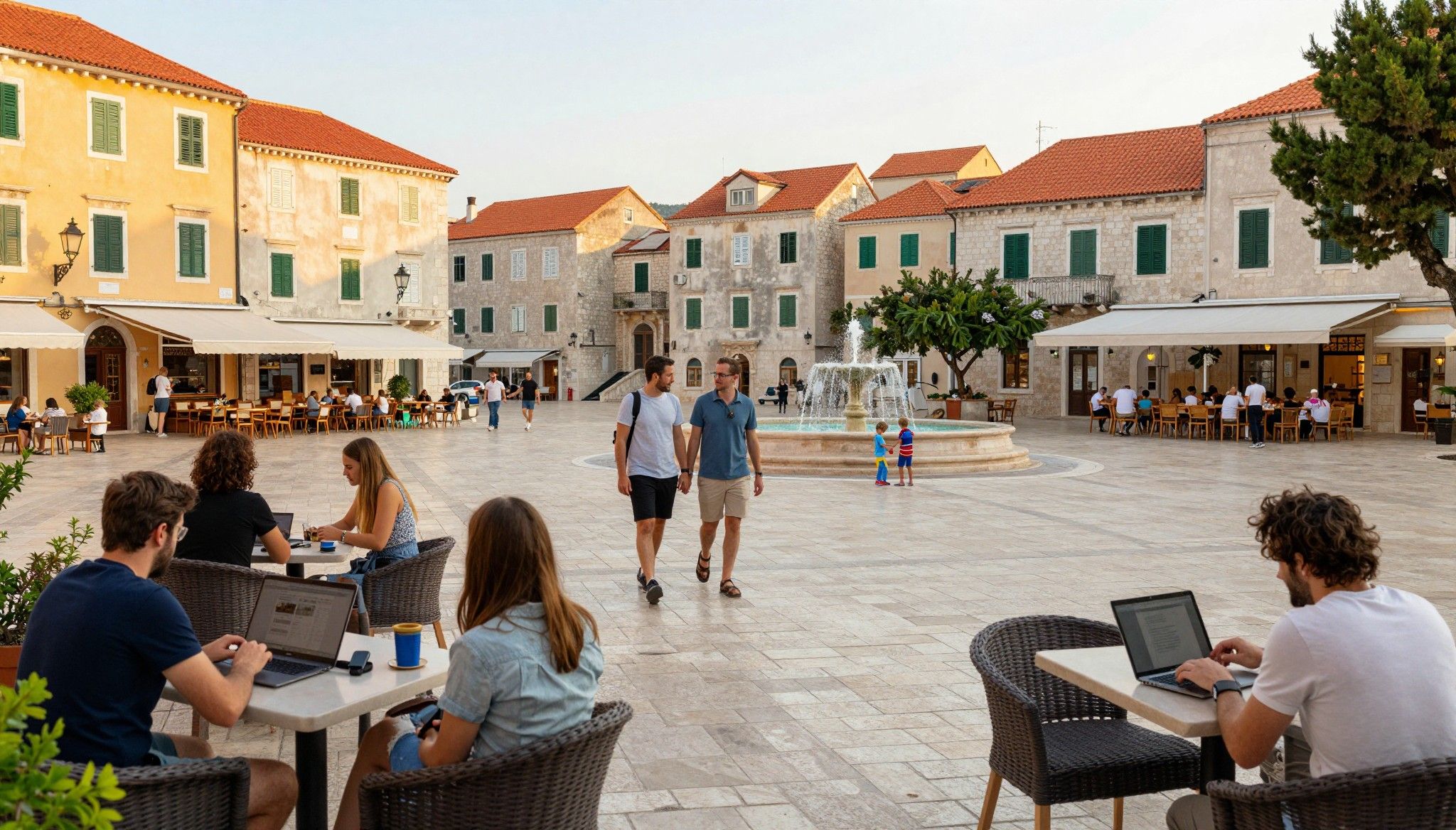
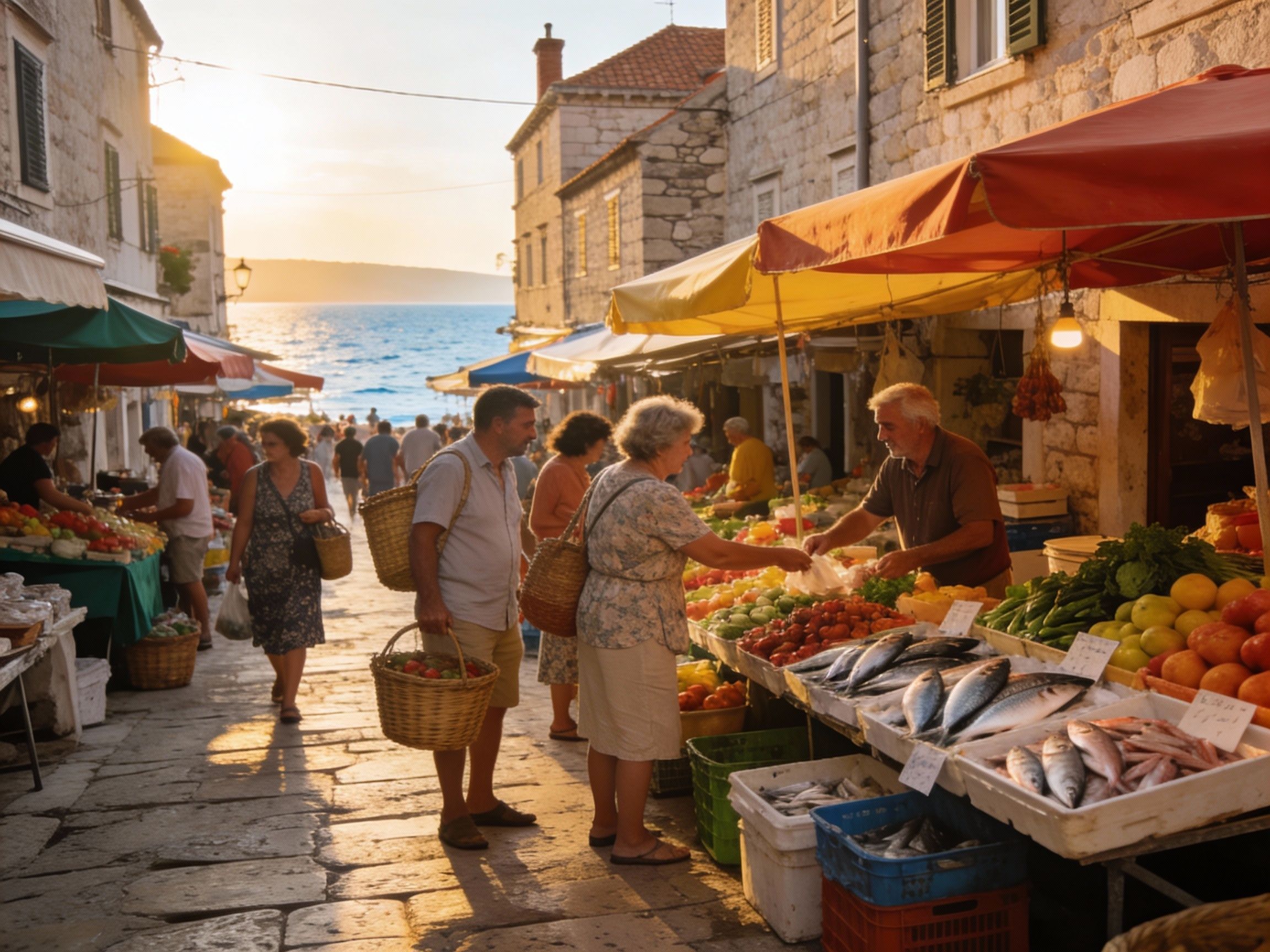
Daily life in Croatia balances ancient streets and modern conveniences. In Zagreb you’ll find buzzy cafés and co‑working spots; on Hvar and Korčula, mornings mean fisherman’s markets and afternoons on a rocky cove. The rhythm changes county by county — Istria’s truffle‑hunters and wine bars, Dubrovnik’s fortified old town and tourist swell, inland Slavonia’s green fields and quiet villages — and those rhythms should shape your budget and property choice. Think: morning coffee cost, seasonal utility swings, and whether you want long‑term neighbours or a tourist pulse outside your door.
Zagreb vs. the Adriatic: two lifestyles, two budgets
Croatia’s house‑price indices show divergent realities: Zagreb has urban demand and steady growth, while coastal hotspots can spike with tourism seasons. According to national statistics, prices rose materially in recent quarters — a reminder that coastal charm often carries a coastal premium. That premium isn’t just sticker price: expect higher maintenance for stone façades, seasonal cleaning, and occasional vacancy costs if you plan to rent. Factor in region‑specific running costs early and you’ll avoid the classic ‘I love this town but not my cashflow’ surprise.
Small streets, big decisions: pick a micro‑neighbourhood that fits your life
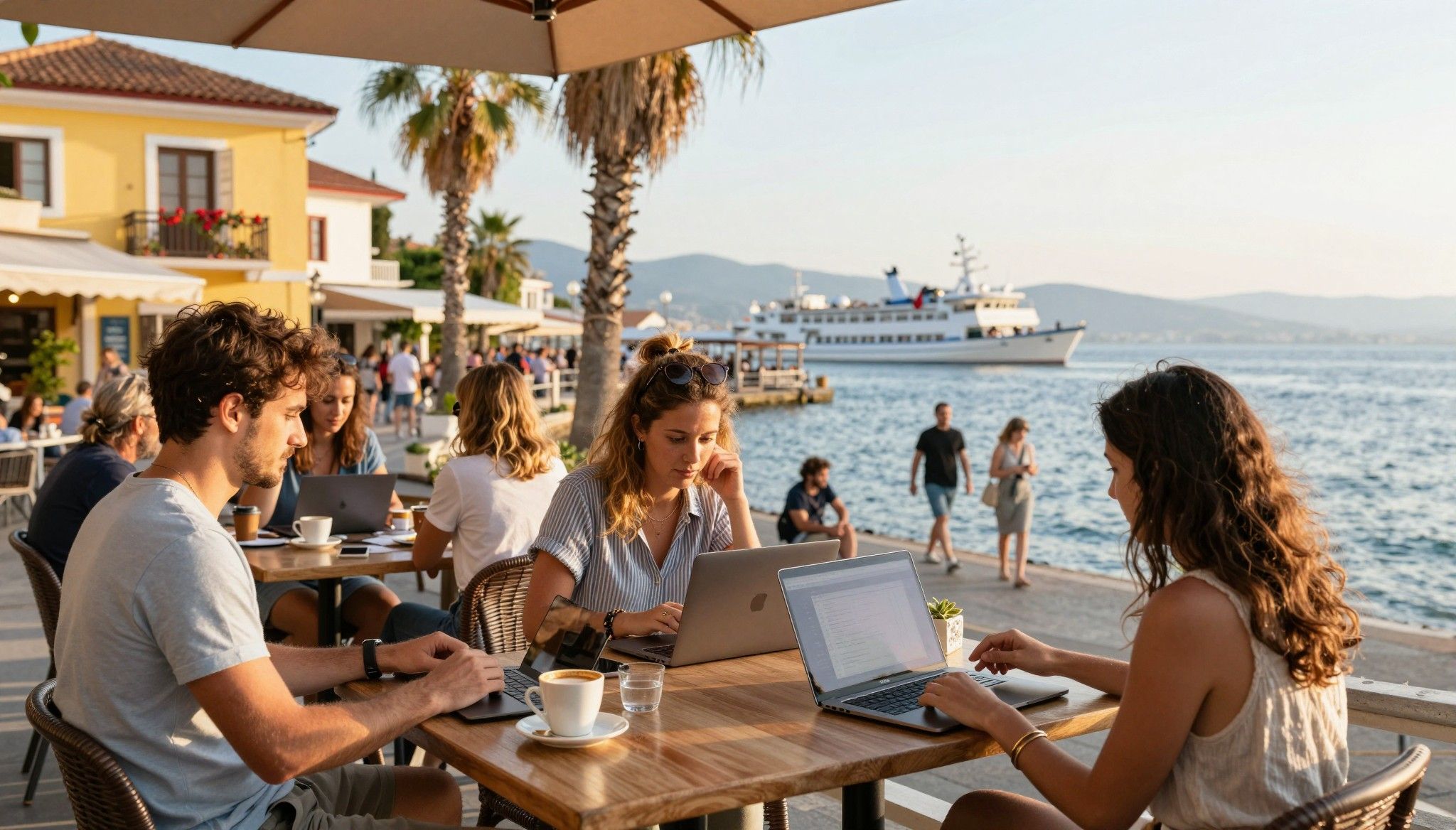
Neighborhoods in Croatia wear their personalities on their sleeves: Diocletian‑era alleys in Split, the arty lanes of Rovinj, seaside promenades in Makarska. When budgeting, ask: will you eat mostly at local konobas or cook from markets? Do you need 24/7 cafes and coworking or quiet lanes for focused work? Those lifestyle choices change how much space you need, whether you’ll spend on furnishing terraces, and how much you should reserve for monthly living expenses.
Making the move: practical budgeting that protects the lifestyle
You can romanticize the stone terrace, but the practical numbers make or break the plan. Recent market overviews show strong price growth and regionally varied asking prices, so start with a realistic total‑cost figure — not just the listing price. Build a buffer for closing costs, seasonal HVAC bills, property manager fees if you won’t be there year‑round, and modest renovation budgets for older stone properties. Treat your initial budget as a lifestyle insurance policy: it buys you the freedom to enjoy Croatia without constant money stress.
Property styles and what they cost you in daily life
A restored stone house on Brač feels magical but often needs insulation upgrades, damp work, and bespoke carpentry — all of which impact your budget. New builds usually cost more per square metre but save on immediate maintenance and energy bills. If remote work is central, prioritise a property with a quiet workspace and reliable fibre; upgrading internet can be cheaper than redoing an entire floor plan. Match property type to how you’ll live: entertain on a terrace, commute into Split for co‑working, or adopt the slow village life inland.
- Six budget line items that connect lifestyle to cost
1. Purchase price plus 3% transfer tax — an important upfront hit on resale purchases. 2. Notary, land registry and legal fees — expect fixed fees and lawyer hourly rates. 3. Renovation / adaptation budget — older homes often need €5,000–€30,000 depending on scope. 4. Seasonal utilities & A/C or heating — coastal summers raise AC use; inland winters need heating costs. 5. Property management and VAT considerations if renting short‑term — plan for 10–20% of rental income. 6. Connectivity upgrades — fibre installation or backup power if you rely on remote work.
Insider knowledge: mistakes expats make (so you don’t)
I’ve met buyers seduced by a postcard view who later discover they can’t cover seasonal vacancies or the homeowner’s association heating bill. Expat mistakes are predictable: under‑budgeting for renovations, assuming tourist‑season rent will cover year‑round costs, and ignoring neighbour norms (like summer loud hours or holiday closures). Croatian social context — including tight urban rental markets and multigenerational living patterns — affects availability and price dynamics in ways visitors don’t always expect. Learn the local rhythm before you sign.
How local experts keep your lifestyle plan on track
Work with a bilingual lawyer and an agency that knows the micro‑neighbourhood, not just the coast. Local agents will flag permit quirks for rooftop expansions, explain short‑term rental rules in each municipality, and estimate realistic upkeep costs. A good accountant can model tax outcomes if you plan to rent, while a property manager will give an honest vacancy rate. Together, they remove the surprises that turn a dream into a stress test.
- Practical next steps that protect the life you want
• Build a 10–15% contingency over purchase + estimated renovation costs. • Get local price comparisons for the exact street or neighbourhood, not just the city average. • Reserve funds for seasonality — extra utilities, occasional short‑term rental downtime. • Confirm internet/fibre availability before committing — remote work is non‑negotiable. • Ask for recent neighbour feedback: festivals, noise, and access during peak season. • Hire a local bilingual lawyer to check title, easements and building permits.
Conclusion: buy the life, then buy the keys
Croatia rewards people who pair romance with realism. Start with a clear picture of your daily life here — where you’ll work, who you’ll share sunsets with, how often you’ll host — then back that vision with a budget that covers the visible and invisible costs. Use local data, speak to neighbourhood‑level agents and build buffers for seasonality and maintenance. When your budget reflects the life you want, the stone terrace stops being a liability and becomes the setting for a life well lived.
Conclusion paragraph with key takeaways and next steps: Meet an agent who knows your neighbourhood story, book a short research trip timed to an off‑peak month to test life (and internet), and create a budget sheet that pairs lifestyle wishes with hard costs. When you do that, Croatia stops being a postcard and becomes home.
Norwegian who has helped 200+ families relocate from Oslo to Spain; expert in relocation services and community integration.