Budget‑Smart Cyprus: VAT, Transfer Fees & Lifestyle Checklist
Fall in love with Cyprus’ sea‑side life — but budget smart: VAT vs resale costs, transfer‑fee traps, non‑dom tax perks and a 90‑day post‑offer checklist to avoid surprises.
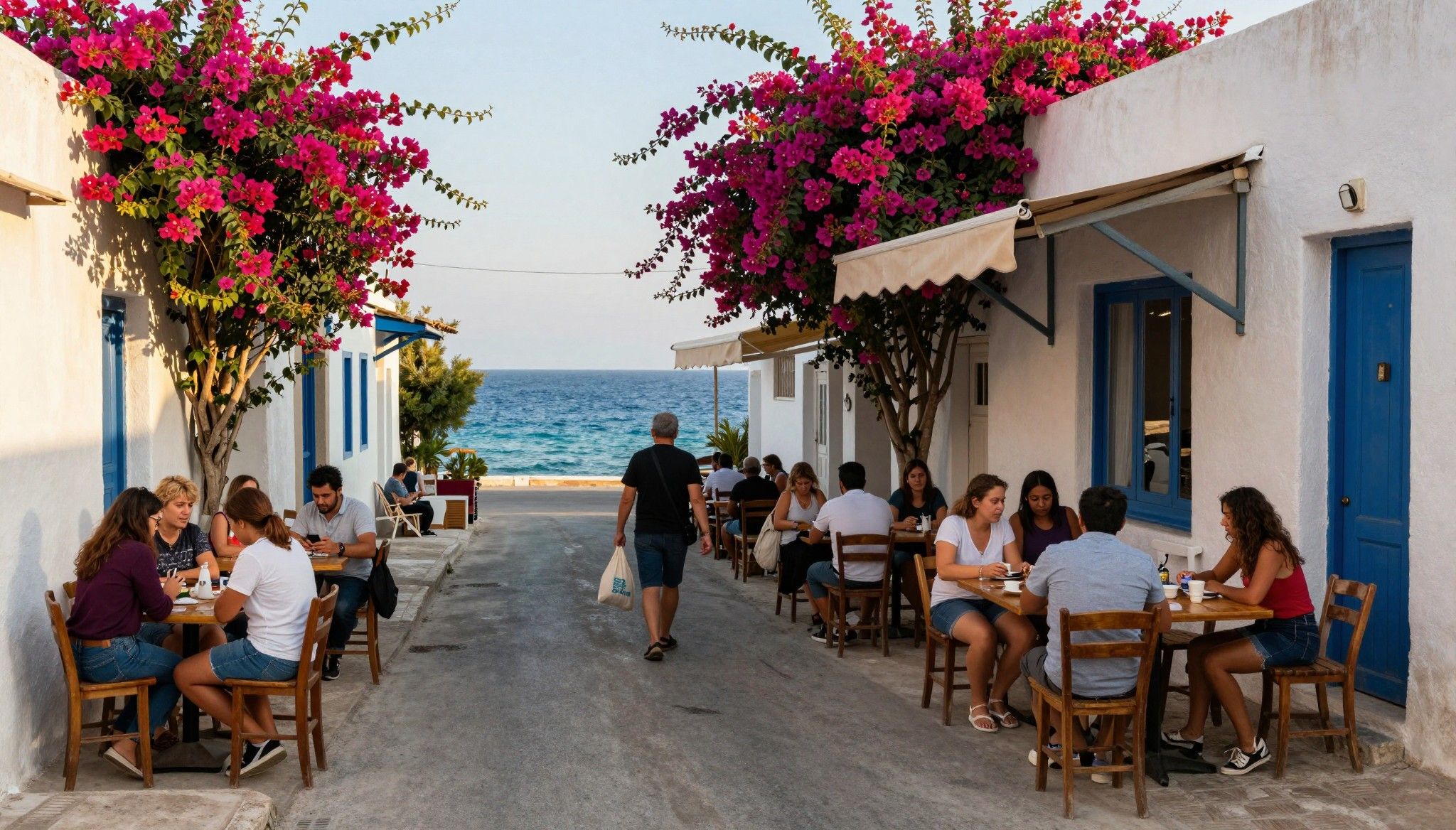
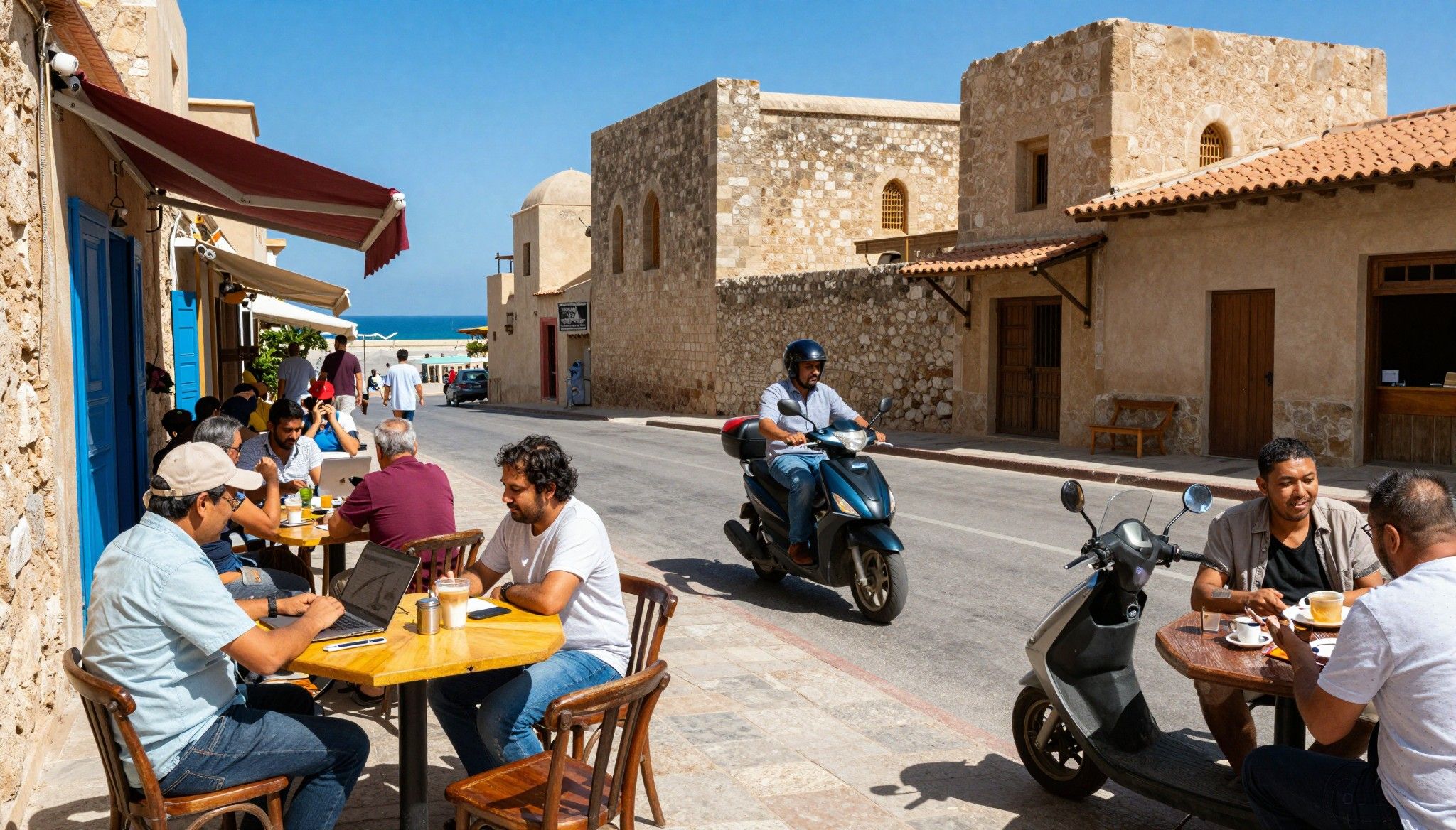
Imagine waking up in Larnaca to a sea-salty morning, grabbing espresso at a sunlit kafeneio on Ermou Street, and logging on with a view of the Mediterranean. That sun‑first, slow‑paced rhythm is why so many nomads and families fall for Cyprus — but the cost of turning that weekday morning into an address requires more than a spreadsheet. This guide blends the lived-in, seaside life with the hard numbers you’ll actually need: upfront taxes, the transfer-fee trap, VAT vs resale math, and a budgeting checklist that keeps the dream from becoming a surprise bill.
Living the Cyprus life: more than sunshine
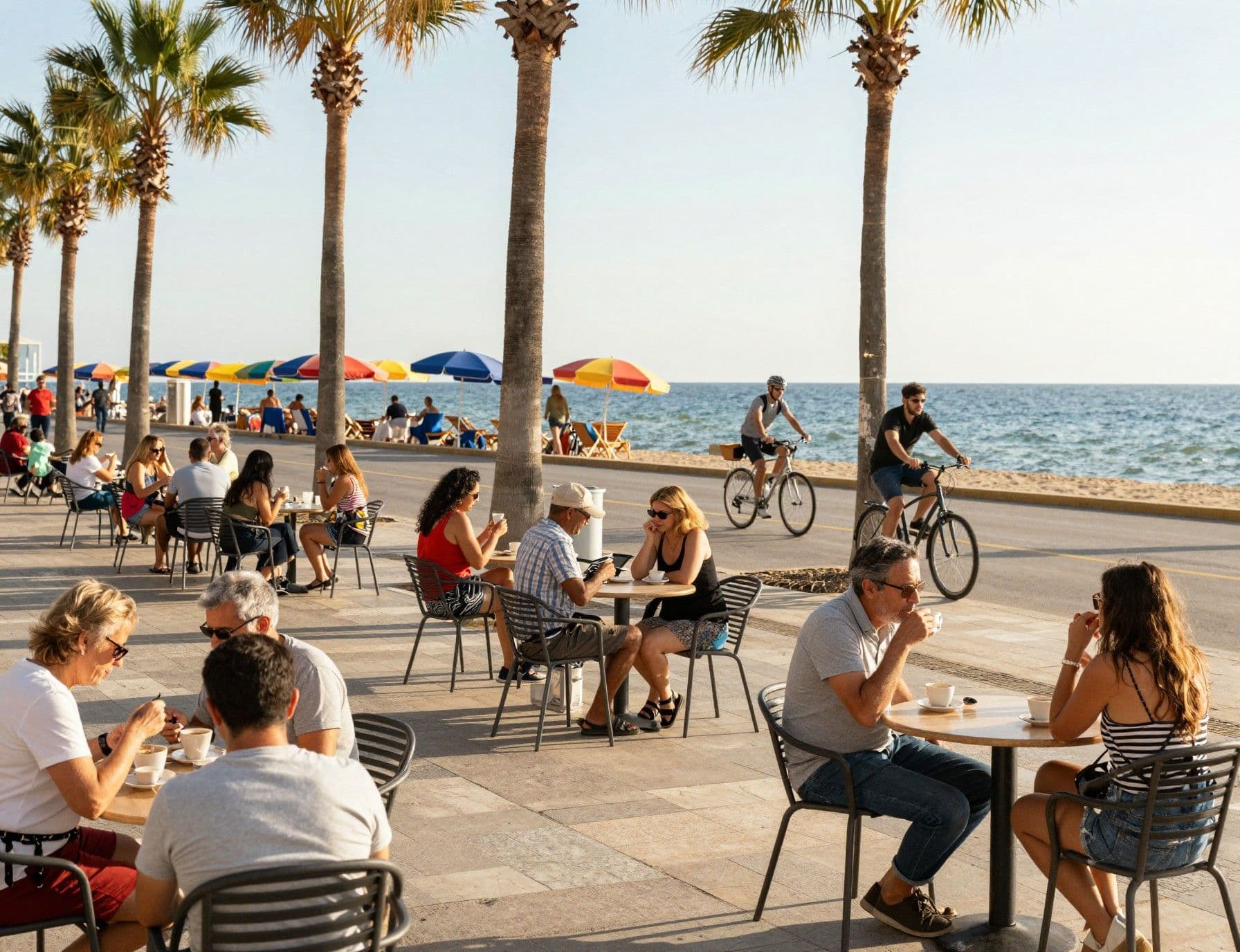
Cyprus smells like baking bread and jasmine in spring and feels like a small country with big scenes. Weekdays pulse in Limassol’s café-lined Molos promenade; weekends belong to mountain villages like Omodos where old men sit in squares and tavernas fire up halloumi. English is widely spoken, local markets are part social theatre and part shopping trip, and islands of expats form tight social circuits around beaches, coworking spots and international schools. That lifestyle is what you buy — the question is how much of it you should budget for before you fall in love with a house.
Neighborhood highlights with personality
Limassol’s old port and Germasogeia are for beachwalks, vibrant restaurants and coworking after sunset. Nicosia’s old quarter is for history lovers and a surprisingly lively cafe culture. Paphos is quieter, perfect for families and retirees seeking slower coastal life, while Ayia Napa transforms in summer — lively but seasonal. For a quieter mountain pace, explore Polis and Tala where terraced houses and village squares feel lived-in year round.
Food, markets and weekend rituals
Picture morning visits to Nicosia’s Laiki market for citrus and ripe tomatoes, late afternoons at Limassol’s Molos for a casual meze, and Sundays in Paphos tucking into fresh seafood by the harbour. Festivals — wine festivals in the Troodos, olive harvests, Easter processions — shape seasons and give buyers a real sense of community rhythm. When budgeting, include the lifestyle extras: weekend road trips, outdoor dining, and seasonal maintenance for vacation-style homes.
Making the move: reality checks that protect the lifestyle

Here’s the core truth: buying in Cyprus feels affordable until you hit the transaction moment. New builds often attract VAT (usually 19%), while resales carry transfer fees based on cumulative rates. Recent market data shows the Cyprus market remained strong into 2025 with record transaction values — which means demand can push prices up in hot pockets like Limassol. That’s why your initial budget must separate purchase price from total closing costs, and why knowing whether you’re buying new or resale changes everything.
Property styles and how they shape costs
New developments: VAT applies (19%) on many new builds, but the buyer may be exempt from transfer fees. Resale homes: no VAT but transfer fees, stamp duty and potential capital gains implications for the seller — and different negotiation levers for you. Traditional village houses may need renovation — factor 10–20% of purchase price for sensible upgrades and systems (insulation, plumbing, AC, internet).
Work with agents who speak lifestyle and numbers
A good local agency in Cyprus is part translator, part market analyst and part lifestyle concierge. They’ll point you to neighborhoods that match your daily routine, vet connection speeds for remote work, and flag whether a listing is VAT‑bearing or a resale — a distinction that changes both price and closing costs. Ask about their recent deals in your target area, references from international clients, and whether they use escrow or recommended legal teams for smoother closings.
Budget checklist: the numbers to lock in before offers
1) Purchase price (ask whether price is VAT-inclusive). 2) VAT or transfer fees (new build vs resale differences). 3) Stamp duty and legal fees (usually small but due at signing). 4) Property transfer fees (sliding scale; can be substantial on resale). 5) Annual costs: municipality/immovable property tax, utilities, community fees. 6) Renovation and contingency (10–20% depending on property condition).
Insider knowledge: expat mistakes and seasonal hacks
Expats often make two repeat mistakes: they under-budget for transfer-fee heavy resales, and they time viewings in high‑season (July–August) when the island is at its liveliest — but prices and availability can be misleading. House‑hunt in shoulder seasons (April–June or September–October) to see authentic daily life, get better access to agents and negotiate with cooler market pressure.
Cultural and practical integration tips
Learn a few Greek phrases, join local tavernas and volunteer at a village festival — community ties accelerate everything from getting a trusted builder to scoring a local babysitter. For banking, open a Cypriot account early; for taxes, consider the non‑dom regime if you plan to become resident (it offers real dividend and interest advantages for eligible newcomers).
Long-term planning: the tax lens
If you expect to spend significant time in Cyprus, work with a tax advisor to understand residency thresholds and the non‑dom rules: these can materially change your long‑term net income and rental yield calculations. Non‑dom status can exempt foreign dividends and interest from Cyprus taxation for a period — a real advantage for digital nomads with passive income streams.
Red flags local buyers wish they’d seen earlier
Estate without clear title history; inconsistent utility records; unusually opaque agency relationships; offers that rush you to sign without independent legal review; properties that promise rental yields far above local averages.
Ask for the seller’s title deed, a recent rates/utility bill, and evidence of community‑association accounts. If anything looks off, pause. A small delay with proper checks beats a big, expensive mistake later.
Step-by-step first 90 days after offer
1) Deposit & preliminary contract (confirm VAT/resale status). 2) Hire local lawyer to check title and planning permissions. 3) Apply for residency/bank account if needed. 4) Schedule surveys and plan renovation estimates. 5) Final deed transfer, pay transfer fees/VAT and register property.
Conclusion: fall in love first, then budget like a local. Cyprus sells a life — sun, slow lanes, sea air and lively village squares — but that life has legal and financial contours you can plan for. Start by separating sticker price from total acquisition cost, work with agents who understand nomad needs (fast internet, workspace, community), and bring a local lawyer into the circle early. Do that, and the espresso on Ermou Street becomes a daily habit, not a surprise expense.
Dutch investment strategist guiding buyers to Greece and Spain; practical financing, tax, and portfolio diversification.