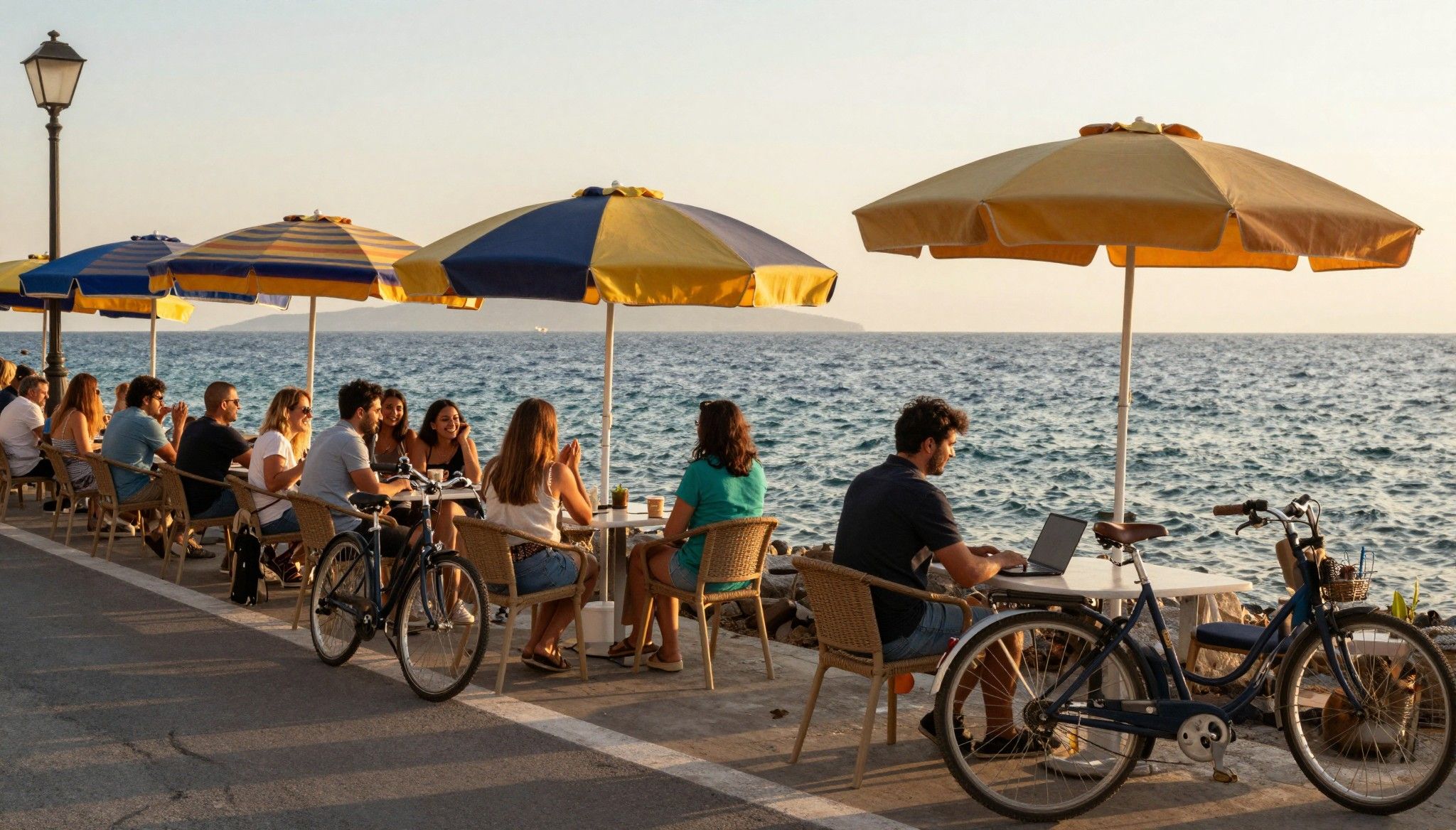
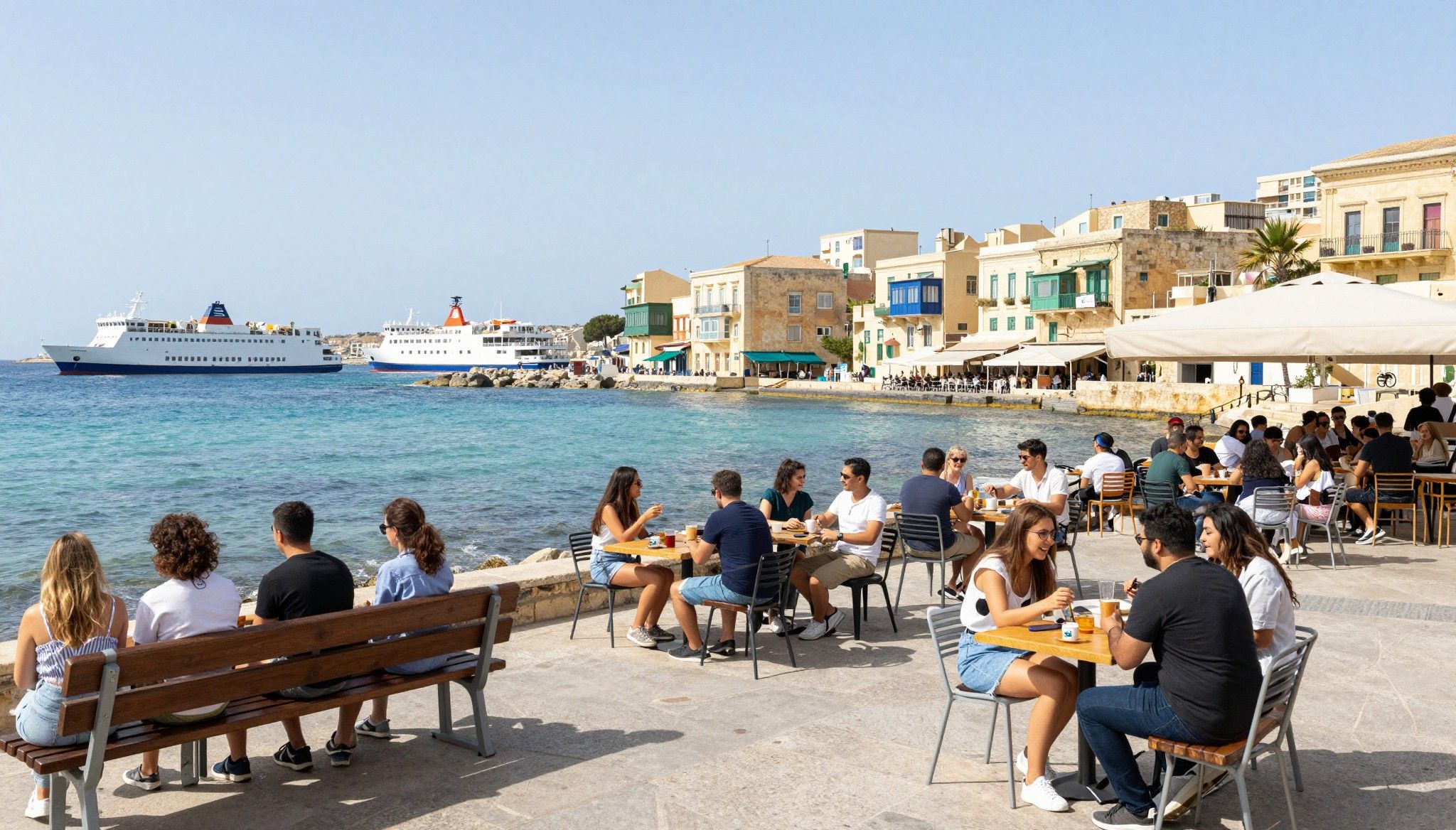
Cyprus Budgets: Live‑First Costs, Title Timing & Real Contingencies
Fall in love with Cyprus's café-lined streets and sea‑view workdays—then budget for title timing, permits, and realistic contingencies backed by government and market data.
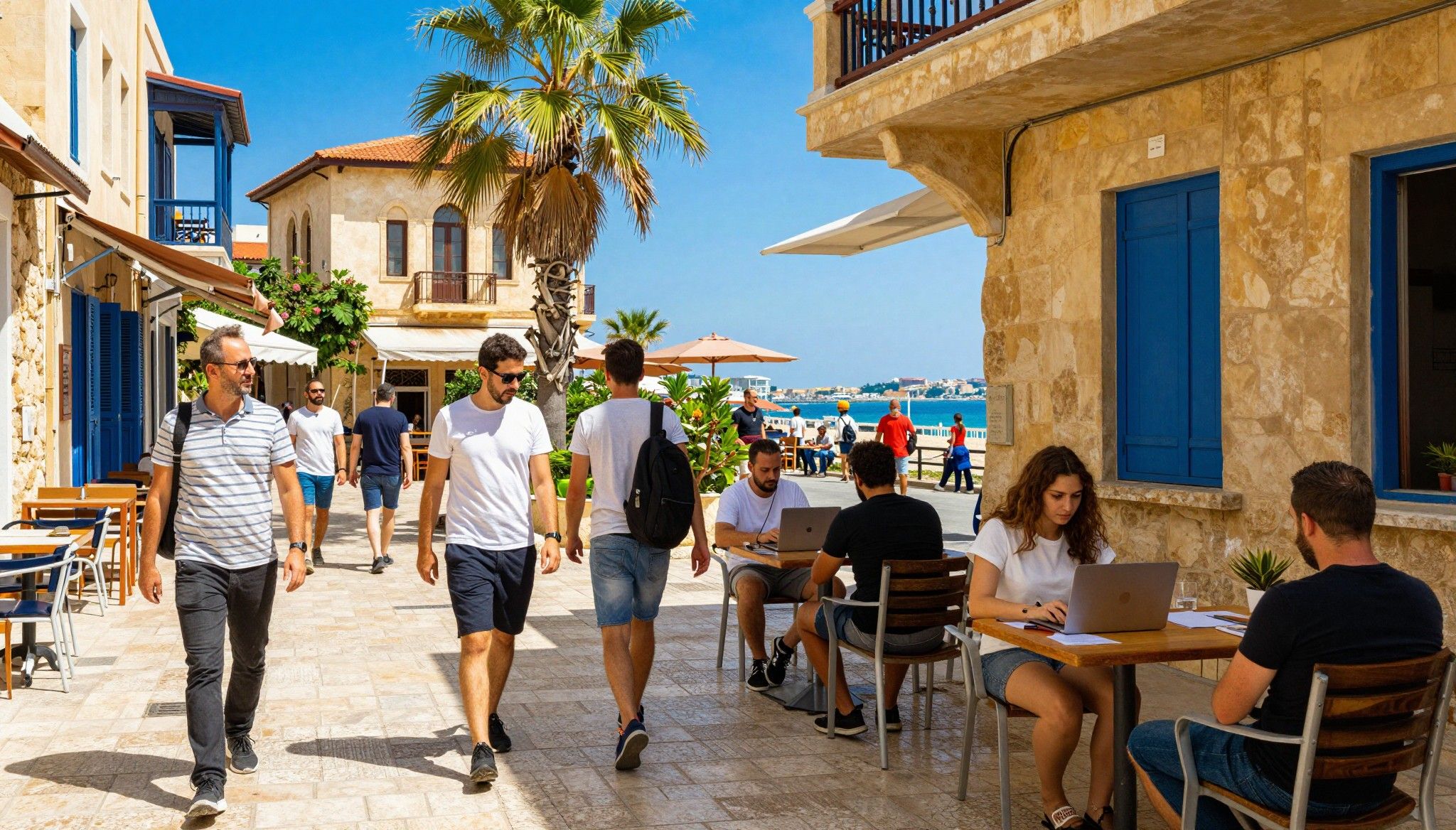
Imagine stepping out of a café on Ledra Street with a laptop tucked under your arm, the smell of fresh halloumi and roasted coffee in the air, and a coastline picnic planned for sunset. Cyprus hits you first as light — golden mornings, late Balearic-style evenings — and then as rhythm: slow weekday lunches, lively weekend markets, and neighbourly terraces that double as coworking spaces. For the international buyer, that lived-in charm is addictive. But the magic needs a budget that understands local quirks: title timing, permit rules, and realistic contingency cash.
Living the Cyprus life: sun, coffee, neighbourhoods
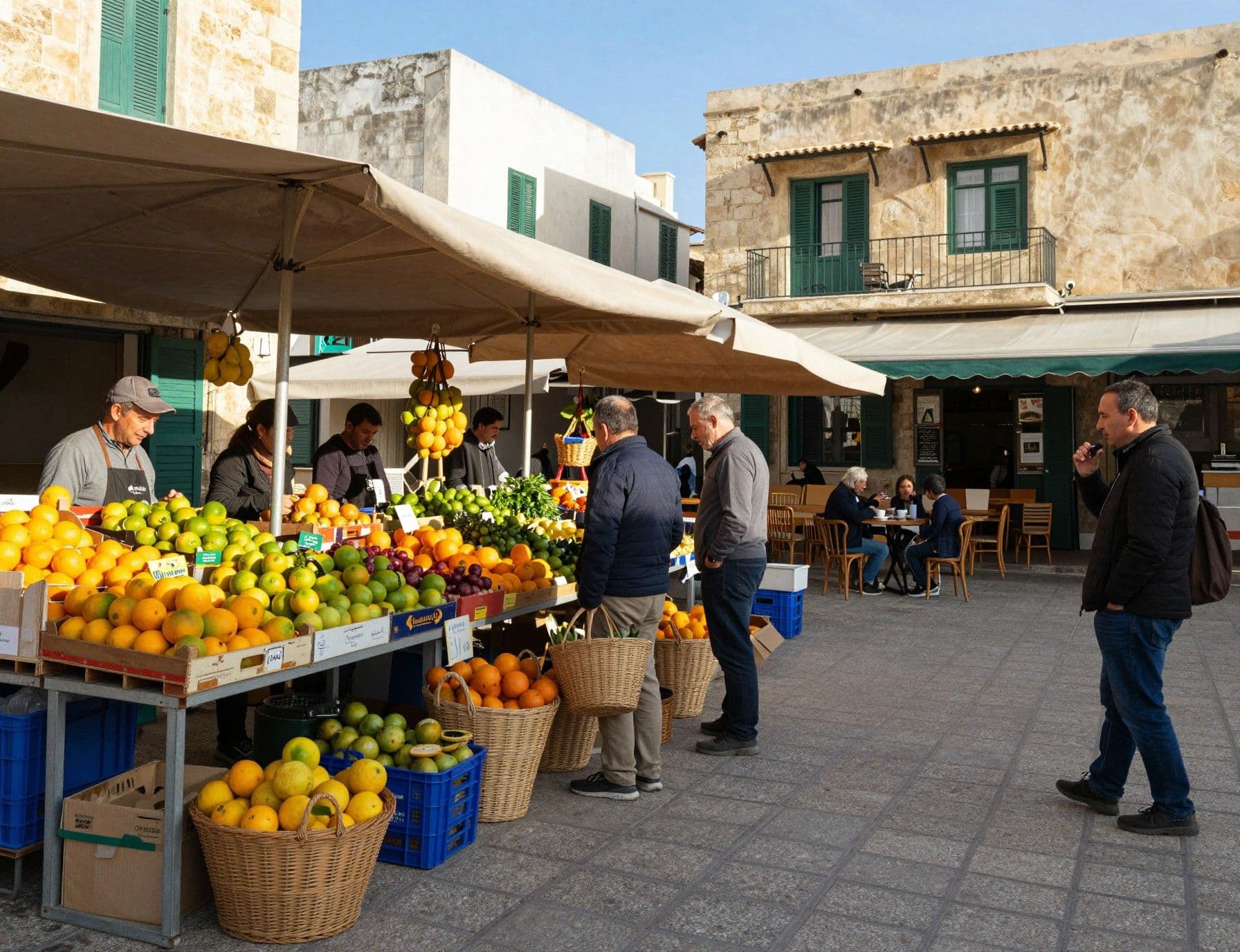
Cyprus blends island leisure and Mediterranean city life in a way that suits remote workers and people building a second life abroad. Picture mornings at the Municipal Market in Limassol picking citrus and fresh fish, afternoons answering emails from a sea‑view balcony in Paphos, and Friday nights at a taverna in Larnaca where the locals sing along. The island’s four seasons are mild but meaningful — spring and autumn are the real living months, with summer loud and full of tourists and winter quiet and surprisingly social. That seasonality shapes where you want to buy: coastal apartments for sun and cafés, mountain villages for calm and space.
Neighborhood spotlight: Limassol’s Old Port & Agios Nikolaos
Limassol is where modern Cyprus hums: coworking cafés, boutique gyms, and a surprising number of restaurants open late. Around the Old Port and Agios Nikolaos you’ll find narrow streets, independent bakeries, and a mix of renovated stone houses and contemporary flats — ideal for nomads who want walkability and social life. Many internationals love this area for evening networking events and weekend beach runs. From a buying stance, expect higher per-square-meter prices but strong rental demand if you plan to let — and check building age and insulation for summer heat comfort.
Food, markets and the social engine
Food is a daily hook in Cyprus: loukoumades for a quick sugar hit, a street‑side souvlaki at midnight, and tavernas where the catch of the day dictates conversation. Weekly markets in Nicosia and Paphos turn neighborhoods into social calendars where you meet future friends while buying produce. For buyers, proximity to markets matters more than you think — access to reliable food shopping and lively high‑streets improves resale and rental appeal. If you crave community, prioritize streets with cafés and small businesses rather than isolated gated complexes.
Lifestyle highlights: cafes, coast and culture - Morning coffee at To Zampano (Nicosia) and sunset drinks at Finikoudes promenade (Larnaca) - Weekend farmers’ markets in Polis and Paphos - Coworking hubs in Limassol (The Office) and Nicosia (Pomospace) - Easy day trips to Troodos mountains for hiking and vineyards - Small‑scale festivals: Kataklysmos and village wine festivals
Making the move: practical considerations that keep the lifestyle intact

Living the Cyprus life requires marrying that lifestyle wish‑list with local reality: legal permissions, realistic extra costs, and timelines for getting keys. The Ministry of Interior still outlines procedures for non‑EU buyers and district permissions, and lawyers play a crucial role in protecting deposits and confirming title paths. Budget early for professional fees and a cushion for unexpected repairs or delays — island logistics can make even small fixes take longer. Below we map property styles to how you’ll actually live there and where agents matter most.
Property types & the life they enable
Modern coastal apartments give you minimal upkeep and immediate rental potential: balcony workdays and beach breaks. Traditional village houses in the Troodos offer space, gardens and a slower rhythm — great if you want a weekend retreat and lower prices but expect renovation. New builds around Limassol and Paphos attract remote workers who want reliable utilities and faster transactions, while older blocks in Nicosia can be cheaper but sometimes lack insulation and modern wiring. Match property type to how much maintenance you want to manage from abroad.
How local experts protect your lifestyle vision
1. A bilingual lawyer files the sale agreement at the Land Registry — this protects your deposit and signals intent to transfer title. 2. A trusted agent scouts neighbourhoods that match your work‑life needs (fast internet, cafés, green space), not just price. 3. An independent surveyor checks construction, insulation, and terrace orientation (sun exposure matters for summers). 4. Accountants and tax advisers estimate transfer fees, reduced rates for certain buyers, and ongoing municipal taxes so your monthly budget isn’t a surprise. 5. Arrange a property manager early if you plan to be away; they handle renters, maintenance and local relationships.
Insider knowledge: what expats wish they’d known before buying
The loudest lesson new arrivals tell us is: don’t rush a deal because you love a view. Cyprus has real title complexities — especially around properties without deeds or in disputed areas — and the Department of Lands issues clear cautions. Many expats also underestimate running costs like communal maintenance, water, and summer cooling. Socially, integration is easier if you choose streets with cafés, local shops and friendly tavernas — that’s where invitations and help come from when bureaucracy gets slow.
Cultural & seasonal realities that affect budgets
Summer tourism swells service costs and short‑term rental competition; if you’re buying to live year‑round, factor in higher utility bills in July and August and a need for reliable air conditioning. Hiring local help (gardeners, cleaners) is affordable but becomes essential for properties with outdoor spaces. Language isn’t a blocker — English is widely used in business — but paperwork is still Greek‑heavy; budgeting for translation and a proactive lawyer saves headaches and money. Market data shows steady price growth in 2024–25, so plan your purchase timeline with both lifestyle and expected market movement in mind.
Budget checklist before you make an offer - Deposit: typically 10–30% on reservation; ensure contract safeguards. - Legal fees: usually 1–2% for conveyancing and filings. - Transfer & stamp duties: variable bands — check current rates and possible reductions. - Survey & utilities checks: €300–€1,000 depending on scope. - Contingency fund: 5–10% for repairs, delays or tax surprises.
One practical twist: Cyprus’s Council/permit process for some purchases is quick but formal; start it early if you’re a non‑EU buyer. Also, avoid buying sight unseen without a local agent and lawyer you trust — online listings can hide missing deeds or unpaid communal debts. If you want freedom and community, pick a lively street over a remote luxury complex; the former delivers friendships, local services and better long‑term value. Agencies that understand nomad needs — good Wi‑Fi, nearby cafés, and property managers — will keep your island life running smoothly.
Ready to decide? Start with three concrete steps: 1) shortlist neighbourhoods by lifestyle (Limassol Old Port for energy, Paphos for calm, Troodos for nature); 2) hire a bilingual lawyer and surveyor before you sign anything; 3) build a 10%+ contingency into your budget and confirm transfer fees with an accountant. Local experts don’t just process paperwork — they help you lock in the lifestyle you pictured on day one. When you pair Cyprus’s everyday warmth with smart budgeting and the right team, your dream afternoons of seaside work and taverna dinners become ordinary life.
Danish investor and relocation advisor focusing on Portugal and the Algarve; loves coworking culture and expat networks.