Why Italy’s “Too Tourist” Towns Can Be Smart Buys
Why towns branded 'too touristy' can be smart buys: lifestyle wins, year‑round services, and resilient demand backed by recent market data.
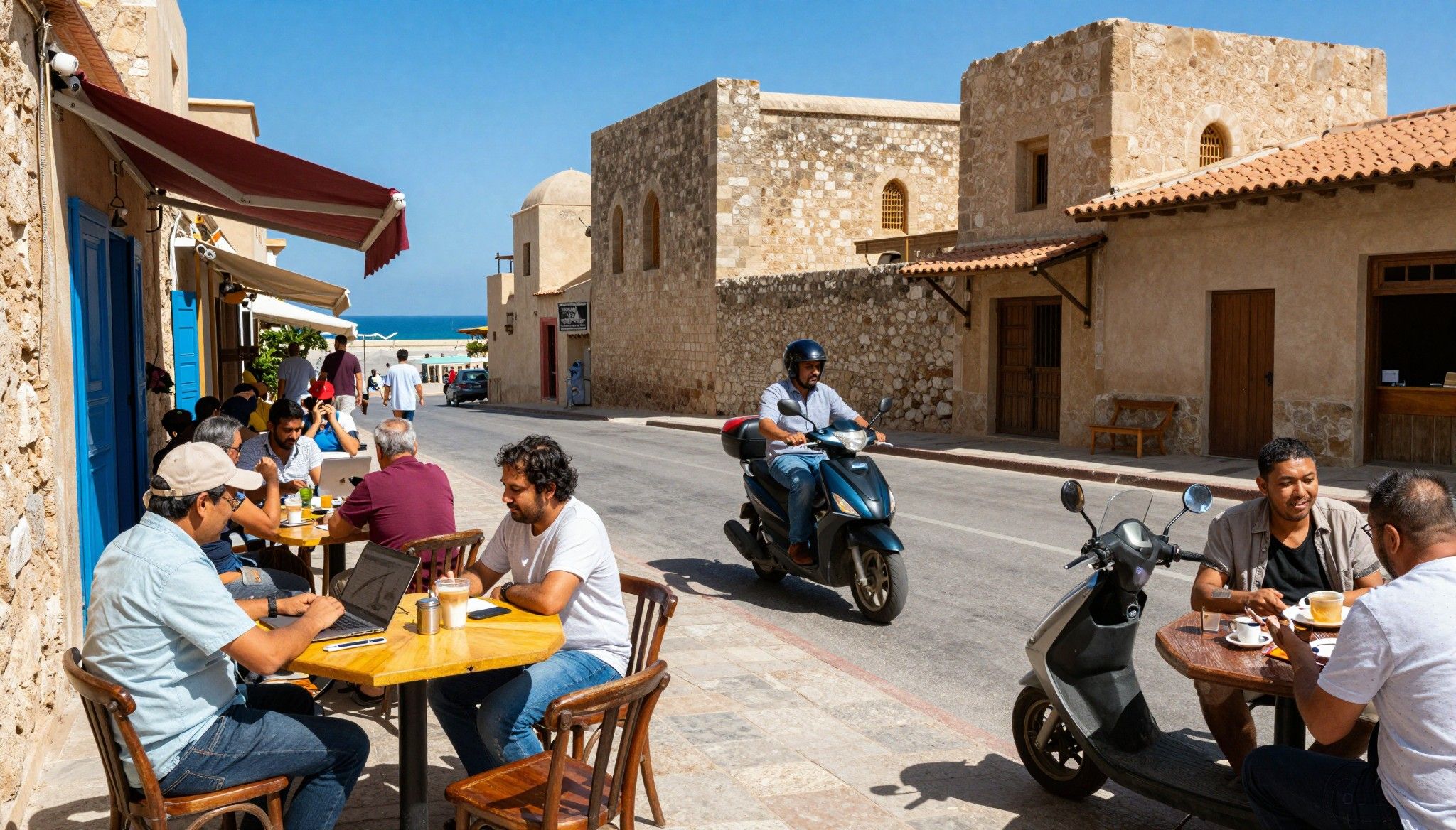
Imagine sipping an espresso at 9am on Via dei Coronari in Rome, then hopping on a train to a coworking loft in Milan by noon. Italy moves at a human pace — long lunches, bustling markets, and sun-warmed piazzas — and it rewards buyers who want life first, investment second. But what surprises many international buyers is that places branded “too touristy” often hide practical advantages: infrastructure, year-round services, and rental demand that actually protect your property income. Recent market analysis shows steady transaction growth and modest price rises, which matters when you’re balancing lifestyle and returns.
Living the Italy life: rhythm, neighborhoods, and real moments
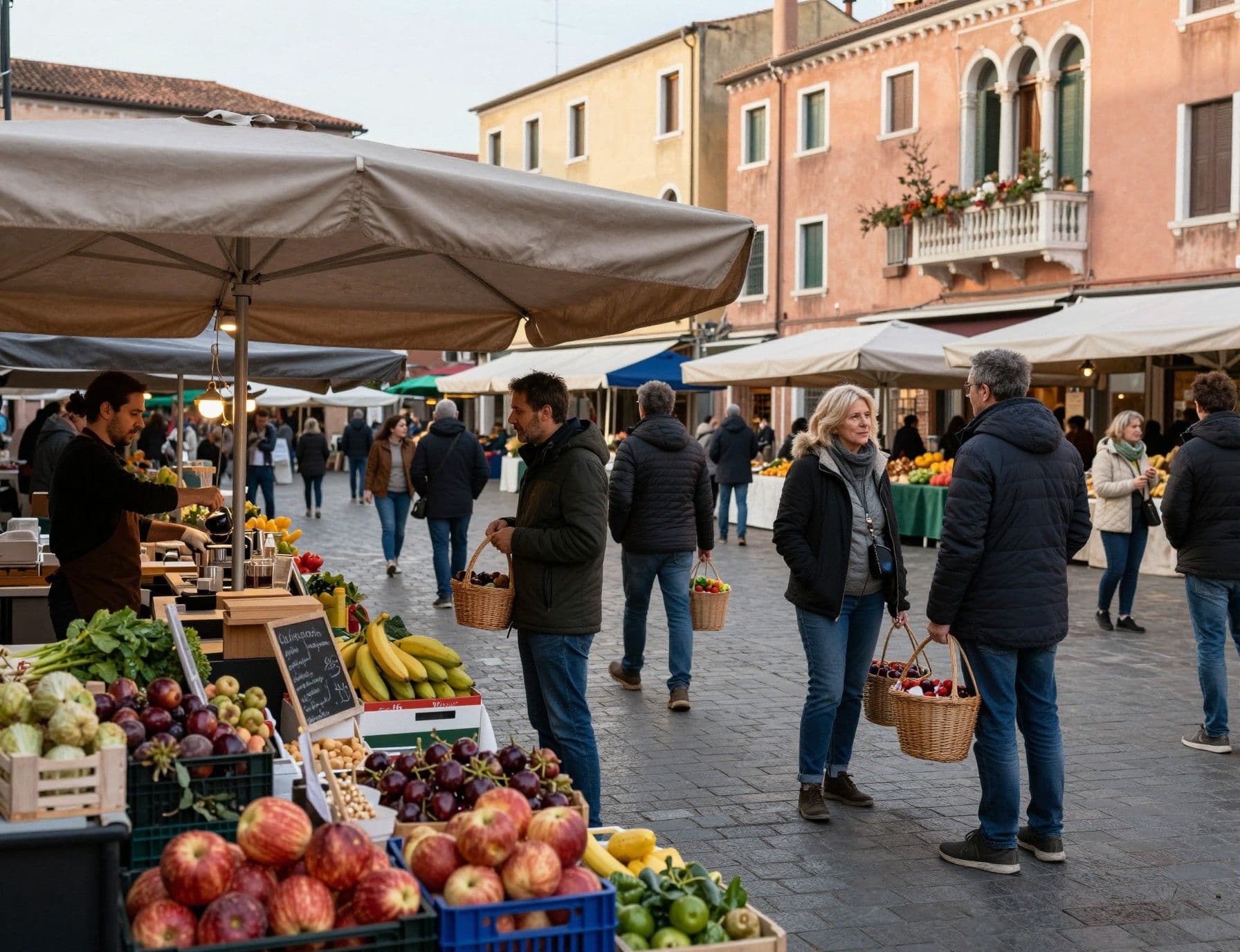
Italy’s daily rhythm is sensory: espresso crema, church bells, market calls, and late-evening passeggiata. Regions differ wildly — cobbled northern streets, Tuscan rolling hills, and southern coastal calm — but all feed a communal lifestyle. Demographic data shows growing foreign resident numbers in recent years, which supports vibrant expat pockets and services in many towns. For a nomad, that means pick a place where the coffee, connection, and reliable internet line up with your workday.
City pulse: Milan and Rome’s mixed neighborhoods
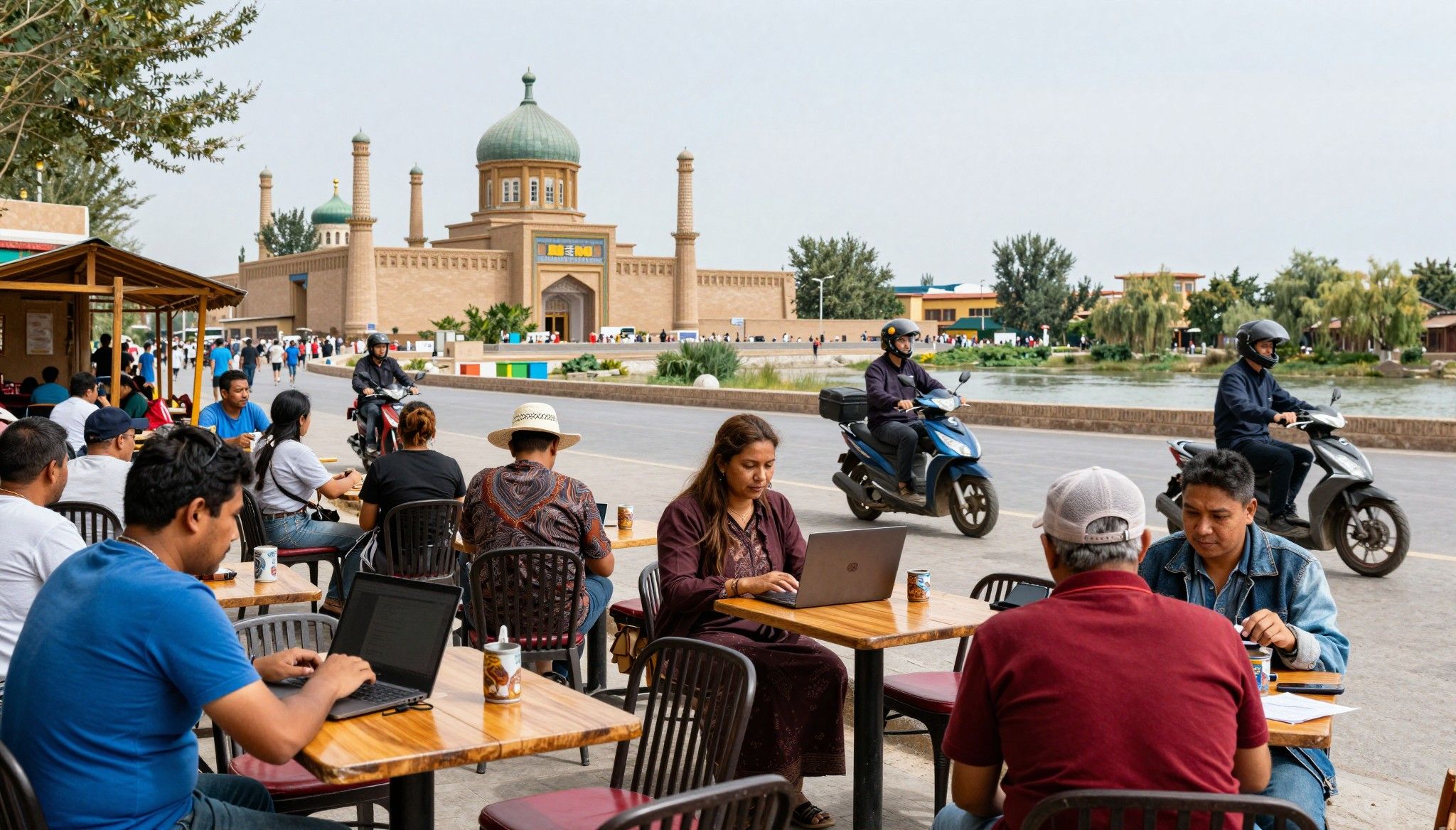
Milan hums with coworking hubs in Porta Romana and Navigli; Rome mixes ancient lanes with modern residential pockets around San Giovanni and Pigneto. These neighborhoods are alive with cafés that double as remote offices and evening social scenes that make meeting people easy. Market reports highlight continued interest in urban centres, where amenities and transport make daily life simple for internationals. If you crave cafés that become your meeting rooms and tram routes that actually run on time, stay city-focused.
Coastal & small towns: where rhythm slows but life stays rich
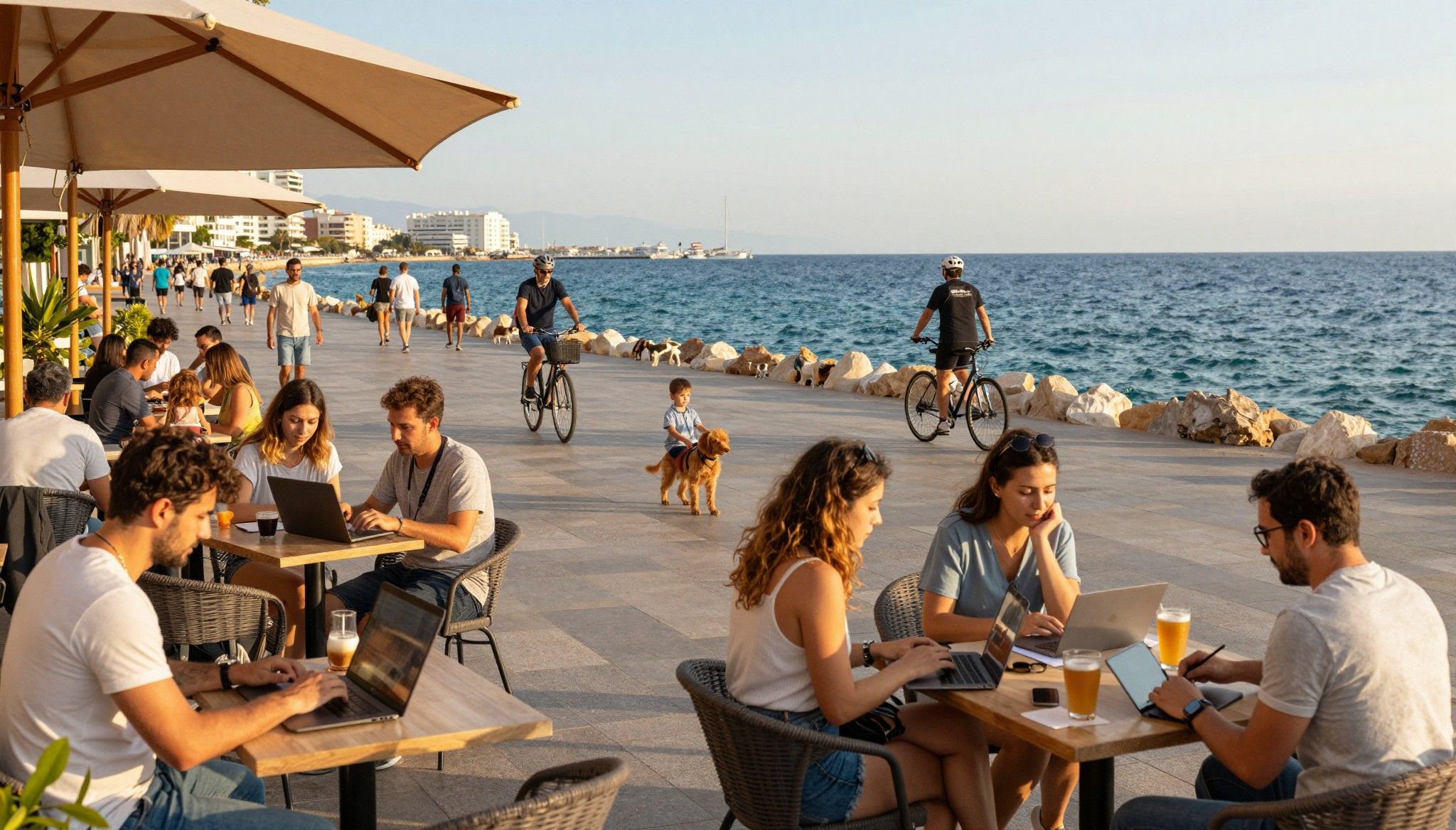
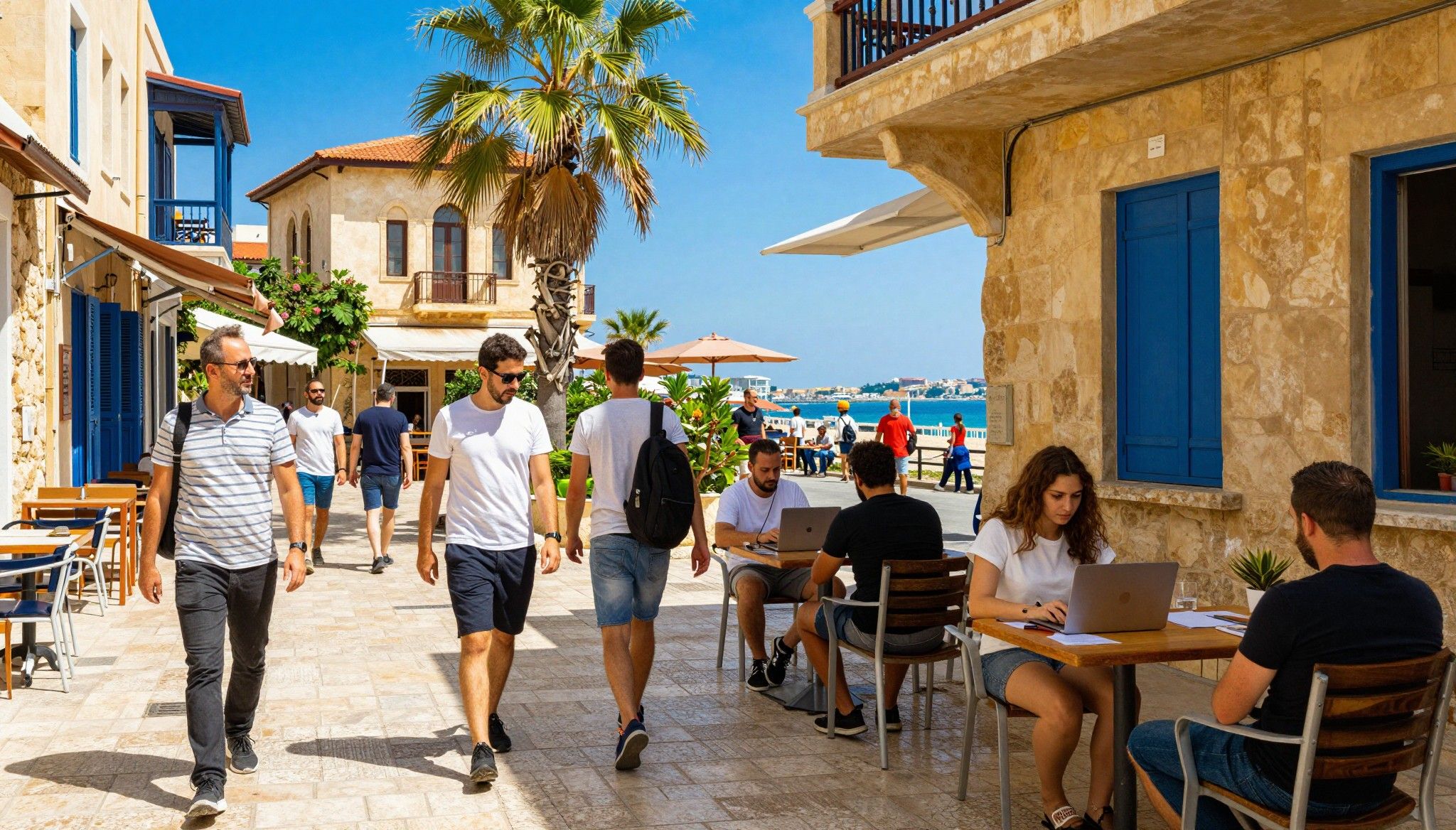
From Cefalù’s sea-scented alleys to the luminous lanes of Puglia’s Polignano a Mare, coastal towns offer outdoor life and tight-knit communities. These towns often see a seasonal spike in activity, but many now support year-round services and remote-worker communities. Luxury and second-home markets have shown particular resilience, according to specialist reports, and that translates into pockets where buying makes sense beyond summer. For nomads, the tradeoff is obvious: more sun and space, sometimes at the expense of immediate coworking infrastructure.
- Streets and senses that sell the lifestyle: 1) Campo de' Fiori market mornings, Rome; 2) Aperitivo on Darsena, Milan; 3) Morning swim at Spiaggia Grande, Positano; 4) Weekend truffle hunt near Alba; 5) Farmers’ market in Campo San Paolo, Bologna; 6) Coworking in Bologna’s Zona Saragozza.
Making the move: practical realities that match the vibe

Dreams get real when you consider commute times, internet, and how your home supports work-life flow. Italy’s housing stock is diverse: compact historic flats, modern conversions, rural farmhouses, and seaside villas. The key is matching property style to your daily needs: a balcony and fast fibre matter if you’ll work from home, while proximity to a train line matters if you want weekend escapes. Agents who know the neighborhood rhythm will save you weeks of fruitless viewings.
Property types and how they fit modern nomad life
A restored centro storico flat has charm and short walks to cafes, but expect smaller rooms and occasional noise. New-build lofts or renovated apartments near transit give better workspace layouts and parking for trips out of town. Country stone houses offer space, terraces, and a slower pace — ideal for creators — but plan for backup internet and winter heating. Think less in square metres and more in how your day flows: where you’ll work, eat, and meet people.
Working with local experts who care about lifestyle
- 1) Ask agencies about fibre availability and nearby coworking spaces. 2) Request recent rental yields in the exact neighborhood, not the city average. 3) Check seasonal occupancy patterns if you’ll short-term rent. 4) Insist on a local engineer check for older buildings (structural and humidity issues are common). 5) Demand clarity on condominium rules and renovation permissions when buying in historic centres.
Insider knowledge: myths, cultural cues, and expat truths
Here’s the real-talk: Italians love their local bars, shop at the same markets, and value community ties. That means integrating matters — join a language exchange, volunteer at a mercato, or become a regular at one cafe. Many expats say the hardest part is not the paperwork, it’s earning a local rhythm. On the flip side, towns labelled “touristy” often offer better services, more international flights, and easier property management during absences.
Cultural integration and everyday tips
Learn a few phrases and be punctual for appointments — it opens doors with agents and neighbours. Use local markets to meet people and source seasonal produce; you’ll learn more Italian culture in one Saturday morning than any guidebook can teach. Expect bureaucracy to be slower; plan extra time for documents, and ask your agency for a local fix-it list: trusted plumbers, notaries, and electricians. Those introductions are gold.
Longer-term bets: community, services, and resale
- 1) Choose neighborhoods with year-round services (bakeries, pharmacies, public transport). 2) Prioritise properties with outdoor space (terrace, balcony) for everyday sun. 3) Consider towns with growing foreign resident figures for easier integration. 4) Check energy performance (APE) — heating costs matter in older homes. 5) Look at accessibility to airports if you travel often.
Italy is a mosaic. You can live in a hilltop village with a communal bakery or a modern Milanese loft with a coworking floor below. The real win is matching the sensory life you crave to practical checks: fibre, transport, local services, and the right agent. Start with a short scouting trip, meet agents who show more than pictures, and test your morning routine there for a week. Small experiments beat big assumptions.
Next steps: book a lifestyle-first viewing, bring a checklist, and talk to an agent who knows the neighbourhood rhythm. If you want, we can suggest agencies with strong local networks in Rome, Milan, Bologna, and Puglia that prioritise nomad needs like internet, workspaces, and community introductions. Italy isn’t one thing — it’s a set of lives you can try on. Go see which one fits.
Danish investor and relocation advisor focusing on Portugal and the Algarve; loves coworking culture and expat networks.