Coastline Calm or Historic Buzz — Where to Live in Malta
Compare Valletta’s baroque charm, Sliema’s seafront practicality and St Julian’s nightlife—lifestyle choices in Malta directly shape price, internet quality and rental potential.

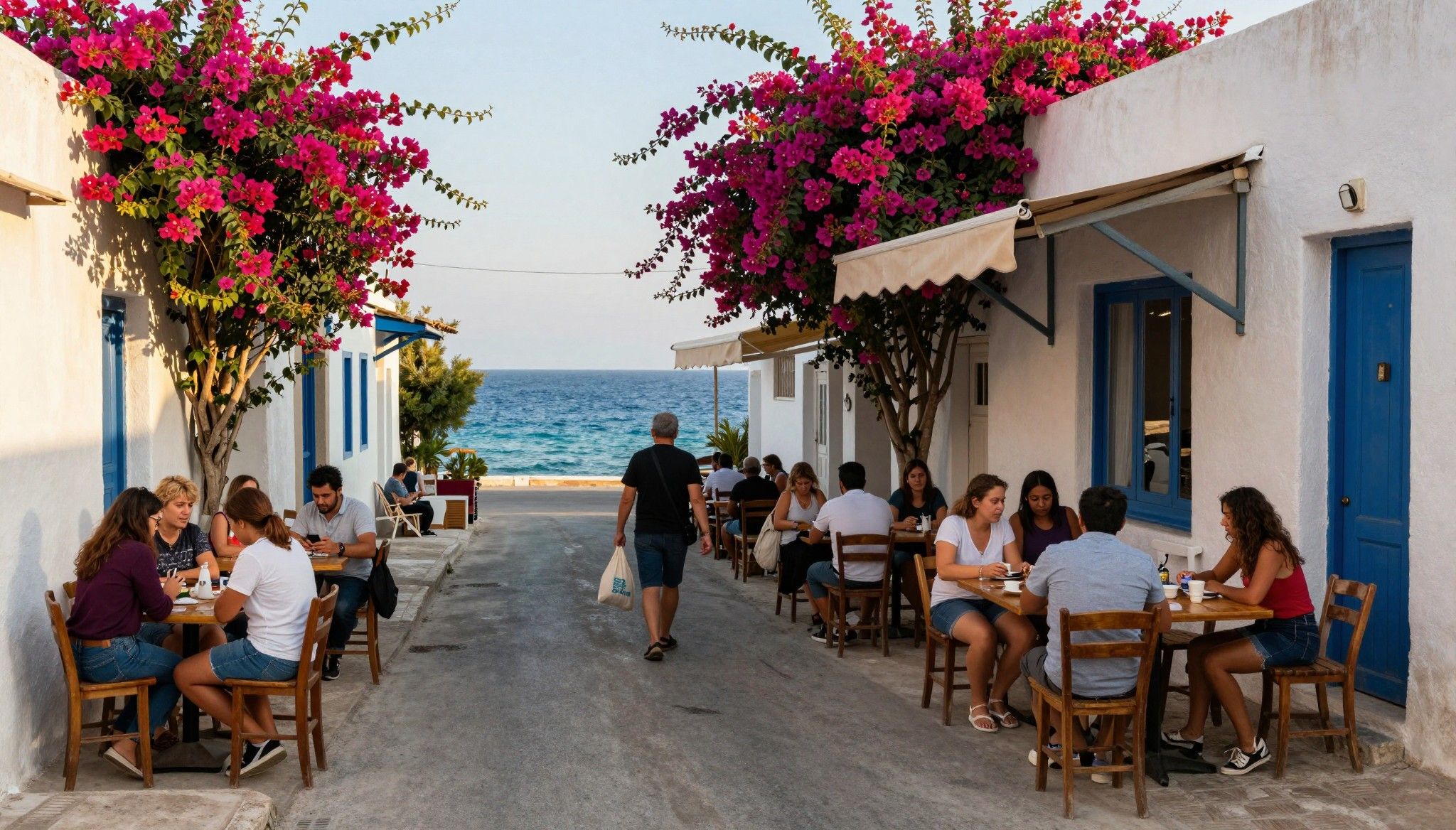
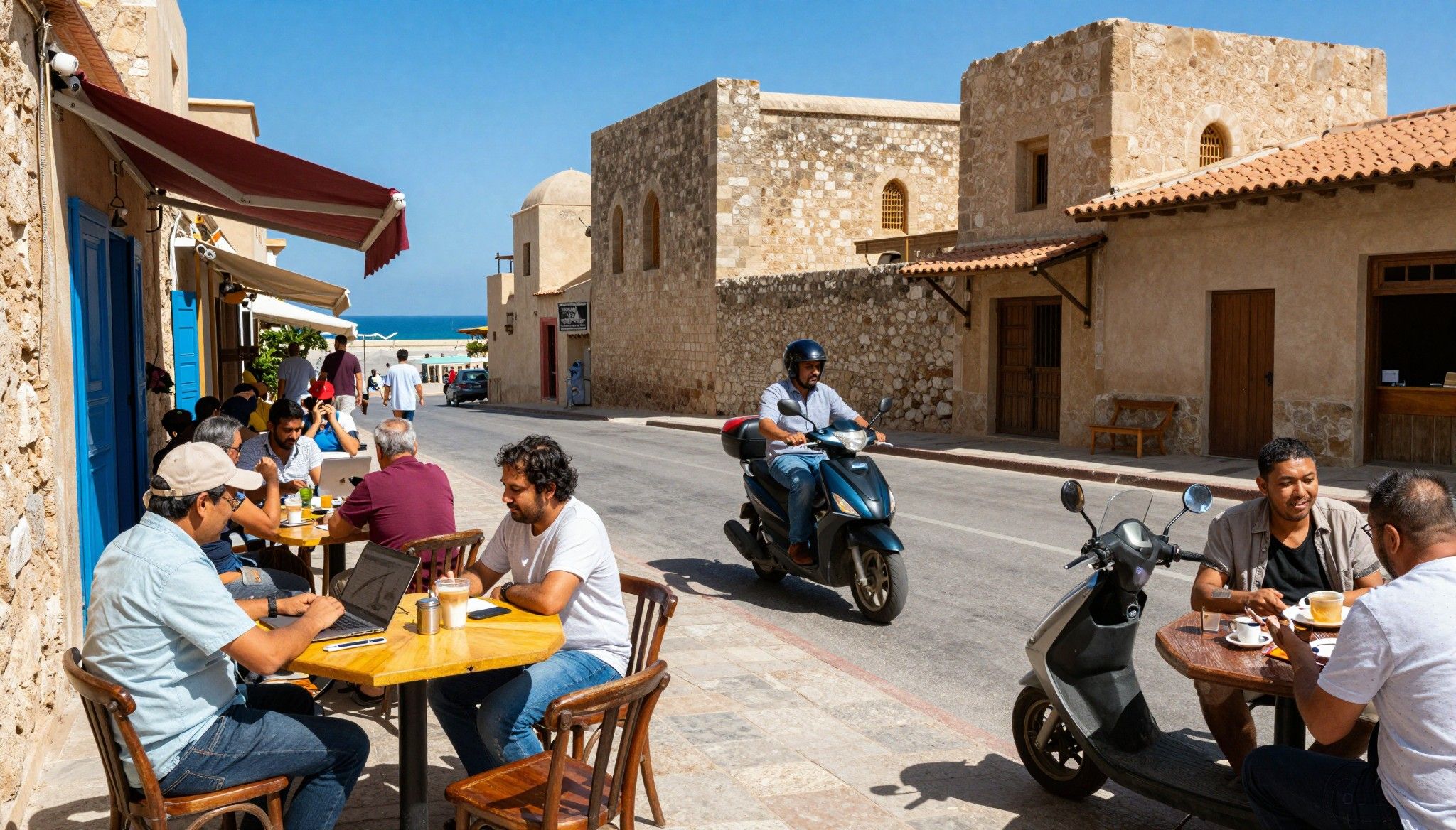
Imagine opening your laptop at a sun-warmed café on the Sliema seafront, then cycling to a late-afternoon coworking event in Valletta before dinner with new friends in a narrow, lamp-lit street. That compact, daily choreography—work, sea, food, community—is what pulls many nomads to Malta. But the island's size masks real trade-offs: history vs. convenience, nightlife vs. calm, granite townhouses vs. modern apartments. This piece compares the lived experience across Malta’s most magnetic places, grounded in recent market data and local insight so you can picture life here—and buy with confidence.
Living the Malta Lifestyle
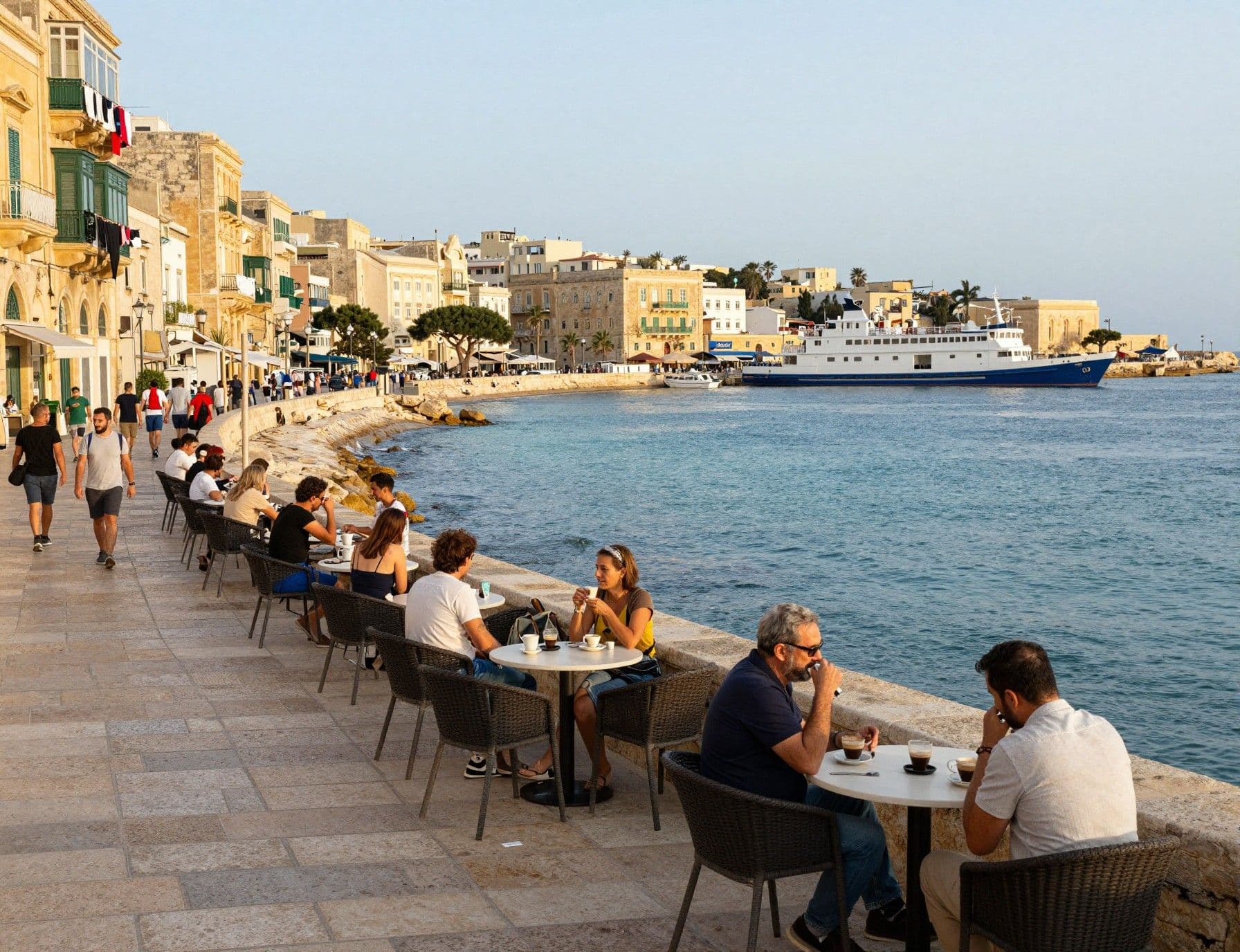
Malta feels Mediterranean in tempo and texture: balconies with drying shirts, market stalls stacked with local fennel and gbejna (cheese), and a steady after-work drift toward waterfront bars. The compact island means commutes are short, but preferences vary wildly—some want Valletta’s baroque intensity and tiny piazzas, others crave St Julian’s pulse and easy coworking, while families and retirees favour quieter northern bays like Mellieħa. Recent industry reporting shows the market is active and price-sensitive to location and type, so lifestyle choices directly affect your budget. (See market snapshot below.)
Valletta: Historic buzz in a walkable shell
Valletta is living-history theatre: limestone facades, tiny artisan bakeries, and evening concerts spilling from restored palazzos. For nomads who love serendipity—bumping into designers, attending rooftop meetups, working from tiny cafés—Valletta delivers. Expect smaller flats (often in period buildings) and unusual layouts: beams, stone walls, sometimes narrow windows. If you prize character and walkability over floor space, this is your vibe.
Sliema & Gzira: Seafront cafés and steady connectivity
Sliema and neighbouring Gzira feel modern and practical: long promenades, reliable cafes with fast Wi‑Fi, and more contemporary apartment stock. Many digital nomads gravitate here for easy ferry links, coworking hubs, and a seafront office-on-the-go lifestyle. Apartments tend to be newer than Valletta’s, with balconies and straight-line layouts that suit a proper desk and dedicated workspace.
St Julian’s & Paceville: Nightlife and service convenience
If social life and late-night energy matter, St Julian’s is the place to be. It’s also where many serviced apartments and short‑let properties concentrate, which is great for trial stays but can feel noisy long-term. For remote workers who value networking and after-hours socialising, St Julian’s puts you close to events, international restaurants, and coworking meetups—but weigh noise and tourism peaks when house-hunting.
Making the Move: Practical Considerations
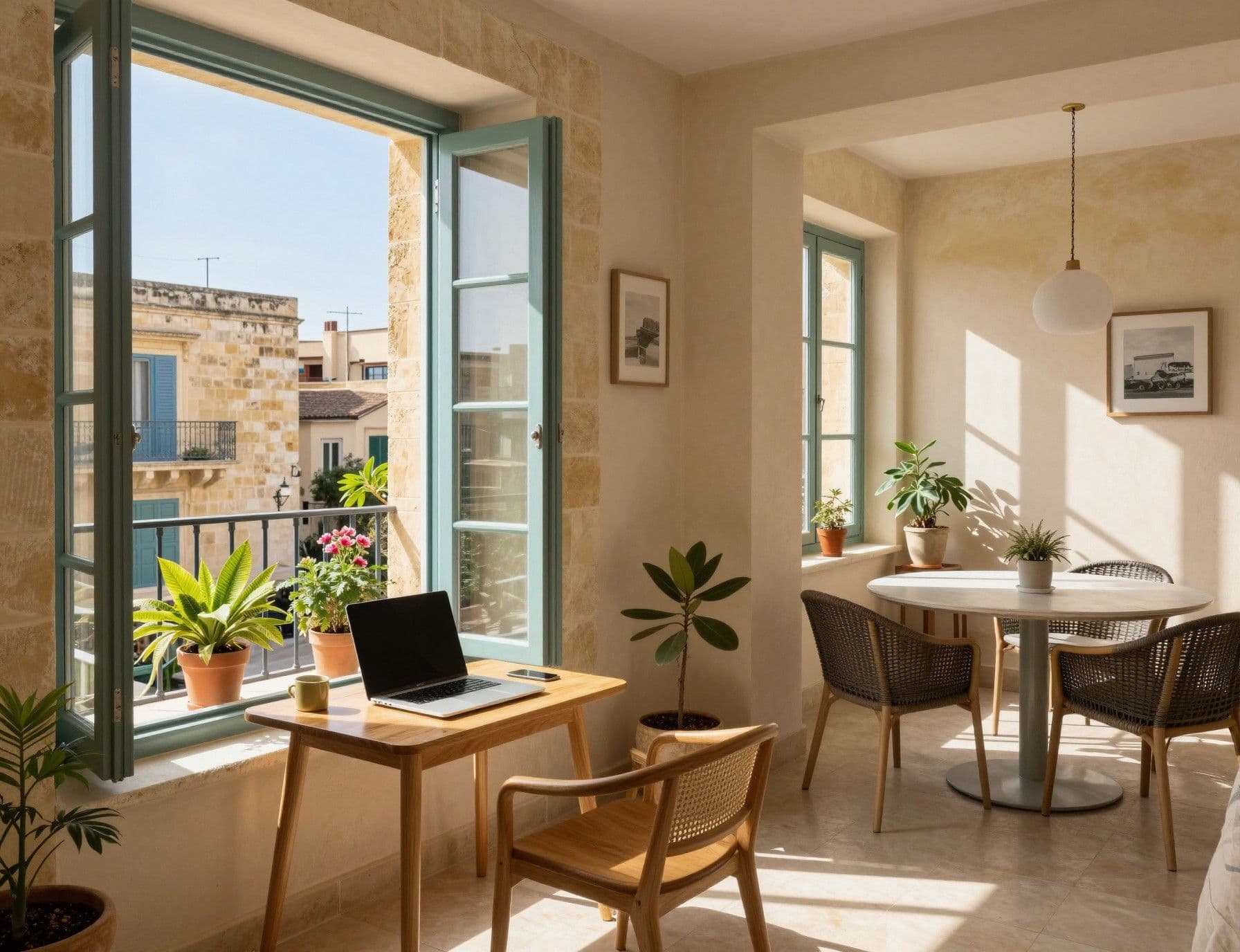
Dreams meet contracts here. Malta’s market has shown steady price growth in recent years, with transaction values and luxury segments particularly active. That growth means location choice materially changes purchase price and rental yield potential. Work with agents who understand micro-neighbourhood trends—street-level differences can be as big as moving between towns in larger countries.
Property styles: maisonettes, conversions, and new builds
You’ll see old townhouses and modern blocks side-by-side. Maisonettes and houses of character offer high ceilings and private roof terraces but need maintenance and sometimes tricky wiring for modern work needs. Newer apartments give better plug-and-play internet and predictable layouts. Think about where you’ll work: a narrow Valletta flat is romantic, but an open-plan Sliema apartment may be better for a dedicated home office.
How agencies can match lifestyle to logistics
A good local agency does more than show flats. They’ll warn you about summer noise on specific streets, confirm fibre availability, and show proof-of-concept coworking proximity. Ask them for walk-time comparisons to cafés and coworking, sample broadband speed tests, and recent comparable deeds of sale for the exact street. That homework reduces surprise—and helps you negotiate from informed ground.
- Lifestyle + practical checklist before you bid: • Test broadband speed at different times of day on the exact balcony or living room you’ll use as a workspace • Confirm deed history and whether the unit is freehold or has shared ownership clauses • Visit evening and weekend to sense tourism and nightlife impact • Ask the agent for recent final-deed prices on the same street (not advertised asking prices) • Check proximity to a coworking hub or reliable café with plug sockets
Insider Knowledge: What Expats Wish They'd Known
Many expats arrive enchanted—then learn the small realities that change everyday life. Sun is plentiful, but some north-facing historic rooms stay cool and dark. Parking is rare and deliveries can be logistically awkward in Valletta’s alleys. And while English is an official language (huge plus), local social circles form around neighbourhood cafés and clubs—showing up matters more than fluency.
Cultural integration, language & communities
Start with the obvious: speak English, but learn Maltese pleasantries and the names of local dishes—people notice. Join local Facebook groups, coworking events in Valletta or St Julian’s, and weekend hiking meetups to make friends beyond the tourist circuit. Neighbourhood routines—weekly market runs in Marsaxlokk, Sunday swims at St Peter’s Pool—are where you become local.
Longer-term lifestyle & investment signals
If you plan to stay long-term, watch planning permits and development along coastlines—new builds can change the character of a stretch in a few years. Recent reports show increased transaction volumes and stronger growth in the luxury segment, which can compress yields but also suggests continued buyer interest. Match your timeline to market momentum: short-stay rentals can be lucrative but come with seasonality and regulatory attention.
- Quick red flags locals warn about: • Promises of guaranteed rental yields—ask for evidence of sustained occupancy • Units listed as “ready to move in” without certificate of finality or clear deed status • Areas with lots of short-lets where neighbours complain about turnover and noise • Contracts that don’t clarify responsibility for communal maintenance
Conclusion: Live the Life, Then Lock the Location Picture your week in Malta before you sign: where you’ll sip coffee, which walk will clear your head between calls, and whether Saturday mornings mean a market trip or a coastal hike. Use local agents as lifestyle translators—ask them not just for prices, but for broadband logs, evening sound checks, and copies of recent deeds. With small island trade-offs and strong demand, the right street matters more than the right listing. When you’re ready, start with a short-stay in your chosen neighbourhood, test the routines, and then buy the life you want.
Norwegian who has helped 200+ families relocate from Oslo to Spain; expert in relocation services and community integration.