Offer Strategy for France: Buy the Neighbourhood, Not Just a Home
Fall in love with France’s daily rhythms — then use INSEE and notarial data, neighbourhood checks and a savvy local agent to craft offers that close.
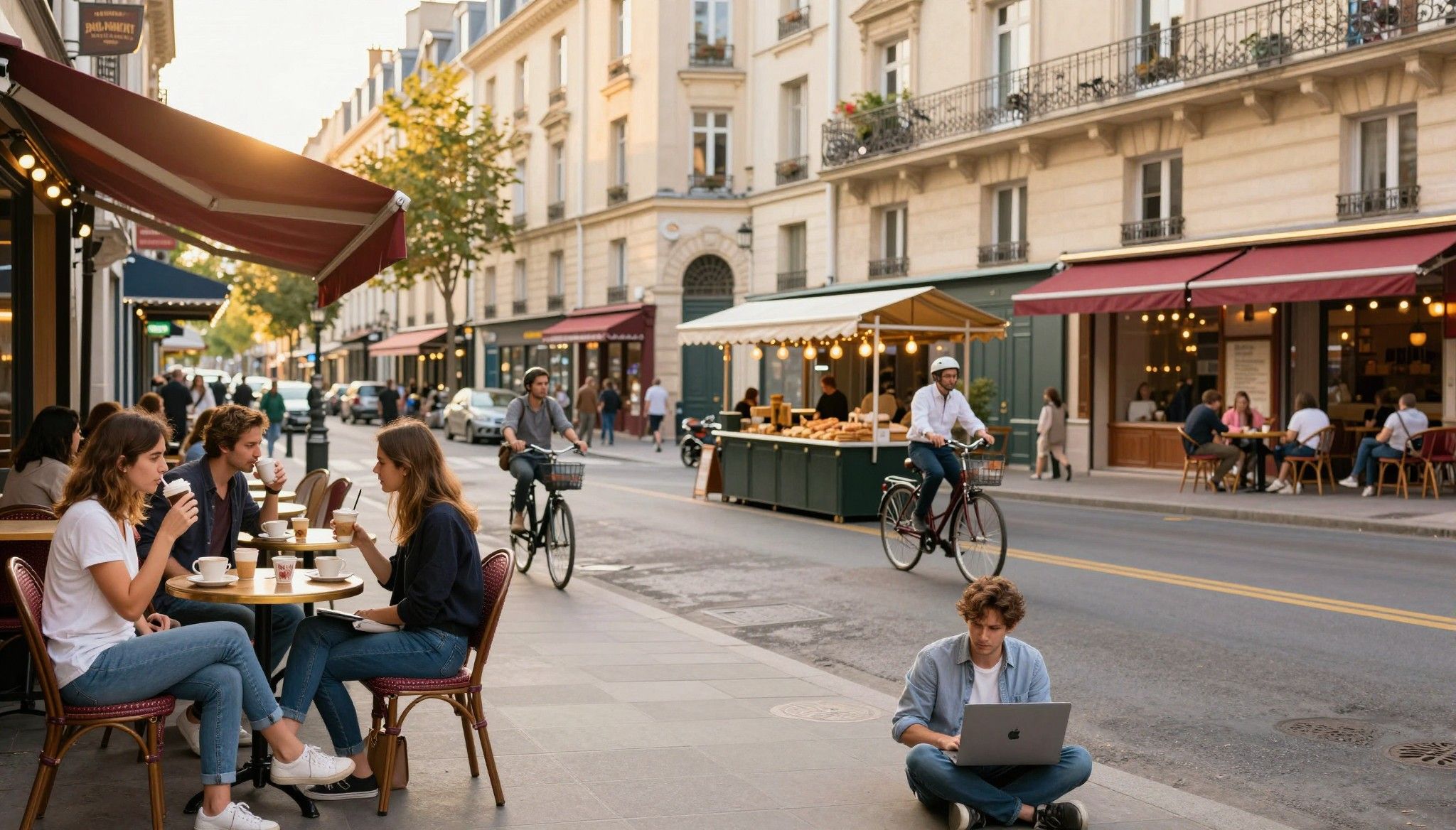
Imagine sipping espresso at Café de Flore, then wandering through a marché where the stallholders already know your name. In France, everyday life is a curated mix of slow mornings, lively markets, and neighbourhood rituals. That rhythm shapes how and where you buy: the terrace matters as much as the title deed, and the right street can change your whole life.
Living the French rhythm — more than a postcard
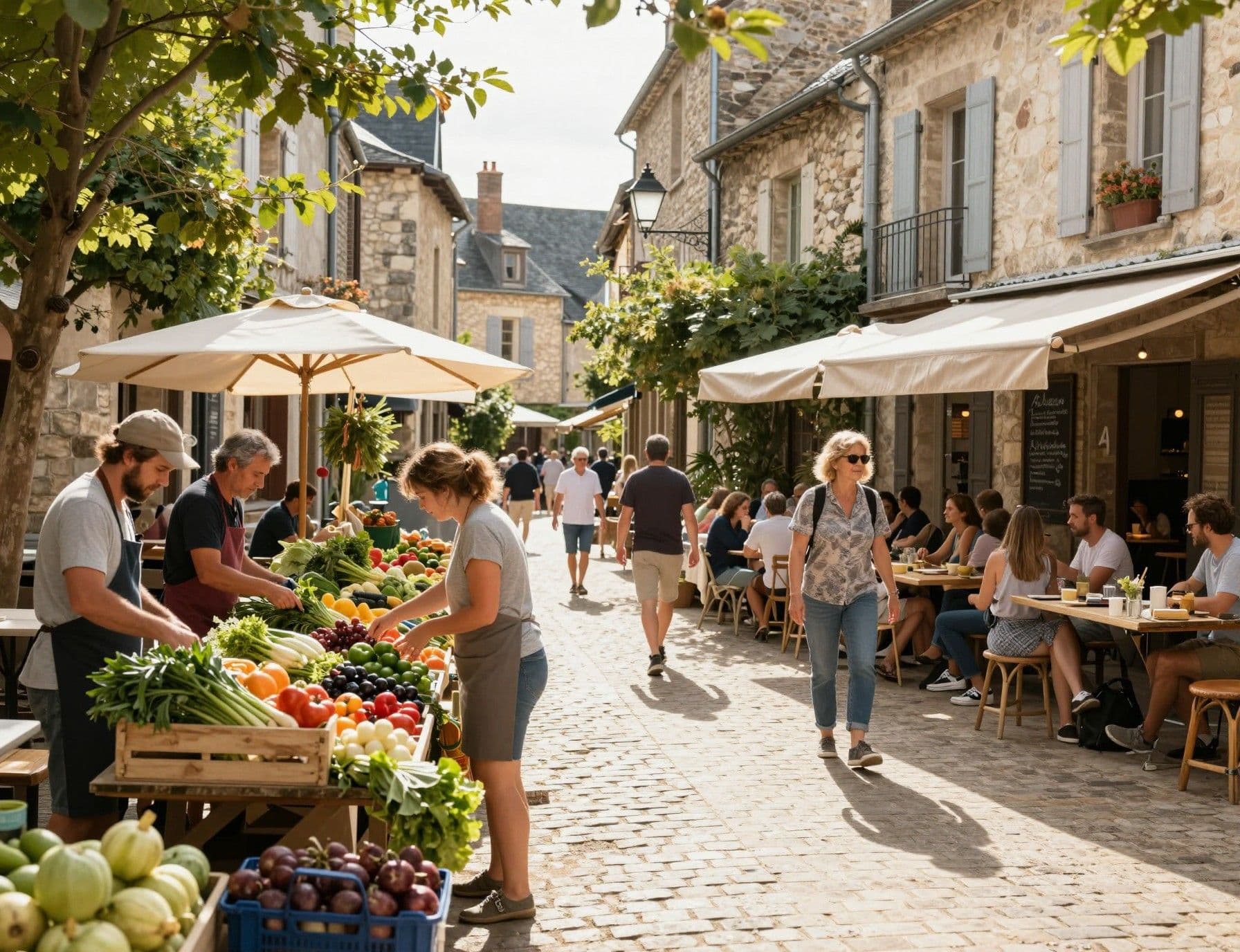
France is simultaneously village-slow and cosmopolitan-fast. In Paris you’ll trade cobbled lanes and boulangeries for late‑night galleries and efficient Metro commutes. On the Côte d’Azur, mornings mean markets and afternoons mean beaches; in Bordeaux, the calendar orbits around food, wine and Saturday marchés. Buying here is a lifestyle decision as much as a financial one — you’re buying a daily tempo.
Neighbourhood spotlight: Le Marais, Biarritz, and the Luberon lanes
Le Marais hums with cafés, indie boutiques and gay-friendly nightlife; Biarritz blends surf culture with elegant promenades; the Luberon is all stone houses, lavender markets and slow dinners. Each neighbourhood tells you how you’ll spend weekends, where you’ll grab coffee, and whether you’ll need a car. Match that to the property: small Parisian flats suit those who want culture on foot; village stone houses suit gardeners and weekend cooks.
Food, markets and the calendar of life
Markets aren’t tourism props; they’re weekly rituals. Saturday markets in Lyon or Aix set the social map — you’ll meet neighbours, try new cheeses, and learn local suppliers. Festivals (Fête de la Musique, harvest fêtes) change how neighbourhoods feel — and can expose you to areas with strong community life, which matters when assessing long‑term liveability.
- Lifestyle highlights to watch when choosing a neighbourhood:
- Weekly market presence (which day? how busy?)
- Cafe life and daytime foot traffic (good signs for safety and community)
- Nearby green space and walking routes (important for urban flats)
Making the move: practical steps that keep the dream intact
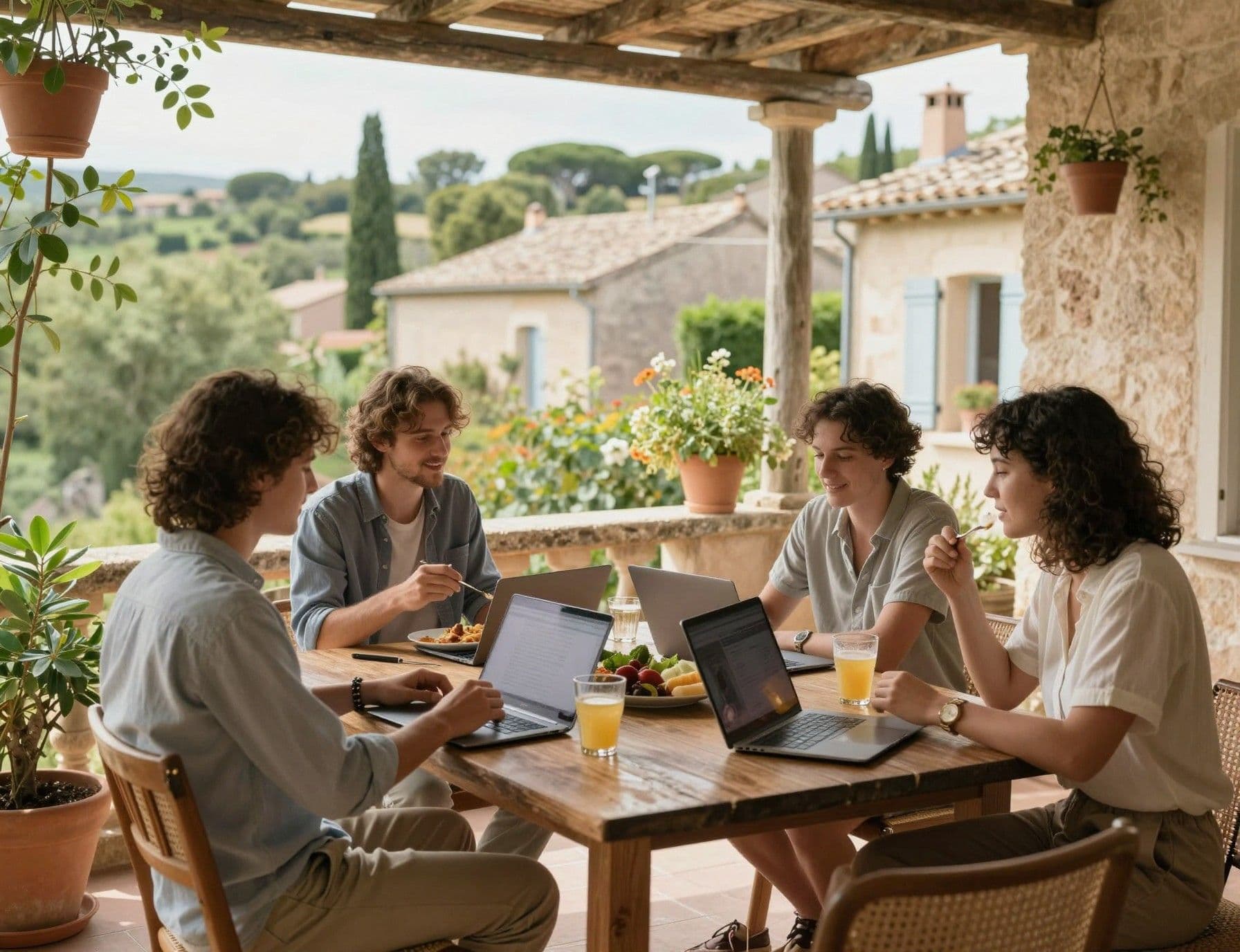
Markets in 2024–2026 showed a fragile recovery: prices in many regions ticked up after a pause, according to INSEE and the notaires. That means negotiations still matter — sellers may be receptive but good local intel wins deals. Work with data (price per m² trends) and with people (local notaires, agents, and past buyers) before you flash an offer.
Property styles—and what they mean for day-to-day life
A 17th‑century stone cottage in Dordogne gives you thick walls and romance, but also renovation headaches; a Haussmann flat in Paris offers light, central life and higher charges; a Provençal villa gives indoor‑outdoor living but may need seasonal maintenance. Think less about square metres and more about how a place will fit your daily routine: workspace options, internet, storage for sports gear, and outdoor flow.
Work with experts who get the lifestyle
You’ll need a notaire for closing formalities, but the agency you pick is the one who finds the street where you’ll belong. Seek agents who know local cafés, coworking spots and broadband speeds — ask which arrondissement or village hosts the best daytime scene for remote work. These are lifestyle filters that good local agents use when matching buyers.
- How to structure offers that respect French process and local life:
- 1) Start with a clear budget and a 48–72 hour local viewing blitz to feel the rhythm of streets in person.
- 2) Make a respectful, data‑backed offer referencing recent comparable sales and your preferred closing timeline.
- 3) Use suspensive clauses wisely (loan approval, clear diagnostics) and respect the 10‑day buyer retraction window after signing the compromis. (See Service‑Public guidance.)
Insider knowledge: little truths locals won't always tell you
Here’s real talk from expats and long‑term nomads: the perfect street can be noisy on market day, the best café may close for August, and broadband varies block by block. These small frictions shape satisfaction more than headline prices. Use local visits and agent‑led neighbourhood tours to uncover the daily reality.
Cultural cues that affect offers and closings
Sellers expect a certain etiquette: calm, clear offers with justification. Overly aggressive lowballs can offend and stall. Also, French sales often flow through a notaire — legal certainty is prized. Factor in who’ll sign the acte authentique and whether the seller prefers a quick or leisurely closing window.
Long‑term lifestyle checks before you sign
Check mobile and fibre coverage for your exact address, visit at different times and days, and speak to neighbours. Ask the agent about typical seasonality (tourist peaks, August shutdowns). These seemingly small checks stop dreamy purchases from becoming frustrating realities.
- Red flags to pull a pause on:
- No diagnostics provided (asbestos, lead, termite reports missing)
- Seller resists reasonable questions about neighbours or building charges
- Spotty broadband on provider maps for your exact building
Conclusion: live the life you buy — then close with confidence. Fall in love with the café corner, the Saturday market, the afternoon light on the balcony. Then use data and local experts — INSEE price indices, notarial reviews and Service‑Public rules — to shape a respectful, practical offer. If you want an agent who scouts neighbourhood vibes and negotiates with cultural fluency, that’s the person who makes the lifestyle you imagined a daily reality.
Norwegian who has helped 200+ families relocate from Oslo to Spain; expert in relocation services and community integration.