Malta: Neighbourhoods That Match Visa Paths
Malta’s charm hides market tightness and visa nuances—fall for its lifestyle, then line up residency, internet and title checks before you buy.
Imagine sipping an espresso on a Valletta side-street at 8 a.m., then taking a 20-minute walk to a sunlit co-working loft overlooking Marsamxett Harbour. The rhythm of Malta is compact and intoxicating: centuries of baroque facades squeezed next to buzzy cafés, sea breezes that reach inner-city terraces, and neighbourhoods that swap between sleepy and electric in a single alley. For nomads and remote workers, Malta promises short commutes, English as an official language, and visa routes that can align with property goals. But the small size hides big trade-offs—supply crunches, micro-market quirks, and residency rules that reward local knowledge.
Living the Malta life: compact, coastal, convivial
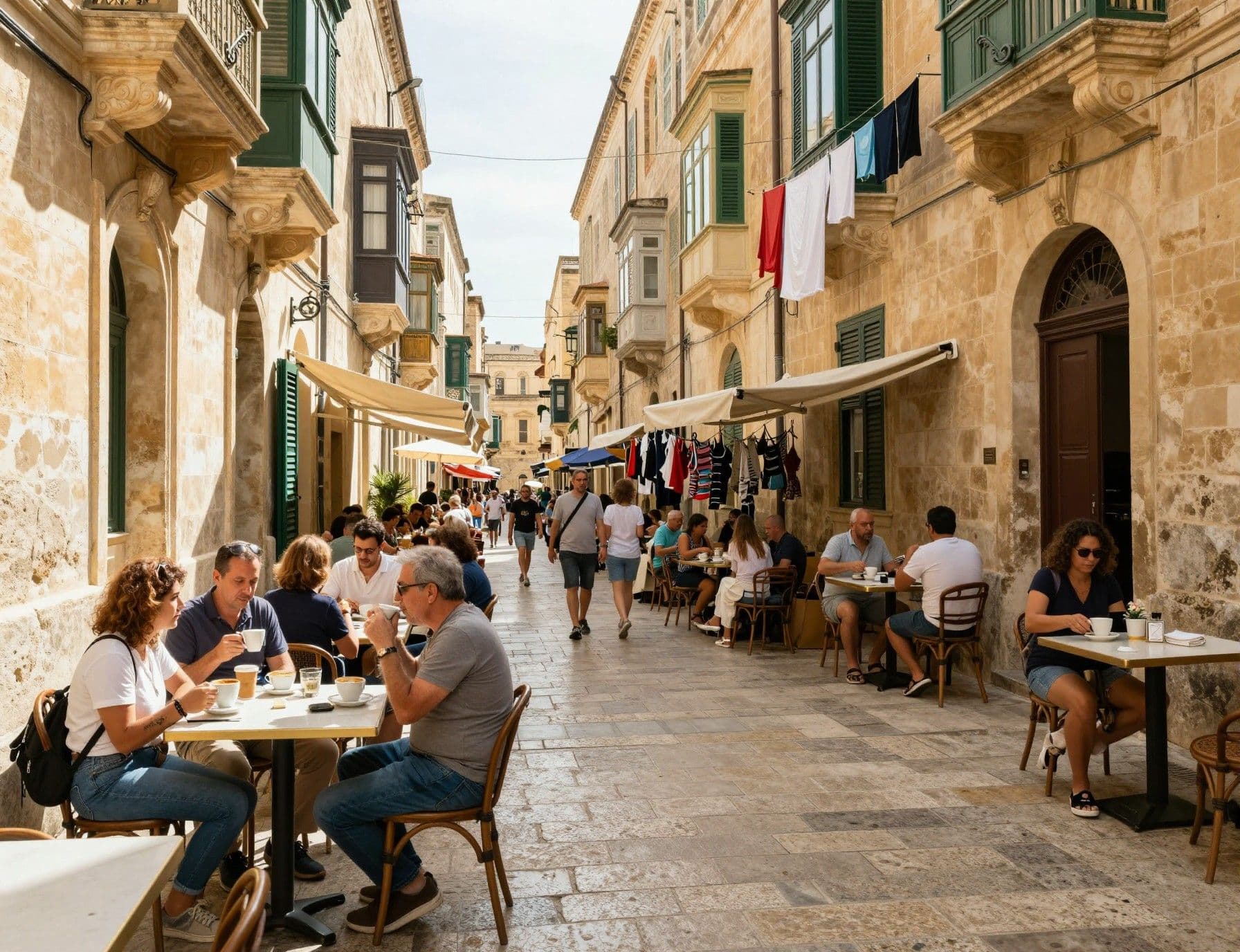
Malta feels like a handful of Mediterranean towns stitched together. Morning markets in Marsaxlokk, rooftop terraces in Sliema, quiet lanes in Mdina, and late-night bars in St Julian’s create different daily rhythms within a 25‑minute drive. You’ll walk more than you think and eat later: long lunches, late coffees, and aperitifs at sunset shape how homes get used—terraces, shutters, and compact living rooms matter more than grand square footage. For property hunters, the lifestyle fit is as important as square metres; a tiny maisonette on a lively street can offer more social life than a larger flat in a sleepy suburb.
Neighbourhood spotlight — Valletta, Sliema, and Gzira
Valletta is theatre and convenience: cobbled streets, neighbourhood cafés, and cultural venues like Teatru Manoel. Living here means rooftop breakfasts, evening passeggiatas along the bastions, and instant access to galleries and fine dining. Properties tend to be historic—vaulted ceilings, narrow staircases, and huge renovation upside—so budgets should include restoration and temperature control for humid summers. If you prize walkability and daily cultural life, Valletta gives you that in spades; if you need large indoor workspaces, look for conversions with modernised lofts.
Coastlife — Sliema, Gzira and the sea‑view split
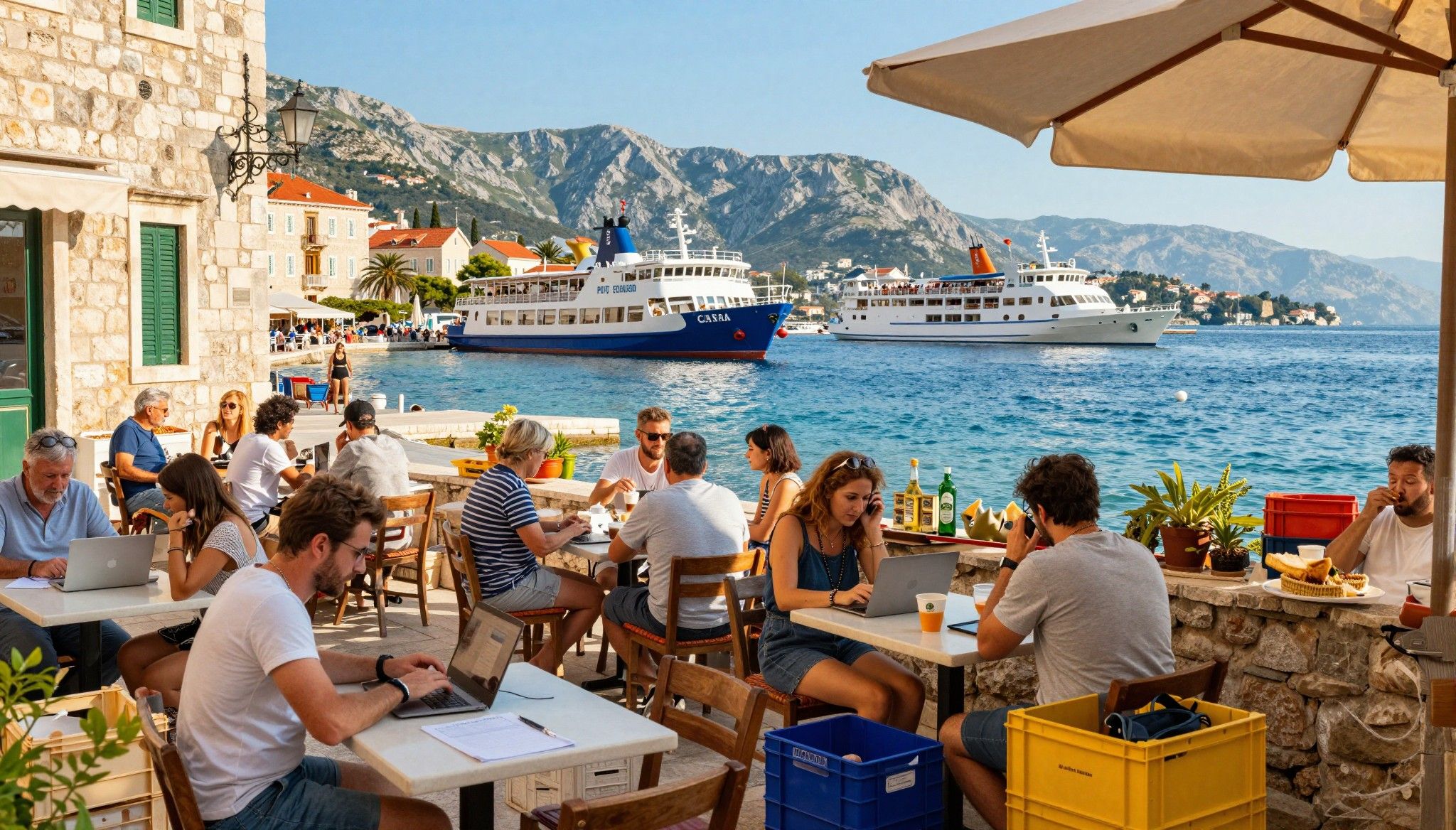
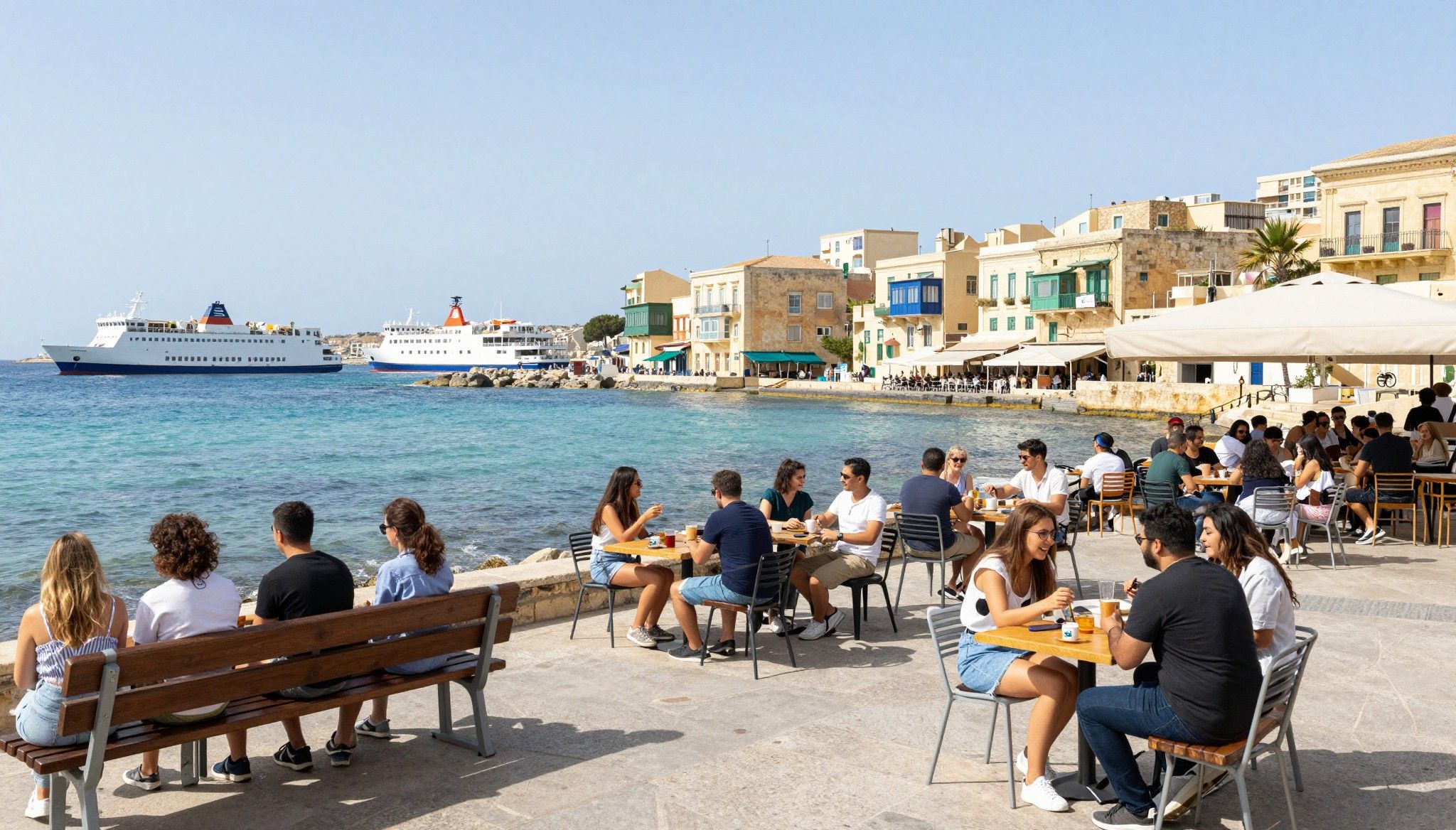
Sliema and Gzira are the nomad hubs: cafés with power sockets, ferries, and short walks to coworking spaces. The promenade is a daily backdrop for runners and remote workers who take phone calls against the sea. Apartments here range from modern high-rises with lifts to classic Maltese flats with enclosed balconies; connection speeds are generally good, but check unit-level wiring and fibre availability before you commit. For social life, evening dining and international meetups are easiest along the coast.
- Lifestyle highlights you’ll actually use
- Morning pastries on Triq Villegaignon (Valletta) and espresso culture that lasts all day.
- Weekend seafood lunches in Marsaxlokk and sunset swims at St Peter’s Pool.
- Co-working and meetups in St Julian’s and Sliema that make integrating fast and social.
Making the move: lifestyle-first practicalities
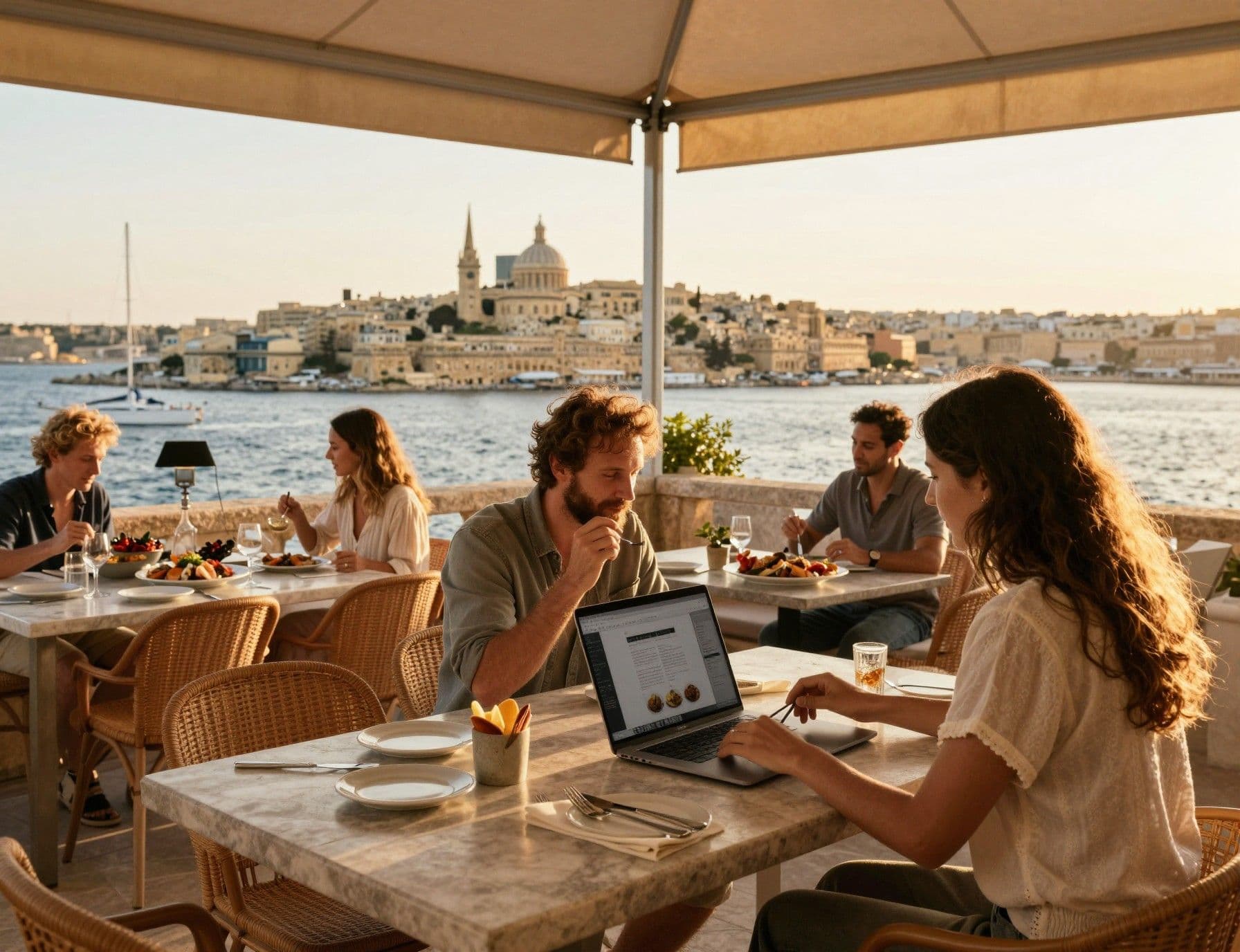
Dreams meet paperwork quickly in Malta. The island’s property market has tightened—National Statistics Office data shows notable annual price rises—so timing, neighbourhood choice, and residency strategy should be planned together. Residency pathways (from temporary nomad permits to longer-term programmes) change who can buy what and where, so pair your property hunt with visa-smart advice. Treat agencies as lifestyle curators who know which streets deliver morning light, reliable internet, and easy commute-to-coffee habits.
Visa and residency snapshot — what matters for buyers
Malta offers multiple routes: short-stay Schengen access for many nationalities, specific residence permits for remote workers, and specialised residence programmes administered by government agencies. The exact programme affects tax status, property eligibility, and minimum stay rules. Before you bid, confirm which permit you qualify for and whether the property type is acceptable under that scheme—some programmes have restrictions on locations or property features.
Property styles and how they fit remote life
In Malta you’ll choose between historic townhouses, contemporary apartments, and new-build blocks. Historic units win on character and centrality but often need rewiring and air-conditioning upgrades—critical for reliable video calls and comfort. Newer builds offer better insulation and dedicated work nooks but can be priced at a premium near the coast. Prioritise fibre availability, a quiet corner for calls, and outdoor space for midday breaks; those features determine daily satisfaction more than extra bedrooms.
- Steps to marry lifestyle with legal reality
- 1. Check your residence path and property eligibility—link legal status to the districts you’re looking at.
- 2. Test internet at different times of day in the unit (upload speed matters for remote work).
- 3. Ask agents about roof-ownership, common-area fees, and renovation permissions—Malta’s older stock has quirks.
Insider knowledge: expat truths and local quirks
Real expats learn three things fast: space is at a premium, community beats square metres, and seasons reshape the island. High tourist months turn quiet lanes into bustling streets and inflate short‑let competition; winter gives you true local life, lower noise, and better bargaining power. Market reports show steady transaction growth and rising values, so move with both patience and preparedness—have your finances, residency documents, and local agent lined up before you make a full offer.
Cultural fit: language, rules, and neighbours
English is widely spoken, which makes everyday life easier for many buyers. Still, local customs—late dining, strong neighbourhood ties, and layered family life—shape community expectations. Introduce yourself to neighbours, learn a few Maltese phrases, and you’ll get quicker help with deliveries, maintenance, and local tradespeople. Agencies that come with community introductions or expat networks deliver outsized value because they smooth social onboarding as much as paperwork.
Longer view: when a Malta life matures
Five years in, most arrivals trade novelty for routine: they join clubs, buy local produce weekly, and choose medical and financial providers who know expats. Property choices shift too—from the excitement of central flats to more considered picks: energy performance, insulation, and long-term maintenance budgets. If you plan to stay, factor renovation costs and roof ownership into your investment case—these are the invisible items that shape happiness and resale prospects.
- Red flags and quick checks before you sign
- Unclear roof/airspace ownership—ask for title docs and past permits.
- No fibre or weak upload speeds—test with a speed app at peak hours.
- Promises of future planning permissions—get written proof and check local authority filings.
- Short‑let saturation in tourist pockets—inspect occupancy patterns if you want quiet living.
Conclusion: live-first decisions, paperwork-second moves
Fall in love with Malta first—its lanes, coffee, and sea—but marry that love to a plan. Pair neighbourhood visits with residency checks, test internet in the actual flat, and use local agencies who know where lifestyle and legal reality overlap. If you want the nomad life with stability, prioritise terrace space, upload speeds, and a neighbourhood that has year-round life, not just summer sparkle. When you’re ready, local agencies can help translate that vision into the right property and the right permit—so you can stop dreaming and start living.
Swedish, relocated to Marbella in 2018 to chase sun and property freedom. Focus on legal navigation and tax for Nordic buyers.