Greece: Neighborhood Vibe, Seasonal Truths & Buyer's Steps
How to match Greece’s sunlit lifestyle with real estate realities: neighborhood vibes, seasonal tradeoffs, market data and local professionals to trust.
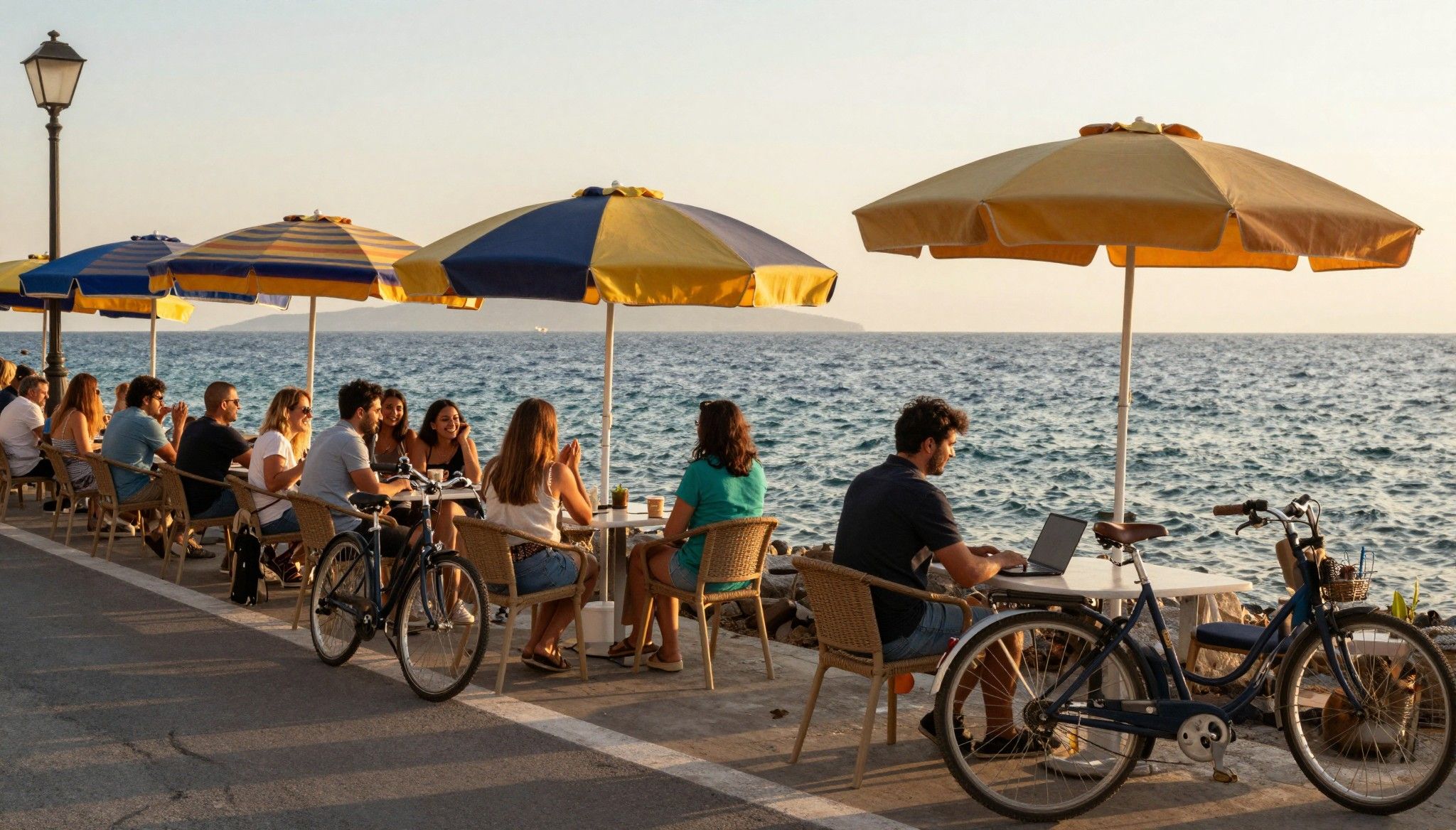
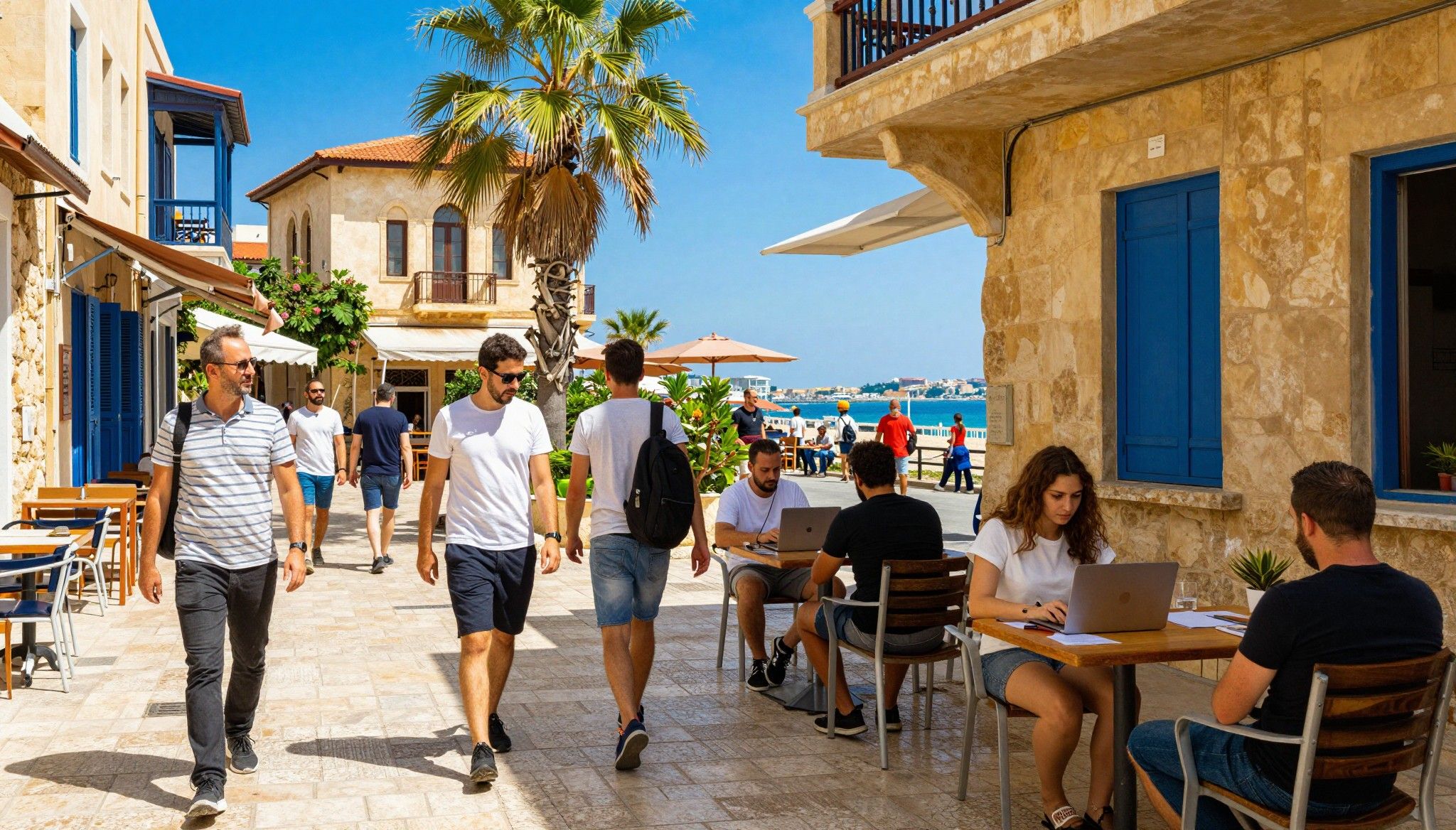
Imagine waking to an espresso steam drifting from a tiny kafeneio on a sunlit Athenian side street, then walking five minutes to a coworking space with fiber internet and a sea view. That easy, bright rhythm — work, market, beach, late-night taverna — is real life in Greece for many international nomads. But the story buyers tell themselves (island romance, cheap bargains) often misses the practical tradeoffs that shape where you actually thrive.
Living the Greece lifestyle: daily rhythms and neighborhood character
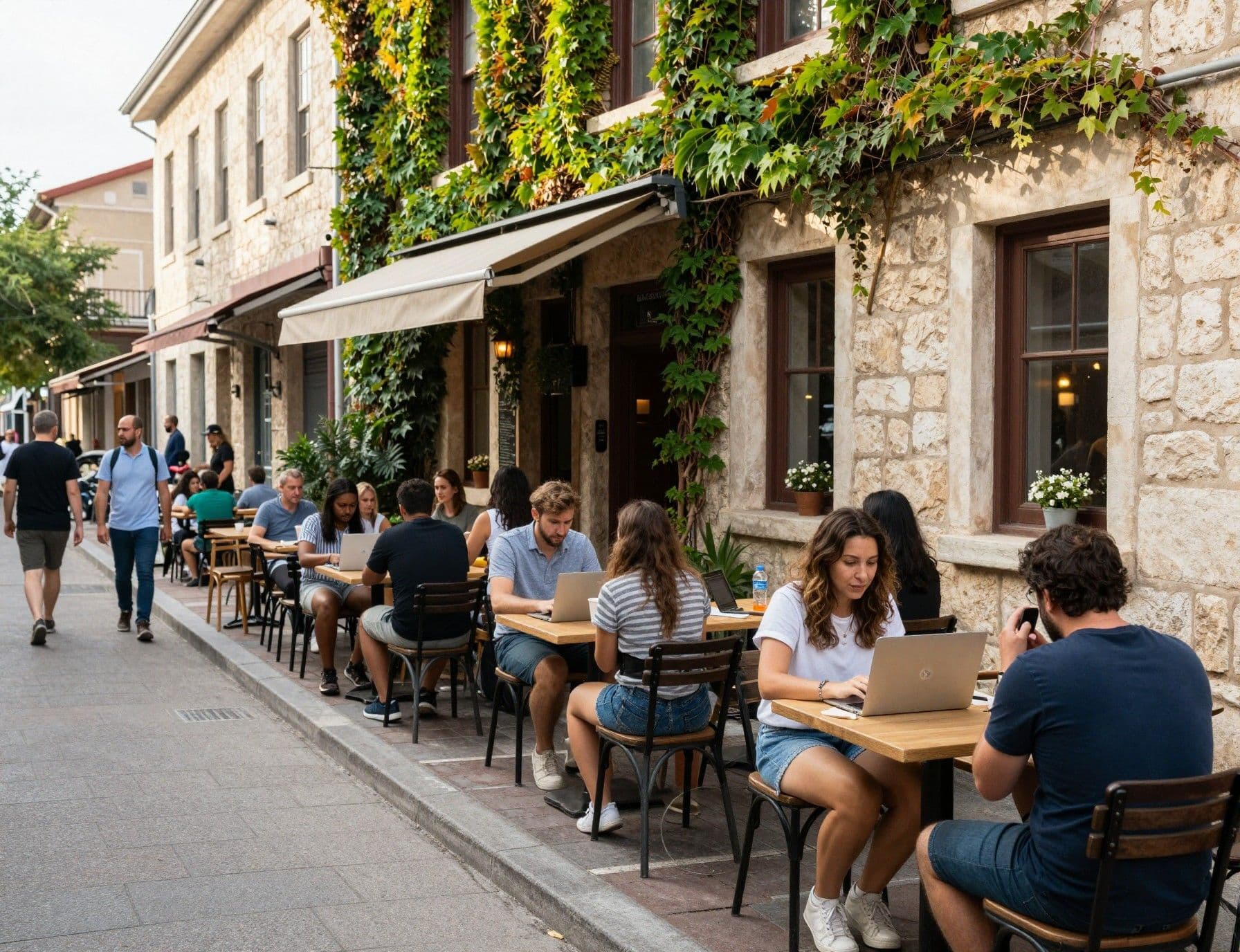
Greece is a collage of lives: Athens’ narrow streets and late cafés; Thessaloniki’s food-focused neighborhoods; seaside communities where locals sunbathe and kids still play on the sand. Seasonality shapes everything — empty islands in winter, electric summers — and this rhythm changes how neighborhoods feel, how rentals perform, and even where you want your home office to face.
Athens pockets: Koukaki, Pangrati and the secret edges
Koukaki feels like a postcard: cobbled lanes, small galleries, rooftop bars facing the Acropolis. Pangrati hums with everyday Athenians — bakeries, playgrounds, quieter evenings — and is where you’ll find better long-term living value. Use neighborhood examples like these to match the vibe you want, not just the Instagram shot.
Coastal towns and island life: more than postcards
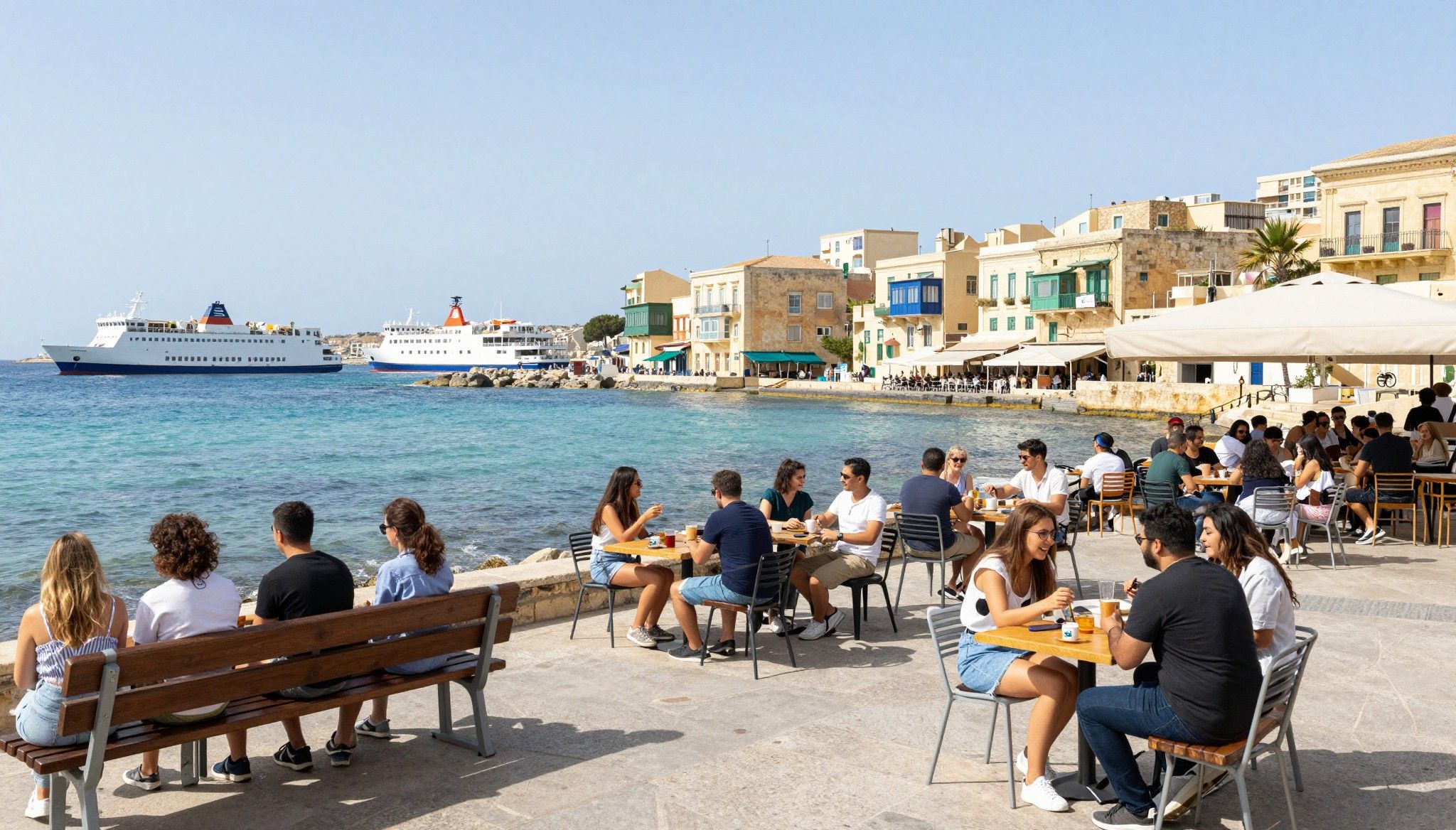
Glyfada and Vouliagmeni give you beach access, seaside cafes and a different commute: slow mornings and shorter workdays for many. On the islands — think Paros or Naxos rather than Mykonos if you want community — summers are busy and prices spike; winters are local and quiet. Pick a place that matches the rhythm you want, not the postcard.
- Lifestyle highlights to scout during a visit: Koukaki’s rooftop espresso; Pangrati’s Sunday market; Glyfada’s seaside walk and cafés; a local taverna in Naxos that serves sea urchin spaghetti; an afternoon at Stavros Niarchos Park in Athens.
Making the move: practical realities that shape good choices

The romance of Greek island life meets a market that has been on the move: apartment prices rose strongly into 2023–24, then cooled slightly in late 2024. That means prime tourist pockets can be costly, while genuine local neighborhoods still offer relative bargains. Use up-to-date price indexes and local agency knowledge to spot where demand is seasonal vs. structural.
Property styles and how they support your life
From restored neoclassical flats in Plaka to modern condos in Glyfada and stone farmhouses in Peloponnese villages, property type determines lifestyle: balconies and terraces extend living in summer; thick stone walls help in winter. For nomads, prioritize a fast, reliable internet connection, a comfortable workspace and water/heating performance over ostentatious sea views.
Working with local experts matters: estate agents who understand seasonal rental dynamics, lawyers familiar with recent Golden Visa adjustments, and property managers who can stock your place between stays. These local pros translate lifestyle aspirations into purchase terms, renovation rules and realistic rental projections.
- Steps to match lifestyle with purchase: 1) Shortlist neighborhoods after a 7–10 day scouting trip; 2) Test internet speed and quiet at the hour you work; 3) Ask agencies for year-round running costs, not summer averages; 4) Hire a local lawyer to check change-of-use and title; 5) Confirm property management options for off-months.
Insider knowledge: expat lessons, red flags and true costs
Expats often tell a similar story: they fell for a view, then discovered unreliable water pressure, noisy bars, or unlisted maintenance costs. Locals care about different things — proximity to the bakery, a quiet municipal park, or a stable neighbor. Listen to both perspectives to avoid buyer’s remorse.
Cultural integration and daily community life
Learn a few Greek phrases, join a local sports club or language exchange, and shop weekly at the neighborhood market — these are the fast tracks to feeling at home. For families, scout schools during term time. For solo nomads, prioritize neighborhoods with active coworking and meetup scenes where friendships form quickly.
Long-term lifestyle realism
Think beyond the first year: how will heating costs feel in January? Who will manage the property in August? Will your preferred neighborhood change as you age or if you have kids? Answering these questions now keeps lifestyle dreams aligned with long-term affordability.
- Red flags & must‑ask questions when viewing: recent structural surveys and certificates; proof of stable internet/fiber; actual year-round utility bills; clear communal charge breakdowns; change-of-use permissions for short-term rentals.
Greece gives you Mediterranean light, slow dinners, and neighborhoods where people still know each other by name. Pair that magic with up-to-date market insight (see Bank of Greece housing notes and local market summaries) and a small team of local pros — agent, lawyer, property manager — and you’ll turn vacation lust into a liveable, sustainable home.
British expat who moved from Manchester to Mallorca in 2017. Specializes in market analysis and helping fellow Brit navigate local regulations.