Italy: Match the Lifestyle to the Right Visa
Italy’s lifestyle is irresistible; match it to visa routes (Investor/Elective) and local market reality—use seasonal visits, fiber checks, and agencies who know nomads.
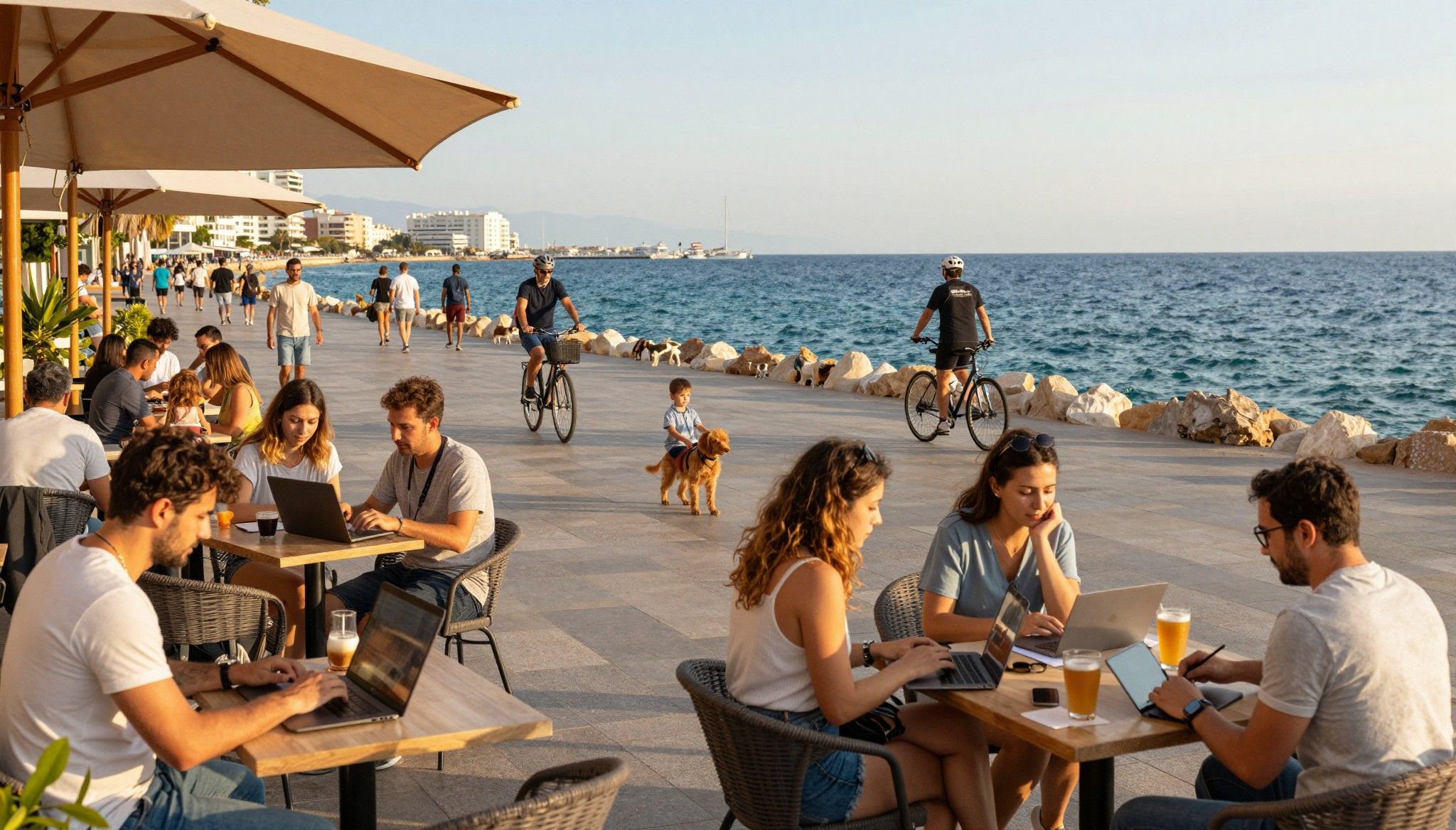
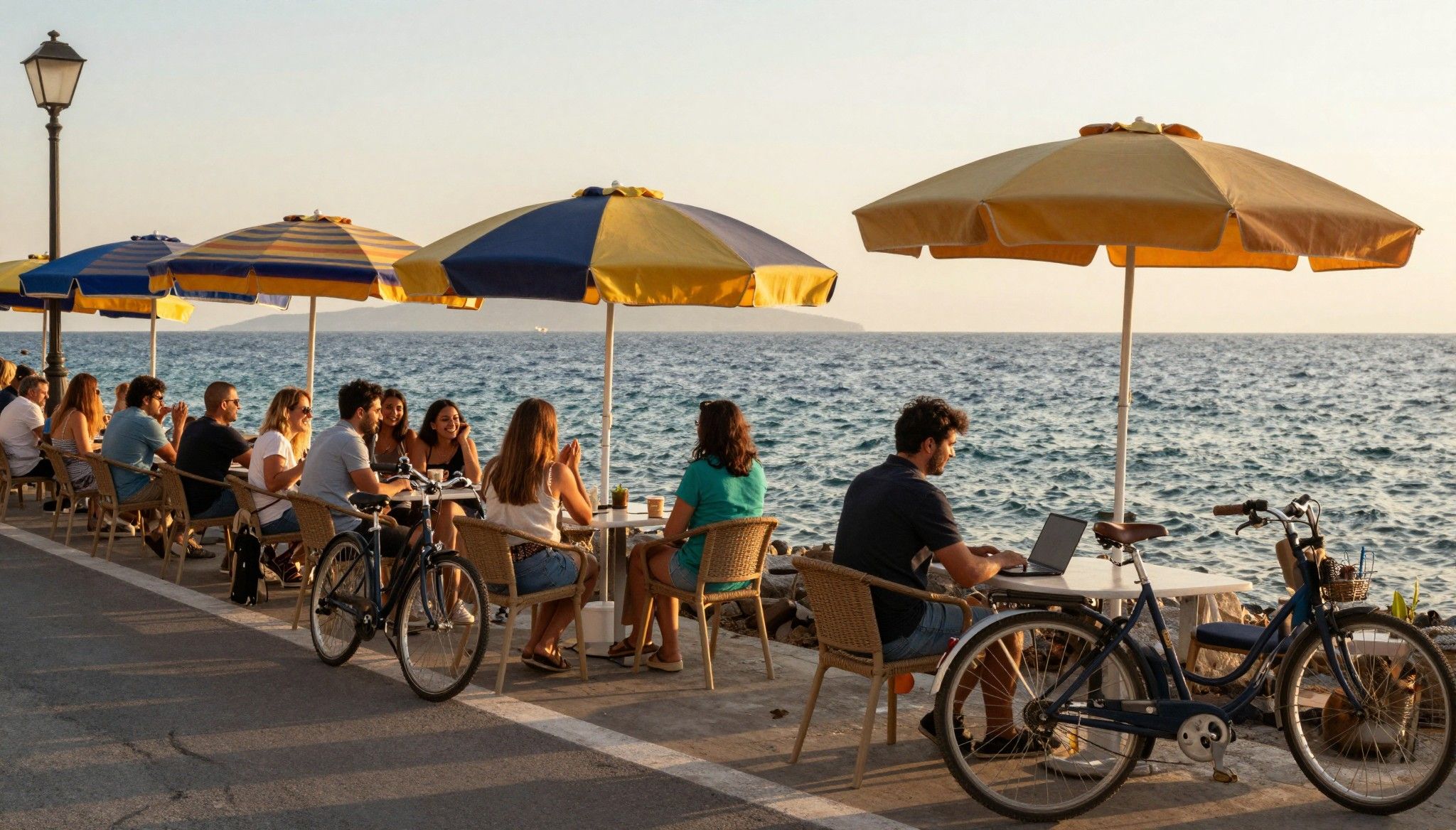
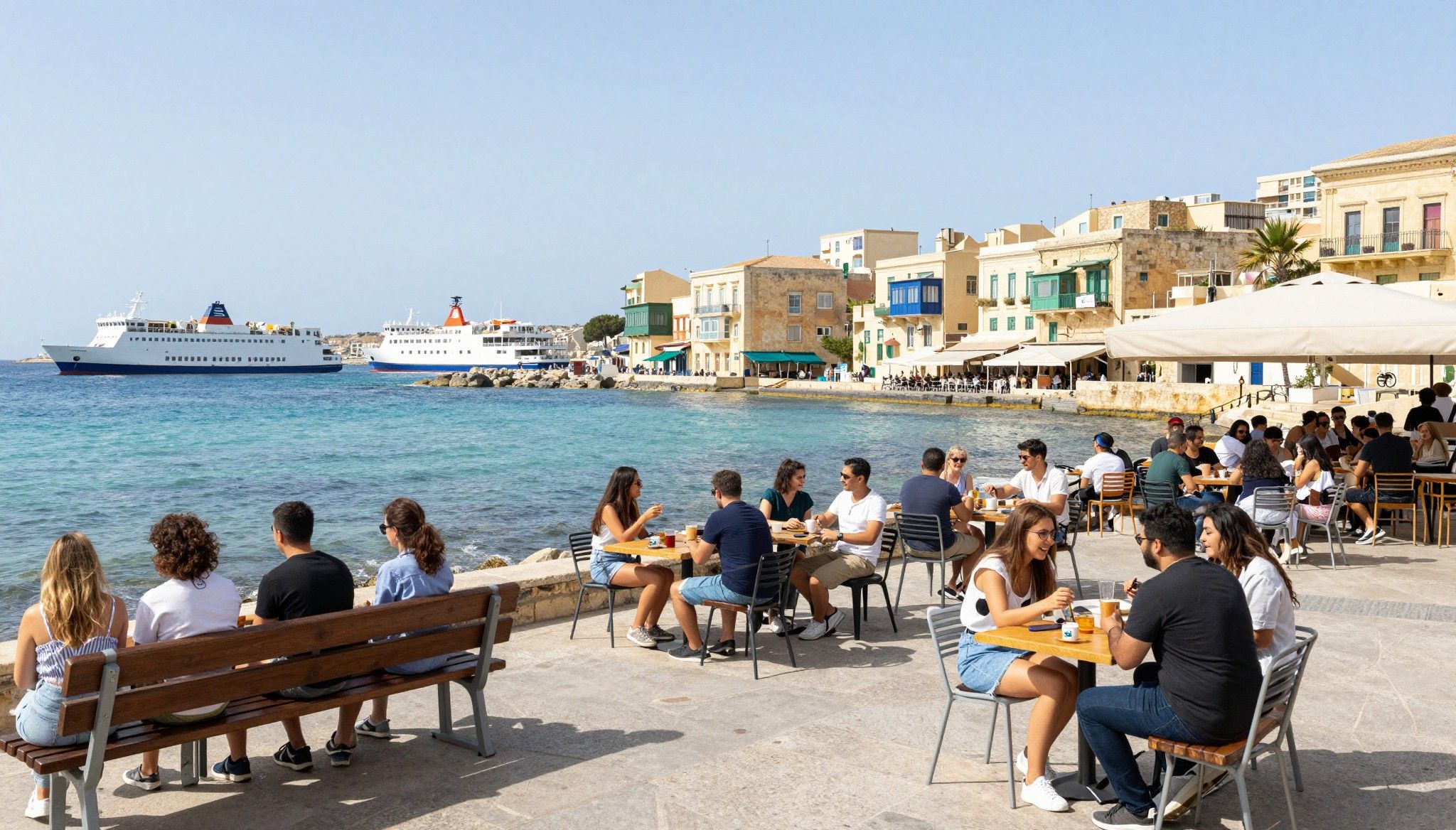
Imagine stepping out for morning espresso on Via dei Coronari in Rome, then closing a meeting from a sunlit coworking in Trastevere. Italy folds centuries of ritual into everyday life: markets on cobbled streets, aperitivo by the river, scooters filling alleyways with motion and sound. For remote workers and nomads, that rhythm—slow, yet wired—feels like permission to do deep work and sweeter breaks. But making this your home requires more than fantasy: visa choices, local agents who get nomad needs, and timing that matches seasonal life and the market.
Living the Italy lifestyle: why the details matter
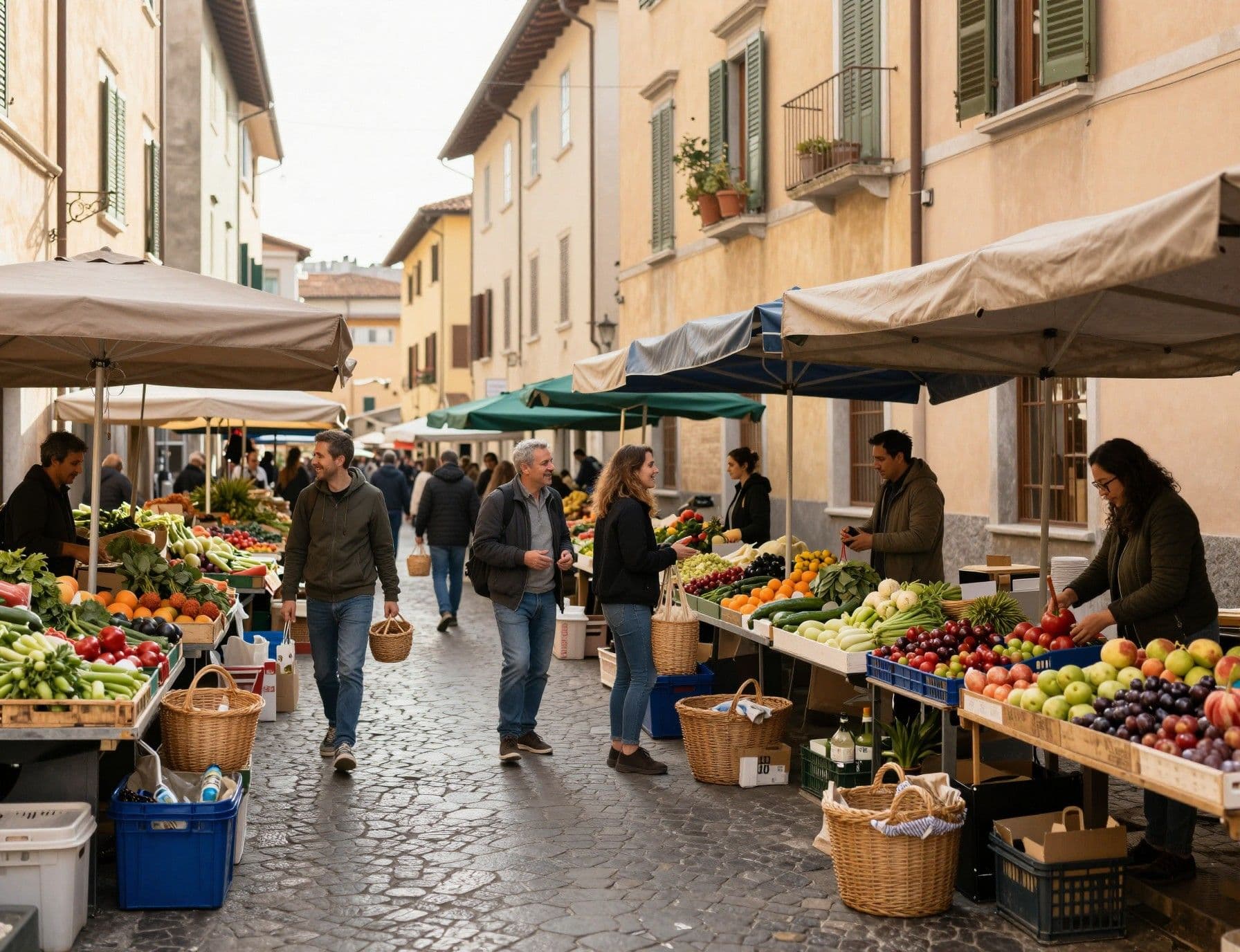
Italy isn’t one mood — it’s a dozen. From Palermo’s baroque mornings to the Ligurian coast’s pastel façades, daily life is driven by place. You’ll barter with fishmongers in Naples, sip slow espresso in Milan’s Navigli before a sprint of meetings, and find coworking in Bologna where students, coders, and restaurateurs collide. Seasonality shapes everything: summers lure tourists to Amalfi and Cinque Terre, winters empty seaside towns into quiet studio havens. Recent market notes show prices rising in many cities but with big regional differences, so lifestyle choices and micro-location are financial decisions too.
Roma & Centro Storico: living with layers of history
Picture afternoons on Piazza Navona, laundry lines over narrow lanes, and trattorie open late. Properties here are character-rich—exposed beams, worn terracotta, tiny balconies—with limited new supply. That charm comes with quirks: stairs, ancient plumbing, and lively tourism. For nomads who crave culture within walking distance, Centro Storico and Trastevere deliver a daily immersion. If you need quiet home offices, choose upper-floor apartments set back from the main piazzas or consider Prati for a calmer, well-connected base.
Northern hubs: Milan, Turin, Bologna — work-ready and wired
If you want cafés that double as offices and reliable gig infrastructure, the north is your friend. Milan’s coworking density and fast fiber, Bologna’s student-driven energy, and Turin’s growing tech scene mean great cafés, strong Wi‑Fi, and easy train links across Europe. Properties trend newer here—apartments with elevators, dedicated work nooks, and proximity to transit—so your daily routine leans professional but friendly.
- Lifestyle highlights to scout (actual places & experiences): - Mercato Centrale, Florence: late-morning market energy and easy lunches. - Pigneto (Rome): street art, relaxed cafés, and affordable renovated flats. - Navigli (Milan): canal-side networking over aperitivo. - San Vito Lo Capo (Sicily): turquoise beaches and slow summers for focused work. - Lucca’s walls: weekend runs and a quieter tempo near Tuscany’s villas.
Making the move: practical steps that keep the vibe intact

Want the life without losing sleep over permits? Start by matching visa routes to lifestyle goals. Italy’s Investor Visa and related programs are real options for those with capital; they grant long-term residence in exchange for defined investments. Other routes—employment, elective residency, family reunification—fit different lifestyles. A good local agency will map your visa timeline onto neighborhoods that match your work/life needs, not just price per square metre.
Property types and how they fit nomad life
Studio in an old palazzo gives you romance and walkability but expect trade-offs: thin walls, little storage, and ladders to lofts. Newer apartments or renovated turns offer better internet routing, dedicated workspaces, insulation, and elevators—valuable if you’re booking clients in different time zones. Villas in Puglia or Umbria deliver outdoor offices and garden light, but budget for heating upgrades and seasonal maintenance. Match property tech (fiber availability, backup power) to your workday first; everything else follows.
- Steps to pair lifestyle with buying (practical + lived): 1. Define work needs: required upload/download speeds, quiet hours, and desk space. 2. Visit in two seasons: July/August for summer crowd feel; January/February for real life. 3. Ask agents about fiber and co‑working within 10 minutes on foot. 4. Check local utility costs and condo fees—old buildings often hide big heating bills. 5. Negotiate a clause for remediation if diagnostics (APE) reveal energy inefficiency. 6. Use a bilingual notary and agency familiar with expat banking and tax timing.
Insider knowledge: what expats wish they’d known
Here’s the honest bit: Italians love local rules. A barista’s tip, a street-level conversation, or patience at the Comune will get you further than hustle alone. Expect bureaucracy to take time; plan buffer months for residency paperwork and utilities. Many expats say the best move was investing in community: learn basic Italian, join a neighborhood association, and volunteer at a market stall. Those small ties turn a house into a home faster than any renovation.
Cultural realities that change where you buy
Noise rules, shop opening rhythms, and garbage schedules matter. In many towns, rubbish collection days make inner streets lively with neighbors catching up; in tourist hotspots, peak-season rental rules and local ordinances can limit short‑term lets. If neighborhood calm is non‑negotiable, favour residential streets (via/contrada) over corso/main arteries and confirm local zoning with your agent.
- Long-term lifestyle factors to weigh: - Seasonal rental pressure in coastal towns can spike management needs. - Historic zones often restrict exterior changes—plan renovation limits early. - Heating systems: many apartments rely on centralized or old boilers—inspect APE energy certificates. - Community size: smaller towns offer instant social circles but fewer services; cities give more anonymity and conveniences.
If you love the lifestyle, act with data: national reports show modest price rises across many areas but with cooling pockets and strong demand in heritage cities. Work with an agency that can show recent sale comparables, explain energy diagnostics (APE), and outline visa‑timed purchase strategies—so your dream neighbourhood becomes a sustainable home and investment.
Ready to test the idea? Book two neighborhood visits in different seasons, find a local bilingual agent who understands remote work needs, and map visa options early (Investor Visa, elective residency, or work permit). With the right team, Italy hands you more than a house: it hands you a life full of markets, meals, and afternoons that feel made for slow focus. Start with a map, a coffee, and one concrete next step: contact an agent who’s sent nomads your way before.
Takeaway: Italy rewards patience and curiosity. If you trade glossy clichés for local detail—street names, market rhythms, and the sound of scooters—you’ll find neighbourhoods that fit your work and your heart. Use official visa portals and current market reports, plan for the seasons, and hire an agency that helps you build community as much as a portfolio.
British expat who moved from Manchester to Mallorca in 2017. Specializes in market analysis and helping fellow Brit navigate local regulations.