Croatia Budget Playbook: Live Like a Local, Plan Like a Pro
Live Croatia-style without the surprise bills: budget for lifestyle choices, 3% transfer tax, seasonal costs and local fees—plan with local experts.
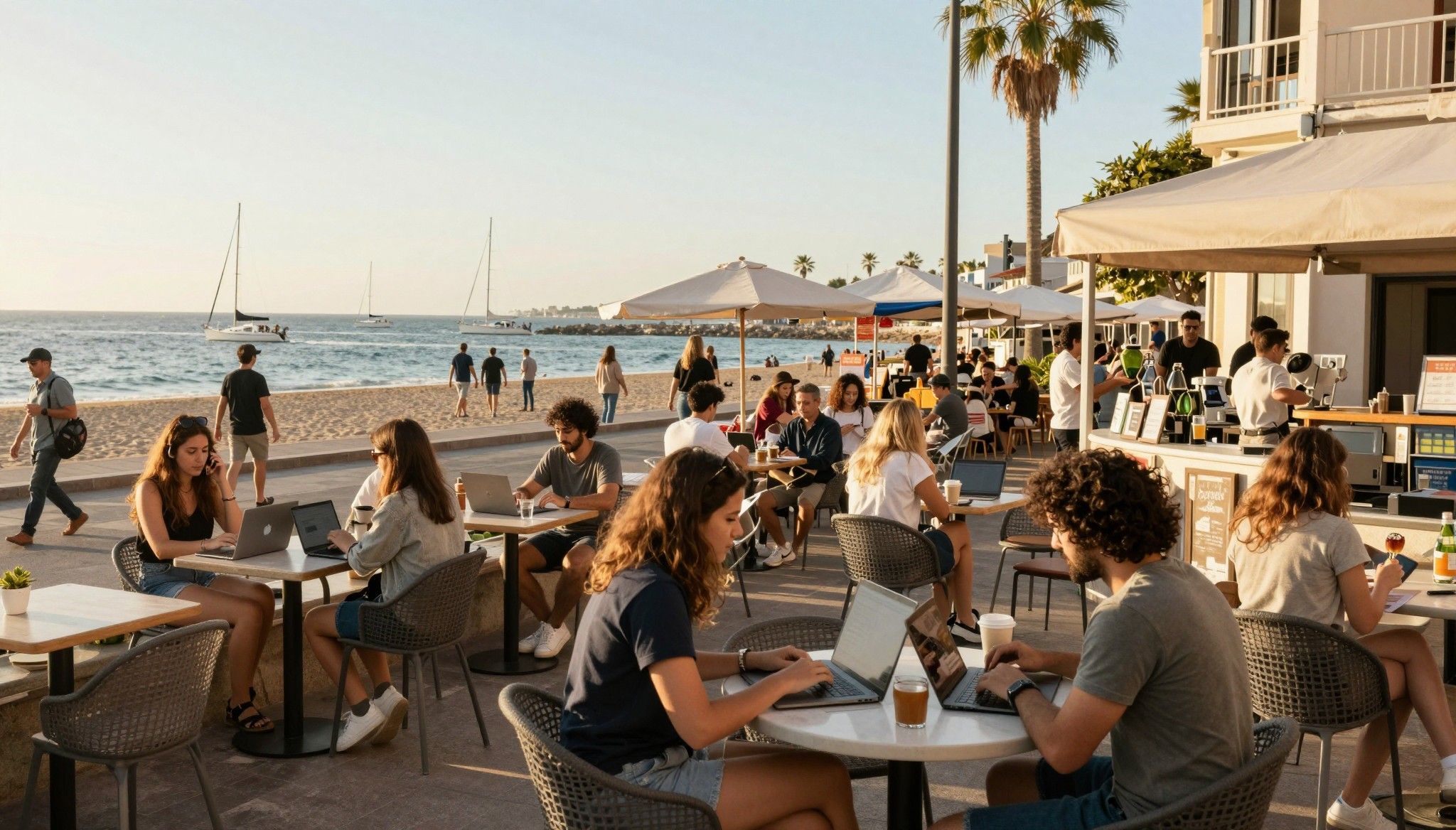
Imagine sipping espresso at Café U Dvora in Zagreb’s Tkalčićeva at 9 a.m., then taking a late-afternoon swim off Šolta — and doing all of it from a home that fits your real budget. This guide flips the usual “Croatia is only for the wealthy” script. We’ll paint the life, then map the real costs so you can plan—down to transfer tax, local fees and seasonal traps—without losing the romance.
Living the Croatia life: rhythms, places, textures
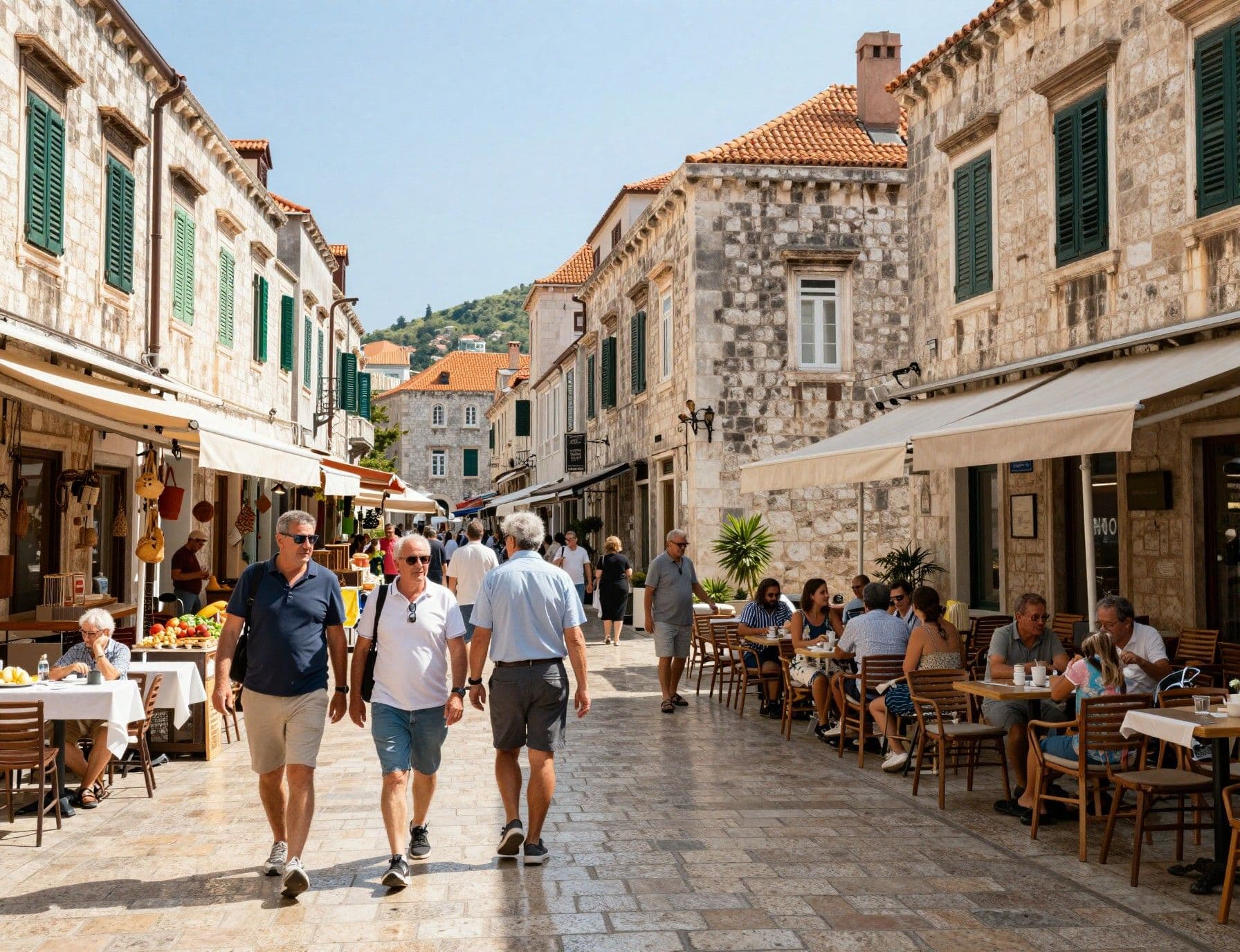
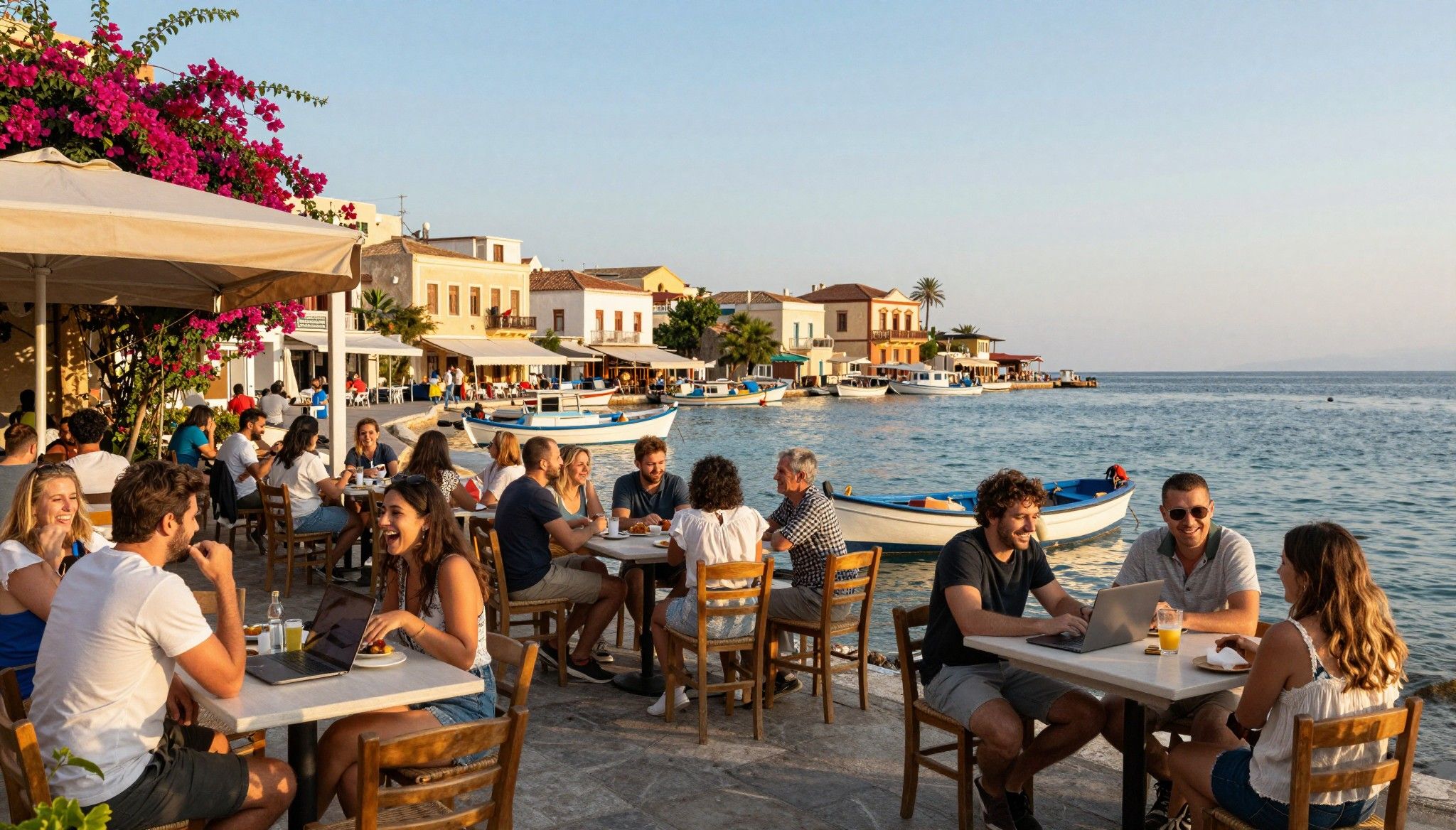
Croatia is both postcard and everyday life. Mornings in Zagreb mean bakeries steaming with burek and remote workers staking out café tables. Along the coast, summers hum with boat traffic and aperitivo hour stretches into starlit promenades. Winters quiet down into slow-market Saturdays and cozy konobas where locals trade gossip over grilled fish. That contrast—vibrant seasonality plus a calm, close-knit community—defines how you budget here: you pay for sun and access in high season but live affordably off-peak.
Zagreb, Dalmatian coast, Istria: three different Croatias
Zagreb offers leafy neighborhoods like Maksimir and the creative hum of Savska — cheaper square metres than the coast and solid coworking options. Istria (Rovinj, Pula) blends Italianate cafés and truffle markets; properties here suit slow‑food lovers and remote workers craving four‑season life. The Dalmatian coast (Split, Hvar, Dubrovnik) is spectacular but seasonal: think holiday-price spikes, short-term rental demand, and quieter winters. Your lifestyle choice—city coworking, island days, or countryside slow living—directly shapes the size of the budget you need.
Food, markets and the small rituals that decide where you live
Weekends often revolve around markets: Dolac in Zagreb, Pula’s green market, Split’s fruit stalls. If your ideal life includes morning market runs and late dinners, prioritize neighborhoods with weekly markets and walkable piazzas. If you want terrace mornings and close mooring for a dinghy, coastal marinas and island harbours matter more. Those daily choices—walkability, market access, marina fees—add up and should be reflected in your initial budget.
- Lifestyle highlights to budget for
- Morning espresso culture: 150–300 HRK/mo in cafes if you’re social and working from cafés.
- Coworking membership: 80–200 EUR/month in Zagreb and Split for reliable desks + community.
- Marina mooring vs. garage: coastal living can add 1,000+ EUR/year for small-boat fees or parking.
Making the move: practical costs and how to plan them

Dreams meet bureaucracy—so budget for the bits that trip people up. Croatia lets EU citizens buy under equal terms; non‑EU buyers may need official consent, and reciprocity rules can change. Transfer tax is generally 3% of market value when VAT isn’t charged. New-builds sold with VAT (25%) typically avoid transfer tax but come with different upfront numbers. Include legal fees, notary charges, and agent commissions in early calculations so surprises don’t derail your lifestyle plan.
Property types and what they actually cost to live in
A renovated stone house in Istria offers year‑round charm but needs insulation upgrades for winter; budget for renovation and heating. A coastal apartment often includes HOA fees, maintenance for terraces and sea‑spray repairs. Modern Zagreb flats are plug‑and‑play for remote work—fast fibre, city services, lower maintenance. Think beyond purchase price: operating costs, seasonal utility swings, and renovation timelines shape whether the house becomes a dream home or a money pit.
Work with local experts who understand lifestyle fit (not just price)
Local agents who know café culture, seasonal rental patterns and municipal rules are invaluable. Ask for examples: show me a morning-route walking map, tell me the nearest coworking spot, and explain how utility bills behave in January versus July. Agencies with strong local networks can also surface off‑market listings that match lifestyle needs and save on competition-driven price inflation documented in recent market snapshots.
- Steps to build a realistic initial budget (numbered)
- 1) Start with your lifestyle target: city flat, island retreat, or countryside home. Estimate annual living costs using local benchmarks (groceries, transport, coworking).
- 2) Add purchase costs: 3% transfer tax (if applicable), conveyancing (1–2% of price), notary fees and registration — expect 4–6% of the price in non‑VAT transactions.
- 3) Factor in operating and seasonal costs: HOA, winter heating, boat/parking, local tourist-season maintenance (coastal properties). Allocate a 10–15% contingency for unexpected repairs.
Insider knowledge: real expat lessons and market reality
Expats tell the same truths: coastal glamour costs more in season, paperwork can lag, and community acceptance matters. The hottest markets saw strong price growth recently, especially coastal hotspots, so expect competition. That said, quieter inland towns and emerging Istrian villages offer huge lifestyle value for lower entry prices—and the ability to live exactly how you imagined without the seasonal squeeze.
Language, neighbours and the small rules that change everything
Croatian warmth is real, but integrate slowly: learn basic Croatian phrases, attend local market mornings, and join community events. Neighbours often decide whether renovations are easy or fraught; a friendly konoba owner can be your best local translator for municipal quirks. Budget a little time and money for cultural integration—simple gestures pay dividends in ease of life.
Longer term, watch municipal rule changes: several localities adjusted rates and fees for holiday rentals and property taxes in 2025–2026. If you're buying an investment or a holiday home, run the numbers against new local taxes and tourist levies so your yield assumptions match reality.
- Red flags and quick checks before you sign
- Seller claims of a “private beach” — Croatian law generally doesn’t allow truly private beaches; verify public-access limits.
- Missing permits for renovations or terraces — always request building permits and recent utility bills.
- Unclear ownership or co‑ownership splits — insist on a title search and, if needed, a local lawyer who speaks English.
Conclusion: plan the life first, build the budget second, and let experts handle the rest. Croatia pays you back in market-side magic—sea-scented evenings, slow-market weekends, and neighbourhood ties. Start with a lifestyle wish list, then map every item to a line in your budget (transfer tax, legal fees, seasonal maintenance). With the right local team—agent, notary and an English‑speaking lawyer—you’ll buy both a place and a life you’ll actually use.
Danish investor and relocation advisor focusing on Portugal and the Algarve; loves coworking culture and expat networks.