Which Italy Visa Fits the Life You Actually Want?
How Italy’s visa options (Elective, Investor, nomad) map to real, livable neighborhoods—and which tradeoffs shape your day‑to‑day life.
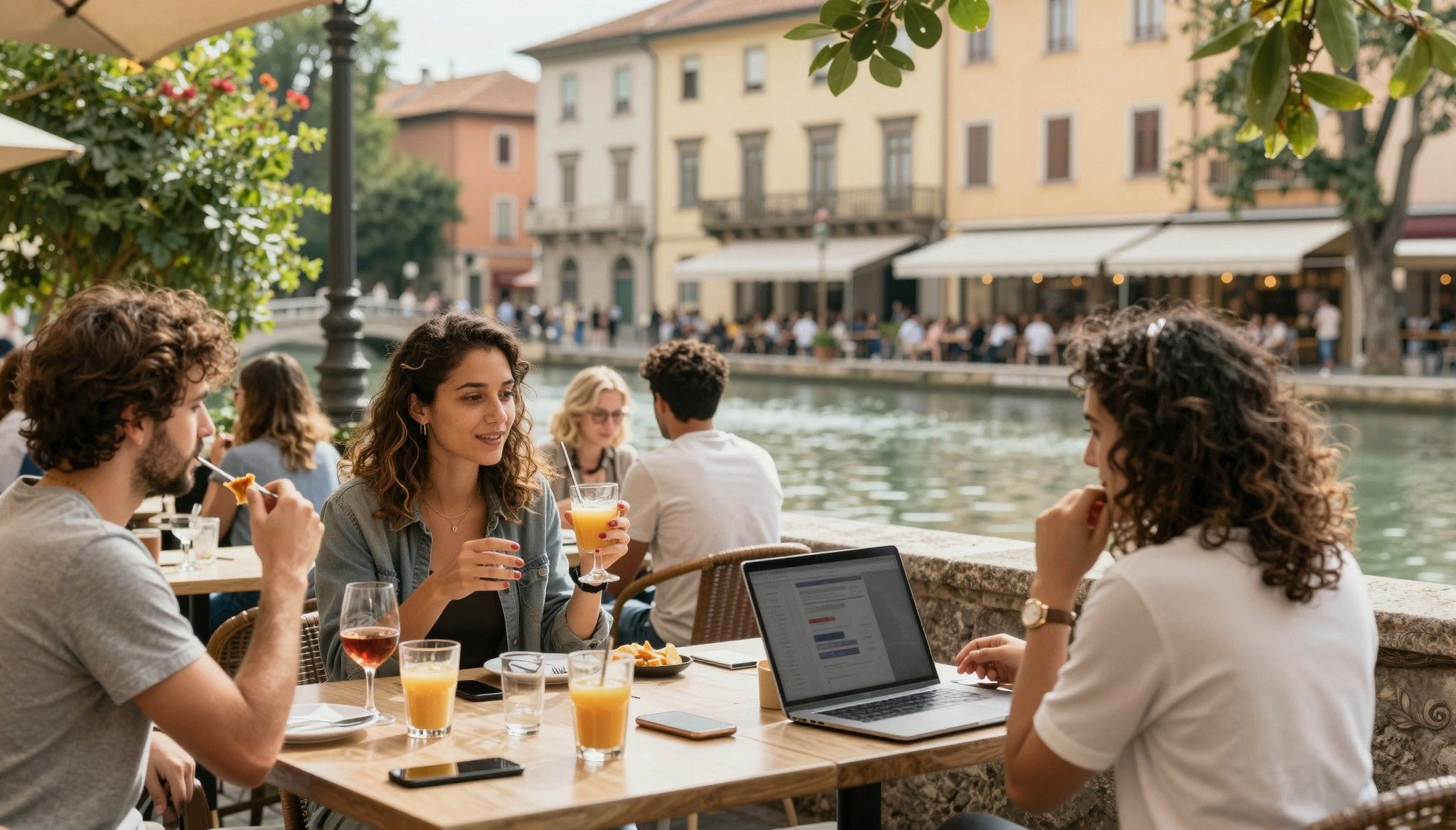
Imagine sipping an espresso at a tiny table on Via dei Coronari in Rome, then walking five minutes to a coworking with fast fiber and a skyline shot of domes. Italy lives in slow rhythms and explosive flavors at once—piazza chatter in the morning, aperitivo spillovers at dusk, and markets that sell whole seasons on a single stall. For nomads and location‑independent professionals, that contrast—timeless culture plus surprisingly modern infra—is the real draw. But which visa actually fits that life, and which neighborhoods match your workday?
Living the Italy life: streets, seasons and small rituals
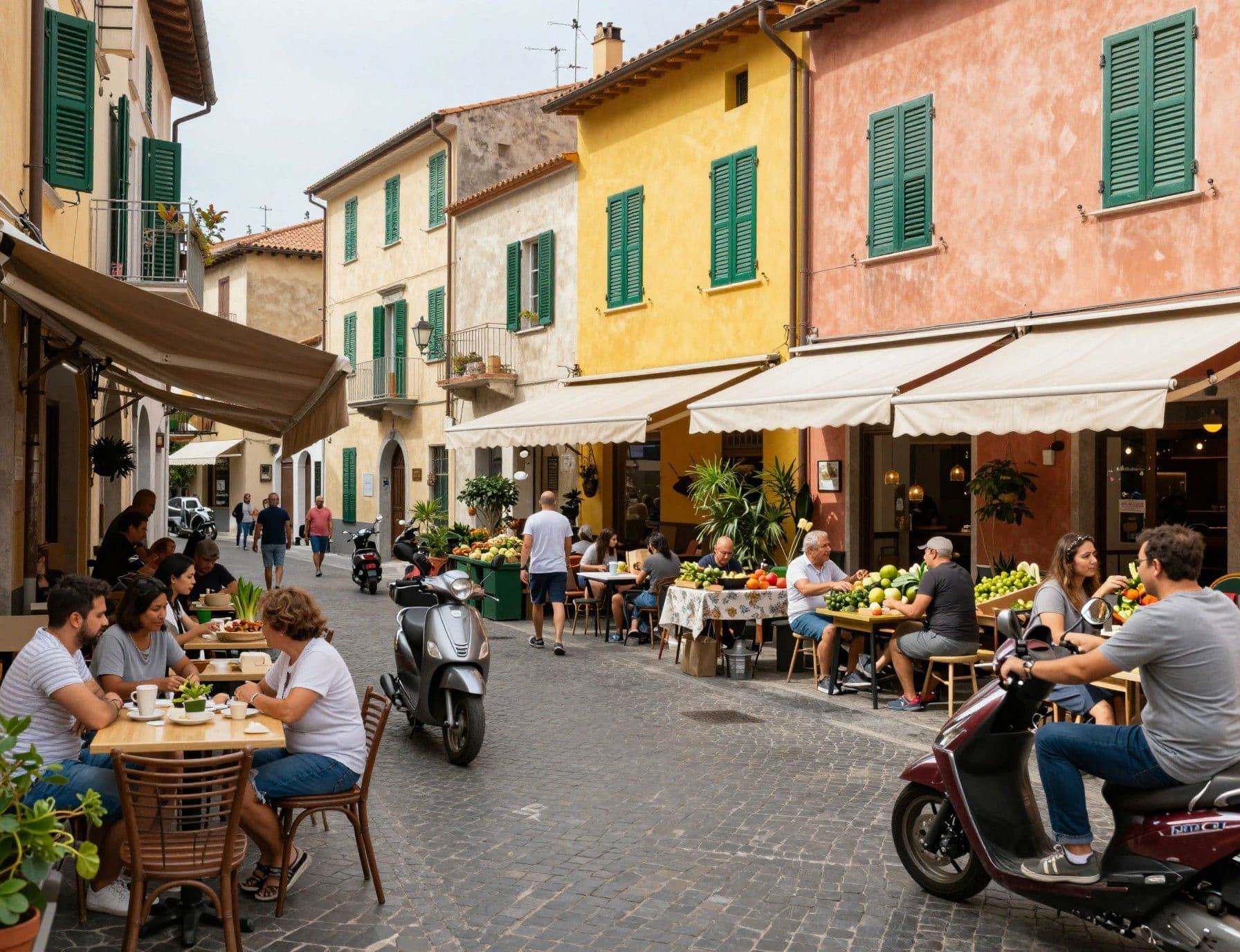
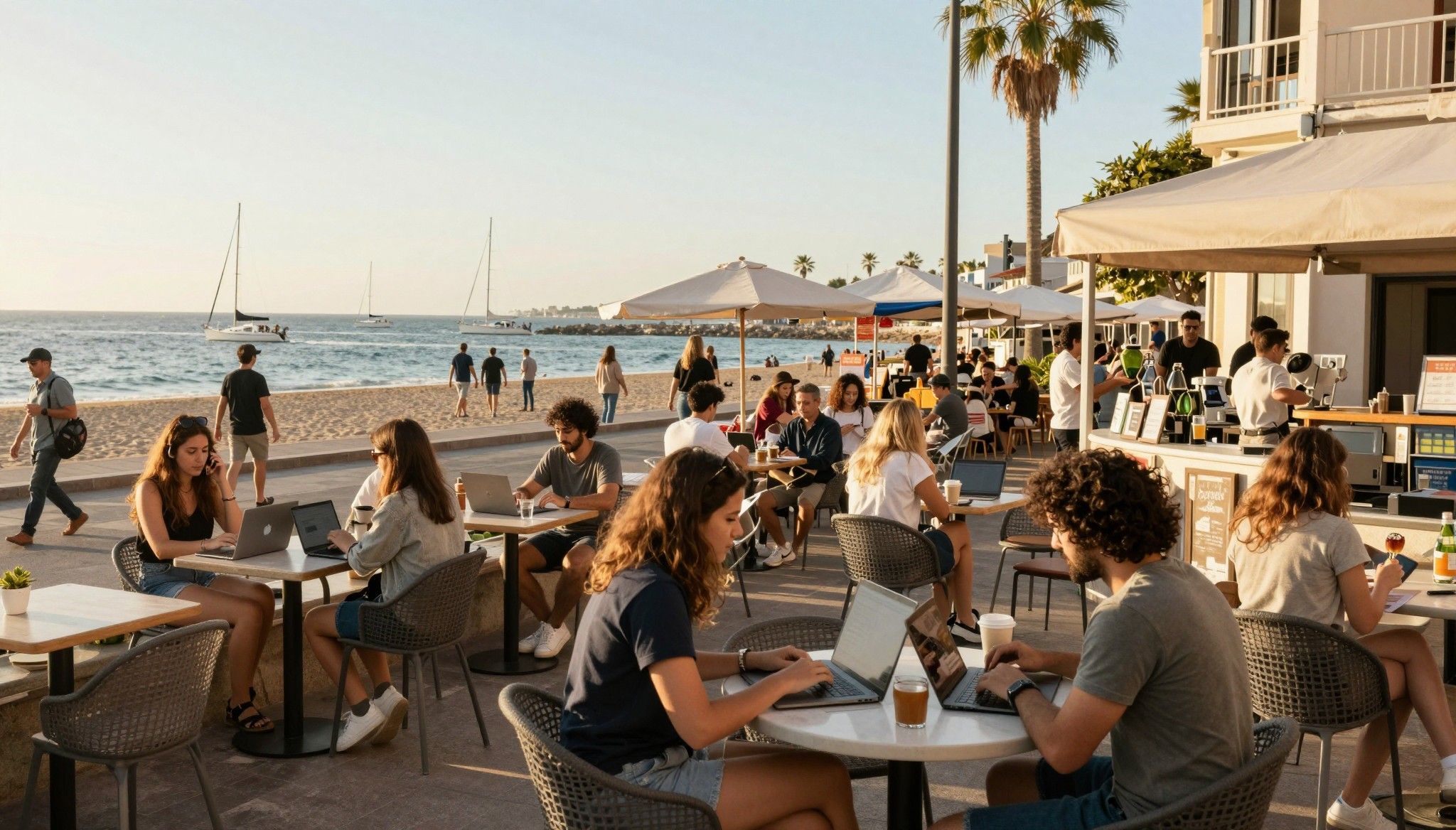
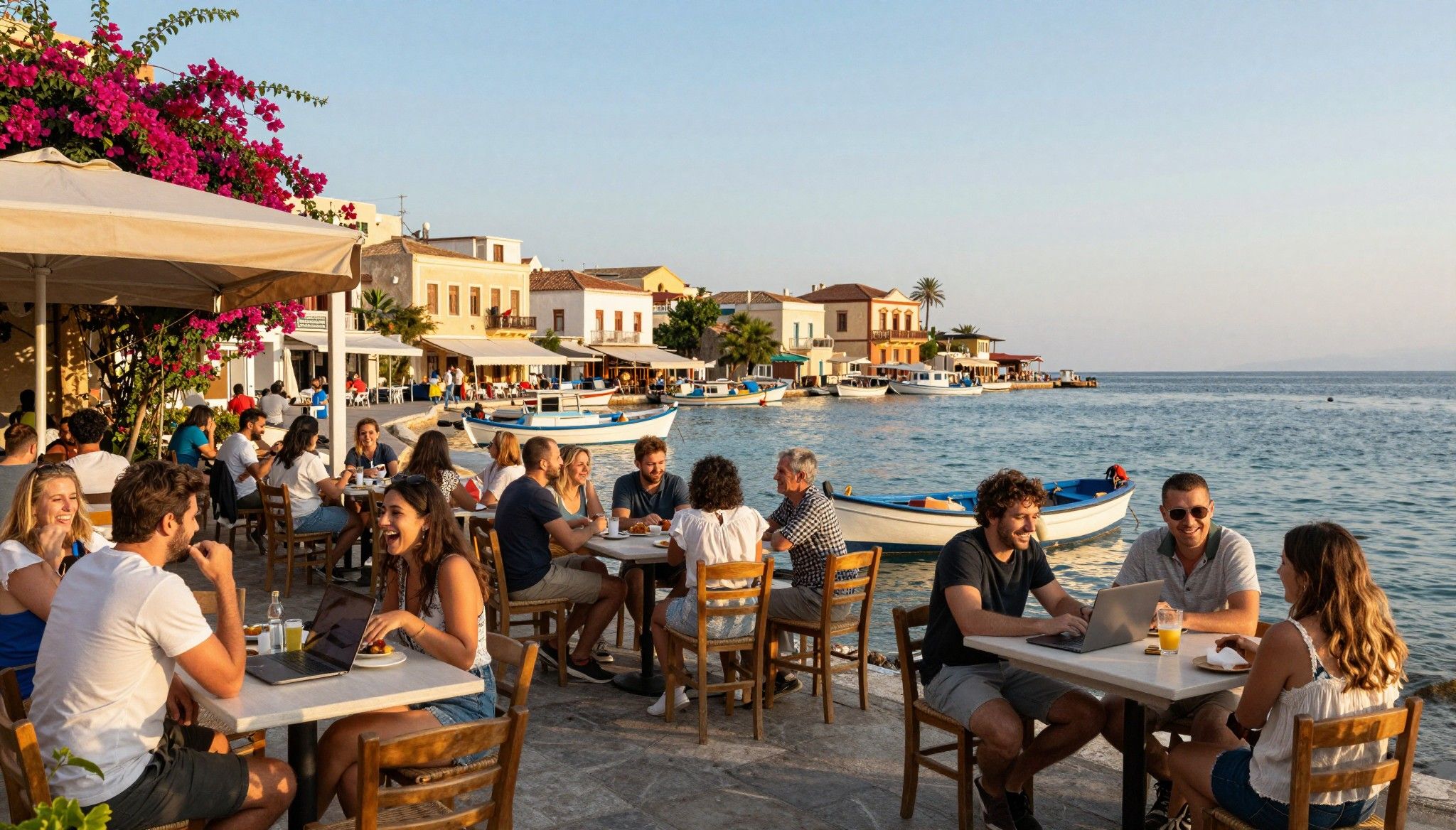
Italy isn’t a single vibe. It’s a patchwork of daily rituals: early coastal runs along the Ligurian promenade, farmers’ market bargaining in Palermo, and the mid‑week ritual of espresso at the corner bar in Milan’s Navigli. Your day here can be outdoors and social, even when you’re working remotely—terrace calls with sea air are possible in Liguria, while Siena’s narrow lanes mean deliveries arrive by scooter and afternoons are for reading in shaded squares.
Neighborhood spotlight: Trastevere (Rome) vs. Navigli (Milan)
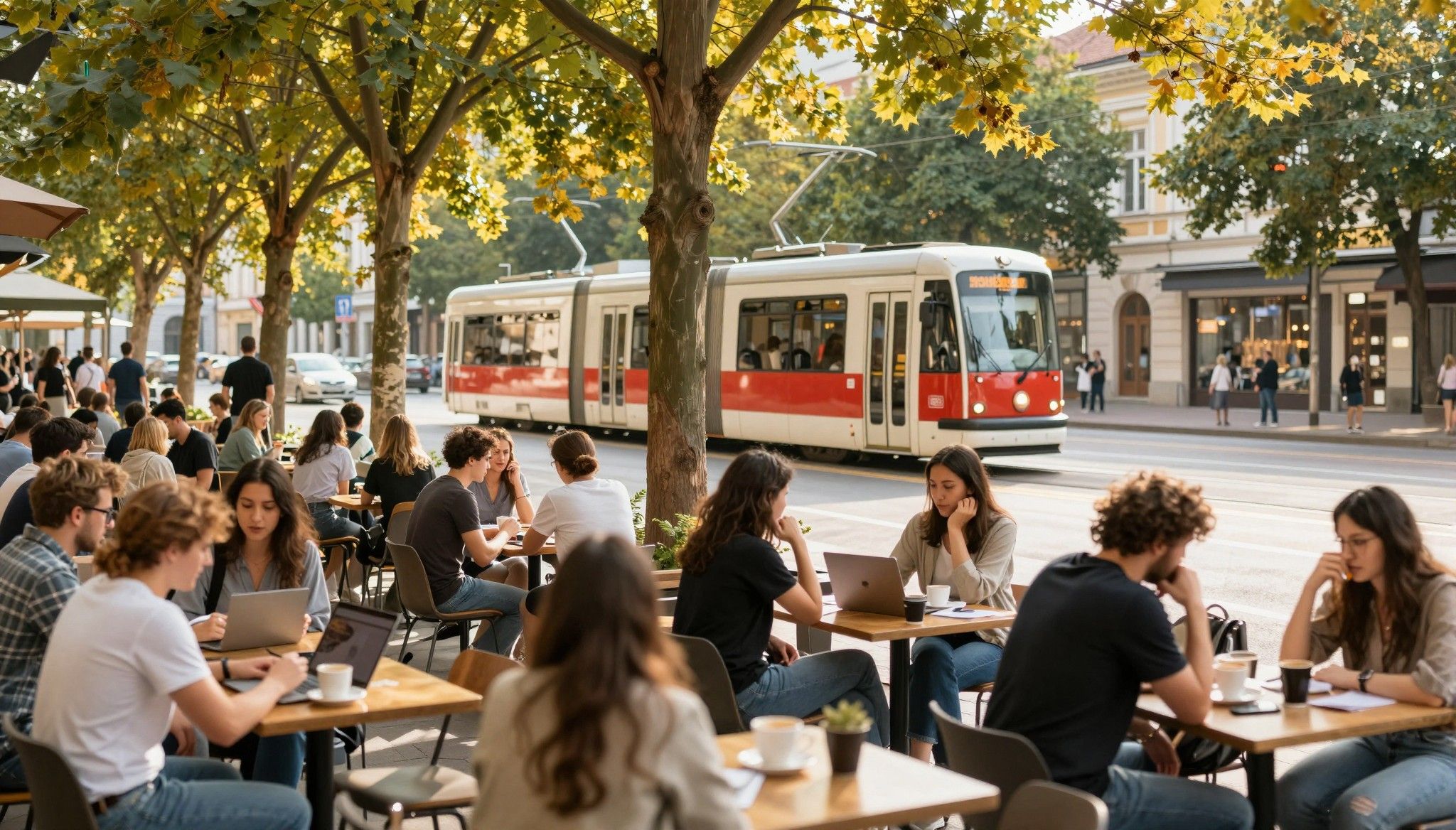
Trastevere is cobbles, artisan shops, and late dinners under vine‑draped balconies; it’s perfect if you want charming chaos and short walks to coworking spots near the river. Navigli is canalside coffee, after‑work aperitivi and young design studios—if you want fast public transit, modern cafés that double as workspaces, and weekend markets, this is the tradeoff.
Food, markets and the social calendar
Food is the daily glue: morning cornetti from Bar Roscioli, lunchtime plates at Mercato Centrale (Florence), and weekly markets where producers talk prices like old friends. Seasons drive life here—truffle hunts and wine vendemmia bring towns to life—and that rhythm affects short‑term rentals, property demand and when agents list the most attractive homes.
- Lifestyle highlights: local favorites and hidden gems
- Sunset stroll across Ponte Vecchio; espresso counter chats at Caffè Florian (Venice); weekend farmers’ market at Campo dei Fiori (Rome); Aperitivo on Darsena (Milan); fresh fish at Viareggio’s mercato del pesce.
Making the move: which visa actually matches the life you want

Dreaming of long, café‑first days? The Elective Residence Visa is the classic route for people who can show stable foreign income and want to live in Italy without working locally. It lets you become resident and settle into neighborhood life—but read the fine print: consulates interpret income proof strictly and it generally prohibits working in Italy. Check consulate guidance before you plan a remote‑work lifestyle under this visa.
Property styles that suit nomad lives
Pick a historic apartment for walkable charm and smaller maintenance bills but expect staircase climbs, older wiring, and renovation permits. Choose a newly renovated palazzo flat or converted loft in city outskirts for quiet workspace and fast fiber. In coastal Liguria or Puglia, terraces and sea views mean outdoor working all year—look for AC and insulation upgrades to avoid uncomfortable summers.
Working with local experts: when to hire an agency
- An Italian agency will short‑list neighborhoods that match your day: fiber availability in listings, commuter times, and community vibes. They coordinate notaries, help validate renovation feasibility, and advise on whether a property’s energy class or listed‑building status will slow your plans. Use agencies that show neighborhood examples and coworking proximity—not just price per square meter.
Step‑by‑step checklist blending lifestyle and paperwork:
- 1. Map daily life: pick three neighborhoods you can see yourself living in (morning coffee, coworking, markets). 2. Ask agencies for measured floorplans, fiber tests, and energy certificates. 3. Confirm visa route with consulate rules (Elective, Investor, Digital Nomad options) and timings. 4. Reserve with a conditional offer that includes a notary review and local agency support.
Insider knowledge: expat tradeoffs and real talk
Expats love Italy’s tempo, but there are tradeoffs. Small towns offer strong community and lower prices, yet fewer direct flights and slower bureaucracy. Cities promise coworking networks and faster services, but more competition for attractive flats. Plan seasonal life: many coastal towns quiet dramatically in winter; if you want year‑round energy, target university towns or cities with international communities.
Cultural integration: language, neighborhoods and ways in
Learn the social script: a quick «Buongiorno» opens doors. Join weekly markets and local gyms, sign up for language meetups, and try a volunteer cooking class—these are the fastest ways to become known in a neighborhood. Italians value face time; building trust through regular local presence matters more than polished relocation paperwork.
Long‑term view: trends that affect value and lifestyle
Italy’s investor and residency schemes, plus growing interest from digital nomads, mean some markets (Florence, Milan, coastal Liguria) are stabilizing in price while interior towns offer bargains and renovation potential. Look for towns investing in fiber and transport—those are often the ones where lifestyle and long‑term resale align.
- Red flags local buyers mention:
- No certified APE (energy certificate); missing water/electricity bills for the past year; ambiguous condominium meeting minutes about planned works; listed‑building restrictions that block intended renovations.
Conclusion: imagine the life, then pick the visa and neighborhood that fits it
If you can picture your day—market mornings, terrace calls, aperitivo neighbors—start by checking which visa allows that routine. Talk to a local agency that understands both fiber tests and local social life; they’re the ones who turn a dreamy street into a livable address. Ready to pick a neighborhood? Ask for an agency tour that includes a coworking speed test and a market walk; if they say yes, you’ve found a partner who sells the life, not just the square metres.
Norwegian who has helped 200+ families relocate from Oslo to Spain; expert in relocation services and community integration.