Why France’s 'Too Expensive' Tag Misses Hidden Value
France’s romance hides budget realities — learn the lifestyle trade-offs, true transaction costs, and a practical checklist to buy in France without surprises.
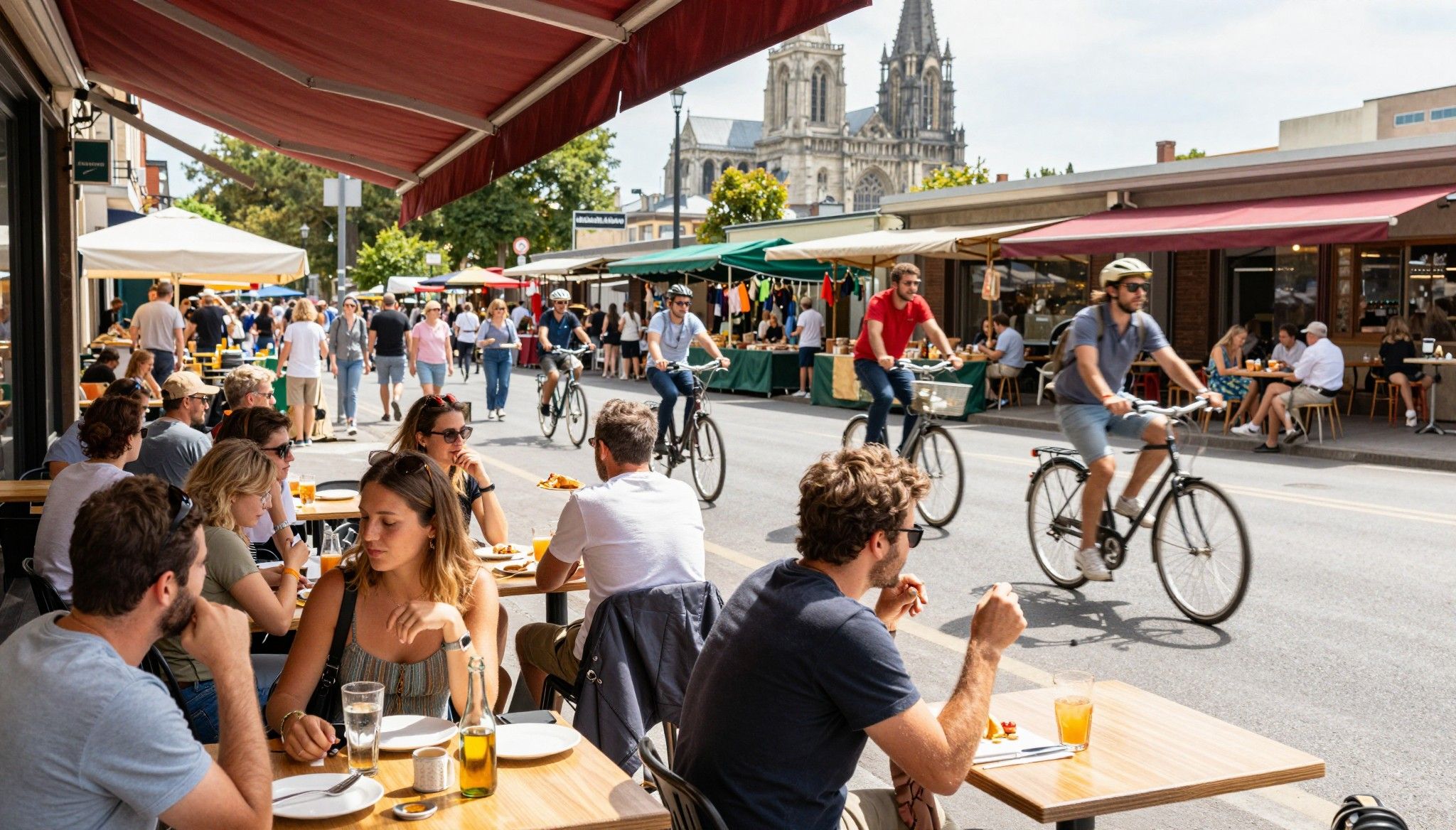
Imagine sipping espresso on Rue Cler in Paris, biking through Montpellier’s sunlit lanes, or buying fresh oysters at Cap Ferret’s market. France feels like a lived-in postcard: cafe chatter, weekly marchés, slow long lunches, and neighborhoods that age like good wine. But behind the romance are real budgets, surprising fees and local quirks that trip up buyers who only see glossy photos. According to recent market analysis, prices have stabilised after recent dips, and transaction costs have shifted — so planning a realistic budget here changes everything.
Living the France life — what you’ll actually wake up to
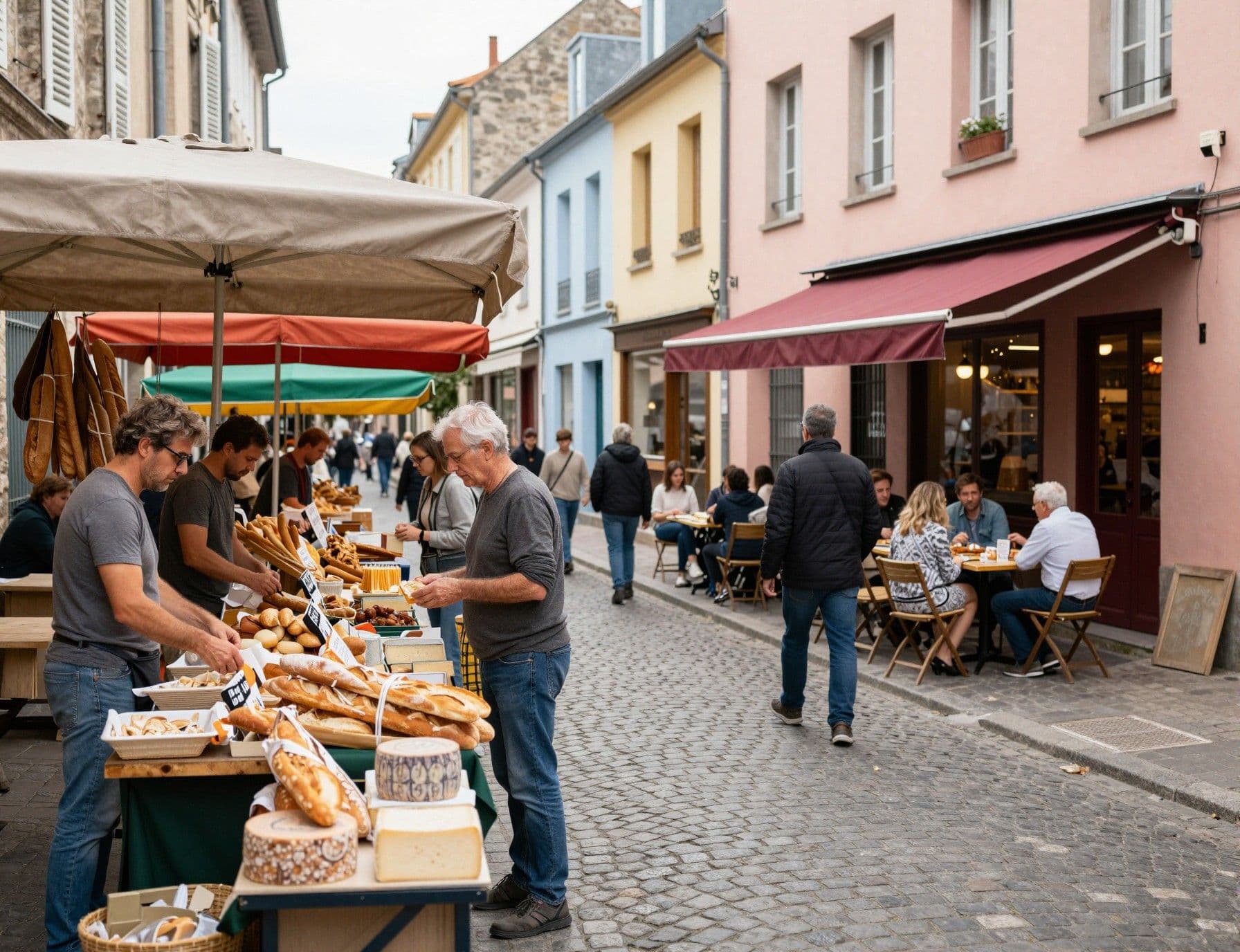
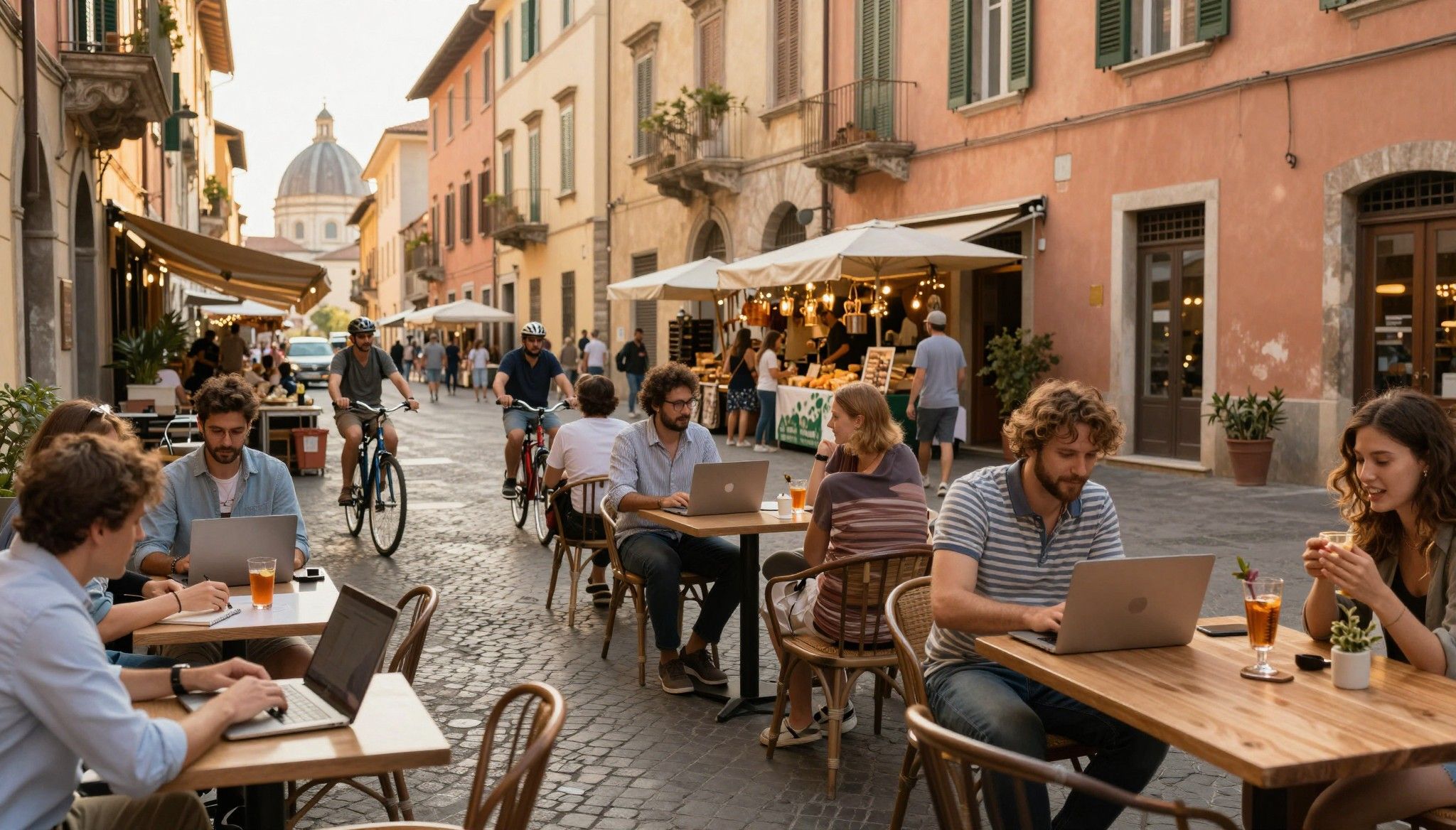
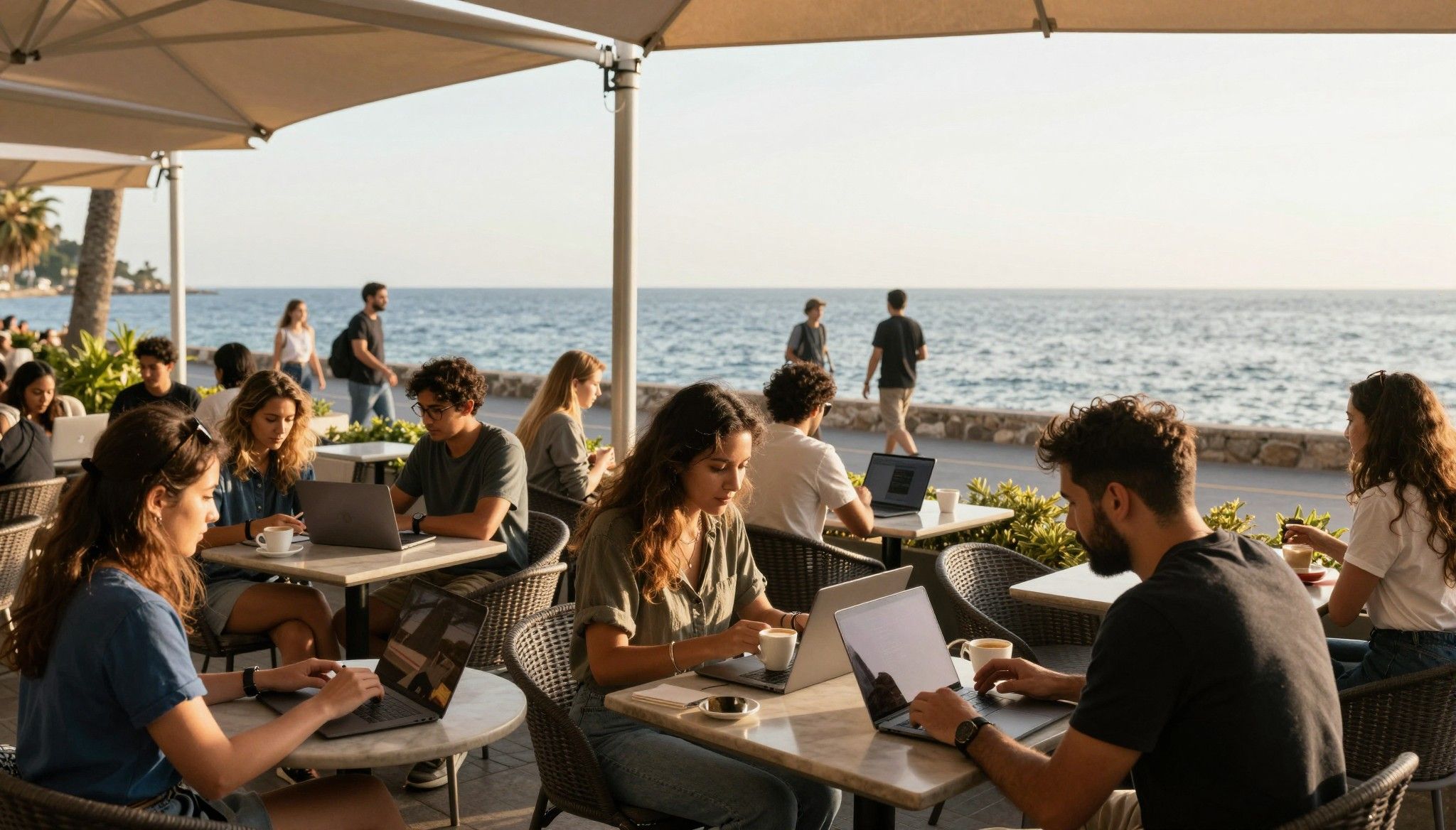
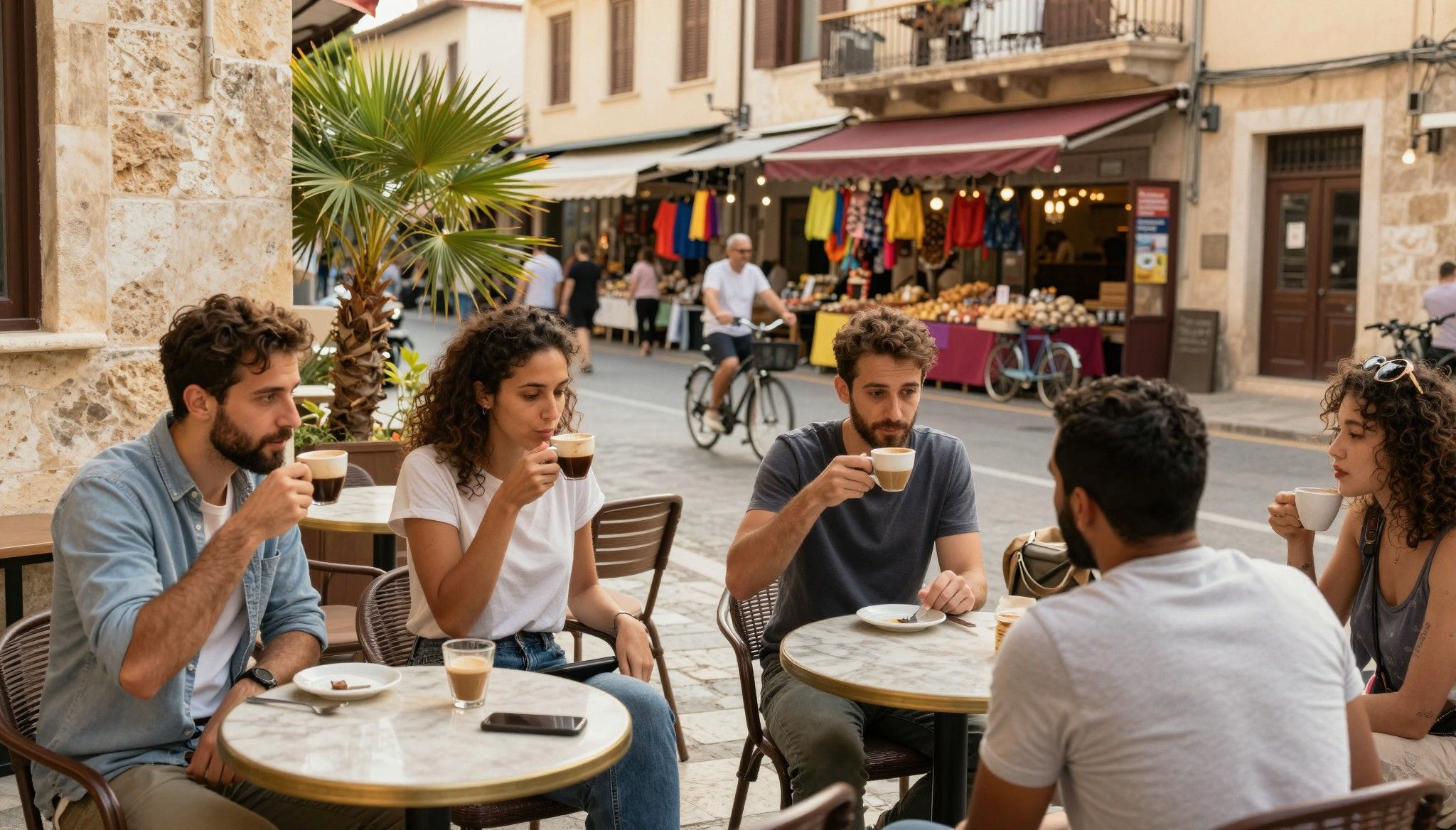
France is an atmosphere as much as a place. Morning markets hum with vendors and neighbours; terraces fill at noon; evenings glow with golden-hour walks by rivers, seaside promenades or village squares. Whether you’re eyeing a pied-à-terre in Le Marais, a farmhouse in Dordogne, or a modern apartment in Lyon’s Confluence, lifestyle is the primary currency: walkability, boulangeries, market days and reliable broadband matter more than a glossy balcony shot. Balance sensory delights — cheese stalls, tram bells, local festivals — with practical needs like coworking spots and fibre.
Neighborhood snapshots: where life happens
In Paris, Le Marais and Canal Saint‑Martin mean cafes and late-night bars; in Bordeaux, Chartrons is for wine lovers and Sunday antiques; on the Côte d’Azur, Menton offers quieter beaches than Nice; and in Nantes the Île de Nantes gives riverside creativity with lower rents than larger cities. Small towns — Saint‑Rémy‑de‑Provence, Sète, Vannes — sell a slower rhythm: local fêtes, weekly markets and strong community life. Pick a street, not just a city: Rue Saint‑Rémy (Bordeaux) or Rue des Trois Frères (Paris) create very different daily rhythms.
Food, festivals and seasons: timing your house hunt
Taste shapes place. Truffle season in Périgord draws food lovers; summer in Biarritz is surf-crowded and pricier; autumn harvests make wine regions feel alive. That matters when you visit: buy during a local festival and you’ll fall for the noise and crowds — but you might miss quieter, affordable streets. Consider off-peak visits (late autumn or winter) to assess true neighbourhood life and spot maintenance issues that summer staging hides.
Making the move: money realities you’ll feel (not just calculate)

Dreams meet invoices. Buyers often fixate on listing prices and overlook the purchase extras that turn a pleasant budget into a full commitment. Notaire fees, transfer taxes and local property levies typically add 7–8% on older homes, and around 2–3% on new builds — a difference that rewrites what you can afford. Departments can also vary registration tax rates, so the final sticker depends on where you buy. Factor these in early and your search becomes realistic instead of aspirational.
Property types and how they shape budgets
A stone farmhouse in Dordogne may be cheaper per square metre but needs roofing and insulation work that adds up; a Paris apartment holds value but brings higher taxes, maintenance and stricter co‑pro (copropriété) rules. New builds reduce notaire fees but can cost more upfront and be located on the outskirts. Think lifecycle cost: renovation budgets, seasonal utility spikes, and whether a property suits remote work — quiet corners, a sunny room for a desk, or reliable fibre are priceless for nomads.
6-step budget checklist to run before you house-hunt
1. Set a final spend cap including purchase price + 7–8% (old) or +2–3% (new). 2. Add renovation contingency (10–25%). 3. Check local taxe foncière estimates and planned increases. 4. Confirm mortgage availability and FX exposure. 5. Pre-approve financing or assemble proof-of-funds. 6. Reserve 3 months’ living costs for settling and unexpected delays.
Insider knowledge: expat truths and local wrinkles
Expats wish they’d known three things: buying doesn’t grant residency; local rules matter more than national headlines; and slow administrative rhythms are normal. Notaire fees are largely regulated and mostly taxes — not negotiable — so treat them as part of the cost of entry. Also, local markets can be counter-intuitive: a coastal town with fewer tourists may offer better long-term value than a famous resort that peaks seasonally.
Cultural cues that affect price and living
Sellers mention “travaux à prévoir” (work needed) as a negotiation tactic; locals value small, well-connected shops and a lively marché over showy terraces. Co‑ownership rules can restrict changes and add fees, and seasonal rental demand shapes yields — in some seaside towns yields peak in summer but sit idle off‑season. Listening to local agents and neighbours reveals what a street will be in January, not just July.
Top red flags local buyers watch for
• Incomplete co‑pro accounts or high charges; • Water damage smell that appears only after rain; • Over-optimistic rental yield estimates; • No proof of recent electrical or asbestos checks in older homes; • Sudden department tax rate increases affecting transfer costs.
How local agencies transform lifestyle goals into budgets
Good agents do two things: translate lifestyle into tangible property criteria (square metres for a desk, cafes within five minutes) and map those criteria to true costs including taxes and notaire fees. Use agencies that show actual utility bills, copropriété minutes, and recent local sale comparables. With prices nudging back up in many cities after recent stabilization, timing and targeted searches beat broad wishlists.
• Ask for recent comparables within 100 metres; • Request recent utility and copro charges; • Get a written list of likely notaire and registration fees; • Insist on documented planning history for renovations; • Check broadband/fibre availability before offers.
Buying in France is an emotional journey that also rewards pragmatism. Fall for the boulevards, the markets and the slow afternoons — but bring a tight spreadsheet, a patient timeline, and a local team who can translate charm into numbers. Start with a realistic total-cost figure, schedule off-season visits, and line up finance early. That way you’ll buy the life you want, not just a pretty photo.
Swedish, relocated to Marbella in 2018 to chase sun and property freedom. Focus on legal navigation and tax for Nordic buyers.