Why Italy’s Lifestyle, Not Labels, Should Pick Your Visa
Italy’s lifestyle beats the brochure—but your visa choice and broadband decide whether you live the dream. Confirm neighbourhood rhythm, fibre access, and the right residency route.
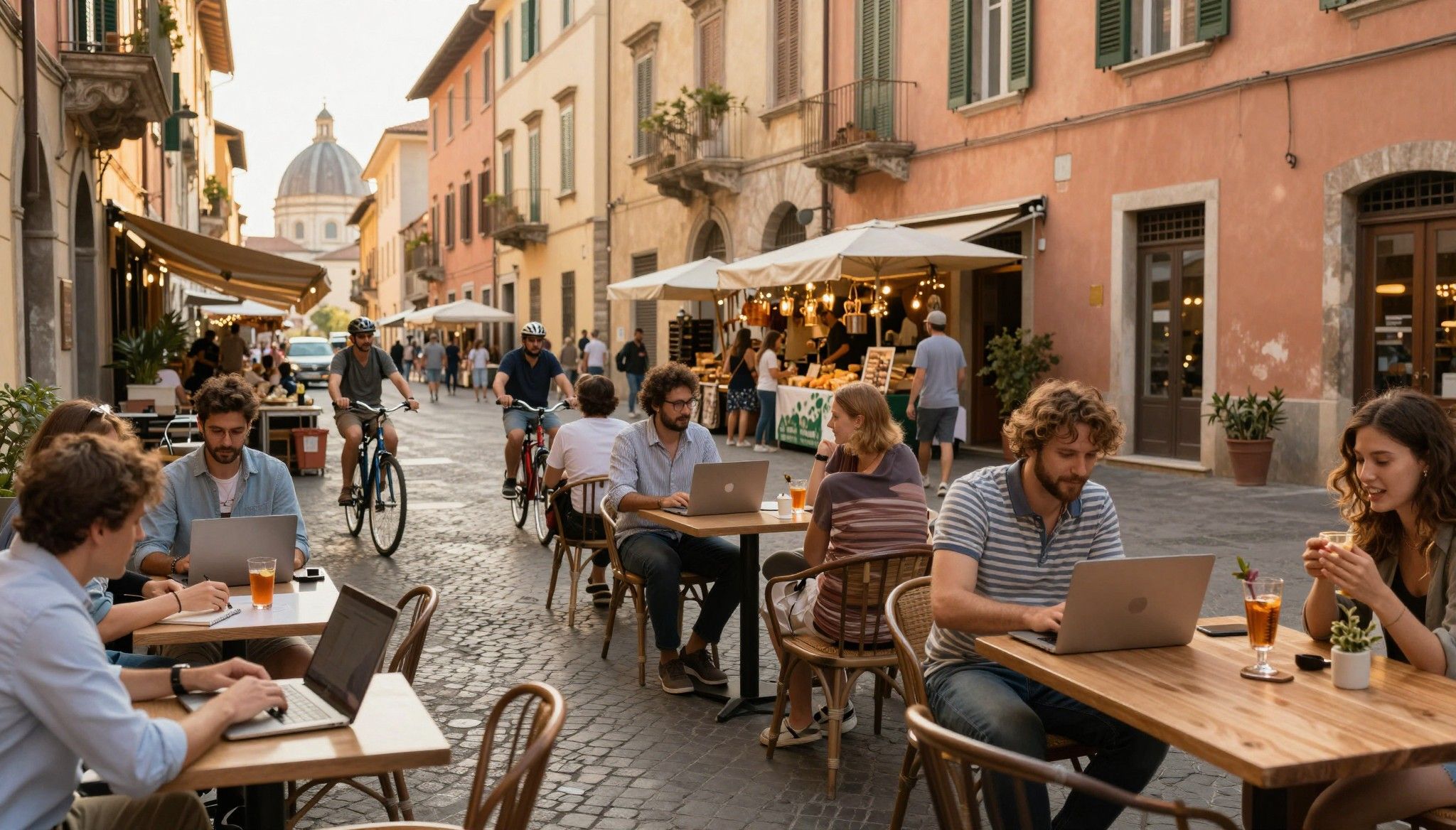
Imagine sipping an early-morning espresso on Via dei Coronari in Rome, then slipping into a coworking space near Piazza Navona—Italy is a place where history and remote work collide. The light is different here; cobblestones slow you down, markets set your weekend rhythm, and neighborhoods have personalities you feel in the first three steps out the door. But before you fall in love, know this: lifestyle choices shape the visa route you take and the kind of home that will actually suit your life.
Living the Italy lifestyle
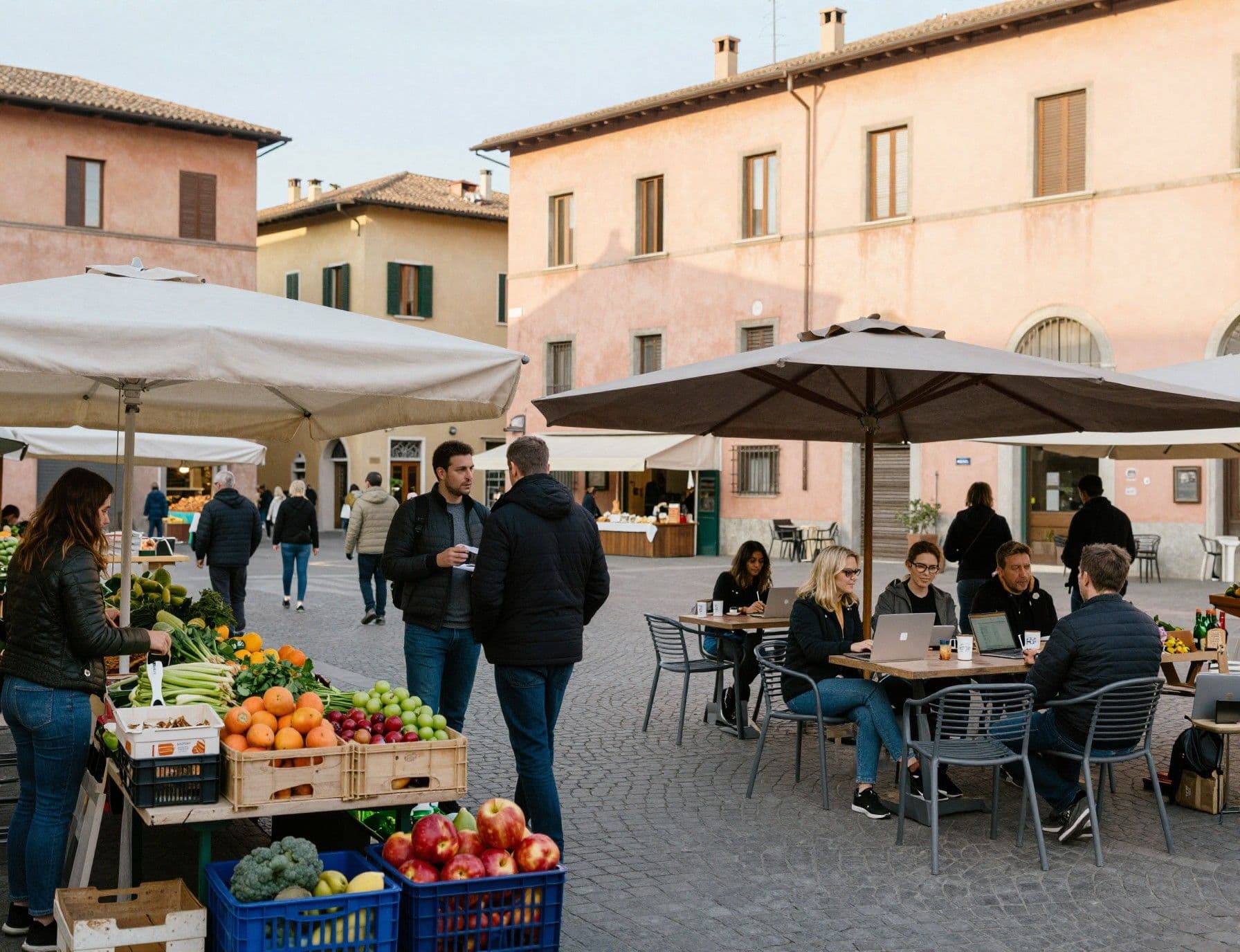
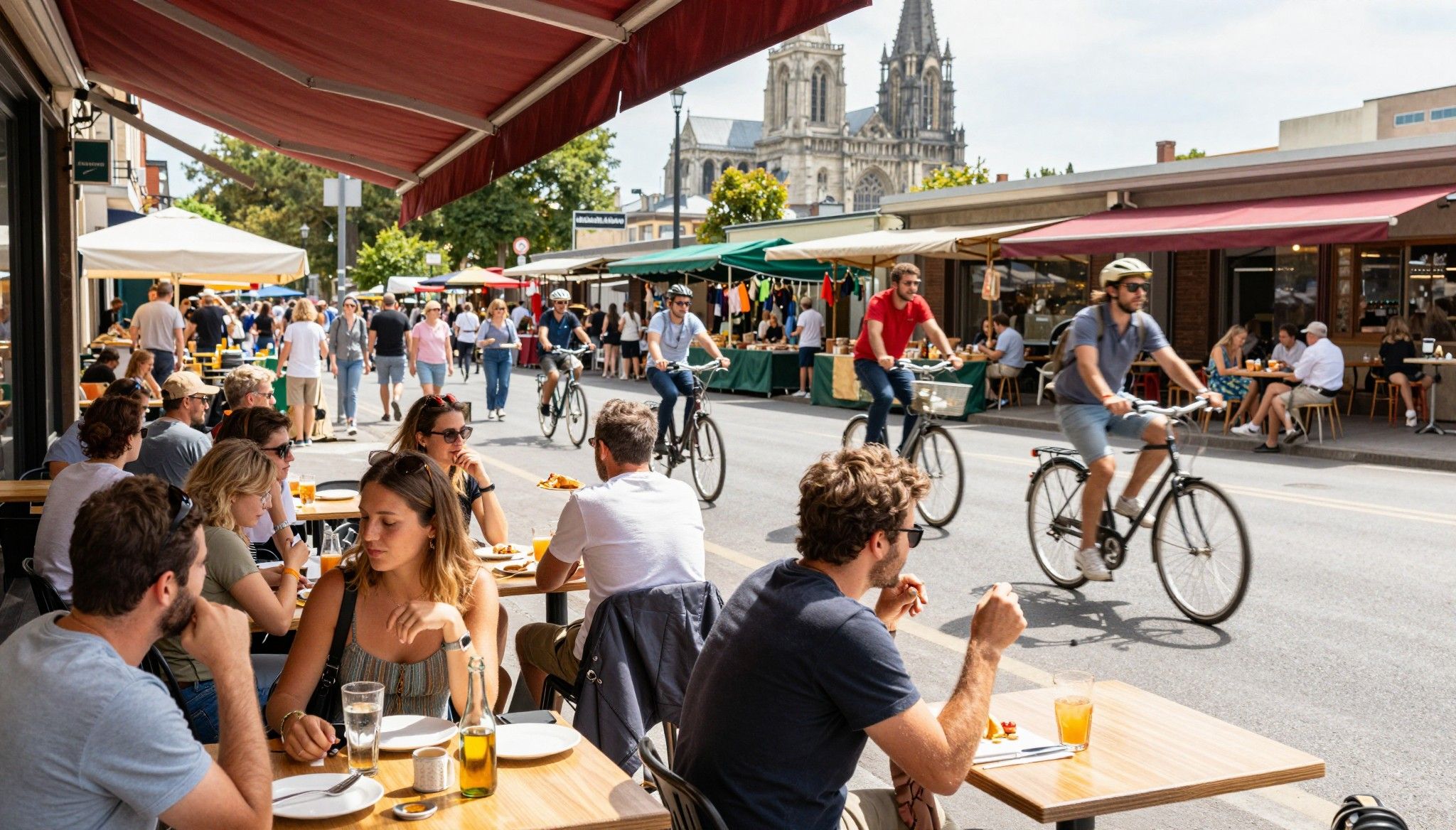
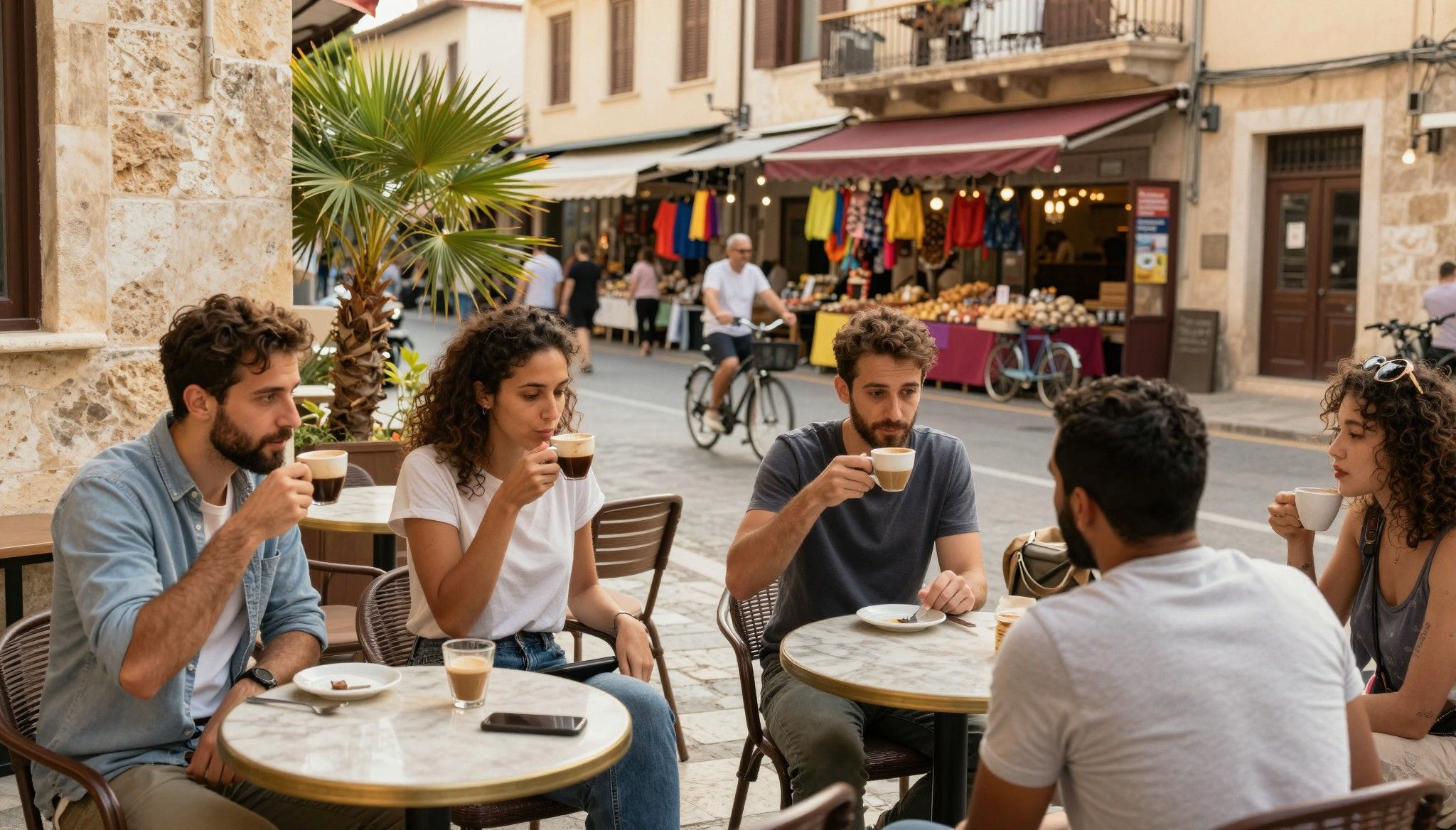
Italy’s everyday tempo is deliciously local. Mornings mean barista-made cappuccinos and newspapers; afternoons shrink for riposo in smaller towns; evenings swell with aperitivo, chatter and late dinners. Whether it’s the tram clack in Milan, the sea-salt air of Amalfi, or the olive-scented hills of Puglia, your daily life will be shaped by neighborhood rituals more than by square meters.
City-center character: Rome, Milan, Florence
In central Rome the streets are a mosaic of trattorie, antiquarians and tiny piazzas where neighbors know each other’s dogs. Milan’s Brera and Navigli deliver late-night energy and design-minded coworking cafes. Florence’s Oltrarno hums with artisans and small gardens. These cores give you immediate culture, short commutes and few car needs—but expect higher prices and tighter apartments.
Seaside & small-town rhythm: Amalfi, Liguria, Puglia
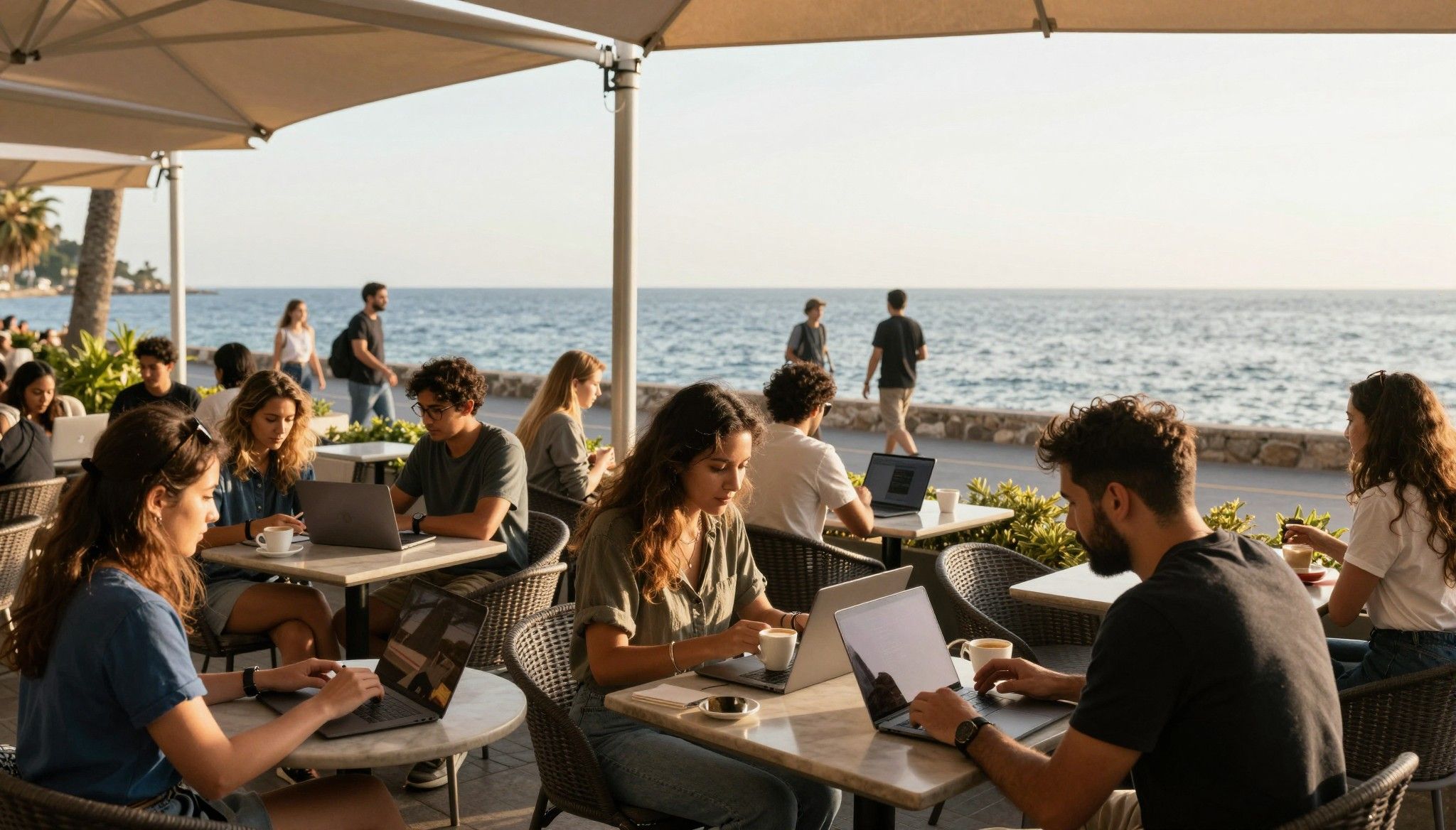
Coastal towns like Positano, Cinque Terre and Polignano a Mare promise postcard views and slower mornings. You’ll trade 24/7 services for fresh markets, sunlit terraces and quieter winters. Connectivity varies—some cliffside towns have patchy broadband, so check fibre availability if you plan to work remotely full-time.
Lifestyle highlights worth listing:
Stroll morning markets: Campo de’ Fiori (Rome), Mercato Centrale (Florence), Mercato di San Lorenzo (Milan).
Coworking scenes: Copernico (Milan), Talent Garden (Pisa/Milan/Rome satellite), independent cafes in Bologna.
Weekend escapes: wine tasting in Langhe, truffle fairs in Alba, sailing from Porto Cervo.
Making the move: practical considerations

Lifestyle daydreams meet hard numbers here. Italy’s housing market has seen modest price growth in recent years and faster demand in cities like Milan and Rome, according to national statistics and market reports. That matters: it changes how fast properties move, how strong rental demand is, and what neighborhoods give you room to breathe without sacrificing community.
Property styles and how you’ll live in them
Historic apartments: high ceilings, shutters and small kitchens—romantic but often needing electrical and insulation upgrades. New builds: modern systems, elevators and parking, but fewer of the old-world charms. Farmhouses and stone homes in Tuscany or Le Marche: space, land and slow seasons—often the best value for creative remote workers who want a garden office.
Working with local experts who know the lifestyle
An agent who lives locally is your shortcut to the quotidian truths: whether a street floods in winter, where reliable fibre runs, which building has sympathetic neighbours, and which notary will fast-track documents. Look for bilingual agents familiar with expat banking and permesso timelines—this saves weeks of guessing.
Mix of lifestyle and practical checks before making an offer:
Confirm fibre or 4G/5G signal in the exact apartment and spot a local coworking within 10–20 minutes.
Ask the agent about seasonal rental demand if you plan to earn with short lets; cities and established tourist towns differ sharply.
Request past energy bills, recent condo meeting minutes, and confirm building renovation plans (façade works can mean big condo levies).
Insider knowledge: visas, visas myths, and what expats wish they'd known
Myth: Italy has a single 'golden visa' that solves everything. Reality: visa routes are many and chosen by lifestyle. Elective residence suits retirees and those with independent means; digital-nomad/self-employment visas target highly skilled remote workers and often require proof of income, contracts, or qualifications. Always check the specific consulate guidance for your country and the most recent rules before you book a flight.
Cultural integration and daily social life
Learning a few Italian phrases unlocks more than menus—it opens neighborly invites, market tips and invites to local sagre (food festivals). Expect slower bureaucratic replies and celebrate small wins: a registered address, a codice fiscale, or your first neighborhood aperitivo. Community ties matter; a friendly barista or a local association often becomes your lingua franca before grammar does.
Long-term lifestyle and practical considerations
Think five years ahead: do you want rental income, a retirement fallback, or a primary home? Coastal tourism can bring strong summer yields but thin off-season occupancy. City cores hold steady rental demand from students and professionals. And remember: maintenance on older properties can be unexpectedly high—but so is the character.
Red flags local buyers watch for:
Rising condo levies after promised renovations.
Missing energy performance certificate (APE) or inaccurate property boundaries.
Weak broadband in an otherwise attractive seaside village.
Purchasing via an unfamiliar private seller without a notary-led chain of checks.
Conclusion: Italy lives in the senses first and the paperwork second. To make the move, fall for the piazza, the market, the coast—then bring a checklist, local agent and up-to-date consulate guidance. Start by shortlisting neighborhoods that match your daily rhythm, confirm connectivity and visa eligibility, and ask an agent to show you lived-in examples—not just glossy photos. That combination turns a dreamy getaway into a sustainable life abroad.
Danish investor and relocation advisor focusing on Portugal and the Algarve; loves coworking culture and expat networks.