Offer & Close in Croatia: Lifestyle-First Tactics
Fall in love with Croatia’s markets, cafés and coast—then make offers that work. Blend local lifestyle knowing with data-backed offer and closing tactics.
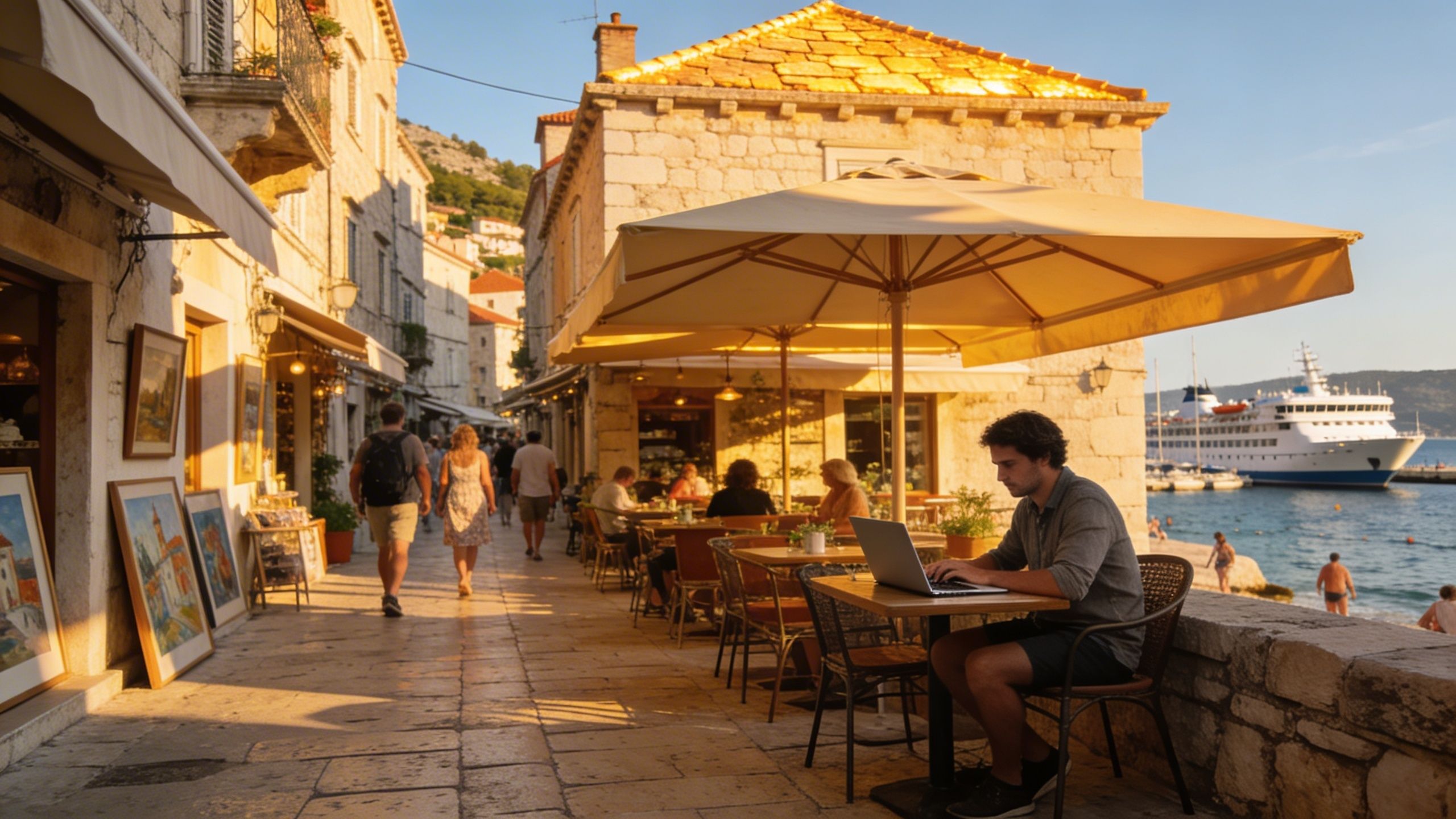
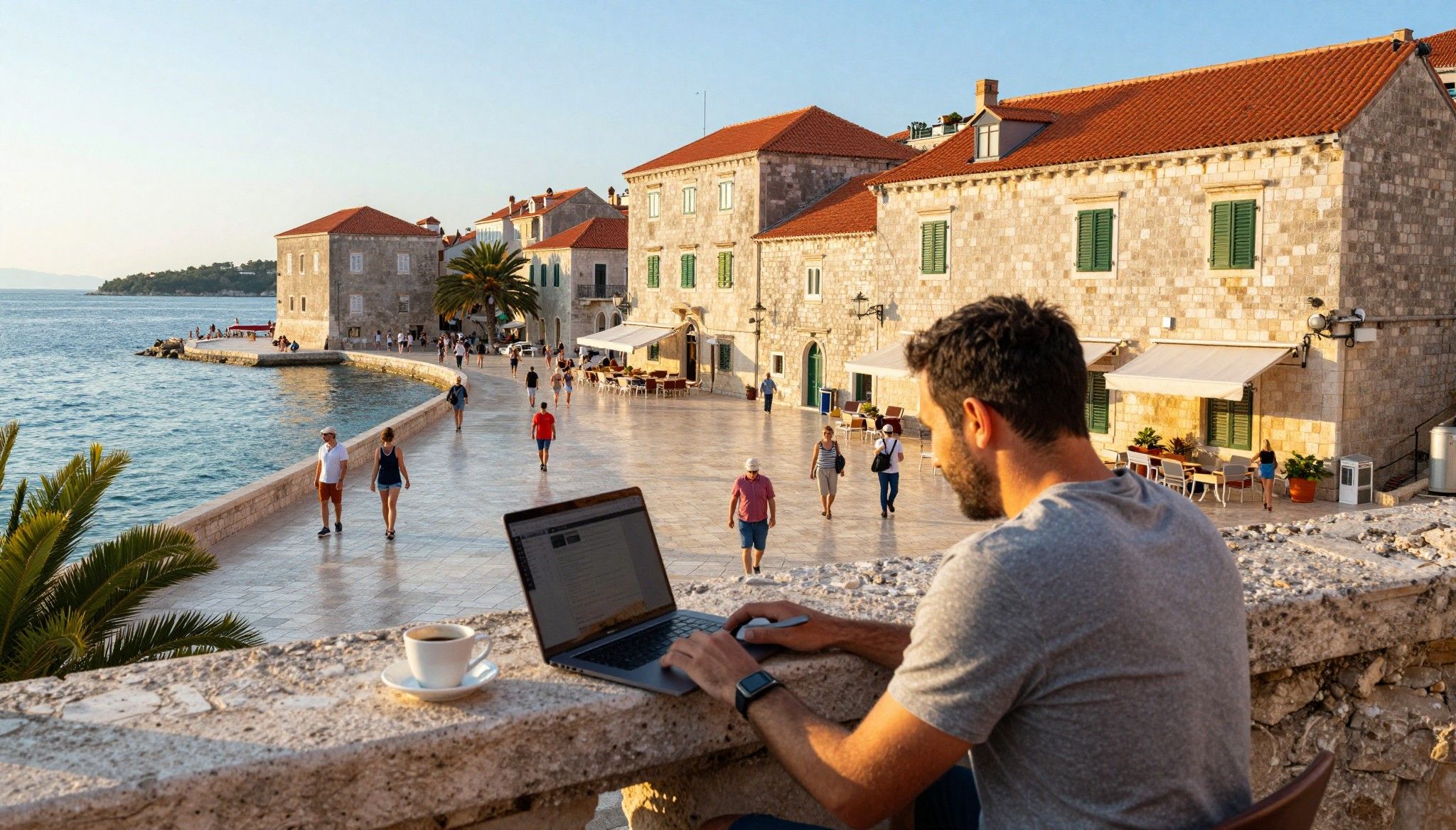
Imagine starting your morning with an espresso on Split’s Riva, the scent of grilled fish drifting from the market while you open your laptop. Or picture lazy weekends in Istria, hunting for truffles and then cycling home through olive groves. Croatia’s rhythm is coastal light, stone streets, neighbourly cafés and short commutes to nature—an intoxicating mix that makes buying here about lifestyle as much as square metres. Yet, the dream meets reality at offer tables and closing meetings. This guide blends the sensory pull of life in Croatia with hard-nosed tactics for making offers, negotiating, and closing without losing the magic.
Living the Croatia Life
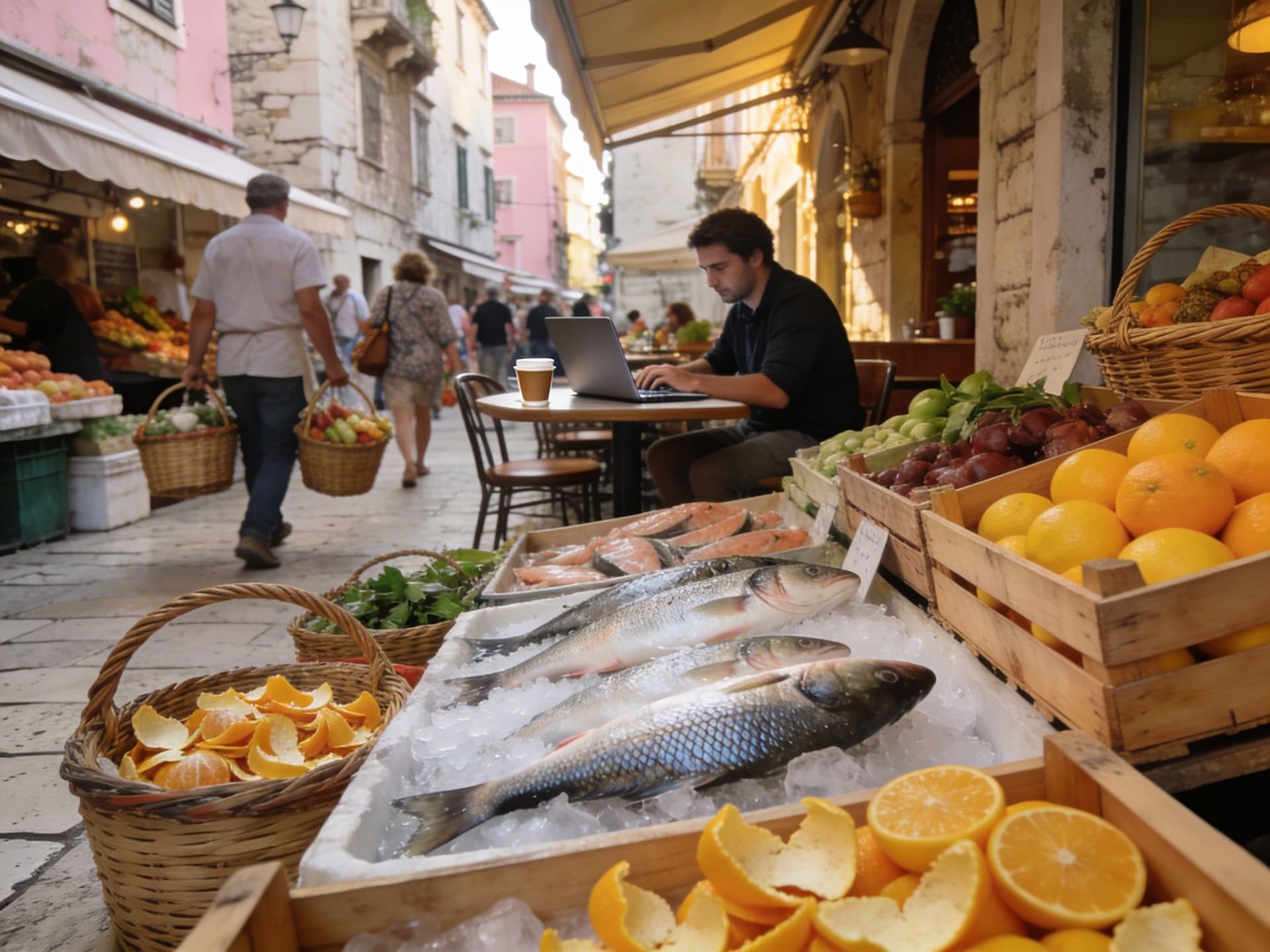
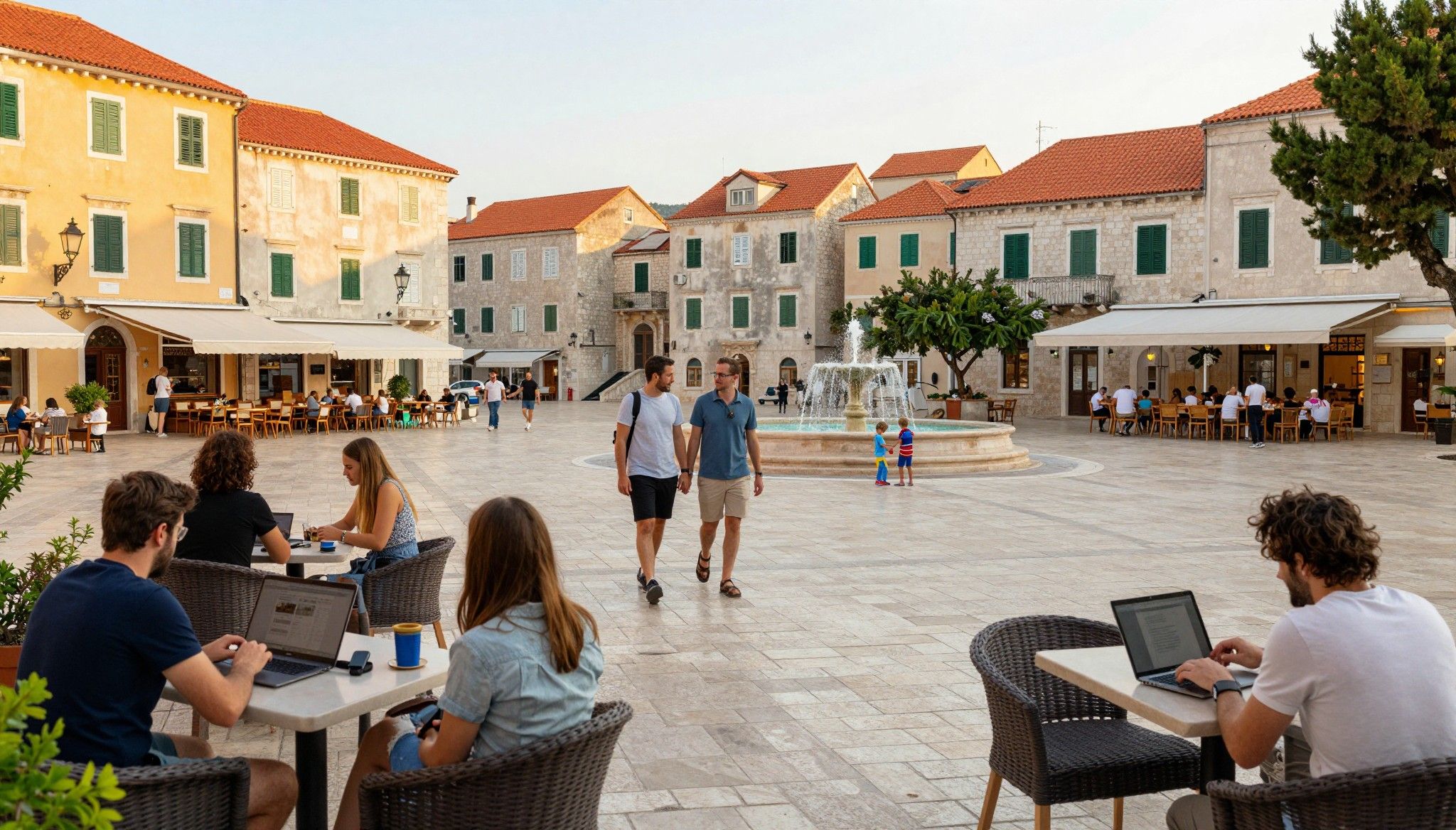
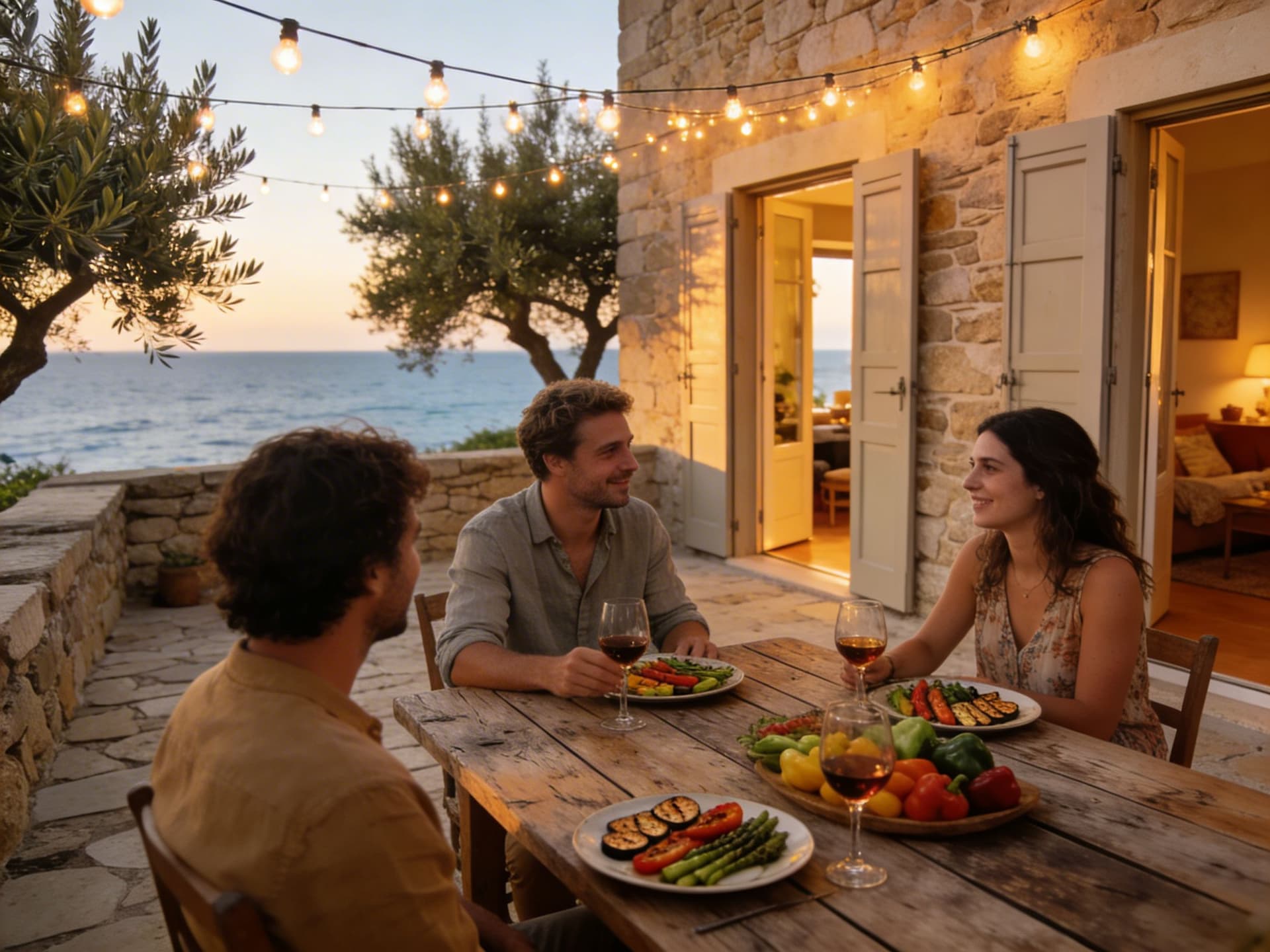
Living in Croatia moves at a human scale. Mornings mean markets—Dolac in Zagreb, Pazar in Split—where cheery vendors price the day’s catch and you learn the names of your neighbours. Afternoons drift between coworking spaces and sea swims. Evenings are long: aperitivo on a terrace, small plates, and the slow hum of local life. That rhythm shapes where you’ll want to buy: near a market, close to reliable cafés with fast Wi‑Fi, or a fifteen-minute ferry ride from the island you’ll visit every weekend.
Neighborhood moods that define the choice
Croatia’s neighbourhoods wear their histories on their sleeves. In Zagreb’s Lower Town (Donji Grad) you get leafy promenades, museums and cafés that double as remote‑work hubs. Split’s Veli Varos and the old Diocletian perimeter have cobbled alleys, rooftop views and a compact social life where you’ll walk everywhere. On the Istrian coast, Rovinj’s pastel lanes feel like a postcard; inland Istria offers renovated stone houses and slow food scenes. Each area gives you a different daily script—choose the script you want to live.
Food, festivals and the seasons that shape life
Seasonality is part of the romance and the caution. Summer swells with tourists—restaurants full, ferry timetables busy—which lifts rental demand in coastal towns. Autumn and winter strip away the gloss and reveal the day‑to‑day community. Festivals (Easter processions, St. Blaise in Dubrovnik, truffle season in Istria) define when neighbourhoods hum. For nomads, that means balancing summer vibrancy with off‑season authenticity when choosing a base and timing inspections.
- Dolce coast-and-city lifestyle highlights:
- Sip espresso on Split’s Riva and walk to a coworking space within 10 minutes.
- Weekend truffle hunts and wine tastings in Motovun and Istria—country houses with land still affordable compared with coastal villas.
- Island hops from Zadar or Šibenik—small harbours and slow island life within easy reach.
Making the Move: Practical Considerations
Croatia’s recent price growth has been robust: official indices showed double‑digit year‑on‑year increases in recent quarters, especially in Zagreb and along the Adriatic. That matters when you craft an offer—expect sellers to reference strong comps and be prepared to justify your bid with data and local context. At the same time, transaction volumes have softened in parts of the coast, which can open negotiation room for buyers who come ready.
Property styles and how they fit your life
Stone restorations in Istria suit slow‑life buyers who want land and olive groves. Compact apartments in Zagreb or Split suit nomads who want a walkable social life and coworking nearby. Coastal villas deliver the postcard view but bring higher carrying costs and seasonality. Match property type to how you’ll actually spend time—if you work remotely five days a week, prioritise reliable internet and a quiet workspace over sweeping sea views.
Work with local experts who know the rhythm
Local agents and bilingual lawyers are your emotional translators: they know which streets are lively in summer, which wells dry in August, and which neighbours will ask you about last night’s match. A good local agent will bring off‑market options, shepherd inspections in low season, and explain cultural cues that shape negotiation. Treat them as lifestyle curators as much as sales intermediaries.
- Offer-to-closing checklist (blend of lifestyle + practical):
- 1) Know the local comps: pull recent sold prices in the block or street and ask your agent for verified tax records.
- 2) Make a credible deposit: a modest but immediate earnest payment moves sellers; agree an escrow route with your lawyer.
- 3) Include realistic timelines: sellers in tourist towns expect quick summer exchanges; off‑season sellers may want longer closing dates.
- 4) Condition offers on due diligence: clear title check, utility hookups, and any coastal zone permits for sea‑front plots.
Insider Knowledge: What Expats Wish They'd Known
Honest talk: coastal glamour hides seasonal quirks and sometimes thin year‑round communities. Expats often underestimate off‑season utility and service availability or the patience required for local bureaucracy. But those who lean into community—learn a few phrases, be present at weekend markets—find neighbours who become the best property managers and informal ambassadors.
Language, customs and the small social rules
Learning basic Croatian phrases is practical: a simple 'Dobar dan' opens doors. Locals value personal introductions, so your lawyer or agent making the first call to a seller can shift tone from transactional to neighbourly. Expect paperwork to include handwritten elements in some rural registrations—don’t assume everything is fully digital.
Long-term lifestyle + property realities
Property here has shown strong price growth historically, driven by limited coastal supply and tourism demand. But markets fluctuate: recent reporting shows transaction cooling in parts of the coast even as price indices remained elevated. Think long term: if you want a second home for seasonal rental income, prioritise accessibility and rental demand; if you want a full‑time base, prioritise community services, healthcare access and year‑round neighbours.
- Red flags to watch for when making an offer:
- Unclear coastal permits (sea-front plots often require extra checks).
- Missing connection guarantees for mains water or sewage in remote properties.
- Discrepancies between declared and measured square metres in older stone houses.
- Vague HOA rules or shared‑access covenants on coastal communities.
If you spot any of these, pause the offer and bring in a local surveyor and lawyer. A small fee now avoids a large headache later—and keeps the joy of the place intact.
- Step-by-step: From offer to keys (practical timeline)
- 1) Informal offer: verbal or written expression of interest, accompanied by proof of funds.
- 2) Preliminary contract (predugovor) and deposit: usually sets the price, key dates, and due diligence window.
- 3) Due diligence: title check, municipal records, utility confirmations and survey (allow 2–6 weeks depending on complexity).
- 4) Final contract and closing at notary: completion, payment of remaining balance, registration steps (notary-led).
Timelines can compress for cash buyers or extend when permits or inheritance issues appear. Always confirm the exact steps with your lawyer and ask your agent for a local closing checklist.
Conclusion: Croatia isn’t just a property market—it’s a sensory life people choose. If you want that life, match romantic instincts with preparation: learn the neighbourhood rhythms, bring local experts into the conversation early, and craft offers that respect both market facts and local customs. Do this and the keys you get will open more than a door; they’ll open a kitchen table where new friendships start.
Dutch investment strategist guiding buyers to Greece and Spain; practical financing, tax, and portfolio diversification.