Italy: Love the Life, Then Buy the Neighbourhood
Fall in love with Italy’s lived-in neighborhoods, then buy with local data—tourism, coworking growth, and neighbourhood rules shape lifestyle and yields.

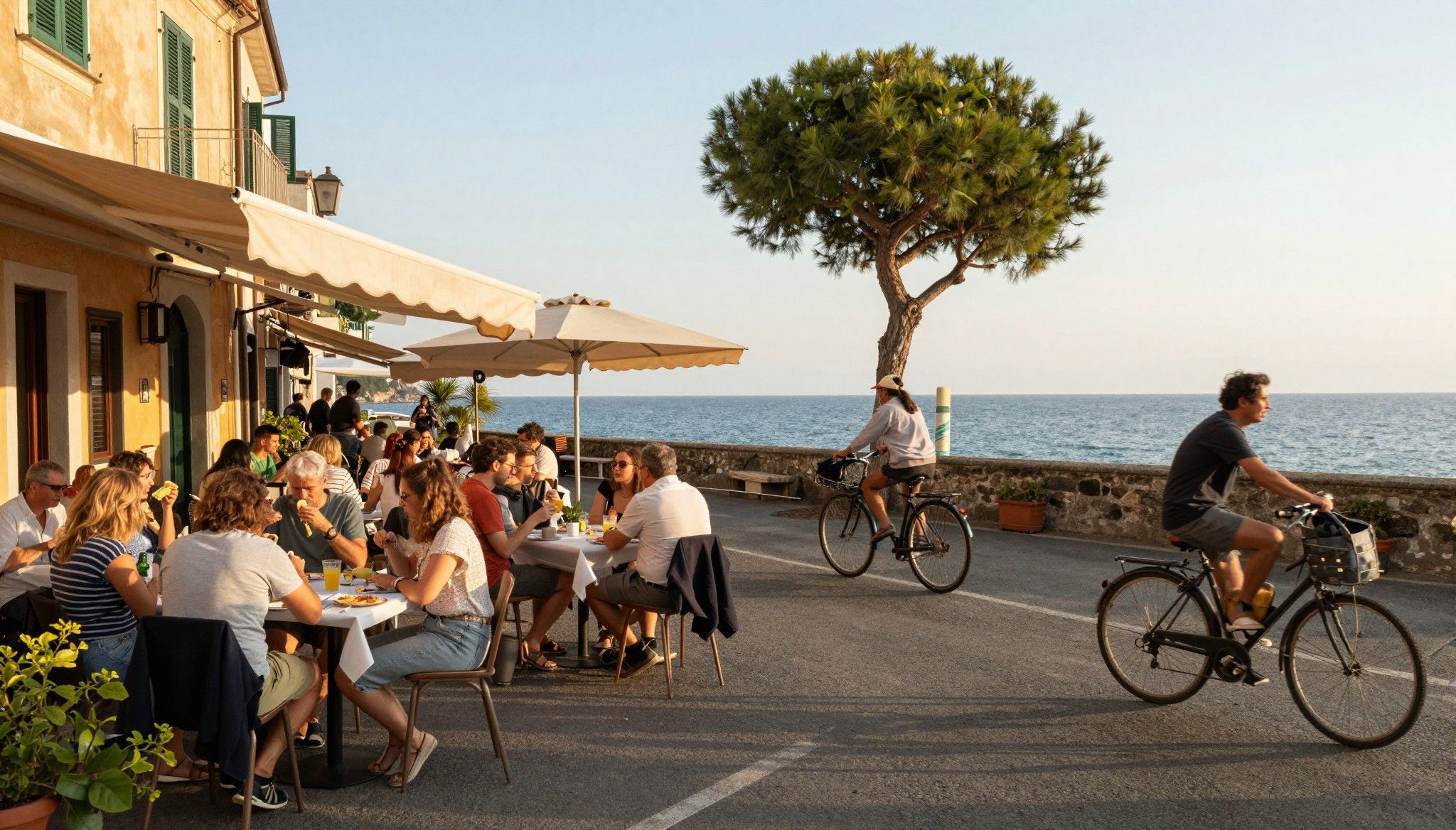
Imagine sipping espresso at a tiny table on Via dei Neri in Florence, then jumping on a train to spend an afternoon photographing sunset-light on the Arno. Italy feels like a lived-in film: narrow streets alive with conversation, markets that define the week, and coastline breakfasts where fishermen still pull the catch of the day. But for international buyers the romance sits beside real choices—seasonal demand, short-term rental pressure, and neighbourhood rules that change how a property will feel six months from now. Here’s a fresh, contrarian look at Italy that leads with the life you want and follows with the practical steps to make it yours.
Living the Italy lifestyle
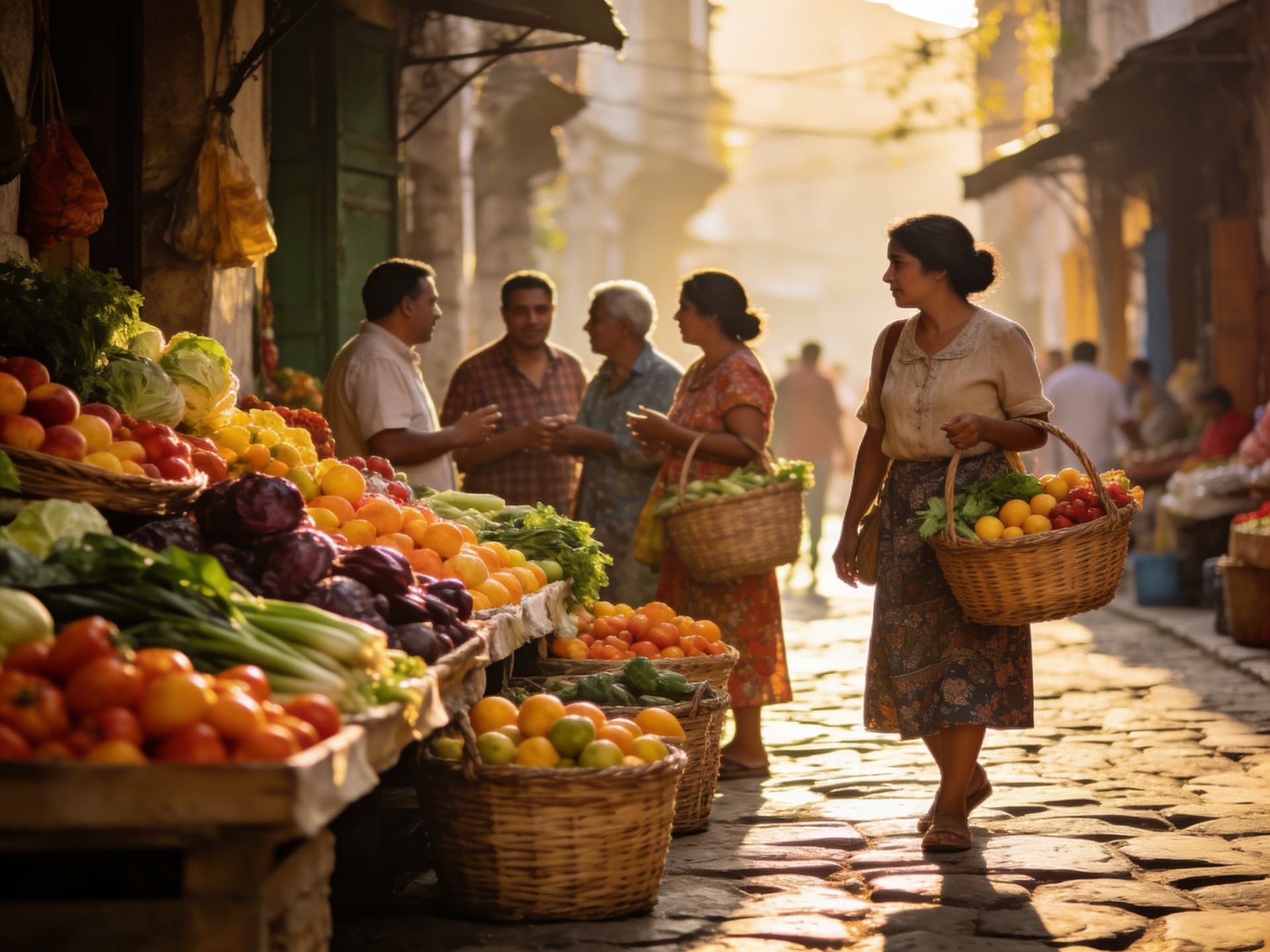
Italy isn’t a single mood—each region has its own tempo. In Rome you’ll hear Vespas and late-night laughter; in Puglia mornings open with markets and loafers; in Lake Como terraces mean aperitivo views, not just sunsets. For a nomad, that variety is gold: you can have mountain hikes one weekend, a coworking day in Milan the next, and a slow, food-first week in Bologna. But beyond the postcard there are daily rhythms: municipal markets at dawn, churches chiming at noon, siesta-like slow afternoons in smaller towns, and concentrated tourist seasons that can make the centre of historic cities feel very different from January to July.
Spotlight: Florence’s Oltrarno vs San Frediano
Walk the Oltrarno’s cobbled lanes and you’ll find artisans, tiny gelaterie, and Piazza Santo Spirito’s evening crowd—it’s where locals linger. San Frediano, a block over, has quietly become a hub for creatives and remote workers who crave espresso bars with stable Wi‑Fi and late-night trattorie. Both feel historic, but housing stock differs: palazzi flats with high ceilings here, light-filled attic conversions there. If you want community meetups and a café that becomes your office, San Frediano’s cozier streets win; if you crave grand architecture and museums on your weekend run, Oltrarno is your stage.
Food, markets and the weekly ritual
A day in Italy often orbits food: morning espresso at the corner bar, a mid-morning market run for seasonal produce, a long lunch with local wine. Markets like Mercato Centrale (Florence), Campo de' Fiori (Rome) or Mercato di Ballarò (Palermo) offer daily sensory education—knowing which stall has the softest burrata or the best porcini is how you become local. This ritual shapes what property matters: a kitchen worth using, a nearby market, and a small balcony to dry herbs or eat breakfast become lifestyle multipliers.
- Local lifestyle highlights
- Morning espresso at Caffè Gilli (Florence) or Pasticceria Marchesi (Milan).
- Saturday market strolls—Campo de' Fiori (Rome) or Mercato Ortofrutticolo (Bologna).
- Sunset aperitivo at Navigli canals (Milan) or a seaside passeggiata in Amalfi.
Making the move: practical considerations
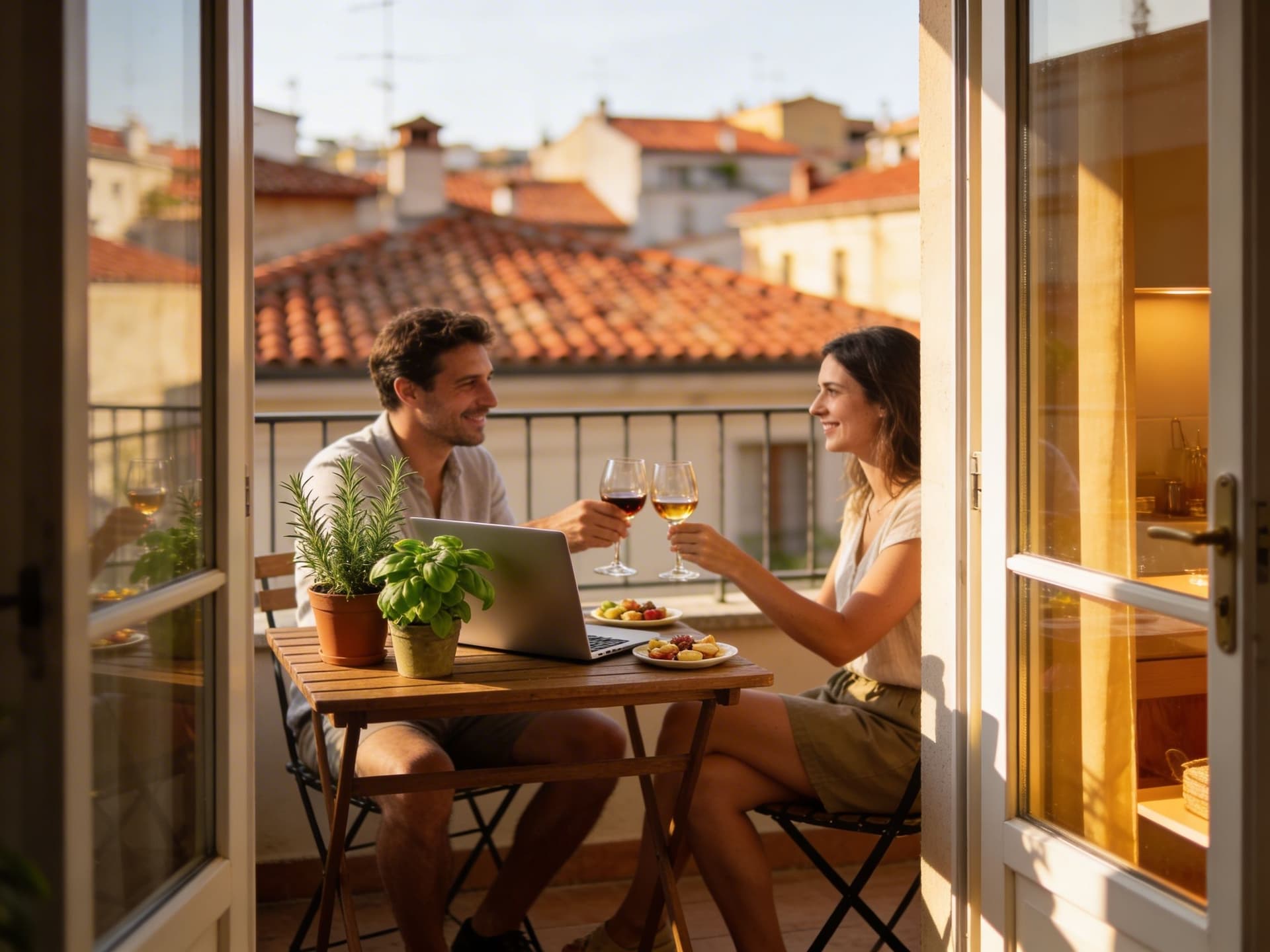
Your dream life meets market realities: Italy’s tourism rebound (record nights spent in 2024) means choices about short-term rentals and neighbourhood life matter more than ever. Cities like Florence and Venice are actively managing overtourism, which can affect rental income and local rules around vacation letting. That’s a good thing for buyers seeking long-term neighbourhood character, but it changes investment math. Use local data and a neighbourhood-savvy agency to align lifestyle goals with regulatory trends.
Property styles & how you’ll live in them
From historic palazzo apartments to modern open-plan lofts and renovated farmhouses, each style suits a different nomad life. Palazzo flats: dramatic rooms, central addresses, possible noisy streets and limited AC. Lofts in Milan: great for home offices and natural light, close to coworking clusters. Countryside masserie (Puglia) or Tuscan farmhouses offer space and gardens but expect slower broadband and a need for backup power. Match property type to work needs—fast fixed broadband and a sunny work nook are non-negotiable.
Working with local experts who know the life you want
- How to brief an Italian agent so they find lifestyle, not just listings:
- 1) Describe your week: mention coworking needs, preferred markets, and whether you want nightlife nearby.
- 2) Ask about local rules on short-term rentals and any municipal limits—these change neighbourhood rhythm and yields.
- 3) Confirm broadband speeds and mobile signal for the exact address—reliable internet is the lifestyle linchpin.
- 4) Request introductions to a neighbourhood co‑op, market vendor, or local café owner—these contacts unlock real living insights.
Insider knowledge: what expats wish they'd known
Expats often romanticise Italy and then bump into local reality: bureaucratic slowness, neighbourhood politics over short lets, and a demographic shift that affects services. Italy’s ageing population and youth emigration change neighbourhood mixes—some smaller towns are quieter midweek and buzzing on weekends. Yet this demographic shift also opens unique opportunities: lower listing competition in lesser-known towns, enthusiastic local renovation teams, and more favourable prices outside the prime art cities.
Cultural integration, language and community
Learning conversational Italian changes everything. Even basic phrases open doors at the market and at the post office. Join local associations—volunteer at a festival, take a cooking class, or show up to aperitivo hour—to swap language practice for local goodwill. For nomads, coworking meetups and language exchanges bridge the gap between tourist and neighbour faster than expensive classes alone.
Long-term lifestyle and practical sustainability
Think five-year lifestyle: will your neighbourhood keep the vibe you bought into? Check municipal plans, short‑let regulations, and local investment projects. Italy’s tourism recovery means demand remains strong, but sustainable living choices—smaller energy bills from insulation, workable remote-office layouts, and proximity to transport—make the difference between a holiday purchase and a home you love long-term.
- Insider tips before you sign
- Visit the property at different times (weekday morning, Saturday evening, winter) to feel seasonal changes.
- Ask the agent for utility bills and building minutes to spot hidden maintenance costs.
- Confirm local waste collection and market days—small logistics affect daily life more than a view.
Conclusion: fall in love with the life, then lock the details. Italy offers an unmatched richness of daily ritual, food, and neighbourhood character that turns a property into a home. Start with vivid lifestyle criteria—markets within 10 minutes, a reliable café with good Wi‑Fi, and a balcony for morning light—then work with an agency that can translate that wishlist into specific streets, building types, and clauses in the offer. Schedule visits in different seasons, verify broadband and short‑let rules, and ask for local introductions. Do that, and Italy will repay you with a life that feels unmistakably yours.
Danish investor and relocation advisor focusing on Portugal and the Algarve; loves coworking culture and expat networks.