Fall for France — Budget Like a Local
Fall in love with France — then budget like a pro: expect ~7–8% acquisition costs for old homes, prioritise fibre and copro charges, and time offers off‑season.
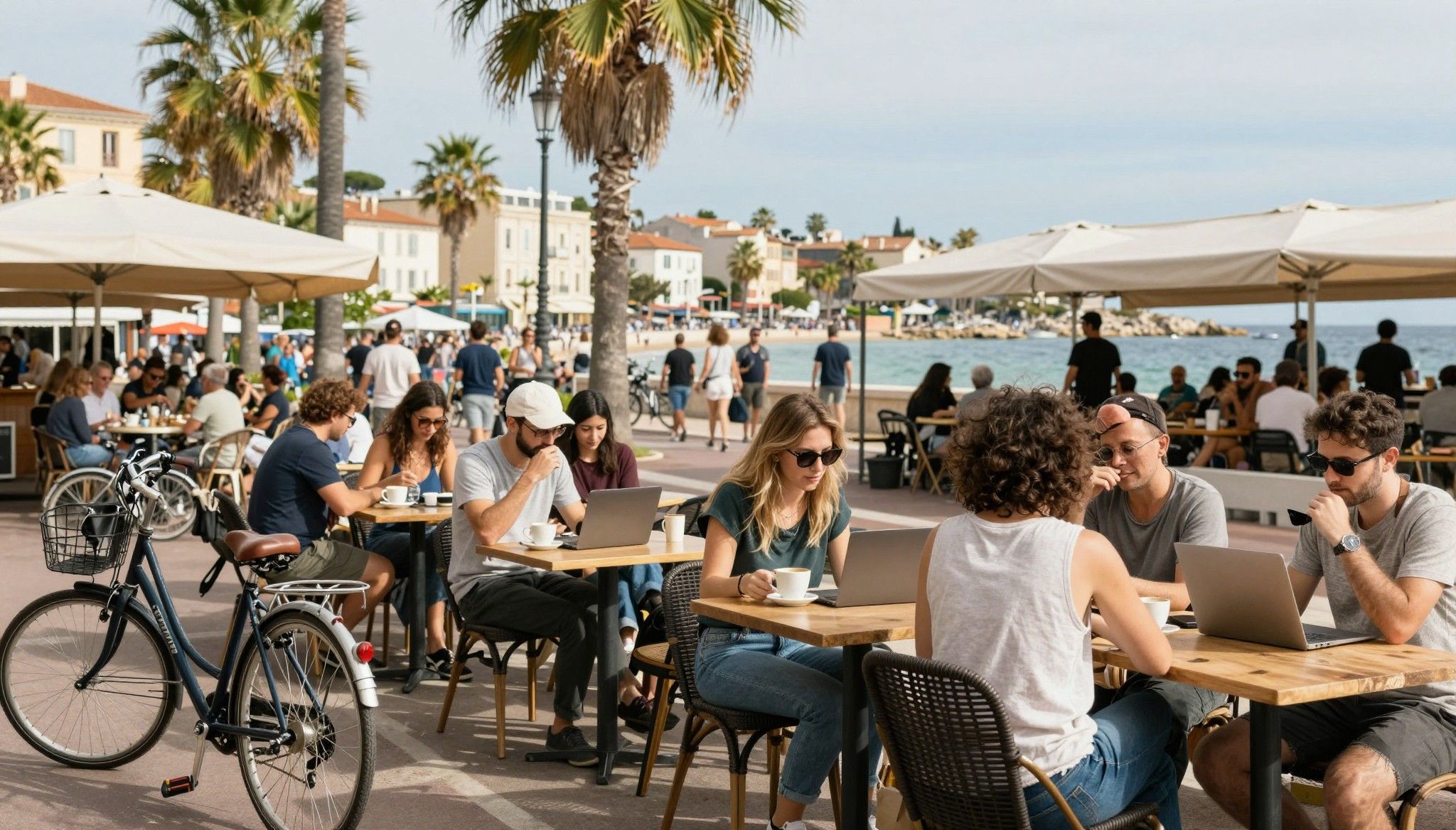
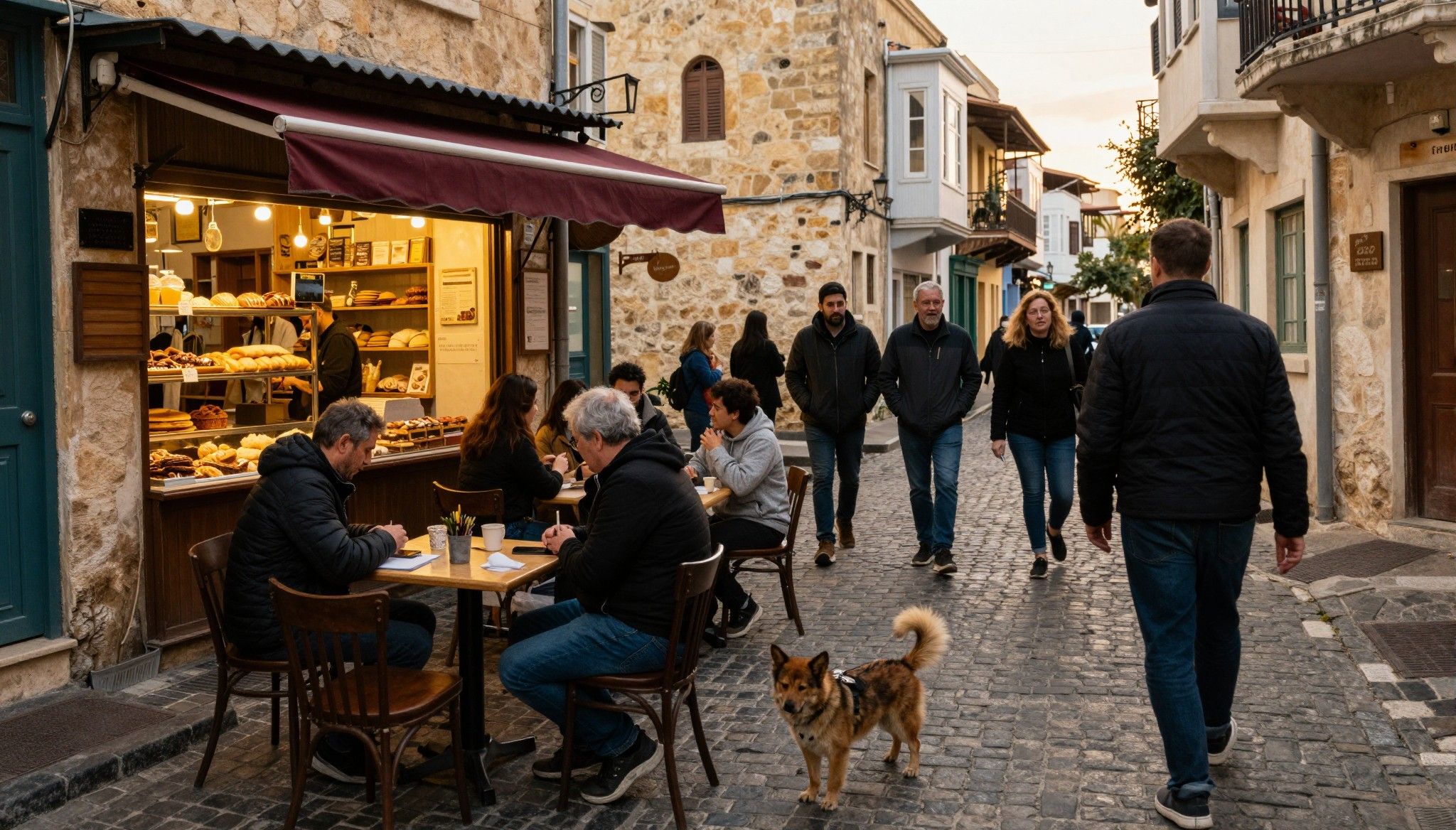
Imagine waking up to a boulangerie on your corner in Lyon’s Presqu’île, grabbing espresso in a sunlit window at Café des Fédérations in Bordeaux, or cycling along the palm-lined promenades of Nice after work. France seduces with markets, weekend siestas in village squares, and the hum of neighborhood life — but buying here means matching that dreamy life to hard numbers. This guide blends the romance (cafés, coastlines, and local rhythms) with precise budgeting steps so you fall for France — and sign with confidence.
Living the France lifestyle: more than pretty façades

France is sensory: boulangeries at 7am, marché stalls at 10, late dinners in candlelit bistros, and village fêtes in summer. The rhythm changes by region — slow and pastoral in Dordogne, stylish and fast in Paris and Lyon, sunlit and seasonal along the Riviera. For a nomad, that variety is gold: mountains and ski towns for winters, Mediterranean beaches for summers, vineyards for long weekends. But lifestyle choice needs to be budget-informed: central Paris brings instant culture but higher purchase prices and different tax/ownership realities than a coastal village in Brittany.
Le Marais to Canal Saint‑Martin: cobbled streets, museums, and cafés. If you want walkability, coworking closeby, and nightlife that hums late, central Paris neighborhoods deliver. Expect smaller floorplans, higher per‑m² prices, and a premium for charm — but exceptional rental demand if you ever rent.
Real example: a one-bedroom in the 3rd or 10th arrondissement will be compact but perfect for a remote worker who values cafés and meetings. Consider building amenities (elevator vs stairs), insulation (old stone can be cold), and internet readiness — many historic Paris buildings need wiring upgrades for reliable gigabit service.
Bordeaux and Lyon combine lively food scenes and growing tech hubs with more affordable entry points than Paris. Neighborhoods like Lyon’s Croix‑Rousse or Bordeaux’s Chartrons offer markets, cafés, and community life that nomads love — with roomy apartments and access to coworking spaces.
- Lifestyle highlights to budget for in France:
- • Daily café culture: plan for weekly market spending and eating out — good life costs money.
- • Seasonal living: summer rentals and heating bills in old stone houses (budget for winter energy costs).
- • Connectivity: fibre availability varies — prioritise streets with FTTH or quick upgrade potential.
- • Community access: coworking memberships, language classes, and association fees help integration.
- • Local transport: pass costs for trams/metros versus owning a car in rural regions.
Making the move: practical budgeting that matches the life you want

Here’s the money truth: for existing housing (old stock) expect around 7–8% of the purchase price in acquisition costs (commonly called “frais de notaire”) — for new builds, roughly 2–3%. These fees bundle state transfer taxes, departmental levies, and the notary’s own emoluments. Start your budget with realistic, region-adjusted figures and you won’t be surprised at closing. Source: Notaires de France and Service‑Public overviews.
A key variable is the departmental land registry tax (droit de mutation) — rates moved in recent years and commonly sit around 5.8–6.31% for older properties depending on department decisions. New-builds are heavily discounted (around 0.7%). Always ask your local notaire for the exact percentage for the department where you’re buying.
- Steps to bake realistic costs into your offer:
- 1. Get a written estimate from a French notaire early — they’ll list transfer taxes, registration fees, and their emoluments.
- 2. Add agency fees (often 3–7%), survey/diagnostic costs, and a buffer of 2–4% for unexpected repairs or municipal charges.
- 3. If financing, confirm mortgage-related costs (arrangement fees, exchange‑rate considerations if borrowing in euros), and include life/repayment insurance costs in your cashflow plan.
Check market direction before committing. INSEE and notarial reports show persistent price growth in major cities while some rural markets cooled. Factor regional momentum into your budget: buying in a rising city may mean paying a premium today but better liquidity later; quieter markets offer bargains but slower resale.
Practical tip: ask for recent comparable sales (fiches de vente) from the local notaire or agency to validate list prices and gauge how fast properties move in your target neighborhood.
Property types and how they shape costs and lifestyle
Apartments in historic buildings: romance vs. renovation
If you crave cafés below and a balcony view, old Parisian or provincial apartments are alluring. But they often come with collective charges (charges de copropriété) that cover maintenance and heating, and sometimes major works (ravalement) voted by the copro — budget for one-off special assessments.
Detached homes and vineyards: outdoor life with higher running costs
Country houses or villas offer space and gardens — great for family weekends or work-life balance — but expect higher heating, insulation upgrades, and possible septic works (if not on mains sewer). Factor renovation timelines into your budget; rural properties often need modernization to meet nomad needs (fast internet, workspace).
- Money-and-lifestyle factors to weigh when choosing property type:
- • Wifi readiness vs cost of fibre installation.
- • Monthly copro fees and what they cover (elevator, concierge, heating).
- • Energy class (DPE) and likely renovation needs for insulation/heating.
- • Local services: English‑speaking doctors, international schools, and coworking proximity for community life.
Work with local experts who know both life and law
A French notaire secures the legal side; a local agent finds lifestyle fits; an English‑speaking accountant or tax adviser maps ongoing costs. Use professionals who’ve placed international nomads — they’ll advise on inheritance law implications, local tax residency triggers, and structuring ownership for ease of travel and rental. The notaire’s written cost estimate is non-negotiable paperwork you should request early.
- A simple 5-step buying checklist for nomads (budget-first):
- 1. Pin the lifestyle: choose 2–3 neighbourhoods that match your work, social life, and climate needs.
- 2. Build a total cost model: purchase price + 7–8% acquisition costs (old) or 2–3% (new) + agency + renovations + 6–12 months running costs buffer.
- 3. Validate supply: request recent sale prices from the notaire and check listing velocity on local portals.
- 4. Lock in financing: speak to French banks or international lenders early to understand rates, LTV, and insurance rules.
- 5. Get a pre-check: survey, DPE (energy report), and clear title checks before any deposit.
Insider knowledge: expat realities and seasonal timing
Expats often underestimate seasonal reality: summer open houses can be misleading — towns fill with tourists and prices spike for short-term demand. Conversely, late autumn to winter can be the best time to negotiate: fewer buyers, motivated sellers, and clearer property conditions without seasonal staging. Also, French inheritance rules are automatic and may affect long-term planning — get local legal advice if you plan to leave the property to non-EU heirs.
Cultural notes that matter when budgeting
Small things add up: exact utilities billing cycles, municipal taxes (taxe foncière and taxe d'habitation shifts), and local renovation permit timelines. Ask locals: the mairie (town hall) is the best first stop for understanding building rules and future works that could affect value and costs.
Conclusion: marry the romance to realistic numbers
France can be your everyday life: market mornings, rooftop aperitifs, and neighbourhood friends. Budgeting well — using notaire estimates, regional price checks, and a realistic renovation and running-cost buffer — keeps the dream sustainable. Next step: shortlist two neighbourhoods, ask for written acquisition cost estimates from a notaire, and set a 10% contingency for unseen local realities. When you need an agent who knows both the cafés and the clause in the compromis, reach out — the right local expert turns a fantasy into a lived-in home.
Dutch investment strategist guiding buyers to Greece and Spain; practical financing, tax, and portfolio diversification.