Greece neighbourhoods that actually suit nomad life
Experience Greece as a lived lifestyle: which neighbourhoods fit remote work, family life and year-round living — with market-backed tips for international buyers.
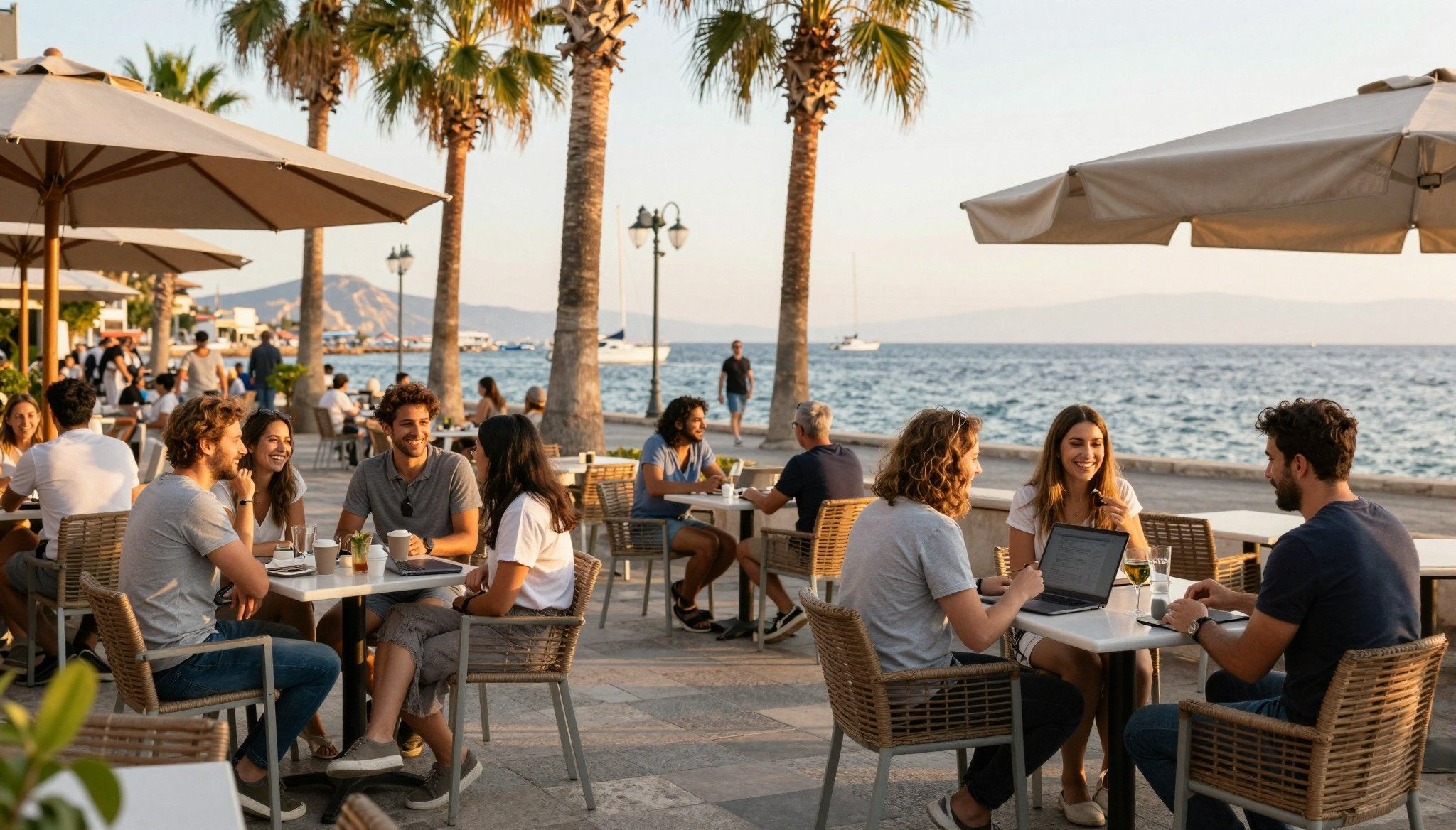
Imagine sipping a late-morning espresso on a shaded plateia in Koukaki, then answering a client call from a sunlit balcony that looks toward the Acropolis. Greece moves at two speeds: slow, convivial days full of markets and tavernas, and surprisingly efficient bursts — short work sprints between seaside swims and evening mezze. For international nomads and families alike, those rhythms shape where you choose a home more than square footage or a sea view alone. Recent market analysis shows foreign demand reshaping neighbourhoods, so lifestyle-led choices have real financial ripple effects.
Living the Greece lifestyle
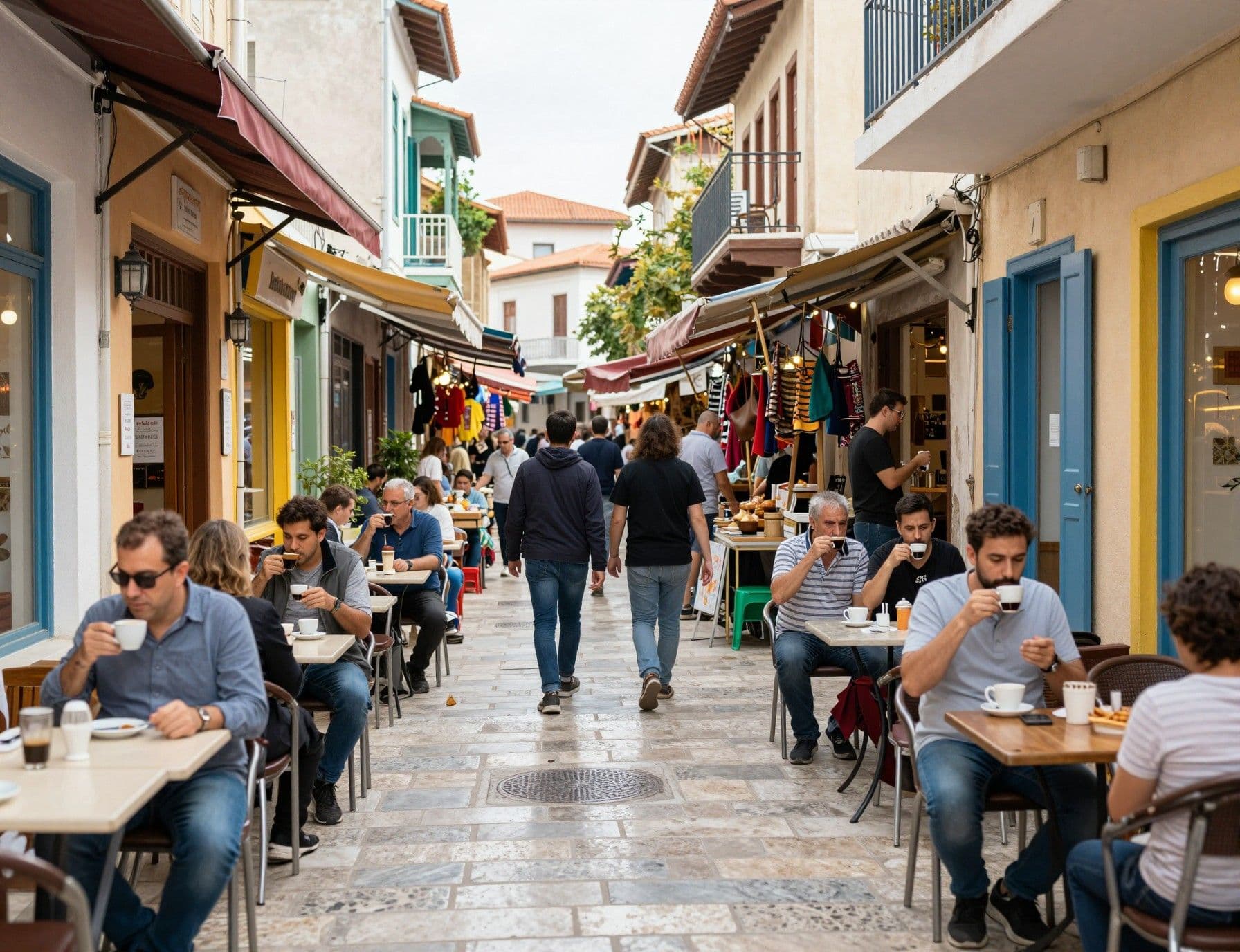
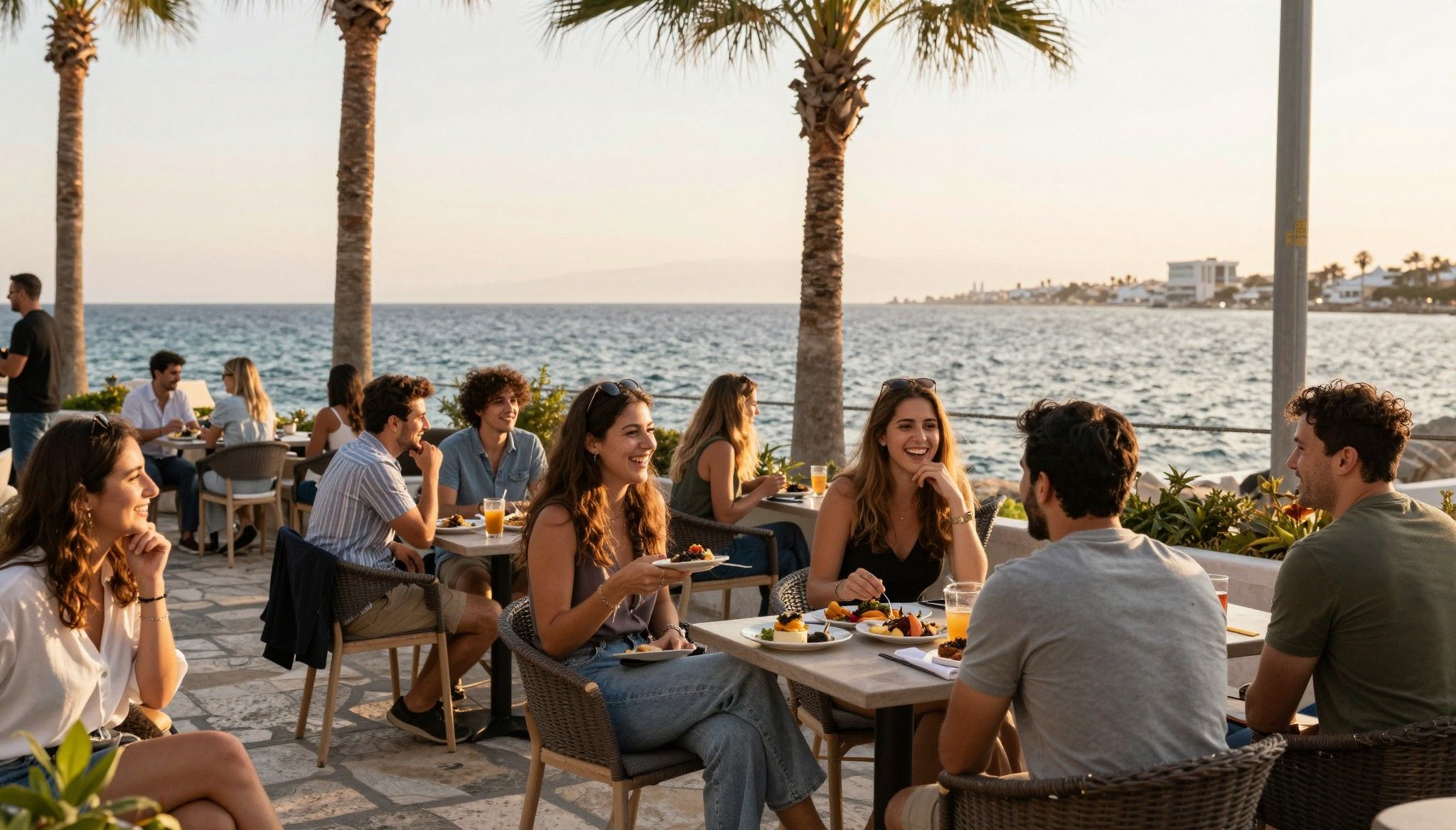
Greece is a mosaic of places: Athens neighbourhoods that pulse with coffee culture, island villages where fishermen mend nets at dusk, and coastal suburbs with family beaches and palm-lined promenades. Daily life is sensory — citrus and sea air, bakeries filling the morning streets, music spilling from a taverna after sunset. For buyers, that means lifestyle tradeoffs: central Athens offers instant culture and coworking cafés, while the islands promise slower summers and thin off-seasons. Understanding those rhythms helps you pick the neighbourhood that fits the life you actually want.
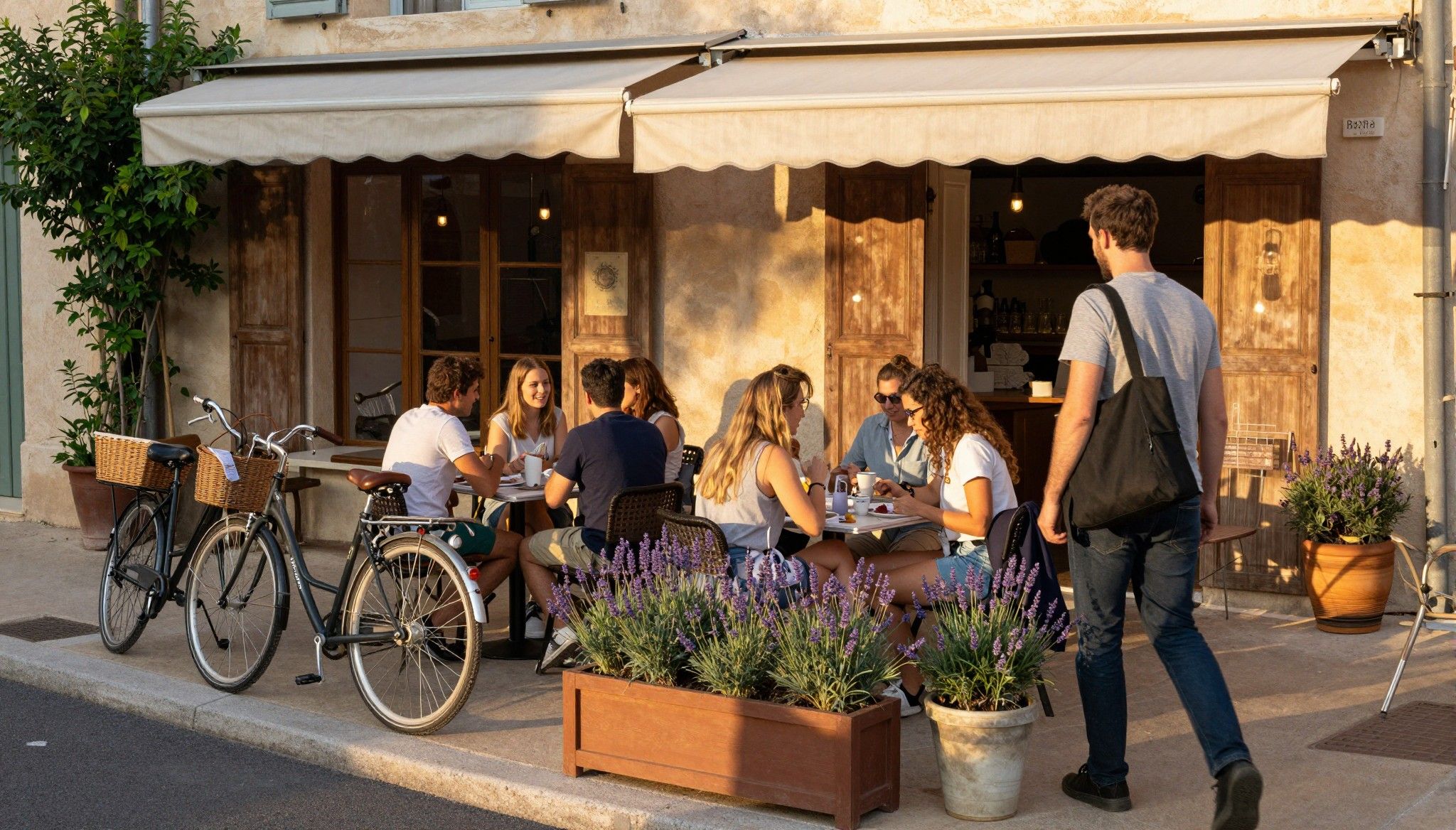
Spotlight: Koukaki and Pangrati — two neighbourhoods that feel lived-in, not staged. Koukaki’s Drakou pedestrian lane hums with specialty coffee shops and small galleries; you can walk to the Acropolis and still find a local bakery where the owner greets everyone by name. Pangrati has leafy squares and an energetic local scene that’s perfect for meetups or afternoon coworking in a friendly café. These pockets let you taste Athens life at street level and still work reliably online.
Food and markets are the social glue. Picture Saturday mornings at Varvakios Market in Athens or a fisherman's stall in Chania: produce piled high, vendors offering samples, and neighbors catching up. Dining here is communal — long plates of grilled fish, small-plate meze, and wine that stretches the evening. For many buyers this is decisive: neighbourhoods with a daily market or beloved kafeneio feel like home faster than sterile new developments.
Lifestyle highlights to seek
- Morning espresso rituals at Drakou (Koukaki) and neighborhood bakeries.
- Accessible coworking spots and cafes with dependable Wi-Fi — vital for nomads.
- Weekly markets (Varvakios, Chania market) for fresh produce and social life.
- Short walks to green spaces or beaches — Glyfada and the Athens Riviera deliver easy swims after work.
Making the move: practical considerations

Dreams meet paperwork the moment you start viewing properties. Greece’s market momentum and foreign-buyer demand have tightened supply in hotspots, so timing and local expertise matter. Economic reports and market insight highlight steady growth in many regions; that’s great for long-term value but means you should align lifestyle priorities with realistic expectations about price movement and rental demand. Translating a neighbourhood vibe into a practical purchase requires local help who understand both the rhythm of life and land registry realities.
Property styles and how you’ll live in them
Choices range from classic Athens flats with shuttered balconies to island stone houses and modern villas with terraces. In Athens, a renovated 1–2 bedroom apartment near a square often becomes a turnkey lifestyle base — small, walkable, and full of cafés. On islands like Crete or Paros, expect seasonal swings: exceptional summers and quieter winters; insulation and water supply matter for year-round living. Pick a property type that matches your daily habits: terrace for morning sun and calls, a quiet courtyard if you need deep-focus work hours.
Working with local experts who get the lifestyle
- Meet local agents who live in the neighborhoods they sell. They’ll point out practical things you won’t see in listings: which cafes have the best afternoon Wi‑Fi, where the quieter streets are, or which block floods in storm season. Ask agents for specifics: recent utility bills, condominium meeting minutes, renovation permissions. Use a three-step habit: 1) shortlist areas by lifestyle needs (coworking access, market proximity, beach walkability), 2) schedule in-person or virtual walkthroughs during typical weekdays, 3) confirm day-to-day details with neighbours or local shop owners.
Insider knowledge: what expats wish they'd known
Real talk: locals don’t always value the same things as buyers. A terrace with planters and shade is priceless to neighbors but rarely priced in listings; conversely, sellers often highlight sea views while understating winter accessibility. Many expats learn to check community life first — which cafes feel like a third place, how neighbours behave in off-season, and whether there’s an active local association. Market reports show a shift to mid-range, practical purchases by foreign buyers; lifestyle fit is frequently the decisive factor in long-term satisfaction.
Cultural integration, language and daily rhythms
You’ll get farther by learning a few phrases and joining local routines than by waiting for perfect fluency. Neighbourhood squares, volunteer beach cleanups, and local festivals are where friendships form. Greece’s digital nomad visa and community-focused coworking spaces make it simpler to live and work legally while you embed into local life. Respecting local customs — long lunches in summer, quieter hours on Sundays in some towns — will make neighbours welcome you rather than tolerate you.
Long-term lifestyle and practical considerations
- Plan for three horizons: immediate (first 6–12 months), seasonal (first 2 years), and long-term (5+ years). 1) Immediate: orient yourself — register utilities, test internet providers, find a doctor and a grocery run. 2) Seasonal: experience a full year to understand tourist peaks, quiet months, and maintenance cycles. 3) Long-term: think about resale or rental demand — coastal suburbs like Glyfada combine family life with reliable summer demand, while central Athens neighbourhoods offer year-round rental stability.
If you want to wake up to the sea but keep weeknight coworking, consider hybrid solutions: a compact city pied-à-terre for weekdays and a small island property for weekends, or a coastal suburb within an hour of Athens with ferry links. Agencies who specialize in lifestyle matches — not just quick sales — will show you options that fit both work and life. Start with a wishlist of non-negotiables (internet speed, proximity to market, walkable cafés) and let that guide neighbourhood choices as much as price per square metre.
Ready to fall in love and make a confident move? Spend a month living like a local in two contrasting neighborhoods — Athens (Koukaki/Pangrati) and a coastal suburb (Glyfada) or an island town (Chania or Paros). Keep a checklist focused on life, not listings: morning routines, noise, neighbours, and where you’d work on a rainy Thursday. Then call an agent who asks about your café habits, not just your budget — that’s the kind of local expertise that turns a property into home.
Norwegian who has helped 200+ families relocate from Oslo to Spain; expert in relocation services and community integration.