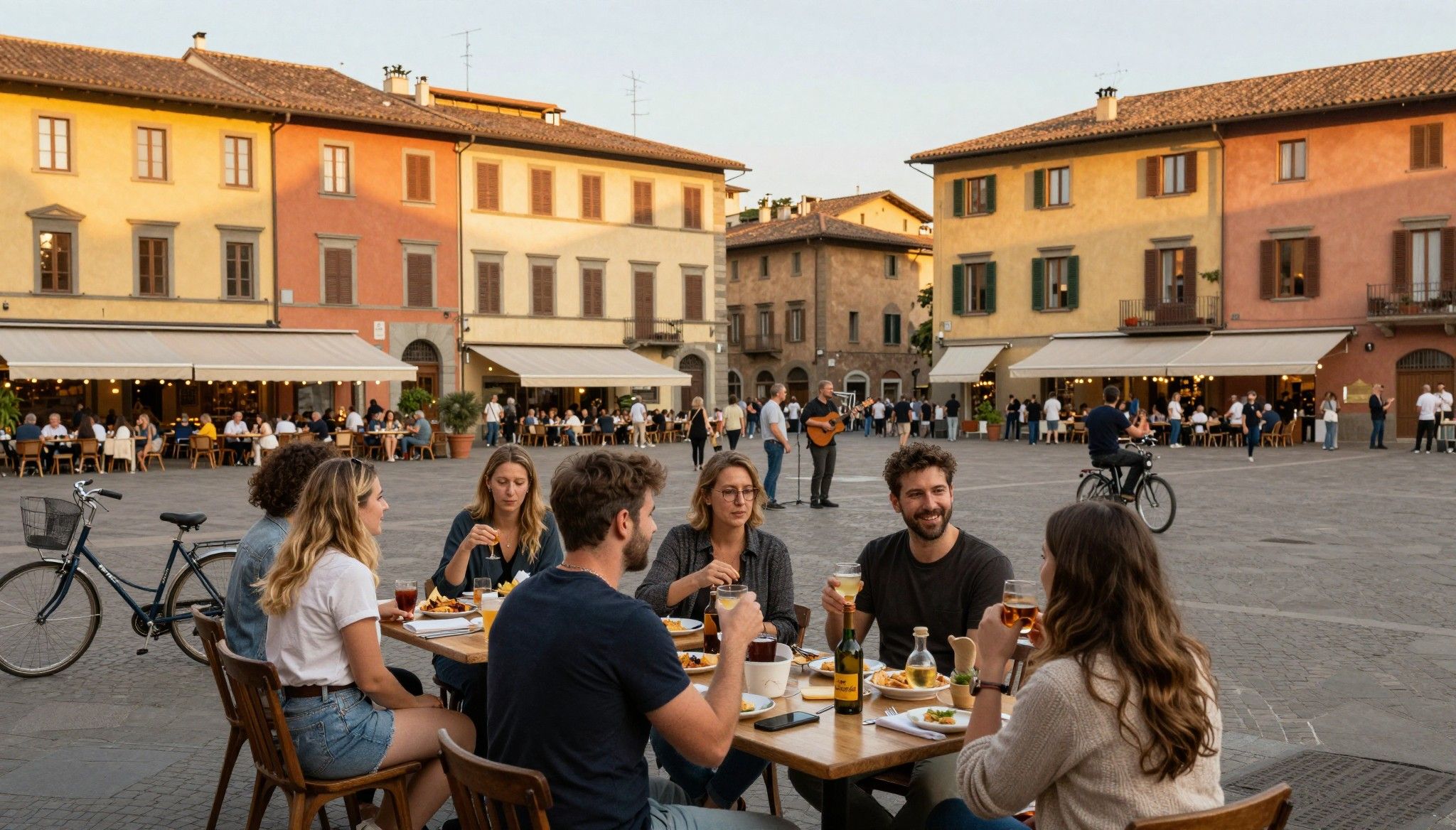
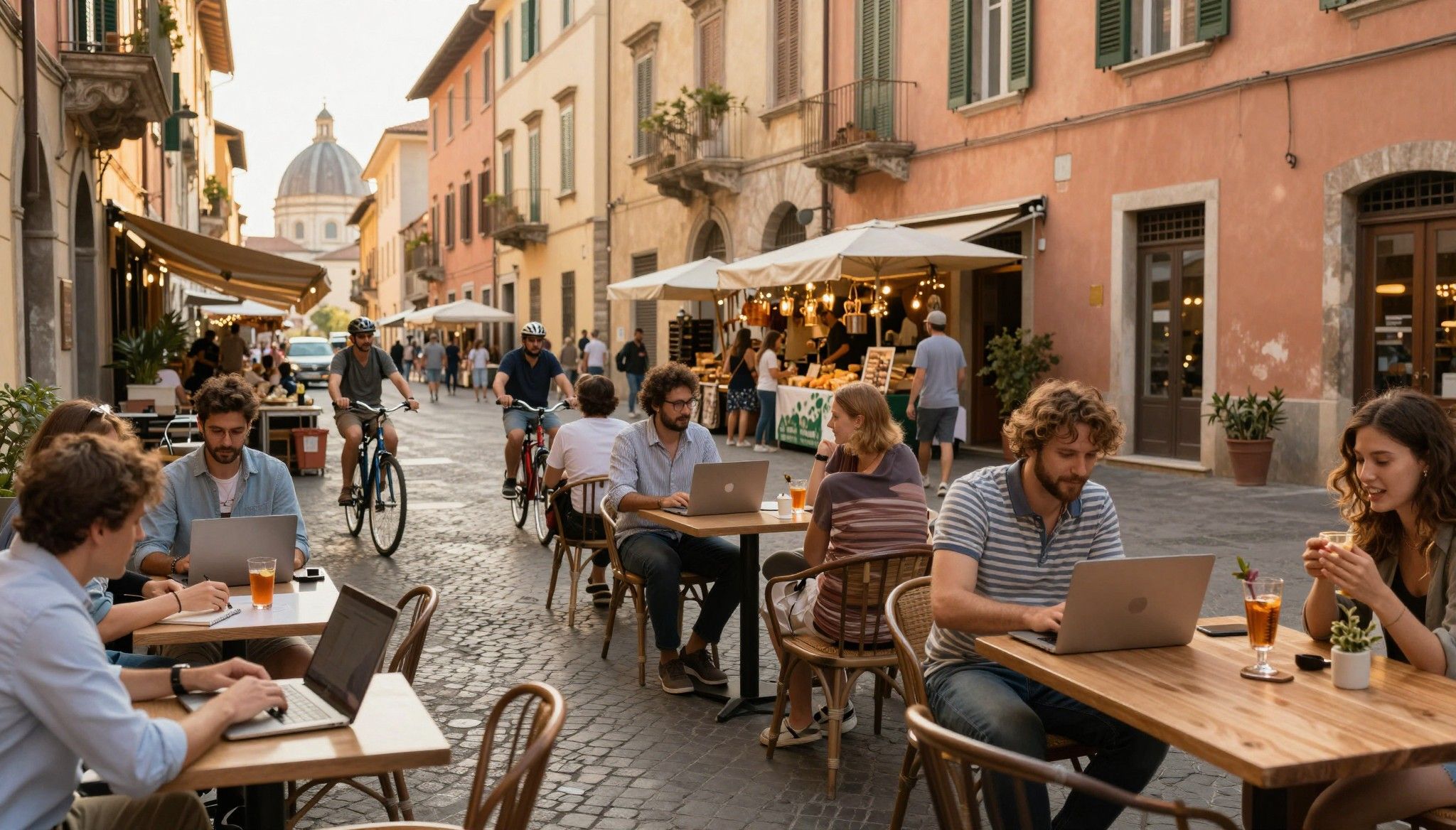
The Malta neighbourhood everyone overlooks (buy in now)
Malta’s hype loves sea views — smart nomads buy the lived‑in streets instead. Focus on fiber, walkability and local vibe for better daily life and smarter returns.

Imagine stepping out of a sun-baked townhouse onto a cafe-lined street where English and Maltese chatter mix, a tram of scooters hums by, and the harbour’s blue is never more than a 20-minute walk away. That’s Malta: compact, loud with history, and deceptive in size — you can live seaside rhythms and city convenience in the same week. But here’s the twist most buyers miss: the glittering sea‑view is often a marketing price premium, while quieter central streets deliver the day‑to‑day life nomads actually crave.
Living the Malta life: close, bright, and surprisingly local
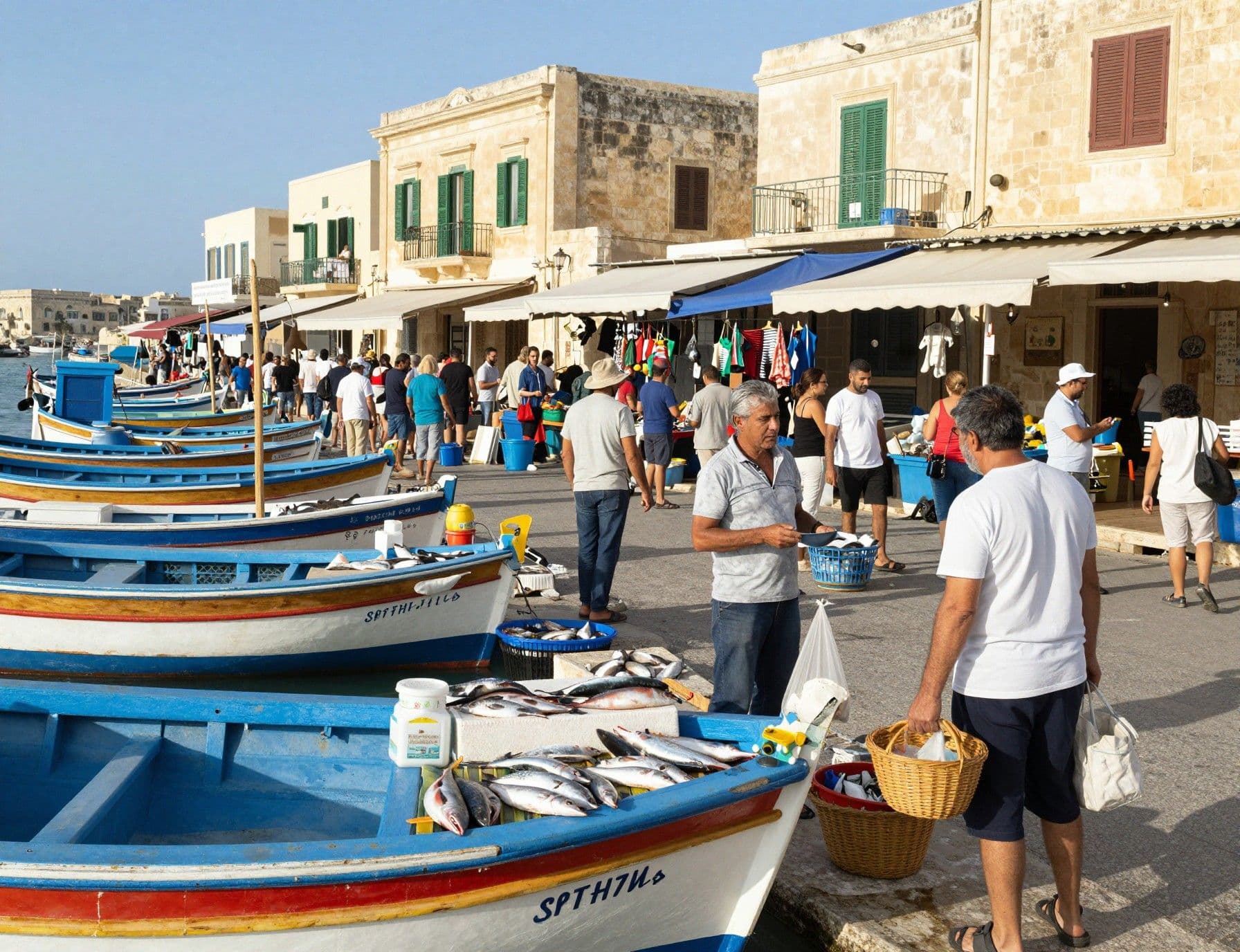
Day-to-day Malta is mercifully small. Mornings mean espresso at a pavement cafe in Sliema, a midweek grocery run at Marsaxlokk market, afternoons of coworking in Valletta, and evenings on a Saint Julian’s waterfront terrace. English is an official language, so bureaucratic hair-pulling is milder than most Mediterranean moves. For nomads, the island’s density means a 25–40 minute radius covers beaches, nightlife, groceries, and fast fibre — life here is about choice within a short commute.
Valletta & the Three Cities: history as your backdrop
Picture walking narrow limestone streets, lunchtime fish by the Grand Harbour, and working from a restored palazzo with light-filled windows. Valletta and the Three Cities (Vittoriosa, Senglea, Cospicua) are for people who want to live inside Malta’s story: baroque facades, boutique cafes, and cultural programming that keeps the calendar full. Properties here often mean older buildings with character — and renovation trade-offs. For remote workers, that trade-off is worth it when a rooftop becomes your golden-hour office.
Sliema, Gzira & St Julian’s: the coworking corridor
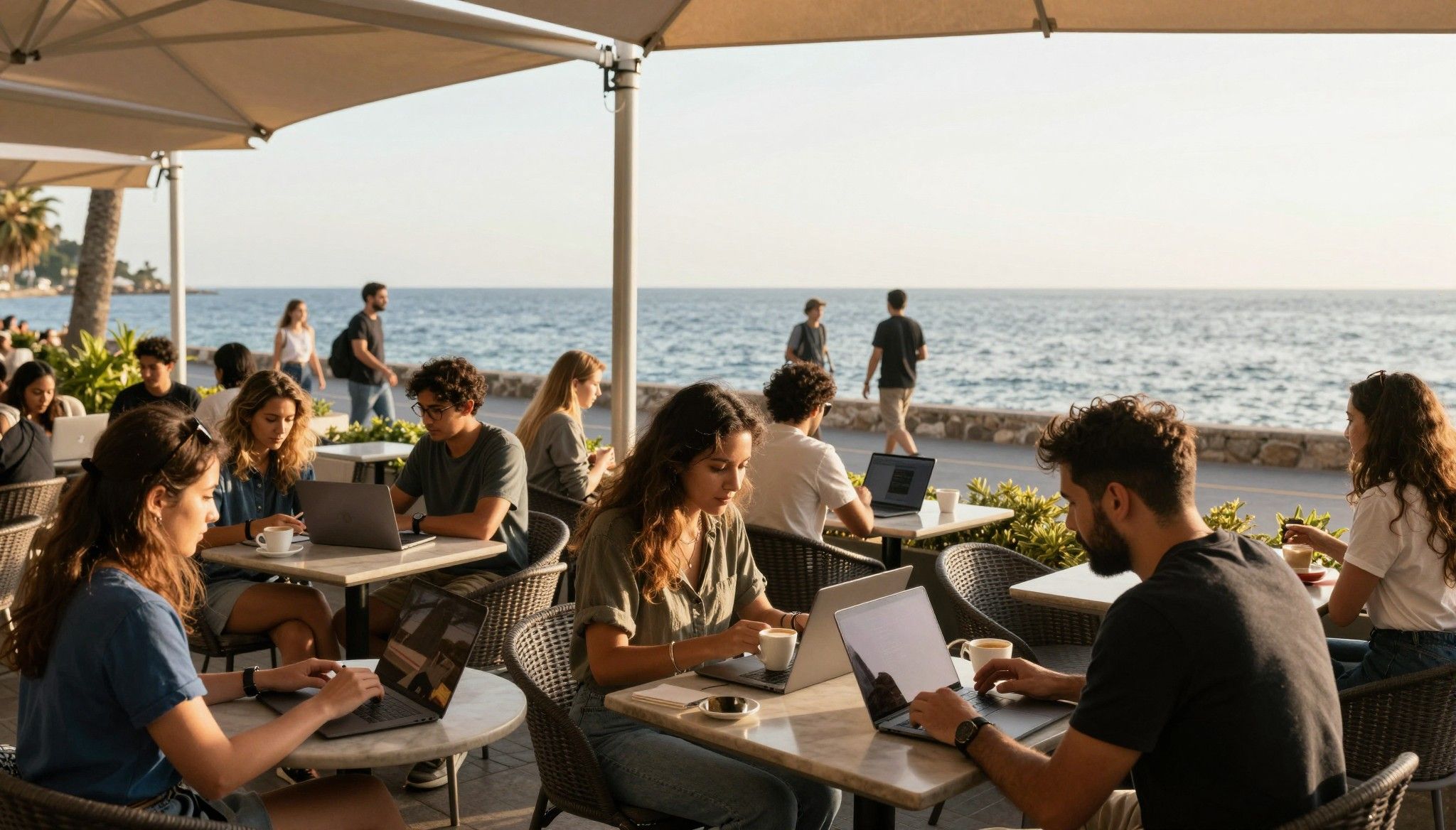
If a reliable café‑to‑desk routine matters, this is your strip. Sliema and Gzira offer fast ferries, long seafront promenades, and a cluster of coworking spaces and cafés with dependable Wi‑Fi. St Julian’s pivots to nightlife and serviced apartments — perfect for short-term lets or social nomads. Expect more modern apartments and higher asking prices than inner Valletta, but also plug-and-play comfort and easy social scenes.
- Lifestyle highlights to sample in week one
- Morning espresso at Cafe Jubilee (Valletta); an afternoon swim at Għajn Tuffieħa; sunset aperitivo along Sliema promenade; Sunday seafood at Marsaxlokk market; evening jazz at Spazju Kreattiv.
Making the move: practical choices that preserve the lifestyle
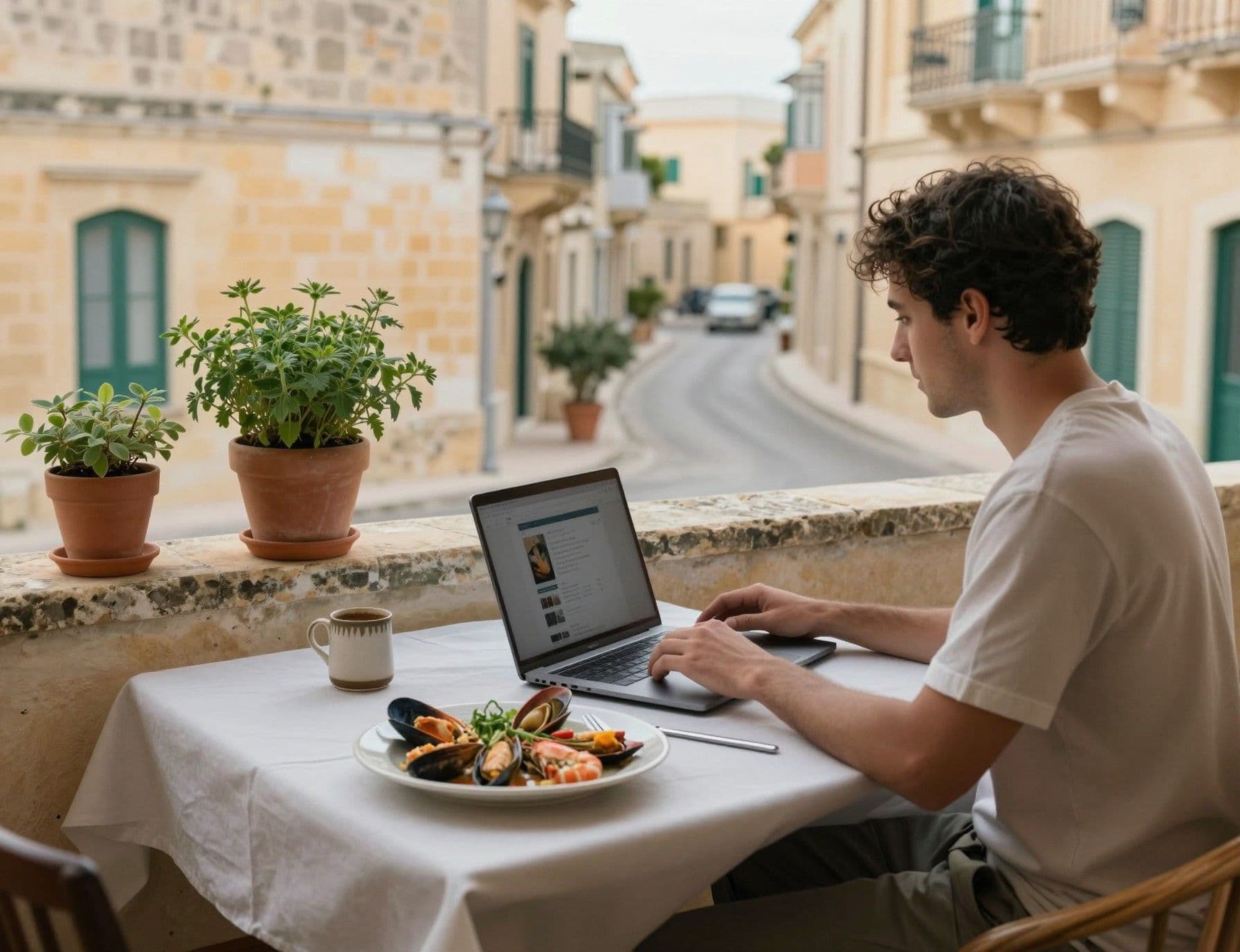
Dreams meet contracts here. Malta’s market has cooled from the breakneck growth of the late 2010s but still shows mid-single-digit national price increases driven by strong rental demand and foreign buyers. That means the right neighbourhood still beats a sea-view sticker shock: buy where daily life is easiest for you — walkability, fibre, and coworking — and you’ll recoup lifestyle value even if the view isn’t headline‑grabbing.
Property types & how they shape remote life
Stone townhouses give you terraces and history, but often need insulation and wiring upgrades. Modern apartments (the dominant new supply) mean lifts, fibre-ready wiring, and small balconies — they’re easier to set up as home offices. Maisonettes in quieter suburbs blend indoor-outdoor living with family-friendly layouts. Choose the type that supports your daily routine: consistent internet, a bright nook for work, and a pleasant walk to coffee.
Work with local experts who get nomad life
Not all agents are equal. Seek agencies familiar with short-term letting rules, fibre installation timelines, and Malta’s permit nuances. A good local agent helps flag noise patterns (St Julian’s weekend clubs), seasonal rental peaks (summer lift in demand), and conservation-area constraints that affect renovations. Think of your agent as a lifestyle matchmaker: they should map properties to your work habits, not just show glossy photos.
- Move checklist that blends life + logistics
- 1) Confirm broadband availability at the specific address; 2) Visit during an off-peak month to sense noise and crowding; 3) Ask about permitting in Urban Conservation Areas before bidding; 4) Compare local rental yields if you plan to let while away.
Insider knowledge: what expats wish they’d known
Expat life feels easy, but the island’s tiny scale bites back if you underestimate it. Parking, renovation schedules, and seasonal tourism rhythms have outsized effects. Locals are warm but value routine; join a club, a gym class, or a co‑working community and you’ll be welcomed faster than trying to force friendships. Long-term residents say: favour convenience over optics when choosing a home — that’s where the happy weeks add up.
Language, culture, and making a life here
English gets you almost everywhere, but learning basic Maltese phrases is a local love language. Weekends revolve around family, food, and festa calendars; plazas come alive with band marches and church feasts. Respect for local rhythms — quiet Sundays in some villages, late dinners elsewhere — smooths integration and helps you pick a neighborhood where your lifestyle meshes with local life.
Long-term thinking: resale, rental and resilience
If you plan to stay 3–7 years, target properties where maintenance and local demand align. Apartments in the Sliema–Gzira corridor and central Valletta historically show liquidity; rural villas are slower to sell. Keep an eye on changing regs for conservation zones and the Permanent Residence Programme if residency is part of your decision — these can affect buyer pools and long-term demand.
- Red flags local buyers watch for
- Unclear ownership history in older townhouses; lack of fibre-ready wiring in listings; properties within noisy nightlife blocks if you need daytime quiet; conservation-area restrictions that block desired renovations.
Ready to start? Book a short exploratory trip timed for shoulder season (April–May or late September) to feel the island without the summer crush. Walk the streets at dawn, test cafés for Wi‑Fi and power outlets, and talk to neighbours. Bring a list: broadband check, noise check, permit check. Then call an agent who can match the life you sketched with addresses that deliver it.
Malta seduces with sunshine and history, but the real win for nomads is the ability to design a life that flawlessly stitches work and play. Ignore the sunset photo that costs more than it’s worth; buy the street where you’ll actually live.
British expat who moved from Manchester to Mallorca in 2017. Specializes in market analysis and helping fellow Brit navigate local regulations.