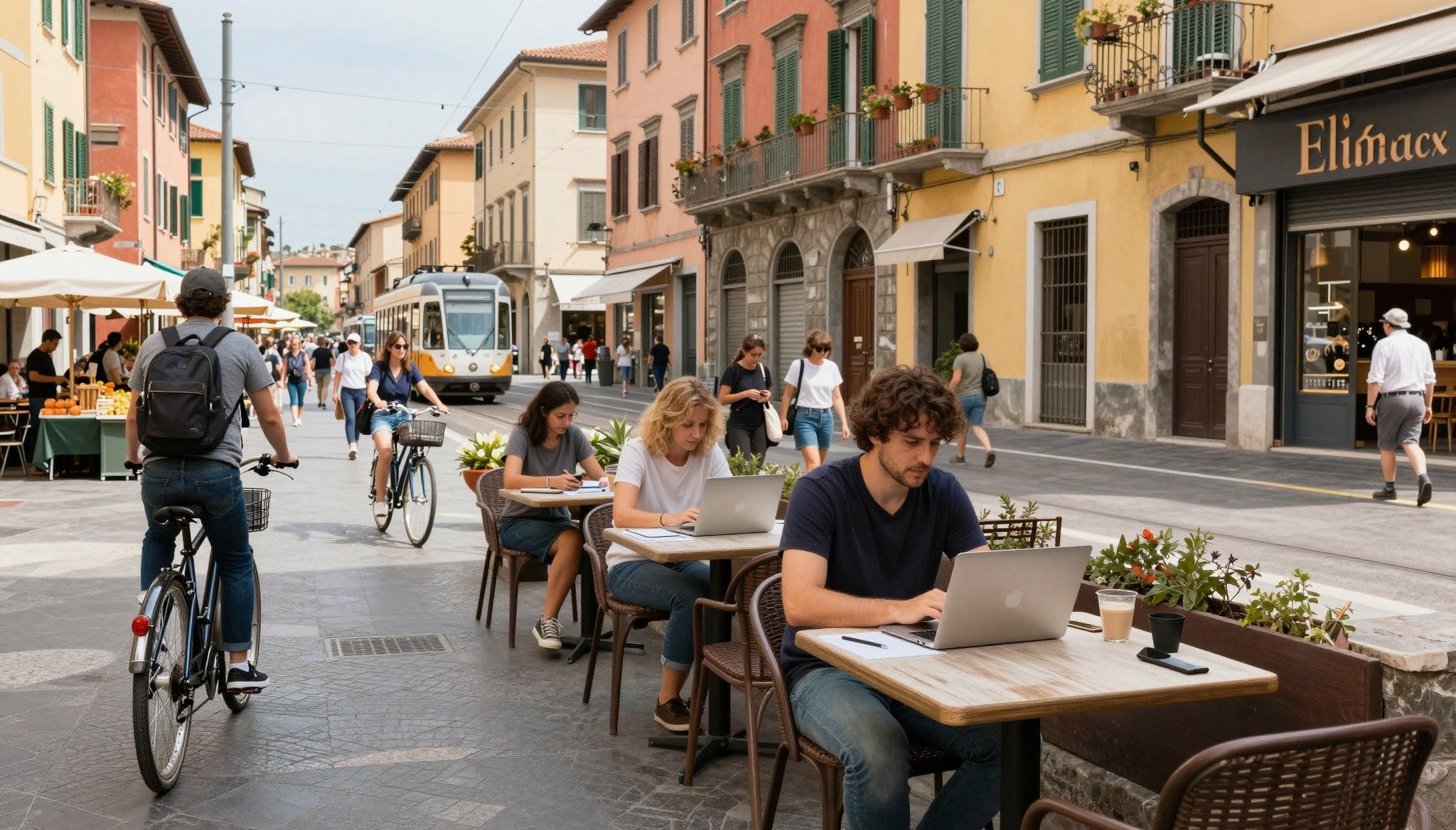
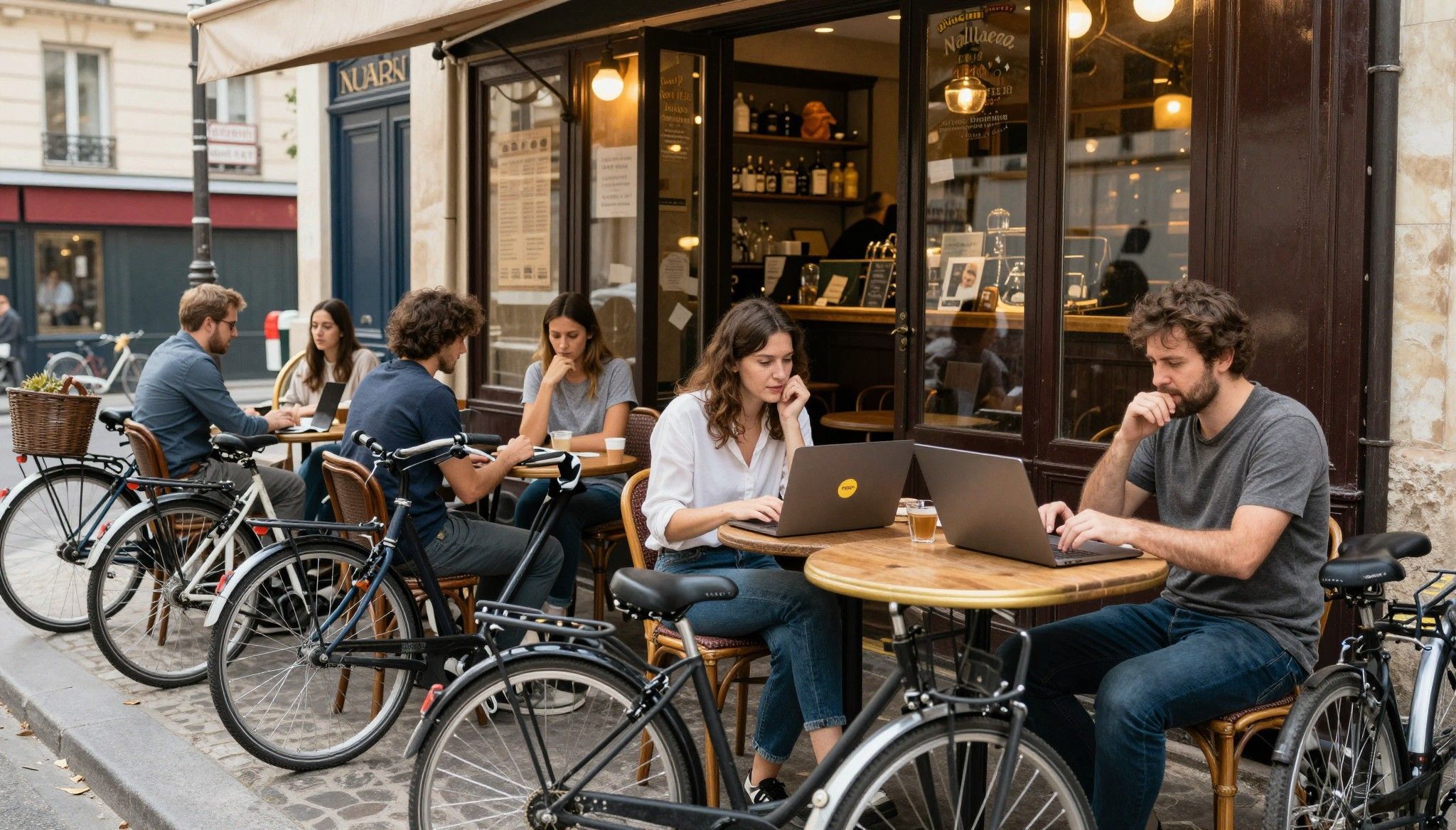
Buy Italy for Life, Not Just Location
Italy’s charm is obvious; the smartest buyers match piazza-life to broadband, local agents and selective market data for a lifestyle-first purchase.
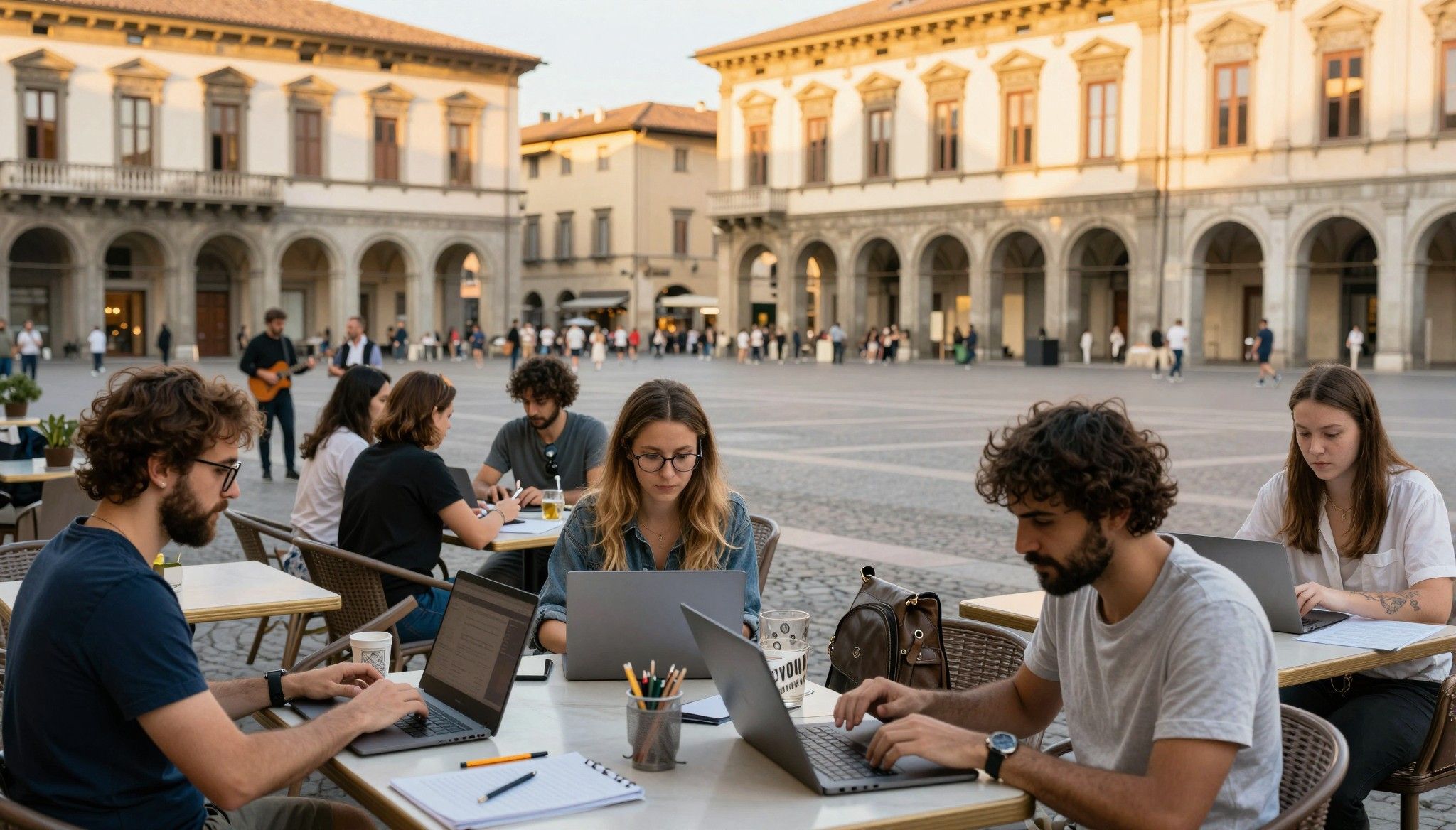
Imagine sipping espresso at a corner bar in Trastevere, hearing church bells, then heading to a coworking space that feels like a neighbourly salon. Italy folds history into everyday life: cobbled streets, morning markets, late-night aperitivi and Saturdays at the mercato. For international buyers, the romance is real — but the smartest purchases tie that romance to data, timing and local know-how. Recent market analysis shows the Italian market is steady, selective and full of surprises for lifestyle-minded buyers.
Living the Italy lifestyle
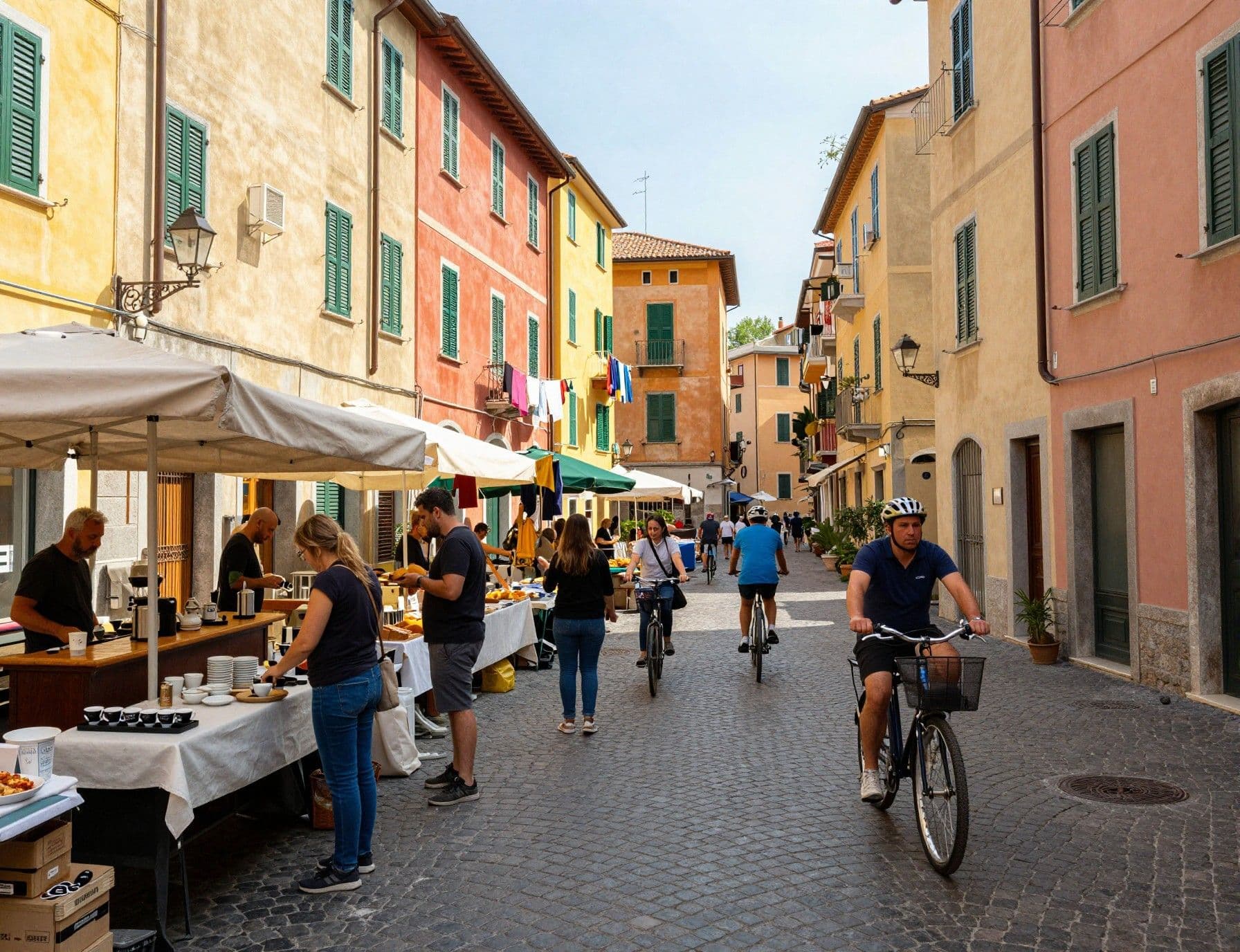
Italy isn’t one mood — it’s many. Mornings in Milan are efficient and design‑minded; afternoons on the Amalfi Coast slow to a sunlit drift; winters in the Dolomites bring a cosy alpine cadence. Property decisions are driven as much by rhythm as by square metres: do you want a piazza outside your door or a terrace with a vineyard view? National statistics show modest, city-led price growth, meaning lifestyle choices matter more than a single national headline when you buy.
City pulse: Milan, Rome, Bologna
If you crave coworking, fast cafés and a networking scene, Milan or Bologna feels effortless. Rome blends tourist magnetism with neighbourhood rituals — testaccio markets and Trastevere’s evening hum. The Bank of Italy’s housing survey notes that demand is strongest and most selective in major cities, where modern apartments and flexible workspaces attract remote professionals. Think compact apartments with terraces, reliable fibre and a lively street life rather than oversized suburban houses.
Coast, country and slow-town choices
Buying in Puglia, Sicily or Tuscany often buys you space, a garden and a kitchen that becomes a social hub. These places reward buyers seeking a slower life: farm-to-table mornings, village festivals, and neighbours who know you by name. Regional reports from agencies like Nomisma show growing interest in these secondary markets, where price pressure is weaker and rental seasons (short-term tourism) can boost returns if you’re savvy. But remember: infrastructure and bureaucracy vary wildly by region.
- Lifestyle highlights to test in person
- Grab a morning espresso at Caffè Florian in Venice or a lesser‑known bar along Via dei Coronari and watch daily life unfold.
- Shop at Mercato Centrale (Florence) or Mercato di San Lorenzo for fresh produce that makes cooking feel like ritual.
- Explore coworking hubs in Milan’s Navigli and Rome’s Prati — they’re where expats and local creatives meet.
Making the move: practical considerations
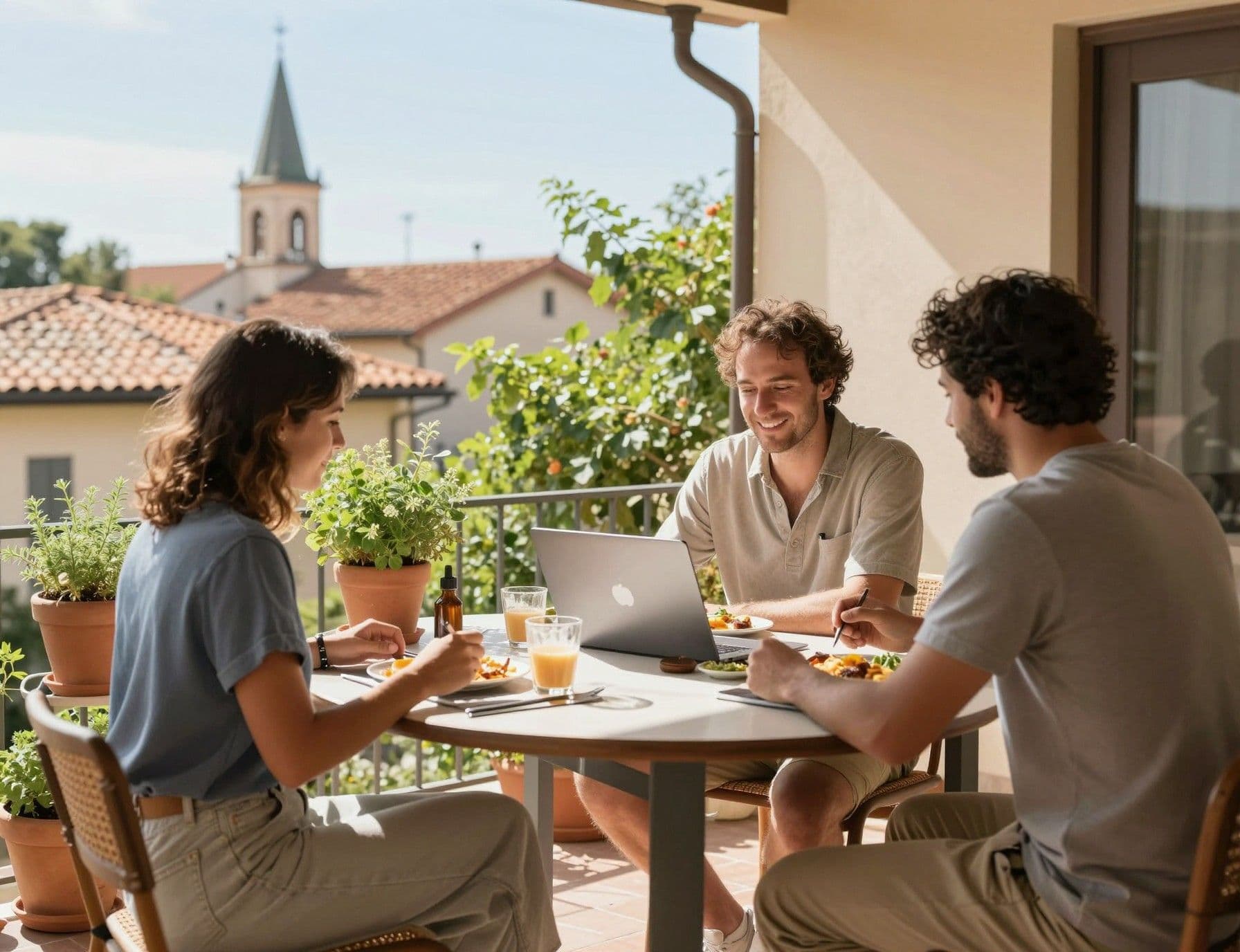
Romance pulls you in; logistics keep you there. Before you sign, match your lifestyle must‑haves to tangible property features: fibre‑ready buildings, a workable balcony, nearby markets, and a realistic renovation budget. National data show price growth concentrated in cities and desirable coastal pockets, so think regionally when balancing lifestyle and value. Work with local agents who speak the lifestyle language — they’ll point out walkable streets, reliable utilities and which neighbourhoods quiet down after tourist season.
Property styles and how you'll live in them
Historic apartments in central Rome or Florence give you charm and a walkable life, but often require work: mezzanines, narrow staircases, and upgrading heating or insulation. Newer builds in Milan and Turin offer modern wiring and elevator access — better for full-time remote work. Country villas and restored farmhouses win on space and gardens, but check connectivity and seasonal maintenance costs. Match the property fabric to your routine: morning market runs, evening aperitivo spots and the commute to a nearby coworking hub.
Working with local experts who know the lifestyle
A great local agent is part concierge, part translator. They’ll steer you to properties with strong broadband, understand seasonal rental dynamics, and flag energy‑efficiency requirements that affect renovation costs. Use agents who can introduce notaries, surveyors and property managers who actually reply quickly — responsiveness matters when you’re abroad. Local financial advisors will also explain how mortgage availability and terms differ between residents and non-residents, and whether a short‑term rental strategy suits your lifestyle and cashflow goals.
- Steps to align lifestyle with purchase
- Visit neighbourhoods for at least three days at different times — mornings, evenings and a weekend — to sense daily rhythms.
- Test internet at prospective homes and nearby cafés; aim for fibre or consistent 4G/5G if you work remotely.
- Ask agents about seasonal noise or tourist peaks and whether short‑term rentals are allowed in the building.
Insider knowledge: what expats wish they'd known
Expats quickly learn that lifestyle surprises matter more than square‑metre math. Italians treat food, family and pace as essential; neighbourhood bonds trump glossy building amenities in many towns. Connectivity is improving — national reports show rising broadband speeds — but always verify in your exact building. Small cultural details, like riposo (afternoon quiet) and the central role of the piazza, will shape daily life and where you’ll feel at home.
Language, community and social rhythm
You don’t need fluency to start — a friendly neighbourhood and basic Italian go a long way — but learning local phrases speeds integration and opens doors. Join language cafés, volunteer at a mercato stall occasionally, or sign up for a cooking class to meet neighbours fast. Expat groups cluster in Milan, Rome, Florence and coastal hotspots, but smaller towns often reward initiative with quicker friendships and invitations to local festivals.
Long-term lifestyle and investment realities
If you plan to stay long-term, prioritise energy efficiency, commuter access and neighbourhood services. Market data indicate city-core strength and selective coastal demand, so consider secondary towns for value and community depth. Expect renovation timelines to be slower than in some countries — embrace patience and budget extra time. With the right property and a local team, Italy can deliver a balanced life: inspiring days and manageable investments.
- Red flags to spot early
- No clear ownership history or missing building energy certificate — request documents up front and verify with a local notary.
- Poor or inconsistent internet in a listing — test before committing, or factor in upgrade costs.
- Neighbourhood that’s lively by day but deserted at night — visit after dark to check safety and local services.
Conclusion: fall in love deliberately
Italy asks you to choose a life, not just a property. Start with neighbourhoods that match your daily rhythms, verify connectivity and legal clarity, and partner with agents who understand both market dynamics and local life. Use the data — ISTAT and central bank reports show selective, city-led growth — to time your purchase, but let lifestyle lead your shortlist. Book a multi-day visit, meet local agents, and imagine a week here: if you feel at home in the piazza, you’re probably on the right street.
Norwegian who has helped 200+ families relocate from Oslo to Spain; expert in relocation services and community integration.