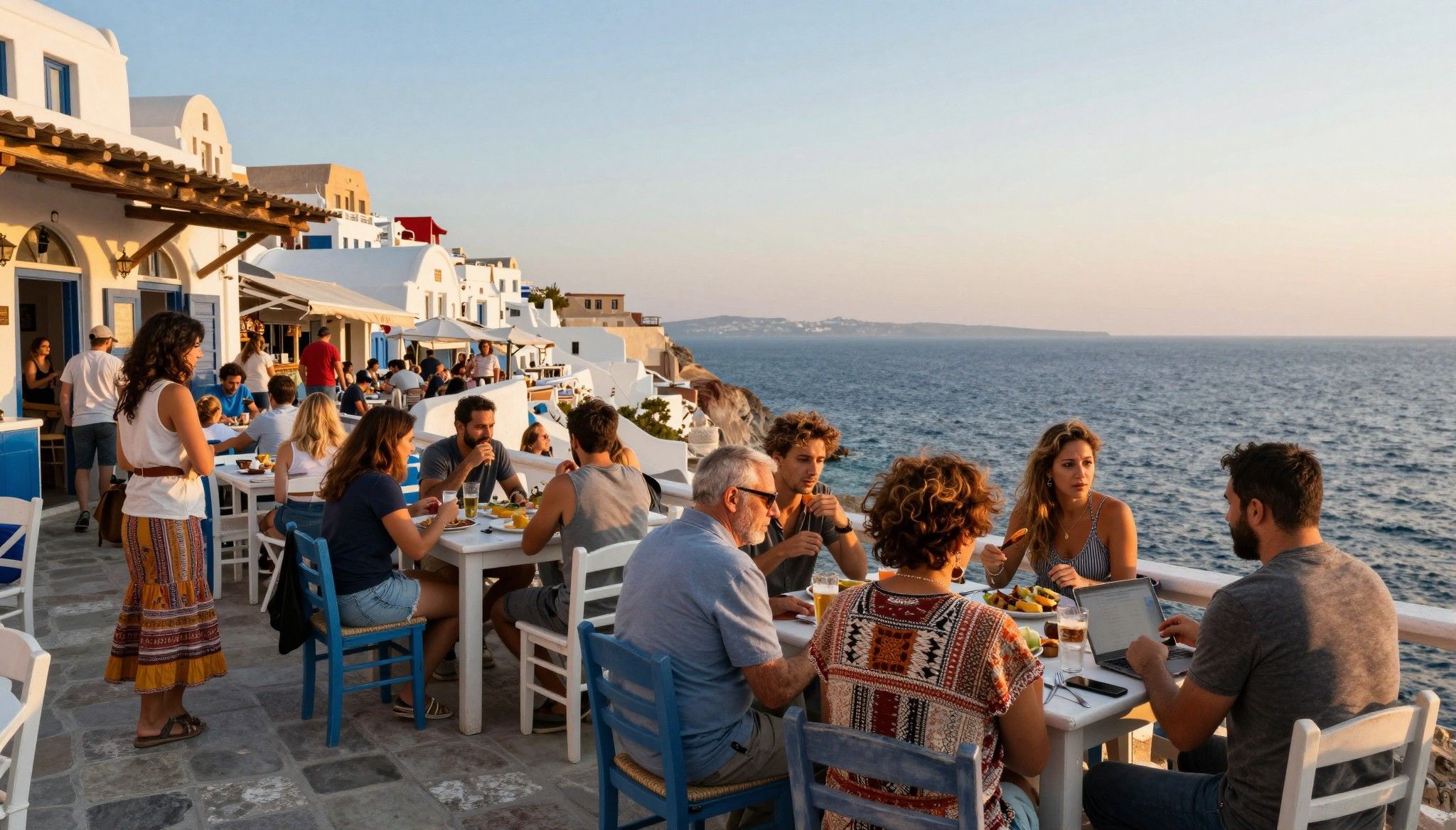
Budgeting for the Croatia Life: Costs, Timing, Red Flags
Fall for Croatia’s coastal cafés and island life—then budget like a local: add 8–10% for taxes/fees, watch VAT vs. transfer tax, and time offers off-season for leverage.
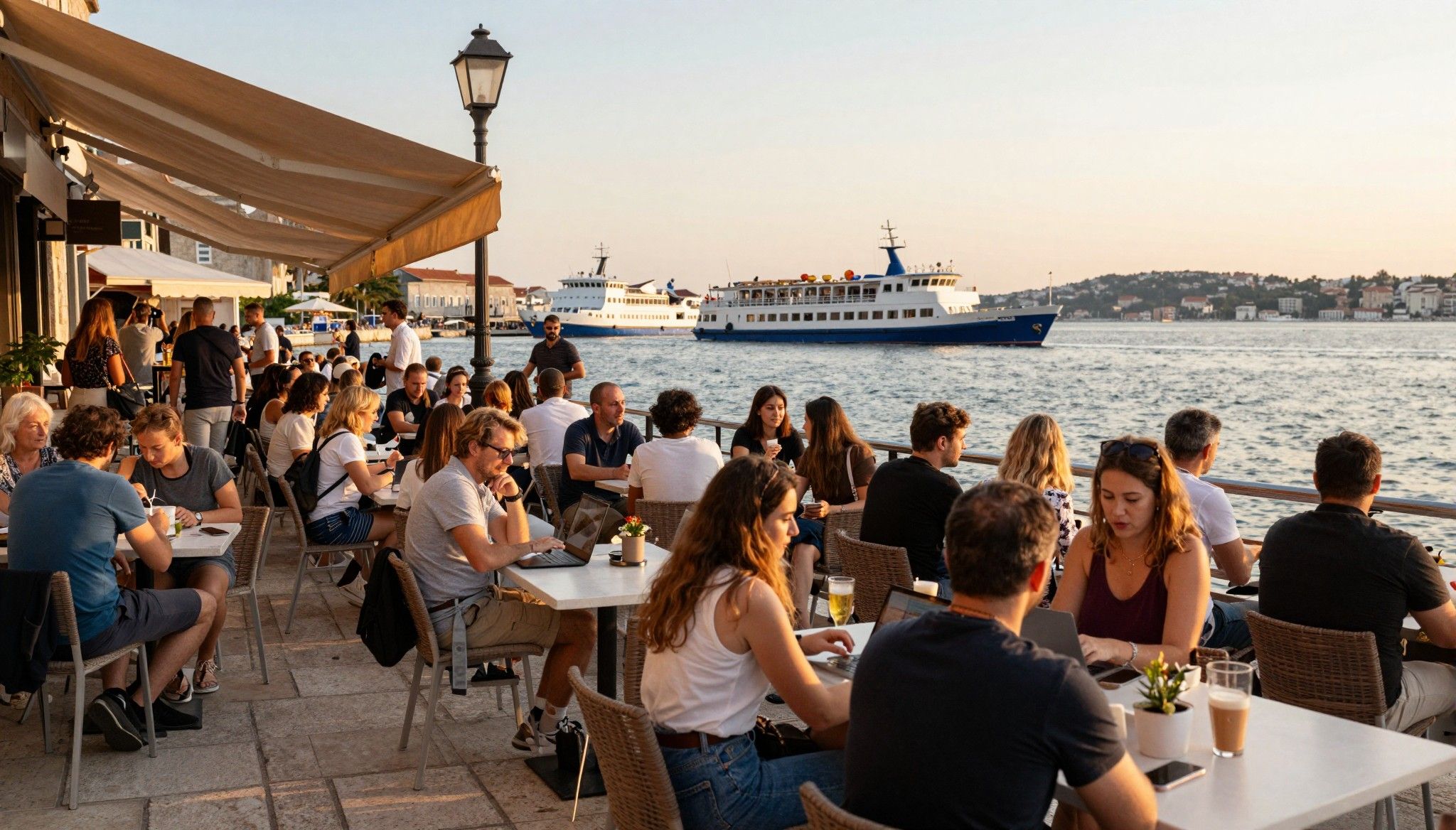
Imagine sipping espresso at a sun-dappled table on Split’s Riva, then walking five minutes to a compact apartment that doubles as your beachfront home office. Croatia moves at Mediterranean rhythms: morning markets, late dinners, island ferries and a workday that bends beautifully into life. But that romance needs a budget that’s honest about taxes, rising prices and the small paperwork hiccups that can derail a dream.
Living the Croatia life
Croatia’s personality changes with geography. Zagreb hums with cafés, coworking spaces and artsy neighborhoods. The Dalmatian coast—Split, Hvar, Dubrovnik—feels cinematic: cobbled alleys, limestone facades and afternoons on a pebble beach. Inland towns like Rovinj or Poreč mix Venetian shutters with slow, local routines. For a nomad you’ll pick a locale for both vibe and function: fast internet, a friendly café with plugs, and a manageable commute to the ferry or airport.
Neighborhoods that actually fit remote work
Look beyond headlines. In Split, Varos and Veli Varoš offer gritty charm and short walks to coworking hubs. In Zagreb, Maksimir and Ćirilometodska neighborhoods give tree-lined streets plus cafés that welcome laptops. On Istria’s west coast, Pula’s Veruda neighborhood and Rovinj’s old town put you next to markets and seaside espresso spots. These pockets combine walkability, local life and somewhere to plug in and get things done.
Food, weekends and the seasonal rhythm
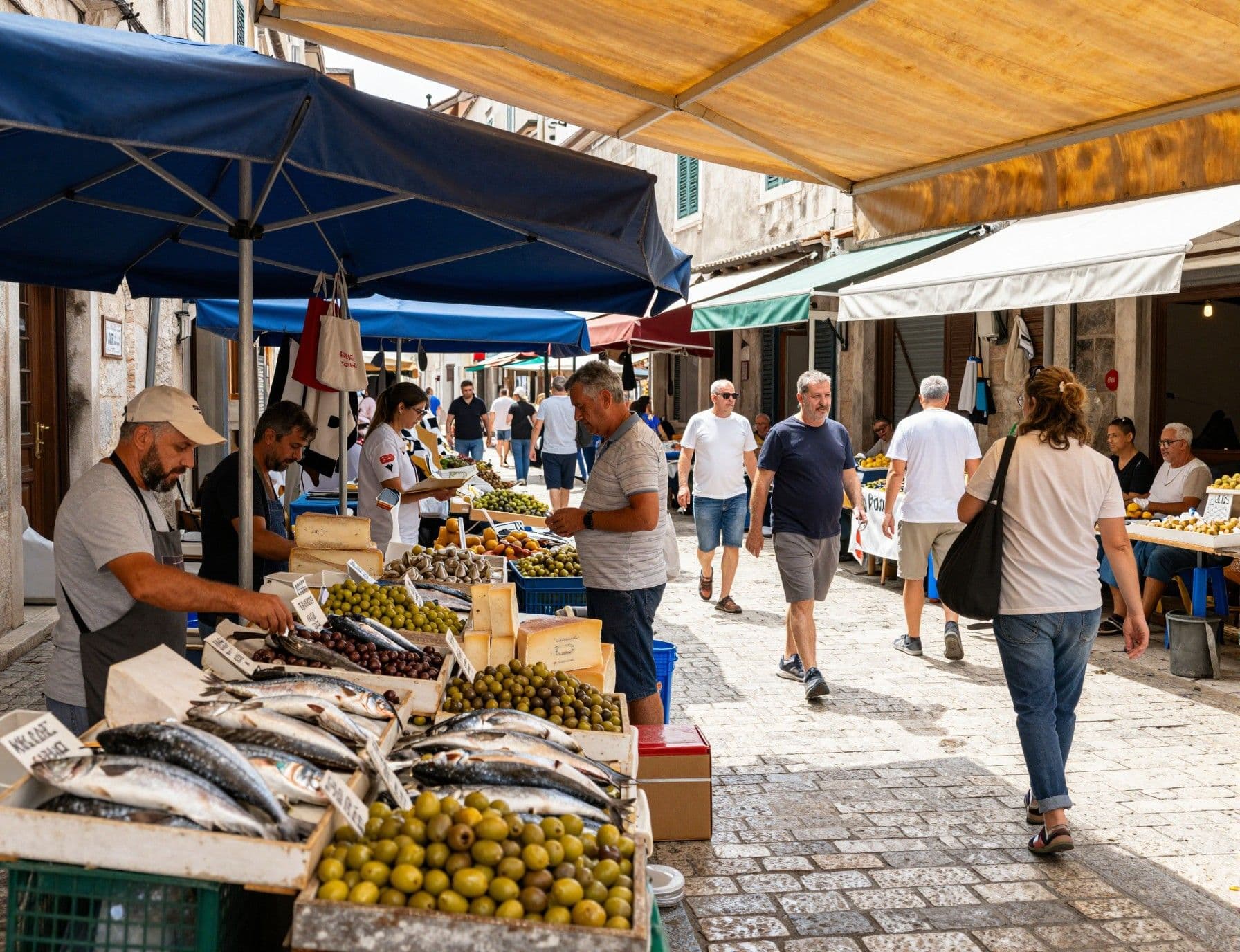
Weekends mean markets: peasant cheeses in Dolac (Zagreb), fresh squid on Split’s Pazar, truffle hunts in Istria. Summers are full of festivals—think open-air jazz in Hvar or film nights in Dubrovnik—that swell small towns with visitors. Winters quiet down; locals reclaim beaches and prices can soften. If you love lively summers but crave calm work months, Croatia’s seasonality becomes an asset—if your budget plans for it.
- Lifestyle highlights to expect
Morning markets (Dolac, Pazar), seaside cafés (Split Riva, Dubrovnik Old Town), island hopping (Brač, Vis, Hvar), weekend wine tastings in Istria, late-summer festivals and a close-knit community feel in smaller towns.
Making the move: practical budgeting that matches the dream

Your heart imagines a stone apartment with a terrace; your spreadsheet needs to match it. Croatia’s market has been rising—official indices showed double-digit growth through 2024–2025—so realistic budgets must include purchase taxes, agency fees, VAT on new builds and contingency for quick-moving coastal deals. Start with a rule of thumb: add 8–10% on top of the sale price for taxes, fees and immediate renovations, then plan a 5–10% buffer for market momentum.
Property types and the real lifestyle trade-offs
A coastal stone apartment is romantic and low-maintenance but can command a premium and tourist-season rental demand. New builds give warranties and modern workspaces but often trigger VAT (25%) instead of transfer tax. Renovations in older homes deliver character but expect extra costs for wiring, insulation and legalizing paperwork—especially on islands where transporting materials adds expense.
- Budgeting steps to follow (practical)
1) Define your lifestyle must-haves and a firm price cap. 2) Add a 3% transfer tax (or VAT on new builds) + notary/registration fees (~€500–€1,500). 3) Reserve agency commission (typically ~3% + VAT). 4) Budget 5–10% for immediate upgrades and 5% contingency for fast-moving offers. 5) Confirm financing options early—Croatian mortgages exist but terms vary for non-residents.
Insider knowledge: what expats wish they’d known
A few practical truths save time and money: EU citizens get near-equal buying rights; non-EU buyers may need Ministry of Justice approval. Official records (land registry, “gruntovnica”) are your best friend—don’t rely solely on verbal assurances. Expect some deals to include shared access lanes, or unresolved property boundaries that require a local lawyer to sort.
Cultural and seasonal realities that affect budgets
Sellers often price coastal homes around peak-season demand; that means you can find more bargaining power in late autumn and winter when buyer traffic cools. Conversely, if you want rental income, buy before high season to maximize first-year returns. Also note: administrative timelines slow in August (holidays) and around local festivals—plan offers outside those windows to avoid delays.
- Red flags to watch for (real cases)
Unregistered extensions, unclear road access, missing building permits, repeated short-term rentals that indicate wear and tear, and sellers reluctant to show utility bills—each can add unexpected cost. Always commission a land registry extract and a recent utility cost statement before signing.
Real numbers matter: international buyers made thousands of purchases in 2025 and coastal price pressure is real—official indices showed double-digit growth in 2024–2025. Use those trends to decide whether to move now or wait for a seasonal dip. Partnering with an agency that knows local registration, VAT implications and island logistics turns lifestyle goals into a smooth purchase.
Next steps (actionable and simple): 1) Pick three neighborhoods that match your work/life rhythm. 2) Get a local lawyer and ask them to pull a land-registry extract. 3) Build a budget with 8–10% extra for taxes/fees and a 5% contingency. 4) Time your offer for off-peak months unless you need immediate rental income. 5) Book remote meetings with 2–3 agencies who show actual listings and transparent fees.
Croatia is magnetic: sun-warmed stone streets, sea-spray mornings and a social life that gets going after sunset. Match that life with a realistic budget, local expertise, and seasonal timing and you won’t just buy a property—you’ll buy into a new daily rhythm. When you’re ready, talk to agencies who live the life you want and insist on the documents that protect it.
Dutch investment strategist guiding buyers to Greece and Spain; practical financing, tax, and portfolio diversification.